
A node in a planned grid
Straight streets, uniform buildings and squares at the junctions.
A square in Lyon's 6th arrondissement with a fountain at its centre, on the edge of the elegant Brotteaux residential quarter and close to the Parc de la Tête d'Or. Its value lies not in a single monument but in being a clear example of nineteenth-century city planning. The 6th arrondissement was built in that period as a bourgeois extension of Lyon: wide straight streets, buildings of uniform height with stone facades, and circular squares at the important junctions. This square is a node in that grid. The name carries a heavy history. Marshal Lyautey was the French Resident-General in Morocco between 1912 and 1925, in effect the ruler of the French protectorate there. Naming French squares and streets after figures of the colonial period is a subject of continuing public debate in France, and some names have been changed in other cities. A plain practical point: this is a neighbourhood square, not a visitor destination. It is always open and free and the visit is minutes. Make it a stop on the way to the nearby Parc de la Tête d'Or rather than an aim in itself.
Straight streets, uniform buildings and squares at the junctions.
Lyautey was in effect the ruler of the French protectorate in Morocco.
Fifteen minutes on the way to the big park.
6th arrondissement, Lyon
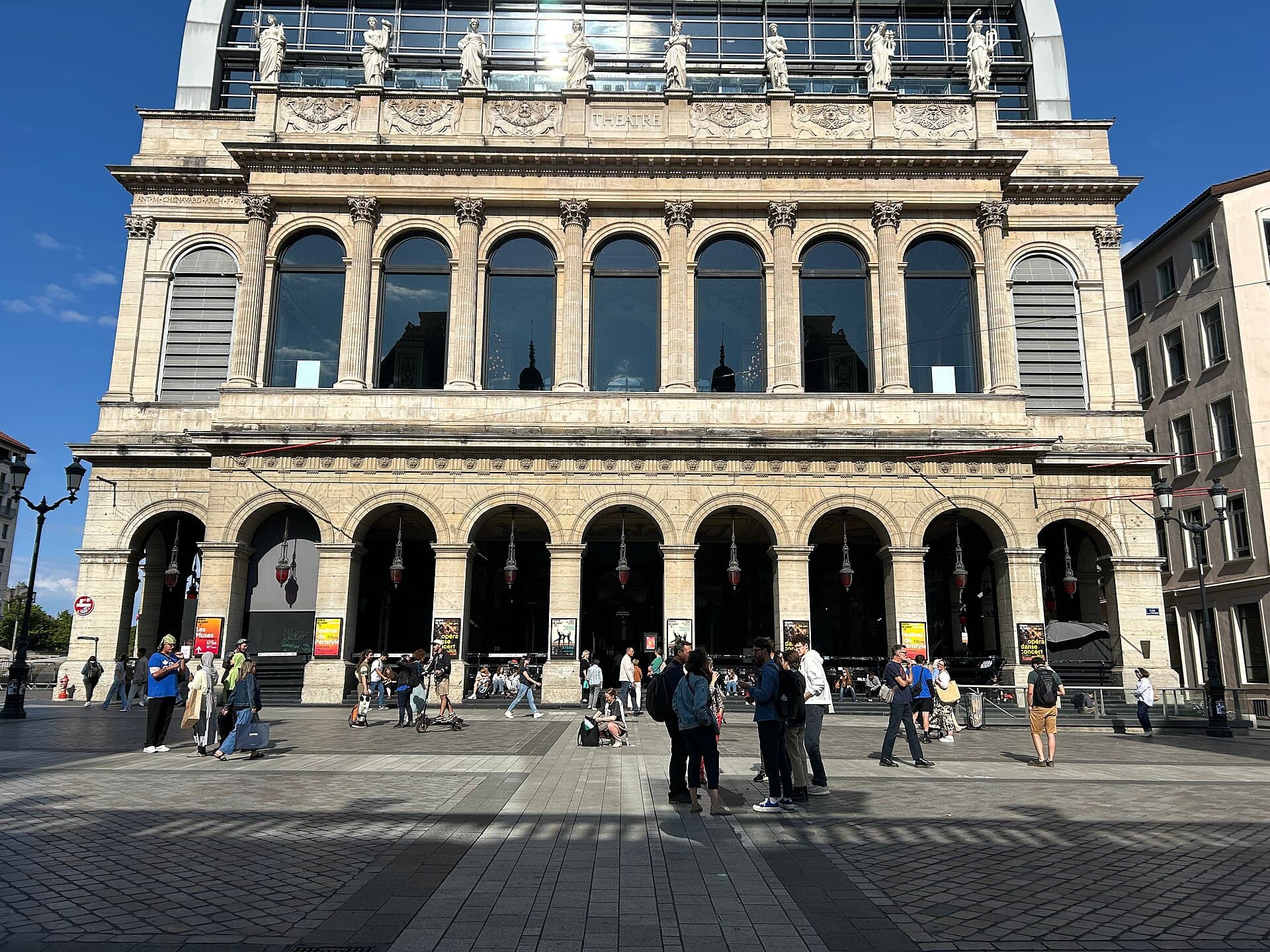 Opéra Nouvel, LyonLyon's national opera house, and one of Europe's boldest examples of fusing a co5 minutes walk4.4
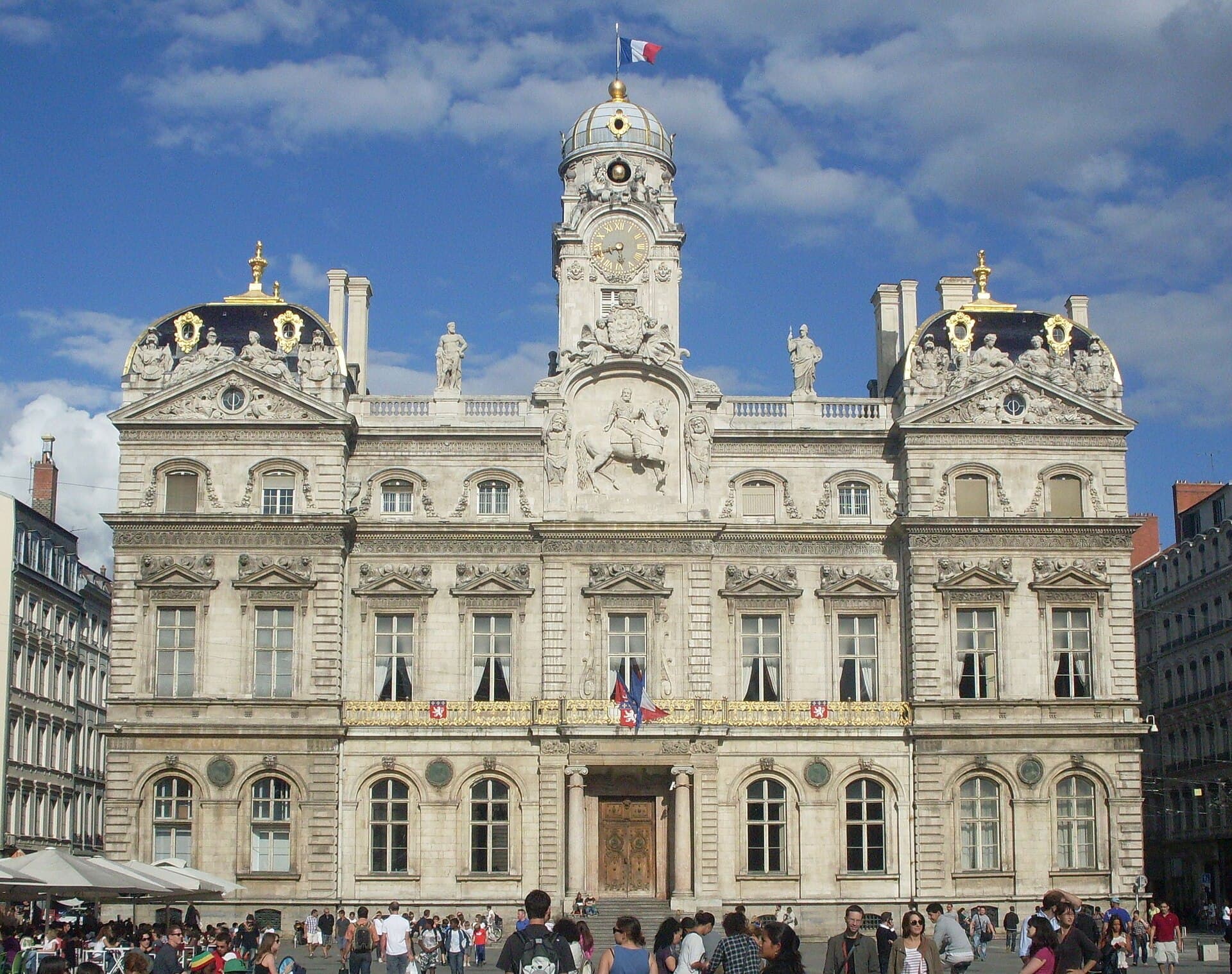 Lyon City HallLyon's city hall on Place des Terreaux, dating from the seventeenth century, amo7 minutes walk4.4
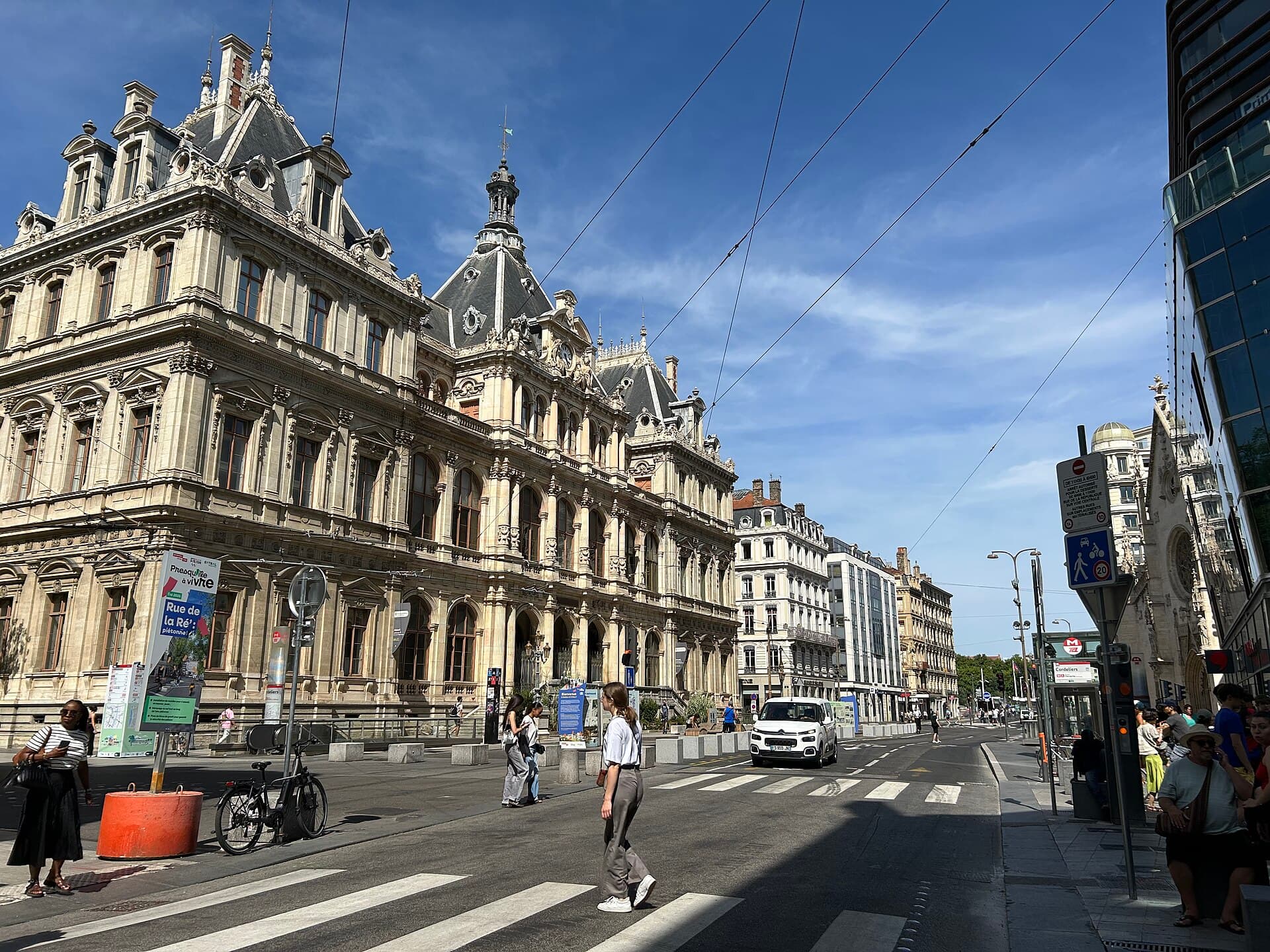 Place des CordeliersA square in the heart of the Presqu'île, one of the main meeting points in Lyon'8 minutes walk4.6
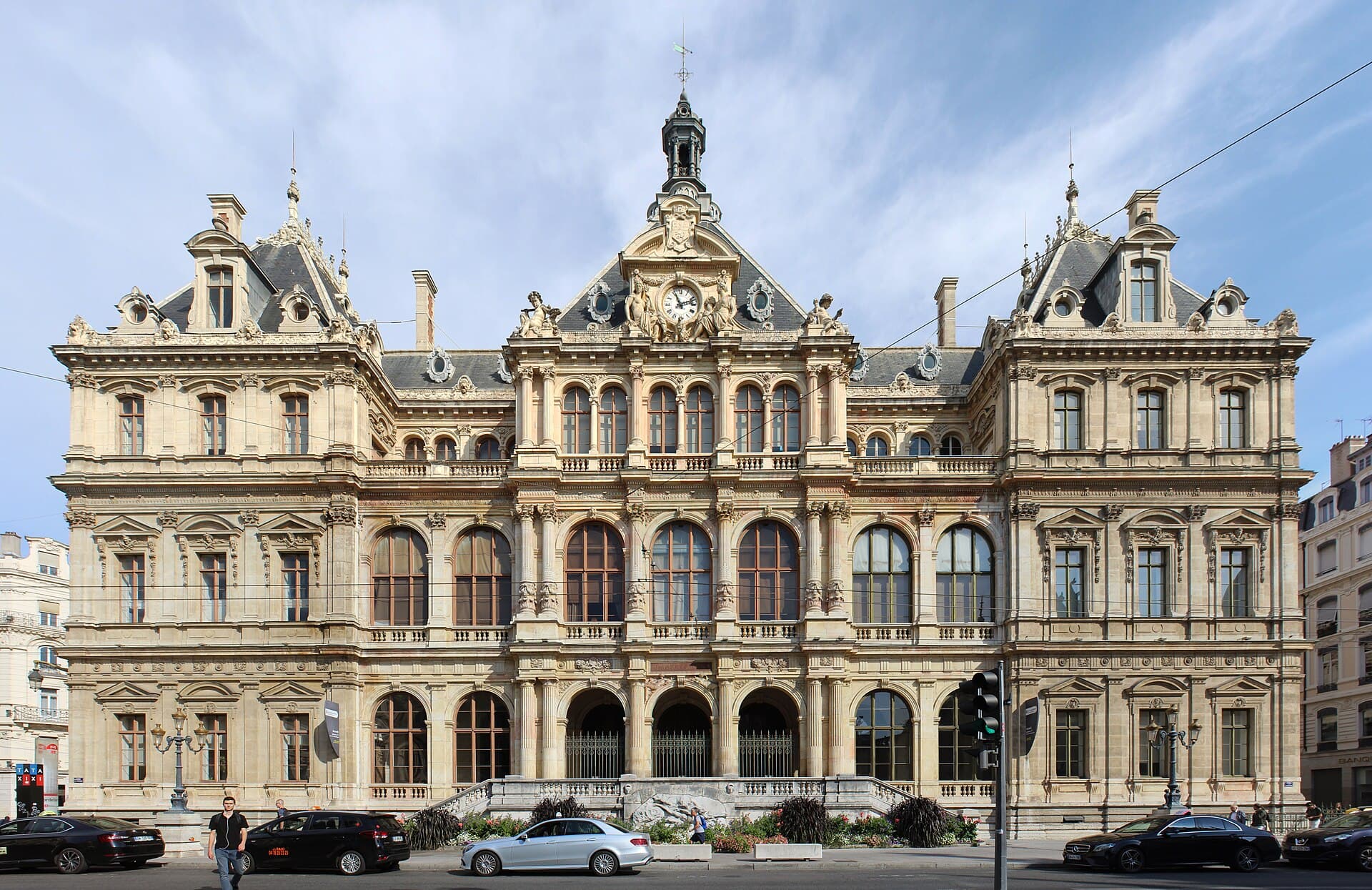 The Palais de la BourseA mid-nineteenth-century building in the heart of Lyon, built as the city's stoc8 minutes walk4.8
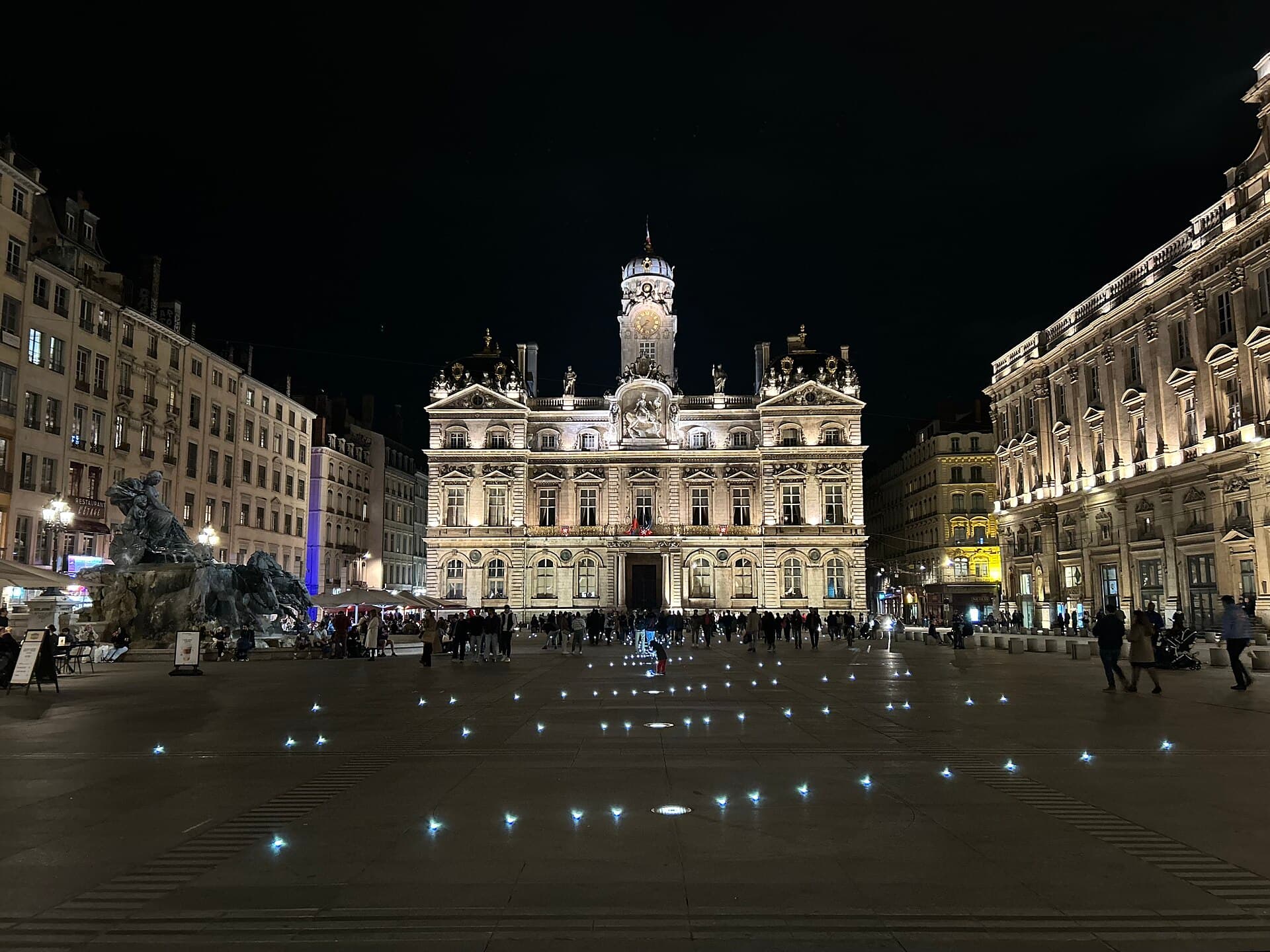 Place des TerreauxThe Terreaux is Lyon's formal salon: the city hall's grand seventeenth-century f8 minutes walk4.4
Lyon's largest urban park and one of the largest in France, over a hundred hectares with a big lake, a botanical garden, glasshouses and a small free zoo. It opened in 1857 and entry is free. It is where Lyon goes at the weekend, and it is worth half a day with children.
Some are, slowly and amid sharp debate. Municipal councils decide, and decisions vary from city to city: some have renamed, some have added a plaque explaining the historical context instead of removing the name, and many have done nothing. The debate itself — whether to erase a name or explain it — is what has been running in France and other European countries for years.