
The Gwoździec ceiling
The wooden synagogue in full recovered colour.
Wojciech Kryński — CC BY-SA 3.0 pl · Rakoon — CC0 · Rakoon — CC0 · Rakoon — CC0
POLIN is a millennium in one building: the museum of Polish Jewry's history — the community that was the world's largest for centuries (three and a half million before the war) — raised in the former ghetto's heart facing its heroes' monument, and named European Museum of the Year (2016) for its eight-part narrative exhibition. Its name is the tale itself: Polin in Hebrew is both Poland and rest here — the first arrival's legend. The route is a complete thousand years: medieval market roads, the golden age, the rebuilt Gwoździec synagogue ceiling in full colour (the exhibition's visual summit), the pulsing interwar street — then the Holocaust as a deliberately constricting passage — then what came after. Its architecture is itself a symbol: a glass block split by an undulating canyon (the parting of the sea) — and it is the Uprising Museum's necessary complement: the two stories together are twentieth-century Warsaw entire.
The wooden synagogue in full recovered colour.
The sea's parting as architecture.
Anielewicza 6, 00-157 Warsaw
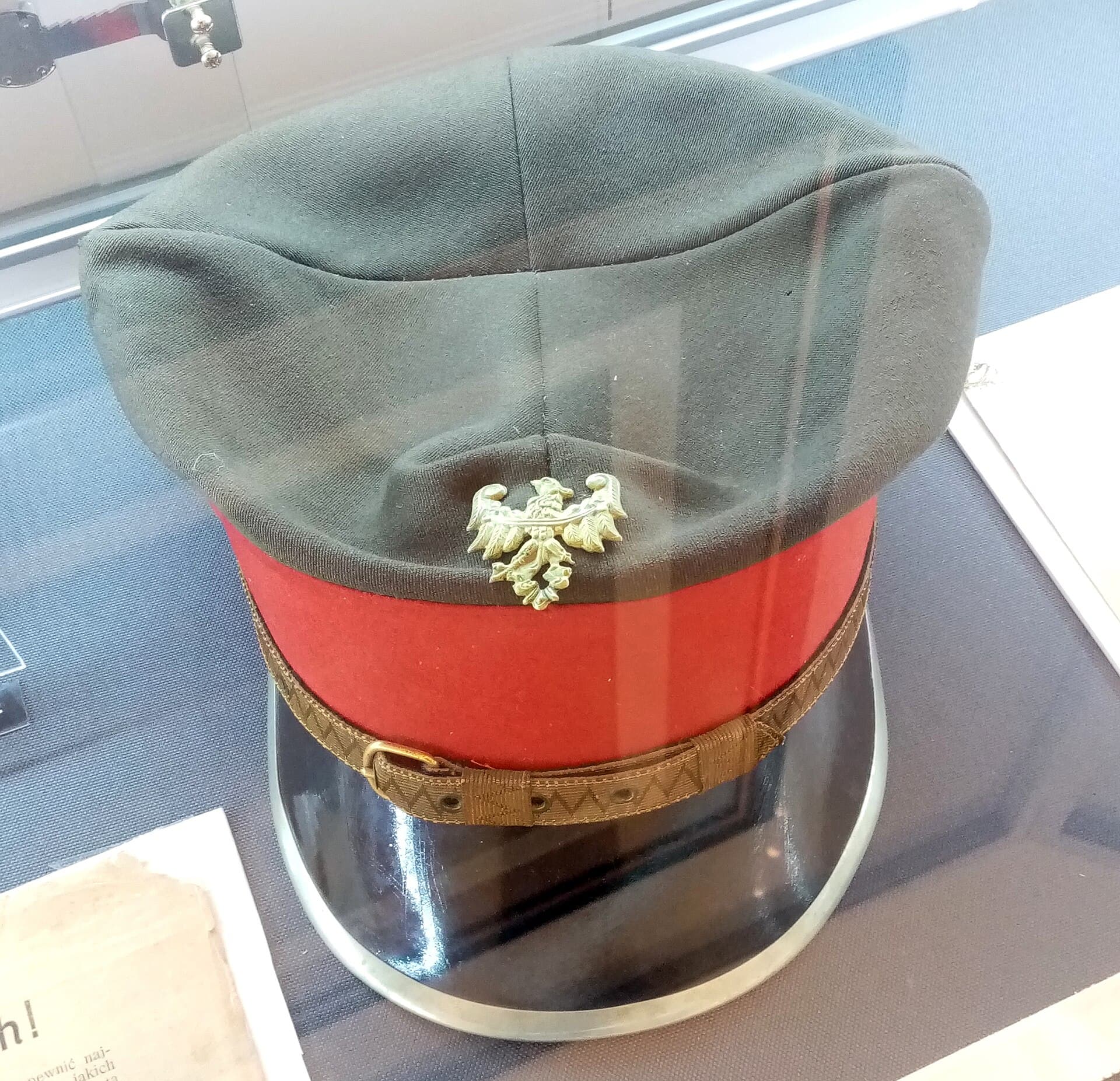 Museum of IndependenceA museum of the Polish struggle for independence, in the baroque Przebendowski P11 minutes walk4.6
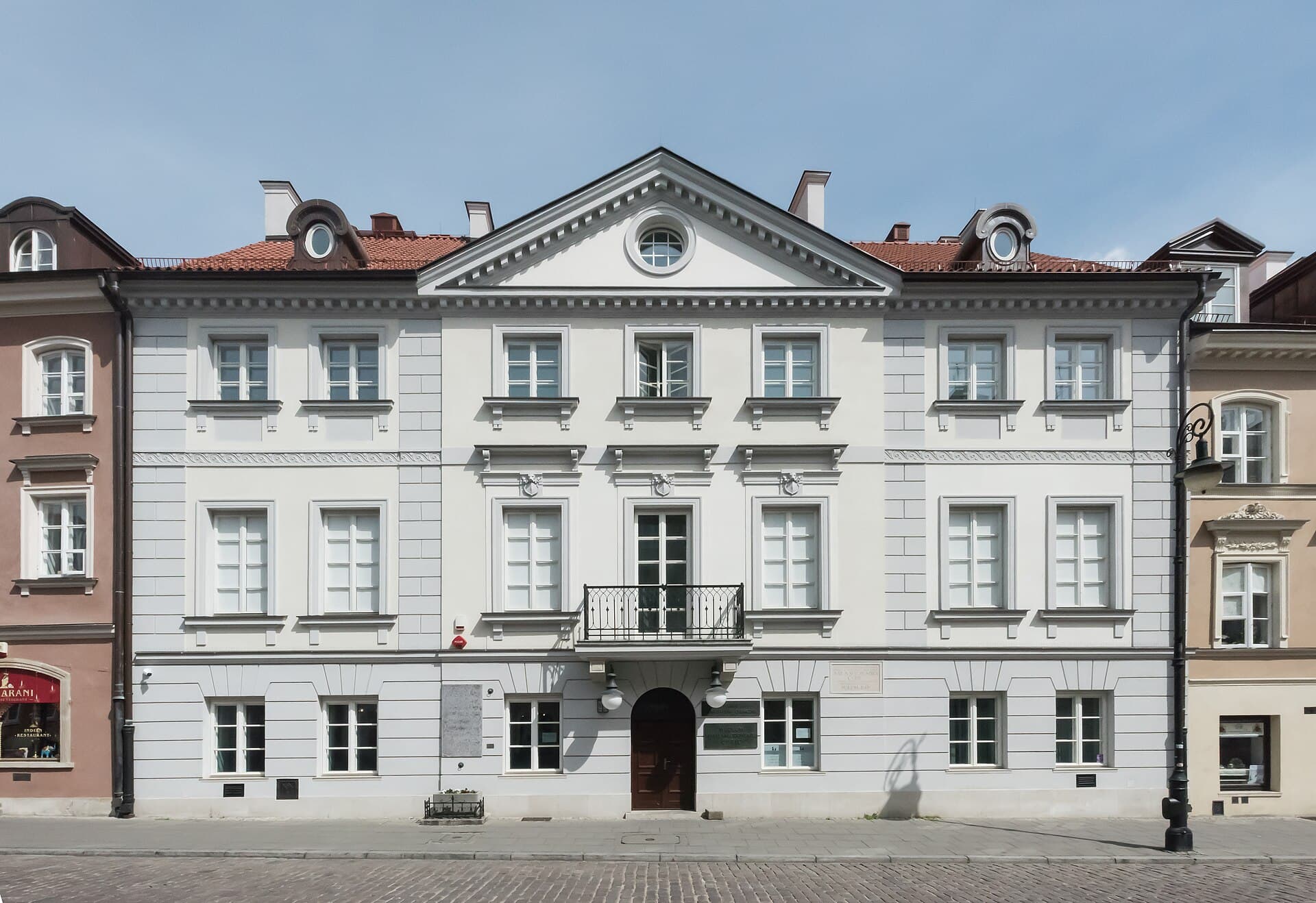 Maria Skłodowska-Curie MuseumA house in the New Town where Maria Skłodowska was born in 1867, known worldwide13 minutes walk4.4
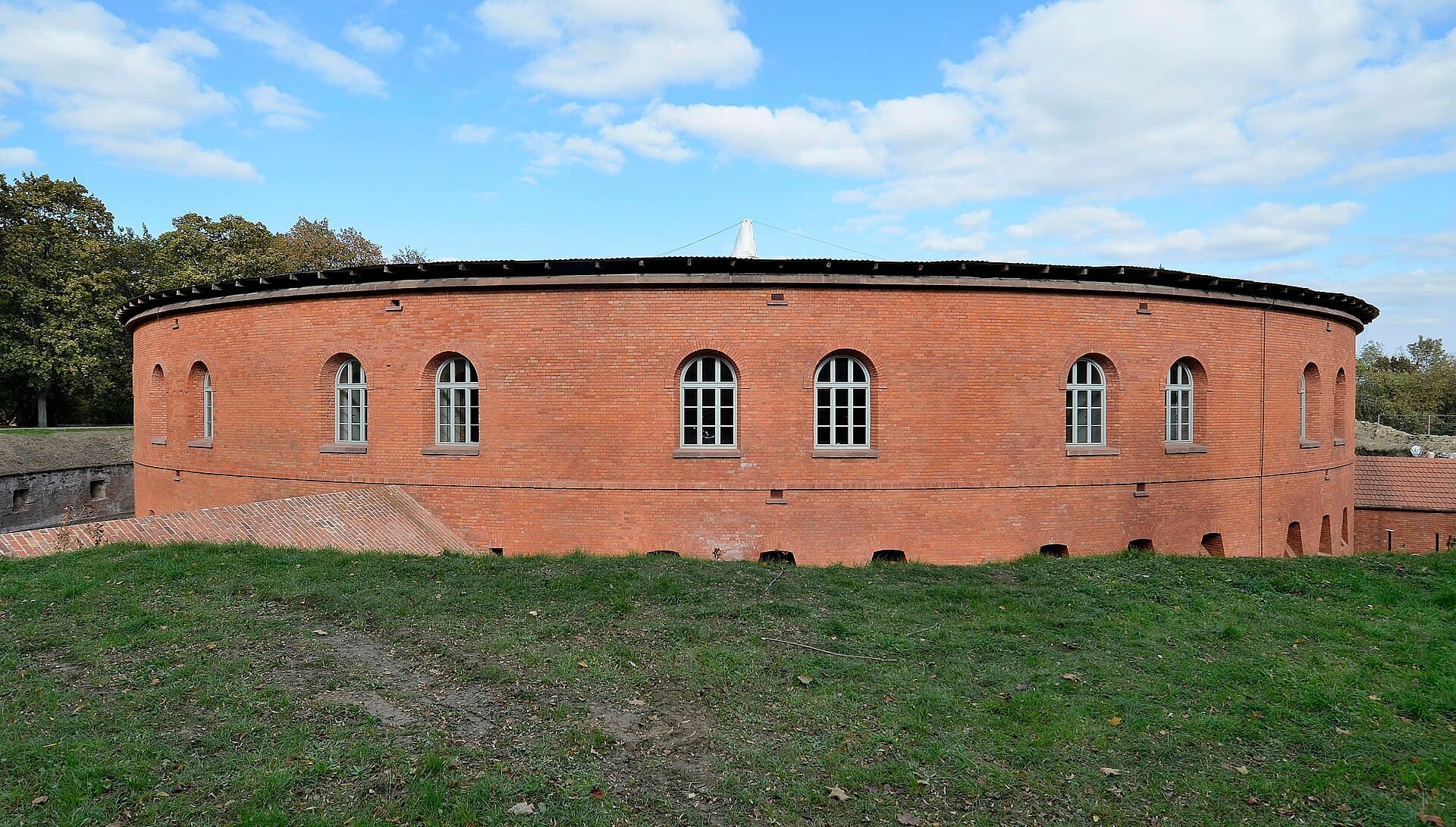 Fort LegionówA fort of the Warsaw Citadel system, built under Russian rule in the nineteenth 16 minutes walk4.6
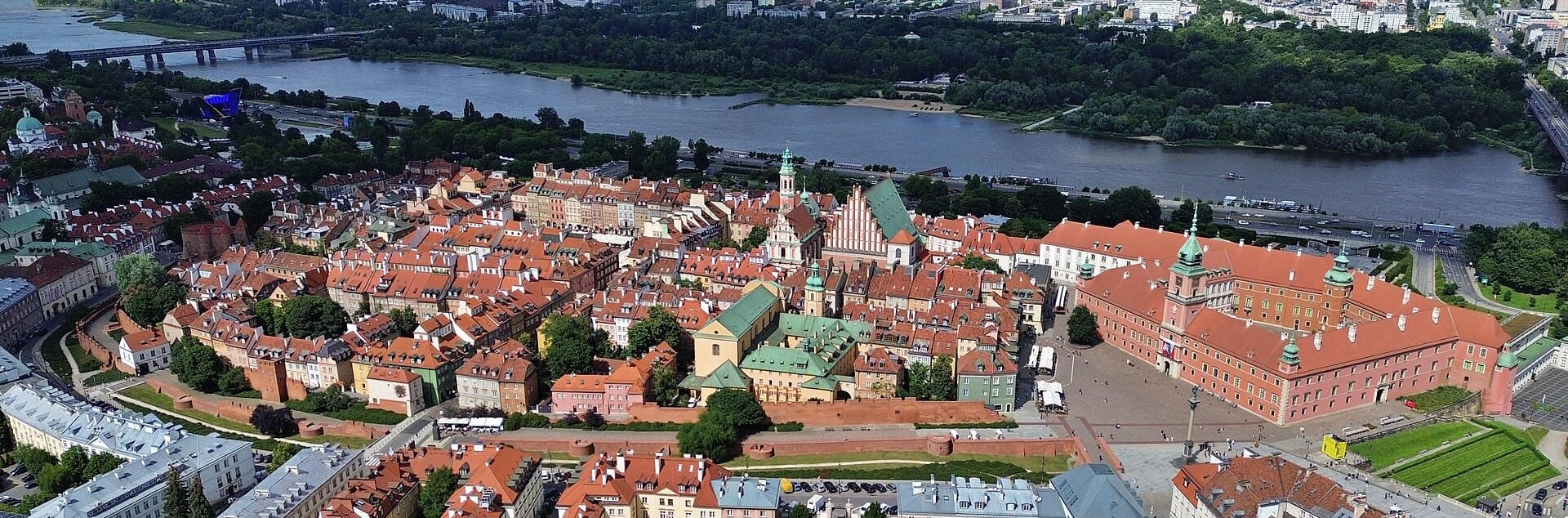 Warsaw Old TownWarsaw's Old Town is history's greatest urban resurrection: the Nazis demolished16 minutes walk
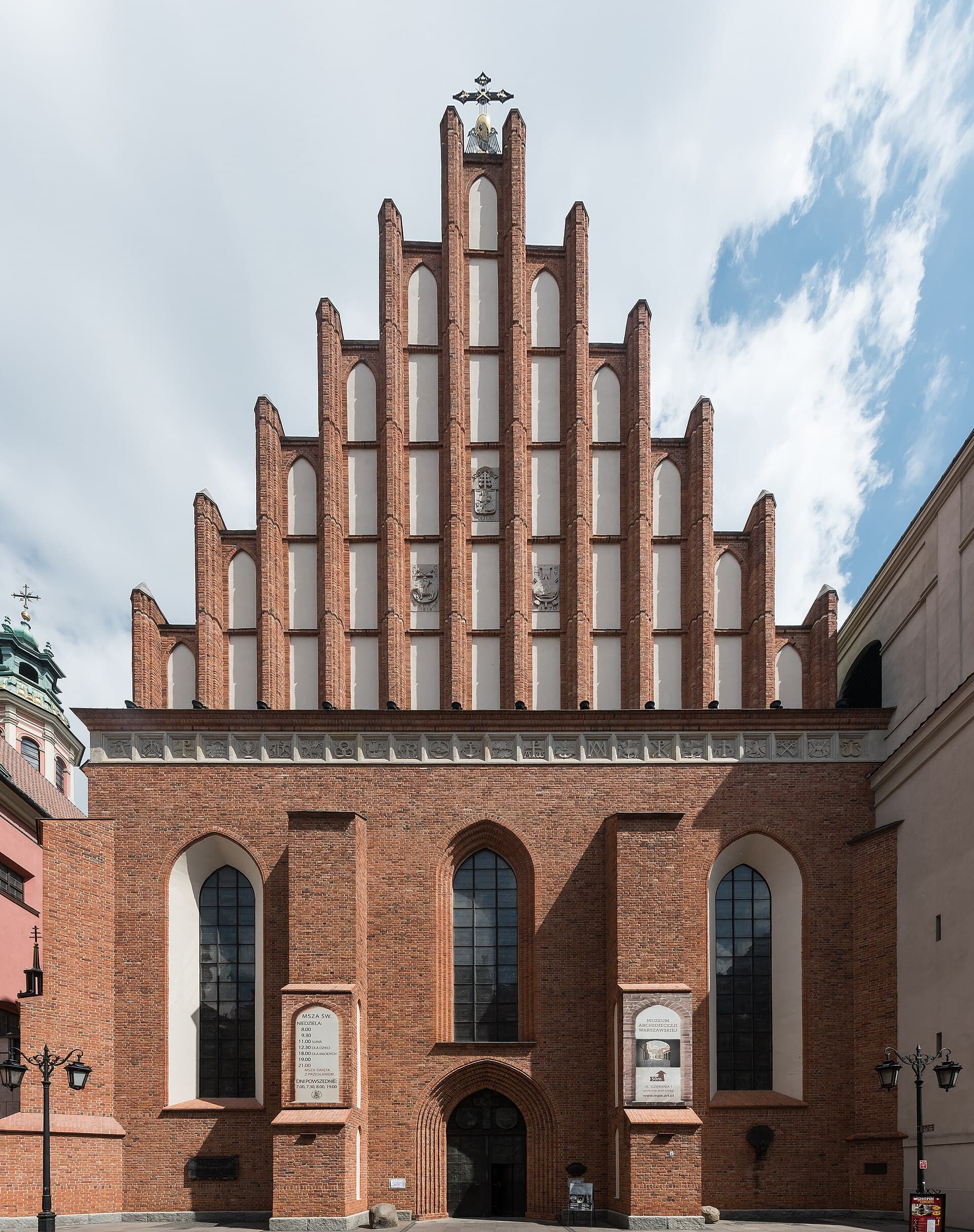 St John's ArchcathedralThe oldest church in Warsaw, dating from the fourteenth century, the city's prin17 minutes walk4.6
A two-stories question: POLIN is the thousand years — a whole civilisation rising, erased, enduring — the Uprising the sixty-three days of the fighting city. Warsaw's first-timer with one museum day leads with the Uprising for weight and focus — the two-day guest takes both in time's order: POLIN first, then the Uprising.