
Fortification in Renaissance language
Combining a classical face with an anti-artillery structure was new and influential.
Lo Scaligero, pseudonimo di Andrea Bertozzi — CC BY-SA 4.0 · Lo Scaligero, pseudonimo di Andrea Bertozzi — CC BY-SA 4.0 · Claconvr — CC BY-SA 4.0 · Claconvr — CC BY-SA 4.0
A sixteenth-century city gate in Verona's western wall, designed by Michele Sanmicheli, the military architect who refortified the city under Venetian rule. What makes it architecturally important is that it is not merely a defensive gate: Sanmicheli treated fortification as classical architecture, so the outer face carries Doric columns and Renaissance arches while the structure behind is built to absorb artillery. Combining the two was new in his time and influenced European fortification afterwards. That is why Sanmicheli's works in Verona fall within the city's UNESCO listing: the gates are not additions but part of the inscribed site's value. The gate today stands on a traffic roundabout, which reduces its visual impact and makes approaching it less comfortable. It is free to see from outside and the visit is minutes. Combine it with Porta Nuova and the city walls if military architecture interests you.
Combining a classical face with an anti-artillery structure was new and influential.
Sanmicheli's works fall inside Verona's listing rather than outside it.
Its traffic setting today reduces the gate's visual impact — expect that.
West of Verona's historic centre
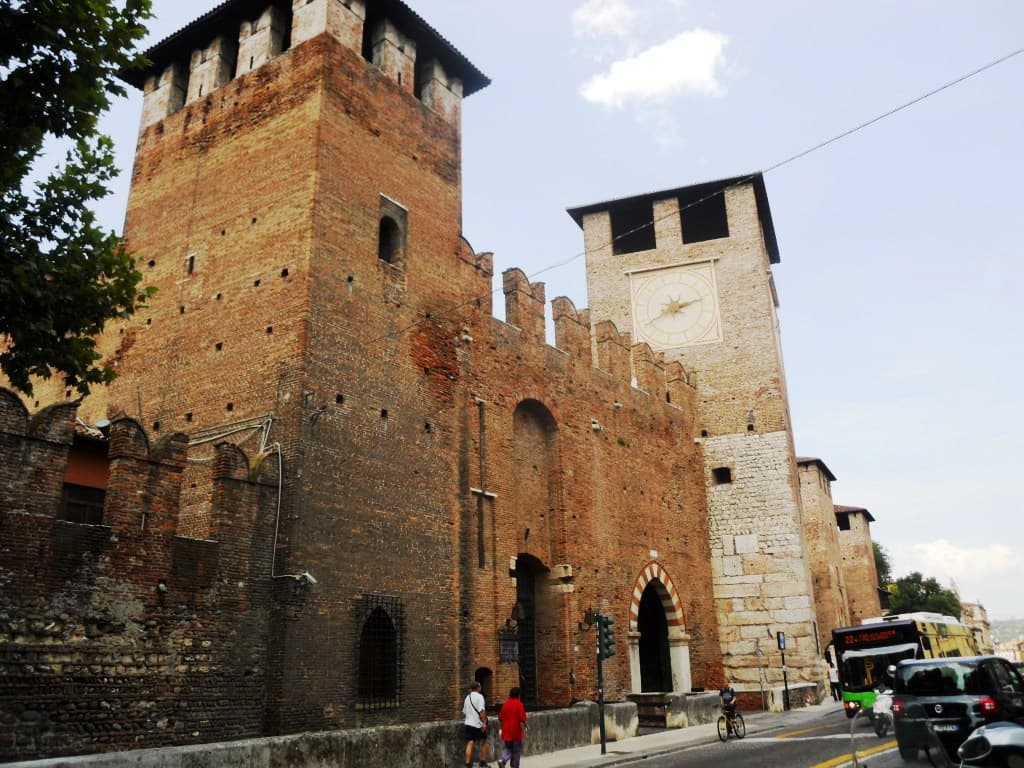
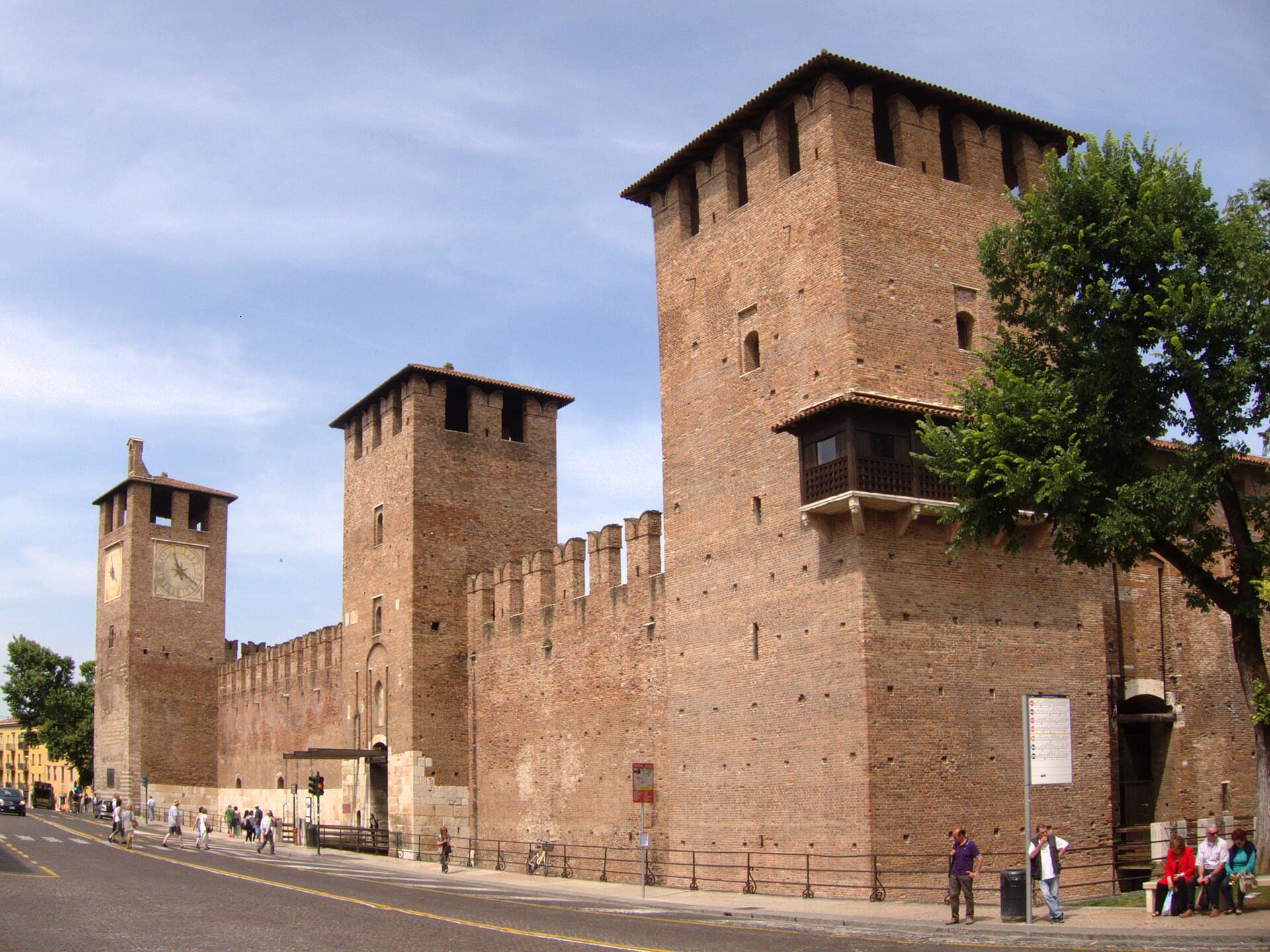 CastelvecchioCastelvecchio is the fortress of Verona's lords: Cangrande II della Scala built 10 minutes walk4.5
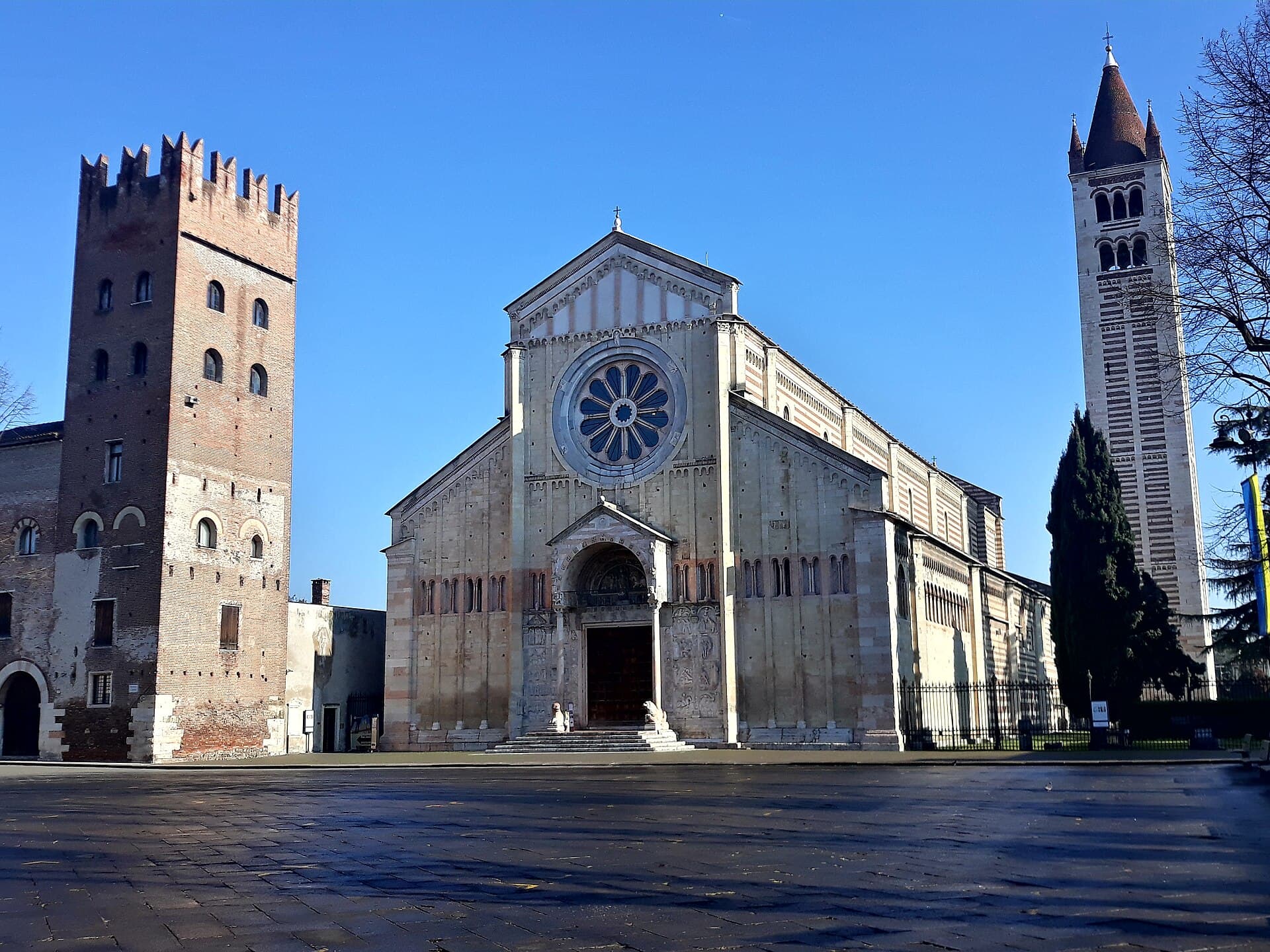 Basilica of San ZenoSan Zeno is Italian Romanesque at its summit: a golden-tuff basilica glowing tow10 minutes walk4.8
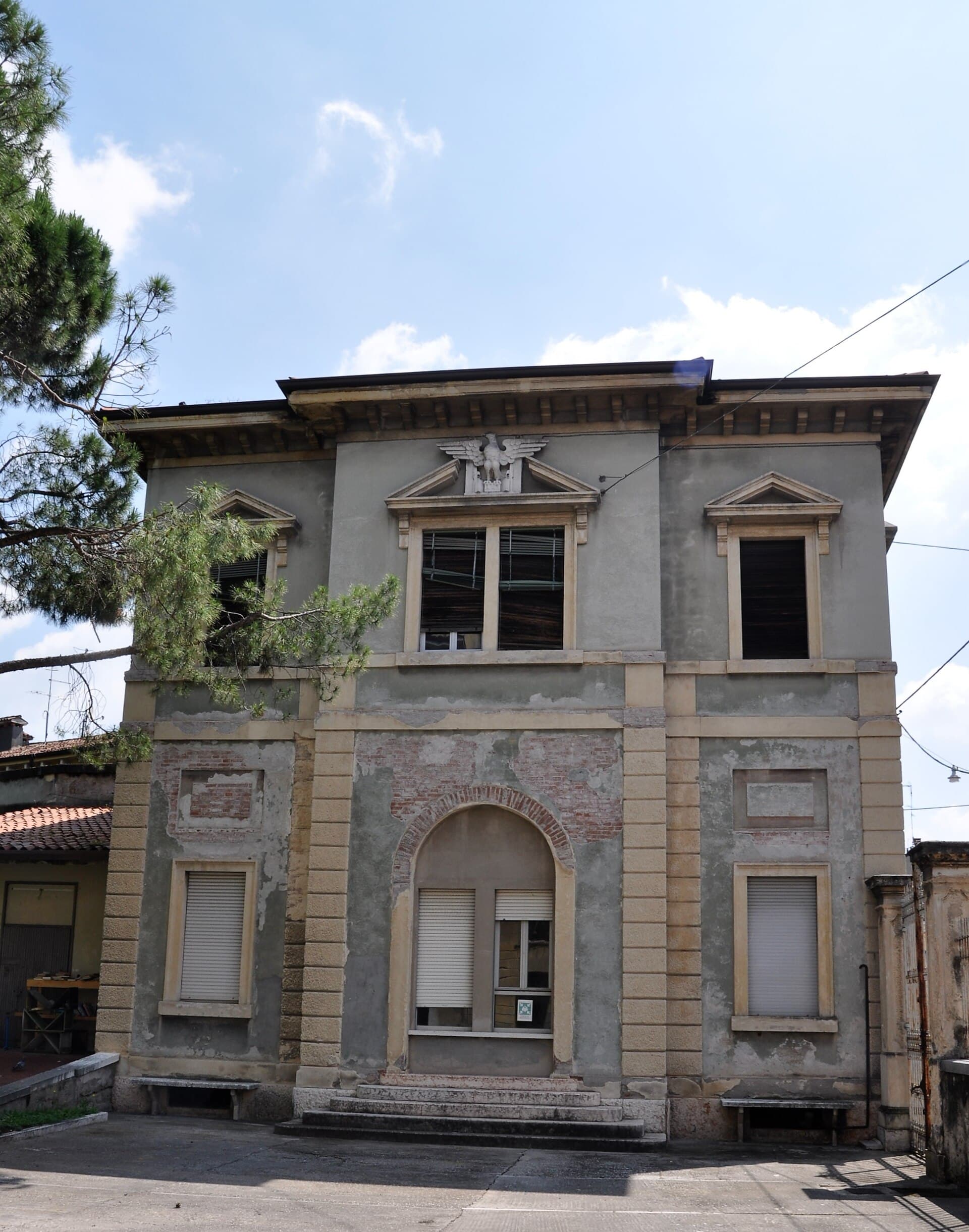 Palazzo Bocca TrezzaA nineteenth-century palace west of central Verona, built for the Bocca Trezza f11 minutes walk4.9
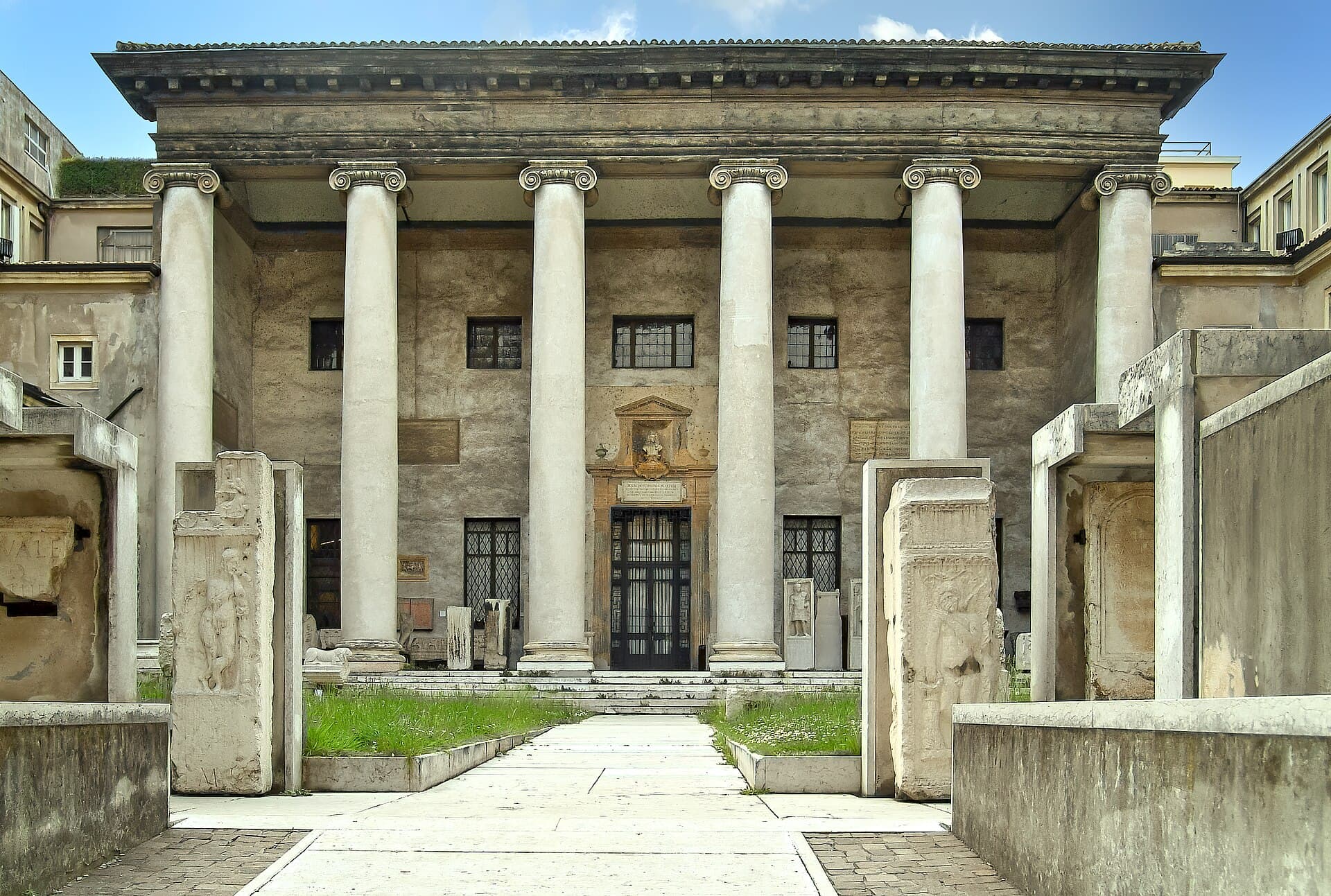 Museo Lapidario MaffeianoIn 1745, before the idea of a public museum was really a normal thing in Europe,12 minutes walk4.2
 Corso CavourA street in central Verona running from the Roman Borsari gate to the Castelvecc12 minutes walk4.6
If military or Renaissance architecture interests you, yes: it is among Sanmicheli's clearest works. If this is a first visit to Verona of a day or two, the Arena, Juliet's house, Piazza delle Erbe and Castelvecchio clearly come first.
Porta Nuova is also by Sanmicheli, south of the centre, and there are stretches of city wall and older medieval gates. Anyone interested in the fortifications can link them into one walk around the edge of the centre.