
Mantegna's triptych
The 1459 perspective that opened the north to the Renaissance.
Adert — CC BY-SA 4.0 · Manuel Ramírez Sánchez — CC BY-SA 4.0 · José Luiz — CC BY-SA 4.0 · Rijksmuseum — CC0
San Zeno is Italian Romanesque at its summit: a golden-tuff basilica glowing toward sunset in its quiet square west of the centre, built over the grave of Verona's laughing African bishop — Zeno the fisherman, as the city loves him — its bronze door of forty-eight cast panels a "poor man's Bible": scripture's stories poured a thousand years ago for those who could not read. The interior stages three levels: a column-forest crypt where Zeno rests dark-faced and smiling, a nave under a wooden ship's-keel ceiling, and a raised chancel bearing the treasure — Mantegna's triptych of 1459: Virgin and saints in perspective that pierces the frame, the painting that taught northern Italy the Renaissance. And Verona holds that in its crypt Romeo married Juliet in secret — legend completing itself in the city's truest church.
The 1459 perspective that opened the north to the Renaissance.
A millennium-old cast Bible — the poor's eternal reading.
The African bishop grinning in his column crypt.
Piazza San Zeno 2, 37123 Verona
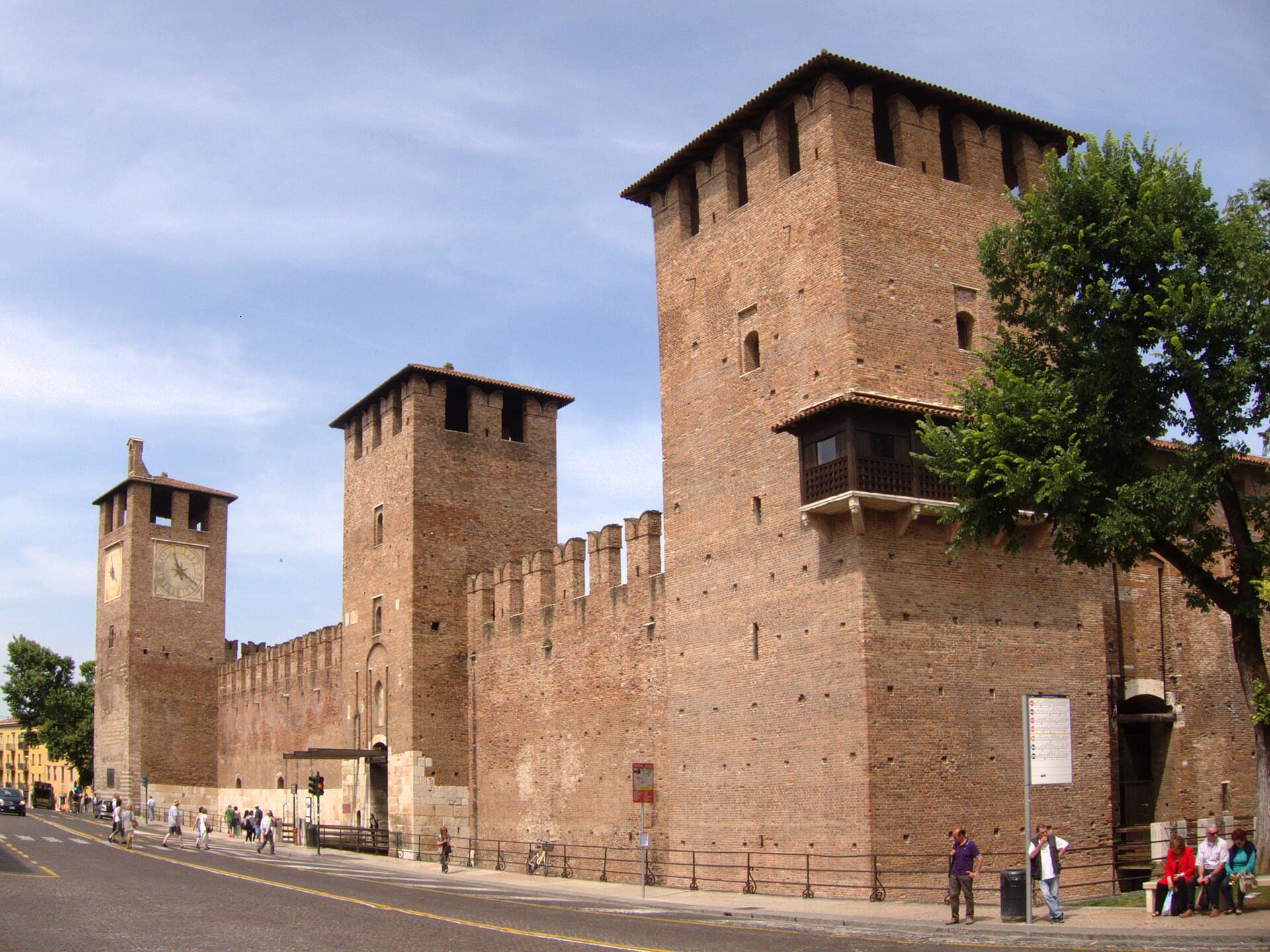 CastelvecchioCastelvecchio is the fortress of Verona's lords: Cangrande II della Scala built 10 minutes walk4.5
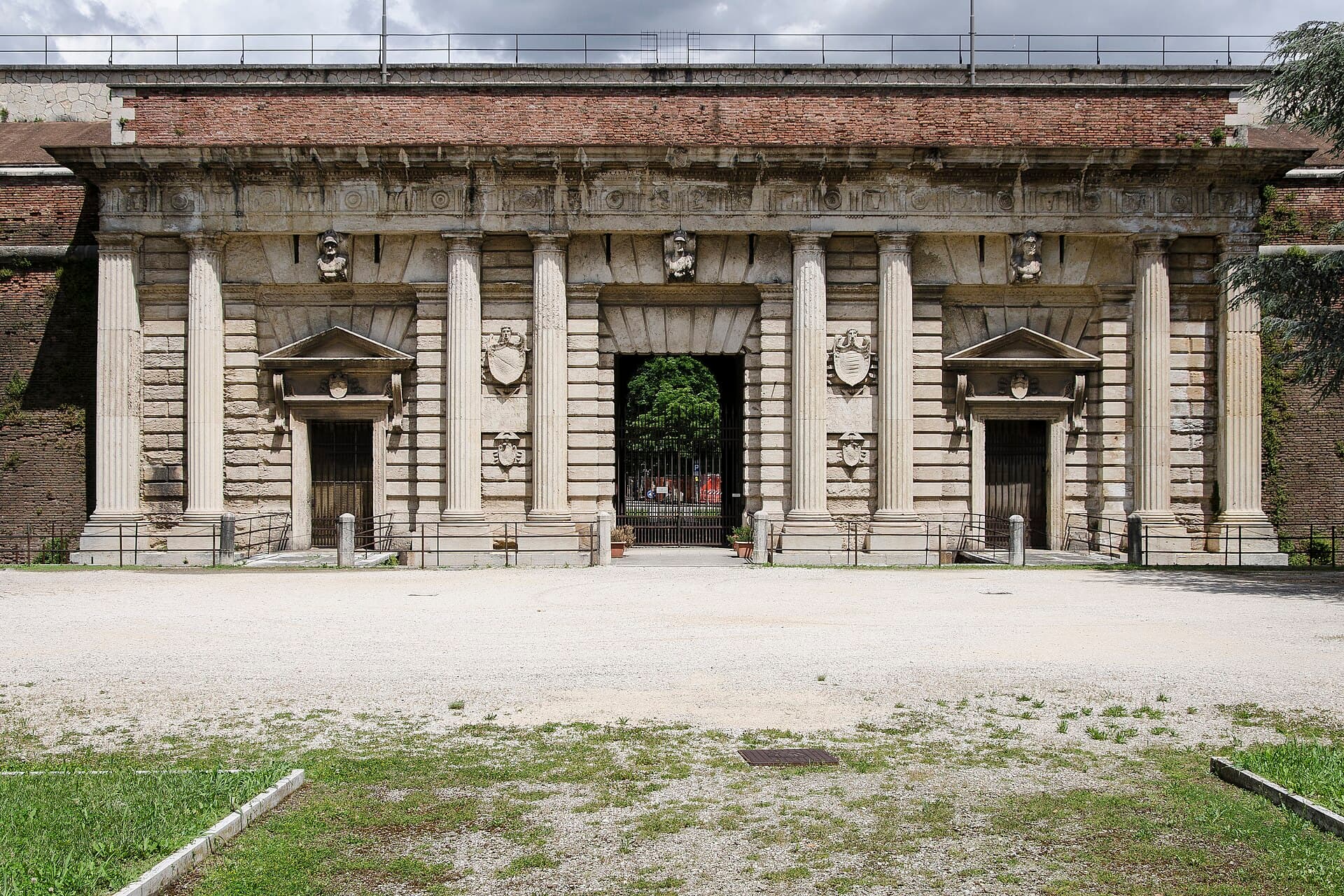 Porta PalioA sixteenth-century city gate in Verona's western wall, designed by Michele Sanm10 minutes walk4.3
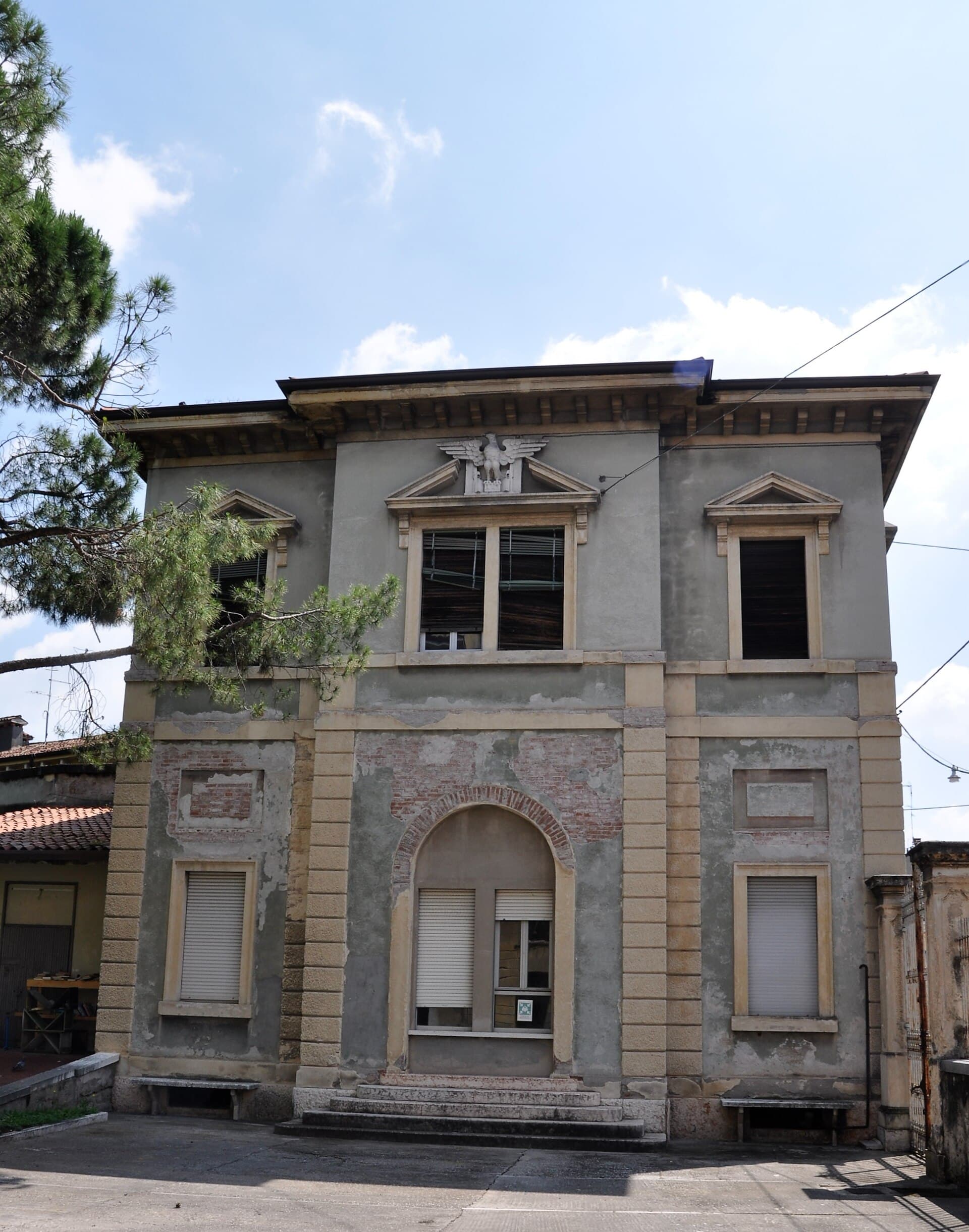 Palazzo Bocca TrezzaA nineteenth-century palace west of central Verona, built for the Bocca Trezza f11 minutes walk4.9
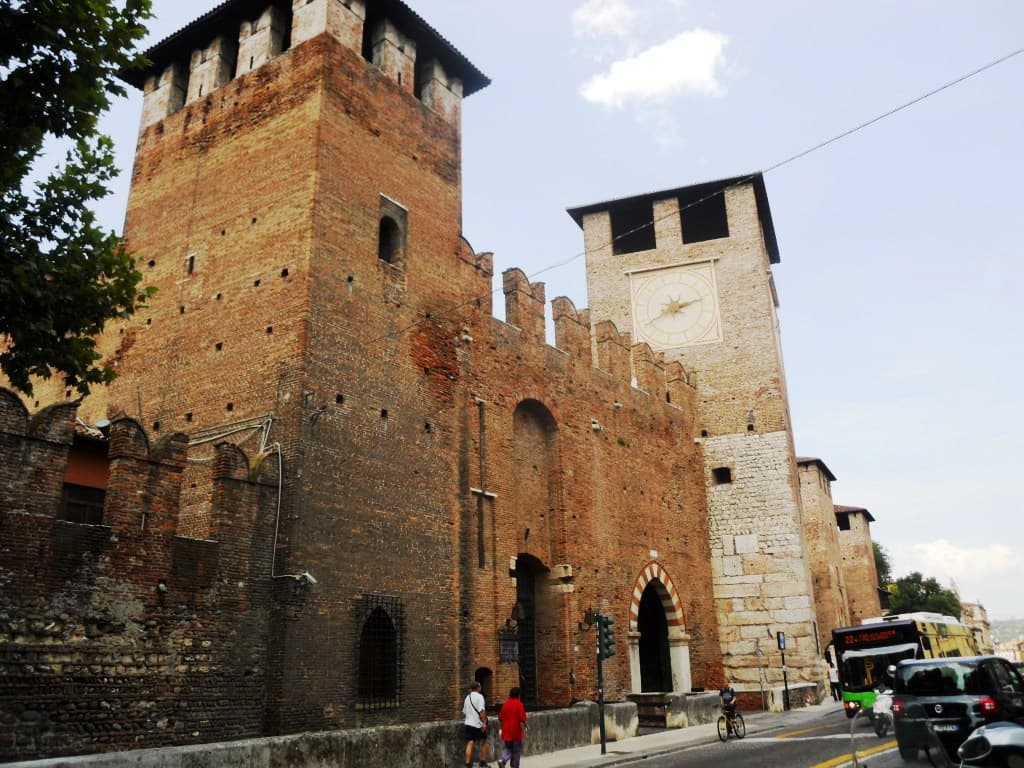 Corso CavourA street in central Verona running from the Roman Borsari gate to the Castelvecc12 minutes walk4.6
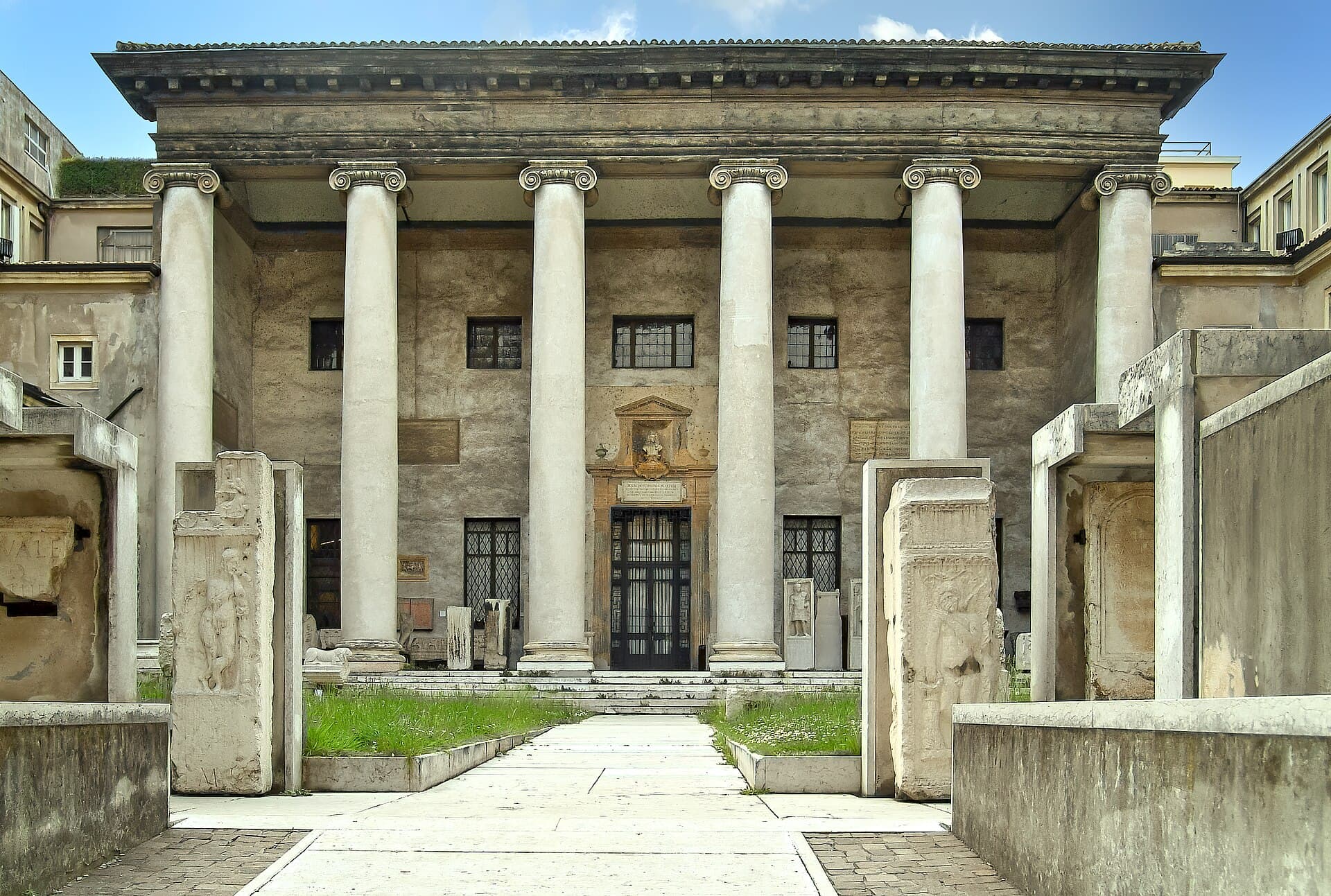 Museo Lapidario MaffeianoIn 1745, before the idea of a public museum was really a normal thing in Europe,13 minutes walk4.2
Verona's eighth bishop (d. c. 371), come from Africa — a brilliant preacher and, by his beloved legend, a fisherman, so his statues hold the rod and laugh. He is the city's true patron before all its myths, his statues' darkness a striking reminder of the early church's breadth.
Because the triptych is the first complete Renaissance altarpiece north of the Apennines: mathematical perspective, painted architecture continuing its real frame, saints with sculpture's weight — the whole north learned from it, Veronese and Venice its heirs. Napoleon took the original predella panels, still in France — the copies beneath tell the grievance.
Real in the play, not the record: Shakespeare set the marriage in Friar Laurence's cell, and Verona housed it in San Zeno's crypt — aptly choosing its loveliest undercroft. Believe it exactly as much as the house and balcony: the rituals of a city living gracefully with its legend.