
The bandstand
Historic.
Prburley — CC BY 4.0 · Nairap — CC BY-SA 3.0 · Prburley — CC BY 4.0 · Celso Abreu from Belém, Brasil — CC BY 2.0 · Celso Abreu from Belém, Brasil — CC BY 2.0 · Roberto de vasconcel… — CC BY-SA 3.0 · Prburley — CC BY 4.0
Praça Batista Campos is a square in the Belém district of the same name, described as one of the most beautiful places in the capital of Pará. In the 19th century its land belonged to Maria Manoela de Figueira e Salvaterra, so it was known as the Largo da Salvaterra, before passing to the city council. In 1897, under the intendant Antônio Lemos, it was named after Batista Campos, one of the leading figures of the Cabanagem revolt, who died in 1834. It was then a plain square with a few mango trees; after its makeover it was opened on 14 February 1904 as one of the finest squares in Belém. It was designed on the «gardens without railings» principle with fourteen entrances, and its walkways were later paved in Portuguese stone mosaic with marajoara motifs inspired by the pottery of Marajó island. It has a bandstand, streams with bridges and native trees, and locals come for walks and exercise.
Historic.
Among trees.
On the paths.
Batista Campos district, Belém, Pará
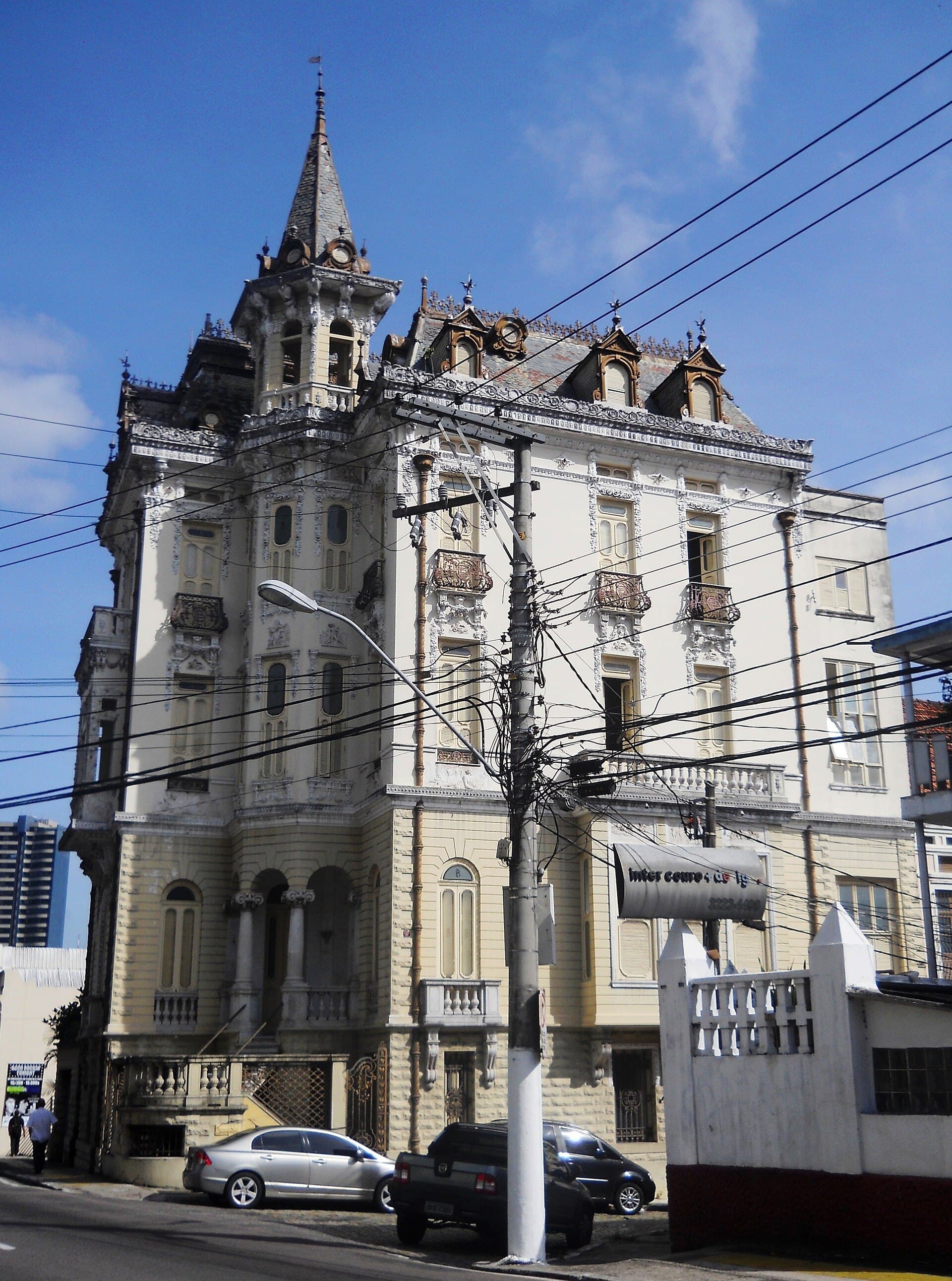 Palacete BolonhaThe Bolonha Mansion is a historic house in Belém built between 1905 and 1908 by 11 minutes walk4.6
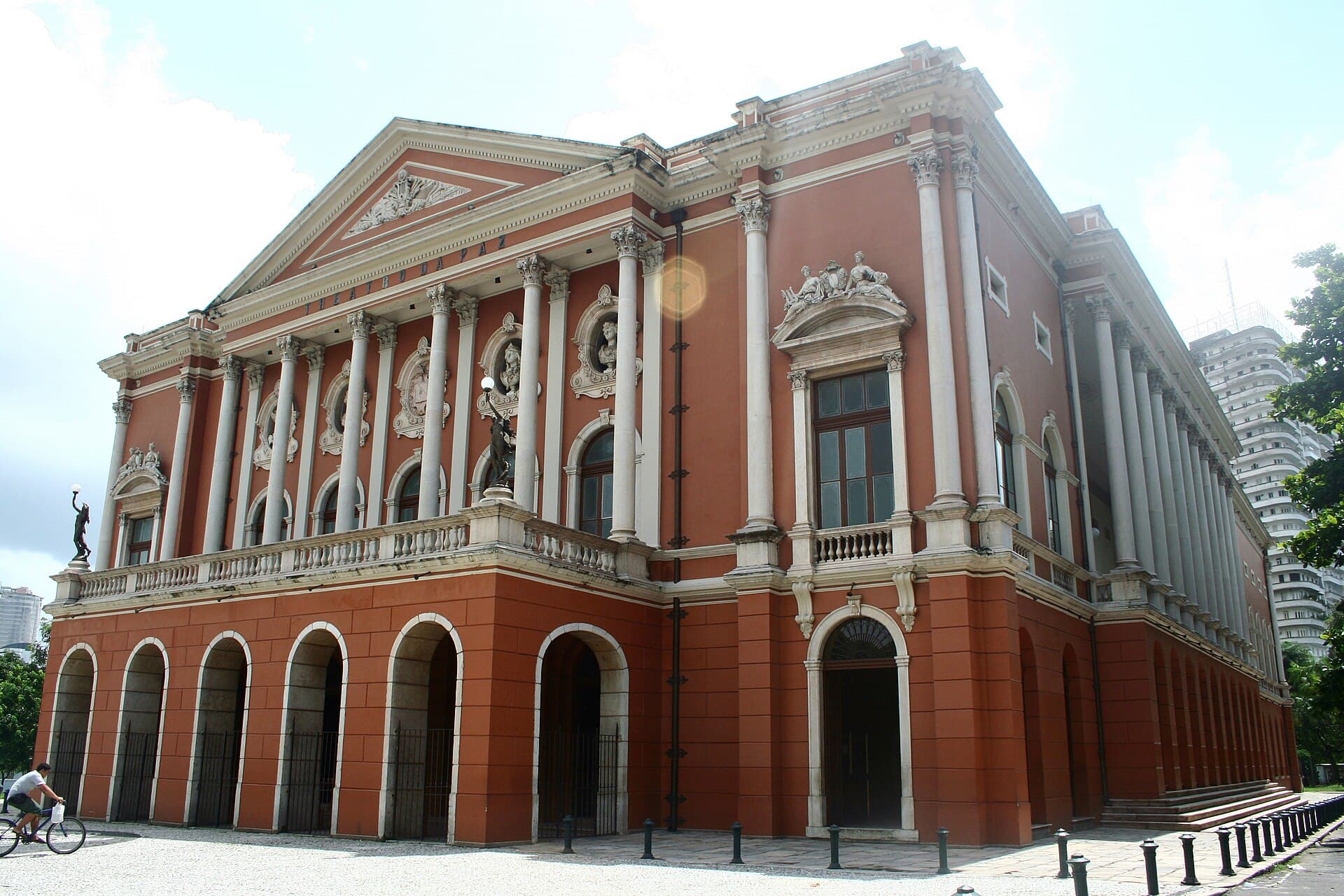 Theatro da PazThe Theatro da Paz, the Theatre of Peace, is the leading cultural house of north11 minutes walk4.9
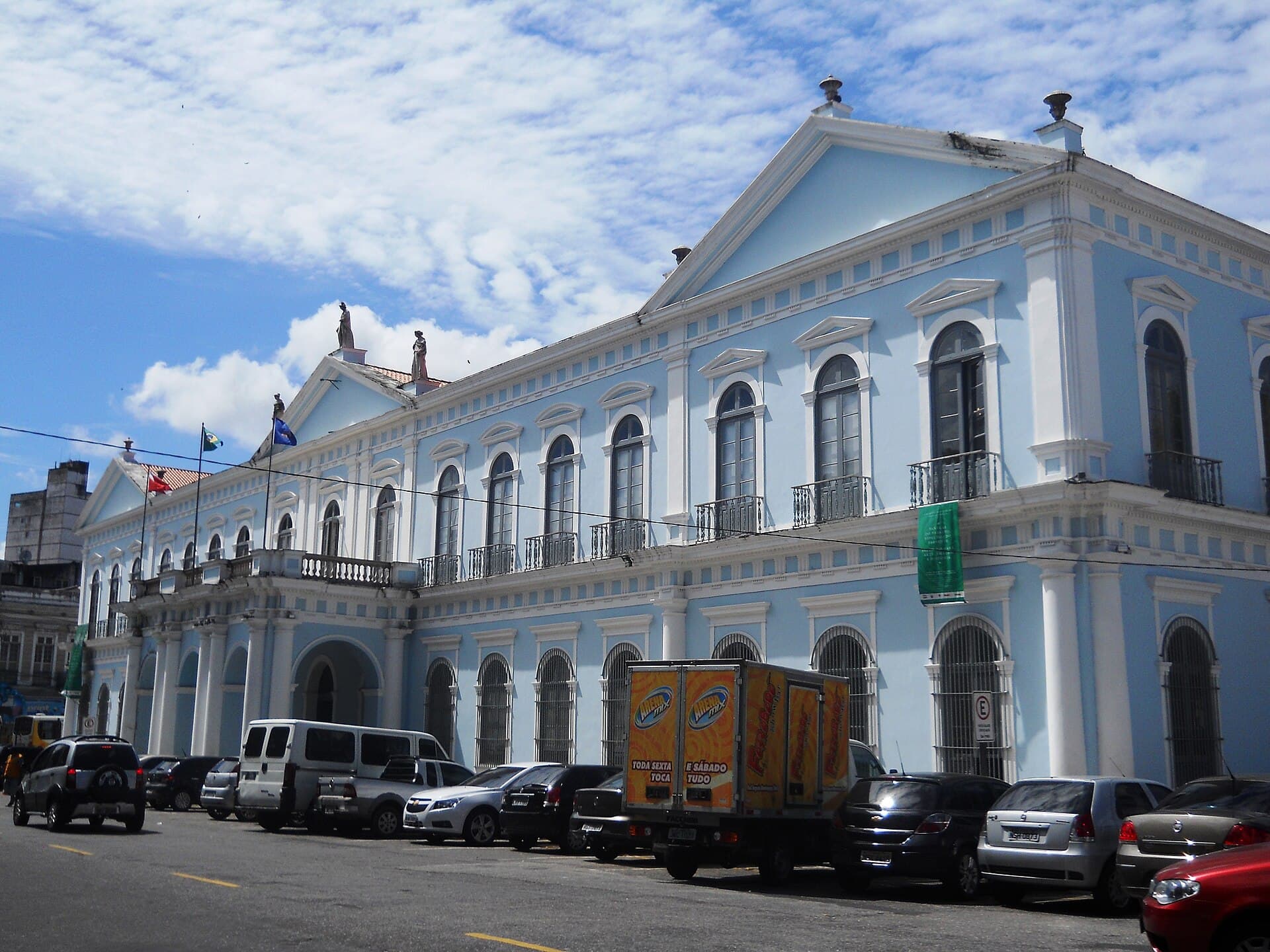 Palácio Antônio Lemos (Belém Art Museum)The Antônio Lemos Palace, first known as the «Blue Palace» for the colour of its18 minutes walk4.8
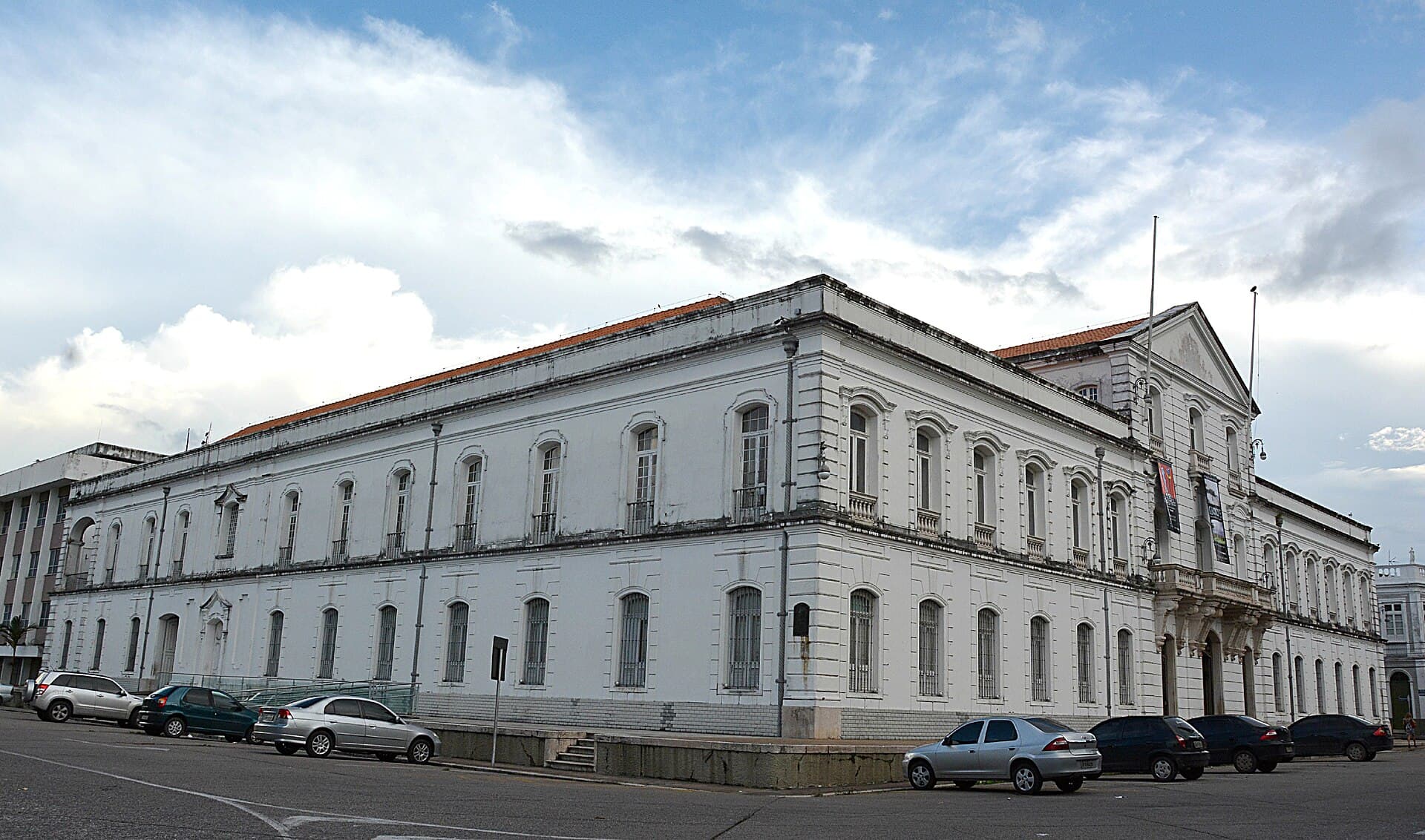 Palácio Lauro Sodré (Pará State Museum)The Lauro Sodré Palace, also known as the Government Palace, is a public buildin19 minutes walk4.5
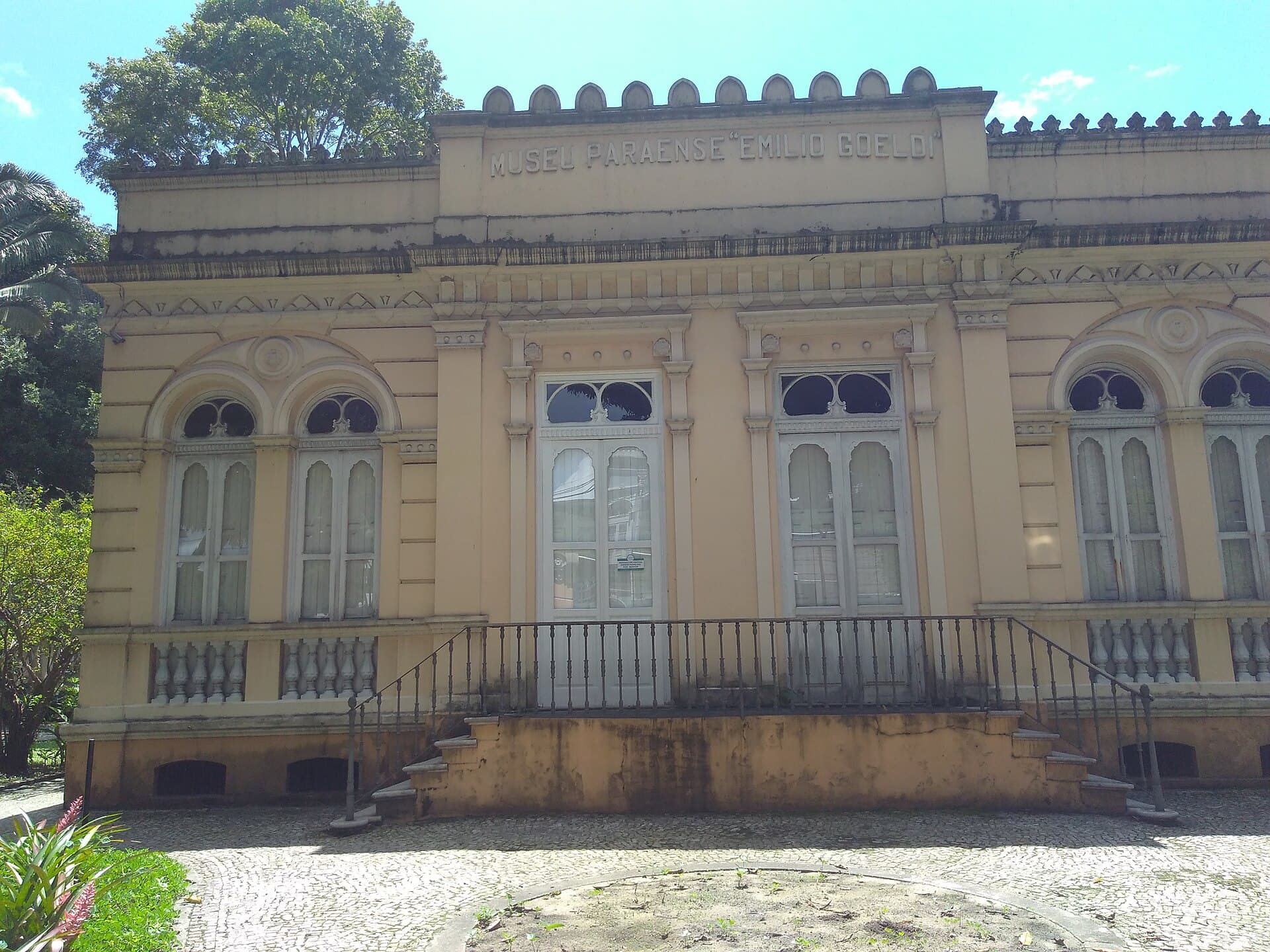 Museu Paraense Emílio GoeldiThe Museu Paraense Emílio Goeldi, founded in 1866 and named after the Swiss natu20 minutes walk4.7
Designs inspired by Marajó island pottery, used in the square's path mosaics.