
Three Races monument
Bronze and granite.
Emerson Júnior Gonçalves da Silva Figueiredo — CC BY 2.0 · Larissa Cavalcante Almeida — CC0 · Thais GO — CC BY-SA 4.0 · Thais GO — CC BY-SA 4.0 · Thais GO — CC BY-SA 4.0 · Adelano Lázaro — Public domain
The Civic Square, officially Praça Doutor Pedro Ludovico Teixeira, was the starting point for building Goiânia, the planned capital of Goiás state laid out in the 1930s, and the first square built there, in 1933. Around it stand the city's first key buildings in the Art Deco style Goiânia is known for: the Palácio das Esmeraldas, the governor's official residence since 1933, the Palácio Pedro Ludovico, the old administrative centre, and the Zoroastro Artiaga Museum. At the centre of the square stands the «Monument to the Three Races», a bronze and granite sculpture by Neusa Morais from 1968, seven metres tall, honouring the European, African and Indigenous mix that formed the people of Goiás, with the city's coat of arms set into its granite shaft. The square hosts Goiânia's anniversary celebrations every 24 October with big concerts, and renovation works are under way in 2026. It makes the starting point for an Art Deco tour of downtown; visit by day.
Bronze and granite.
Governor's seat.
The city's start.
Praça Doutor Pedro Ludovico Teixeira, central Goiânia
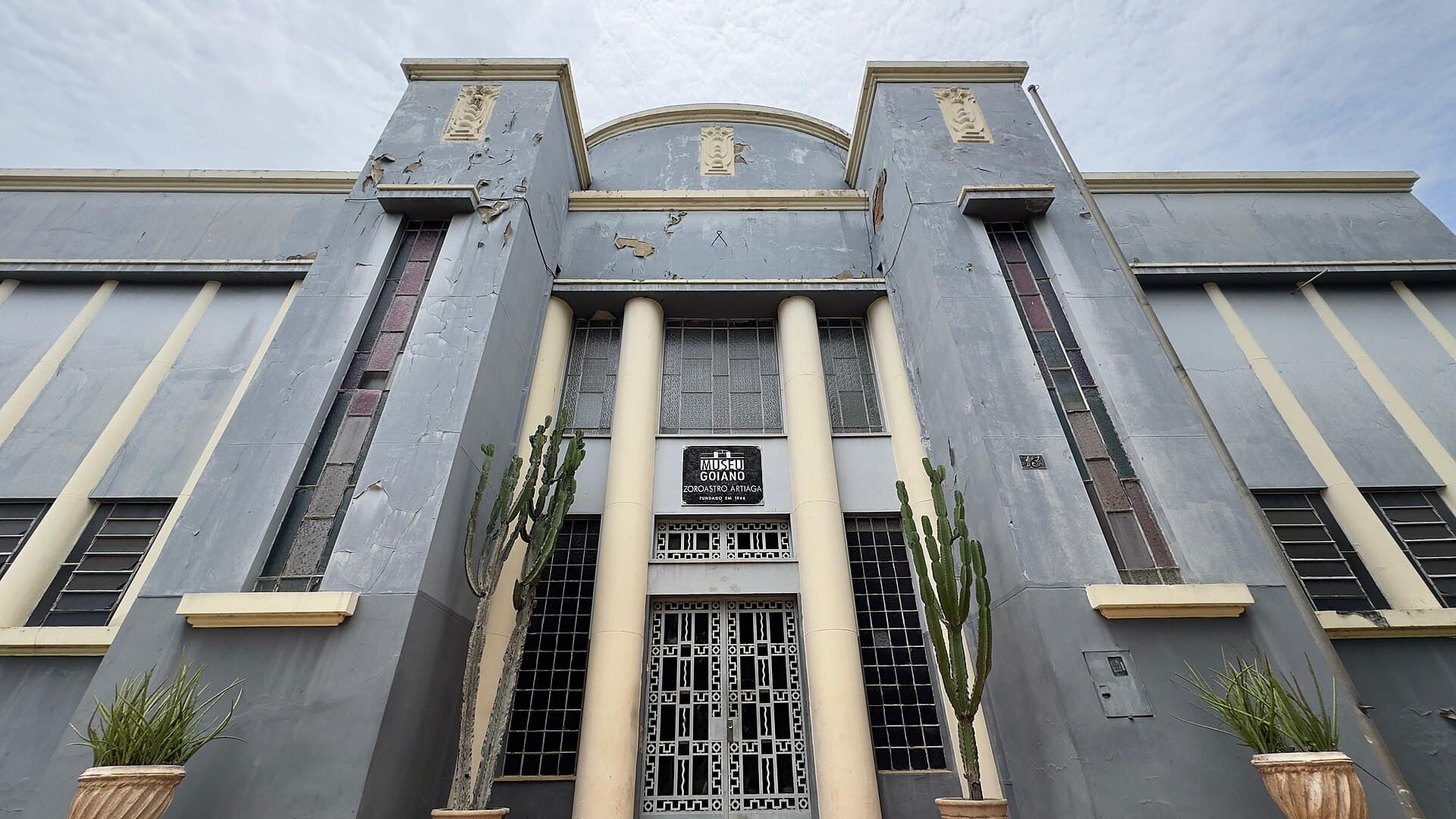 Museu Zoroastro ArtiagaThe Professor Zoroastro Artiaga Goiás Museum is a public institution in Goiânia,2 minutes walk4.6
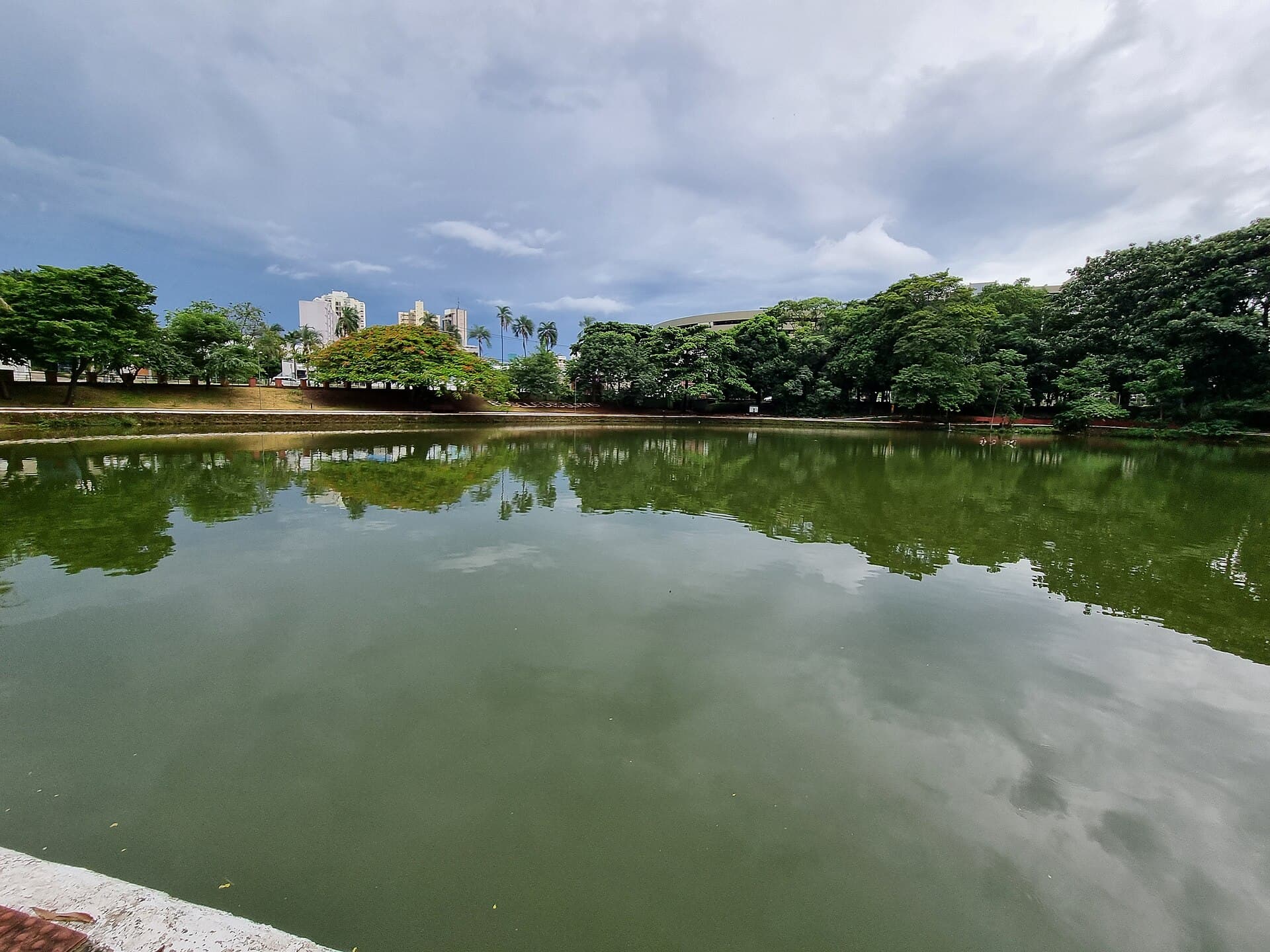 Bosque dos BuritisThe Bosque dos Buritis, in Goiânia's Setor Oeste, is the city's oldest park and 7 minutes walk4.5
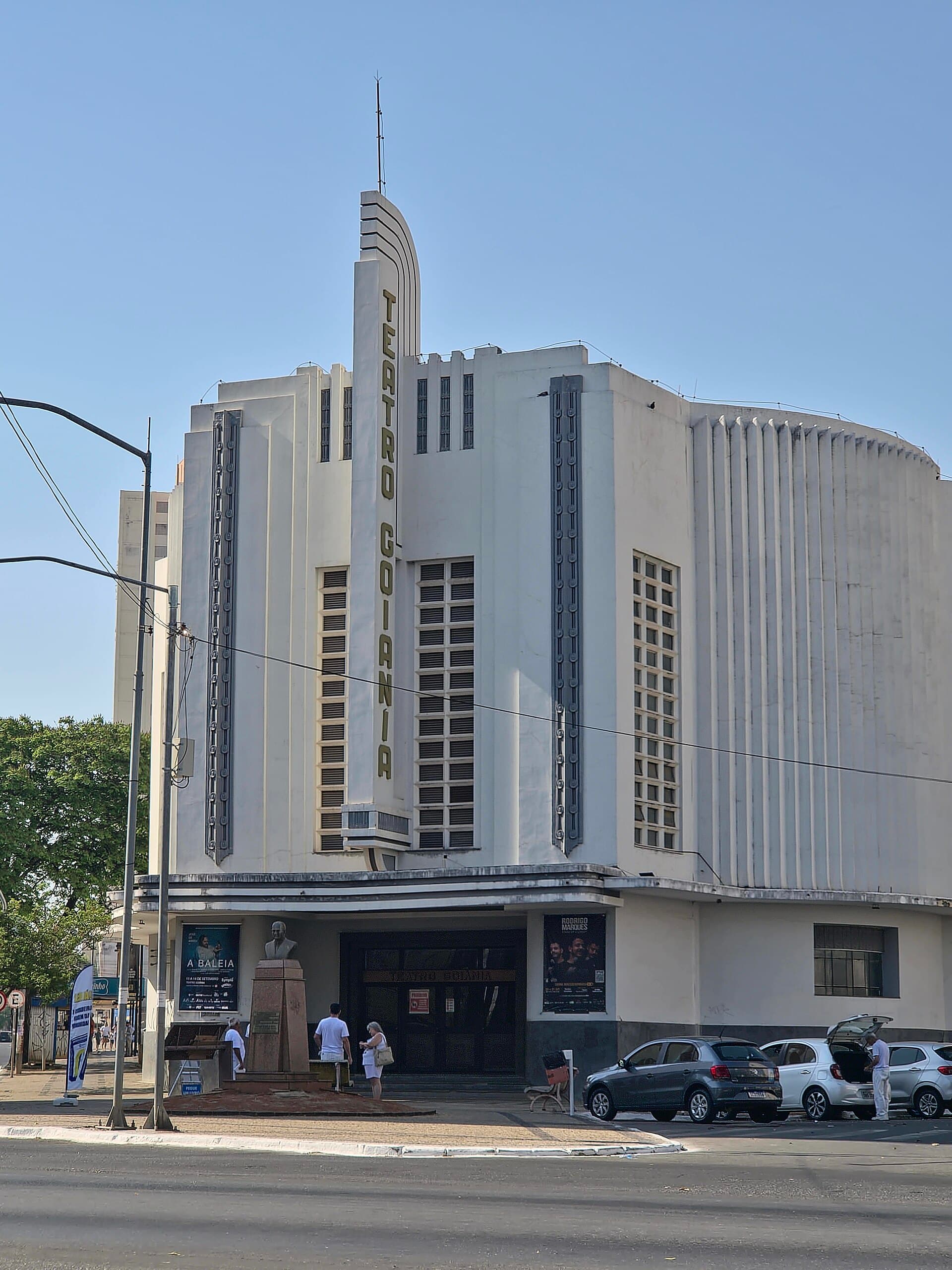 Teatro GoiâniaTeatro Goiânia, opened on 14 July 1942, is the most traditional cultural venue i9 minutes walk4.7
 Goiânia ZooGoiânia Zoo is a public zoo run by the city, holding more than 450 birds, mammal21 minutes walk4.1
A 1968 bronze and granite sculpture honouring the European, African and Indigenous mix of the people of Goiás.