
The crematorium of 1907
A ceremonial hall and columbarium in full Art Nouveau.
qwesy qwesy — CC BY 3.0 · Zinnmann — CC BY-SA 3.0 de · Harvey Kneeslapper — CC BY-SA 4.0 · Banditon — CC BY-SA 4.0
Opened in 1873 on the Prag hill north of central Stuttgart, this is the city's third largest cemetery at twenty-one hectares. It was laid out on two crossing axes and planted to be as much a park as a burial ground, and it is now a protected cultural monument and one of the more important green spaces in the city. The building that draws visitors is the crematorium of 1907 by Wilhelm Scholter, one of the earliest in Germany and built in full Jugendstil, with a ceremonial hall and a columbarium for urns. Beside the main axis stands the Russian Orthodox church of Saint Alexander Nevsky. Among the graves are those of Count Ferdinand von Zeppelin, the airship pioneer, the poet Eduard Moerike, the painter Willi Baumeister and the singer Claire Waldoff. Visiting is free and the gates are open in daylight hours, but remember that this is still a working cemetery and funerals take place while you wander. Twenty-one hectares is a large area, so take a plan from the entrance or you will lose an hour hunting for the Zeppelin grave alone. Autumn is its finest season because of the trees. Quiet dress and respectful behaviour are expected here: this is not a sightseeing park.
A ceremonial hall and columbarium in full Art Nouveau.
A Russian Orthodox church on the main axis.
Friedhofstrasse 44, 70191 Stuttgart
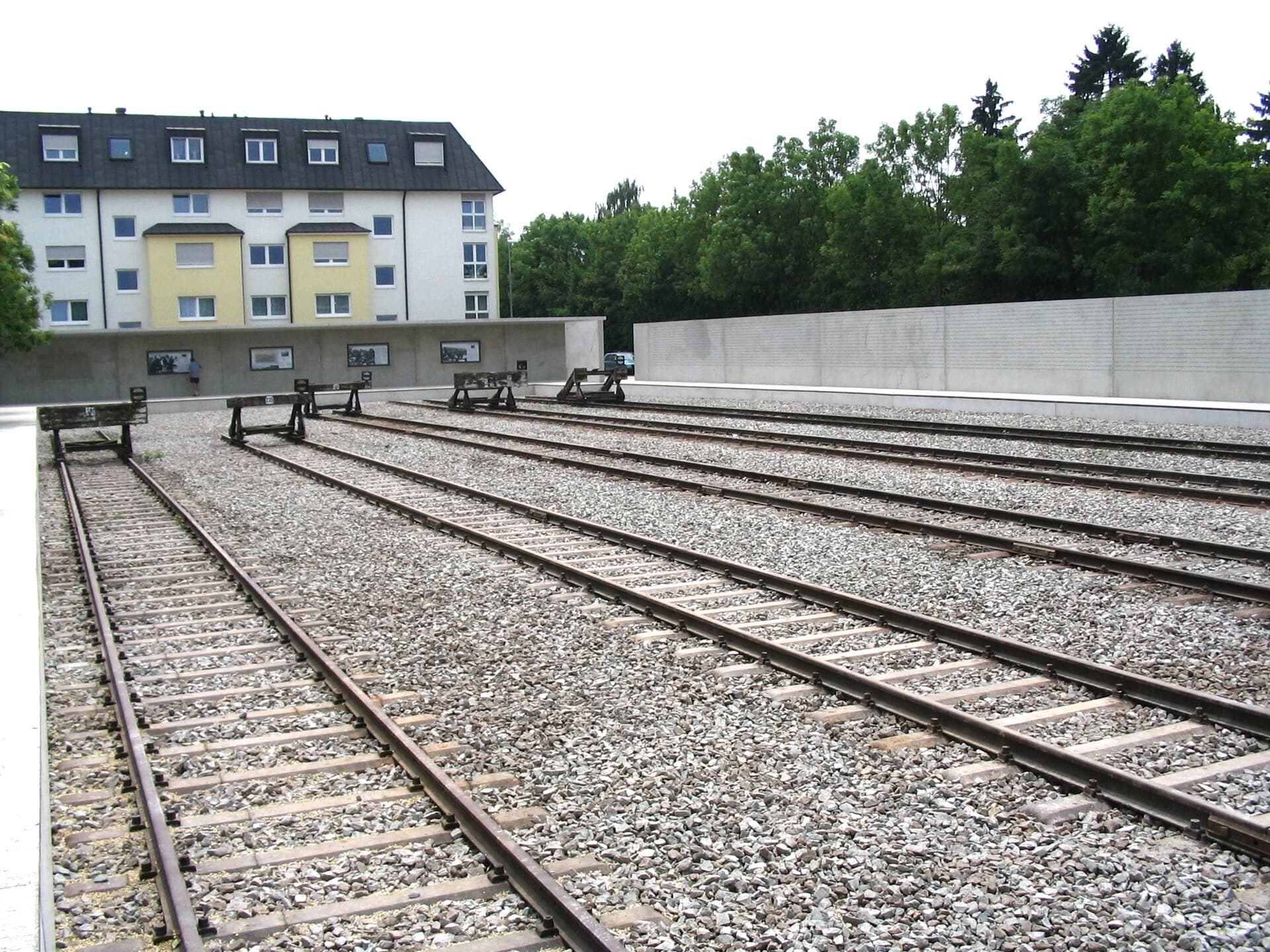 Nordbahnhof Deportation MemorialThis memorial stands on the ground of Stuttgart's Nordbahnhof, a freight station4 minutes walk4.4
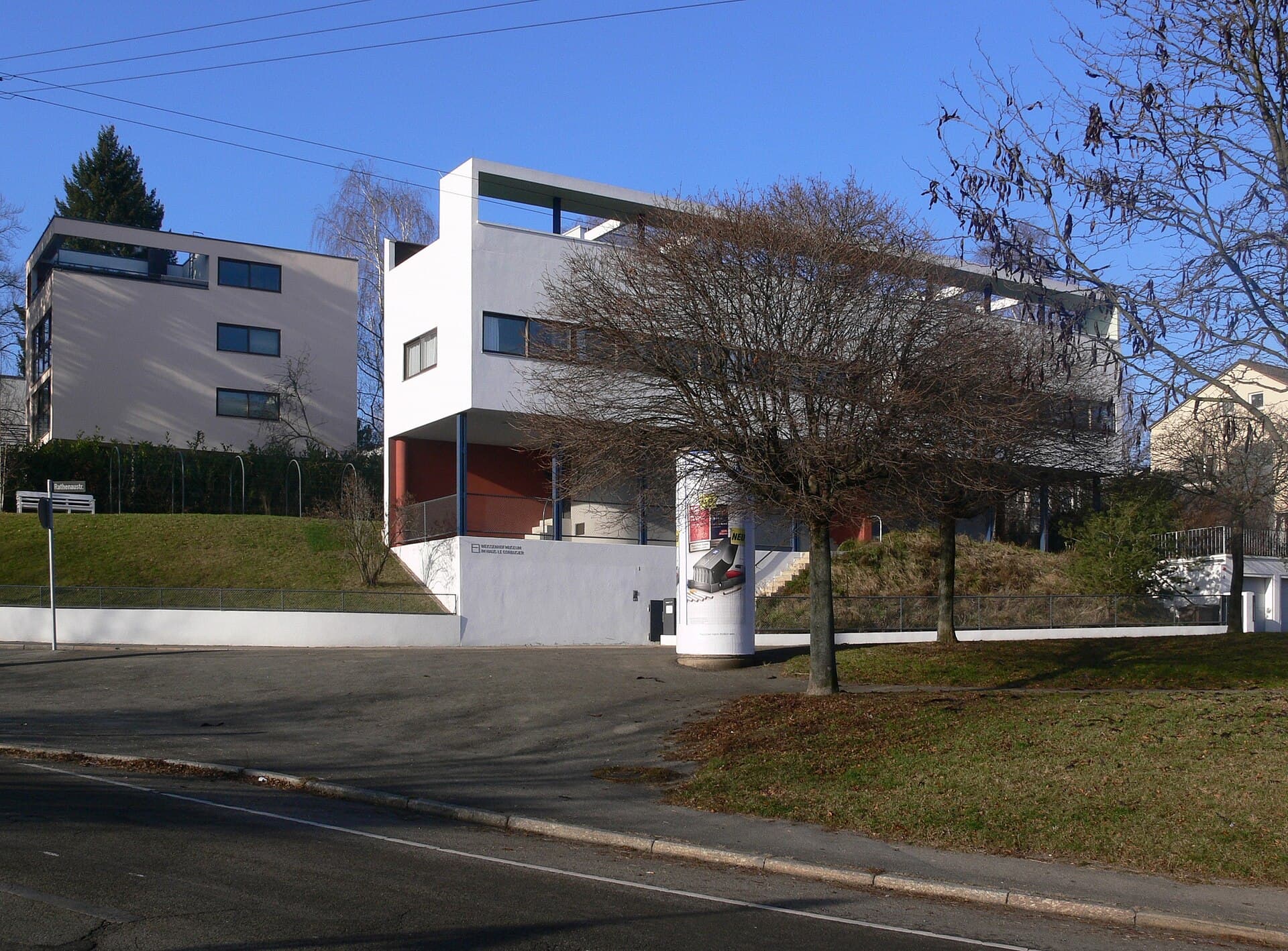 Weissenhof MuseumThe Weissenhof Museum is housed in a building designed by the Franco-Swiss archi9 minutes walk4.7
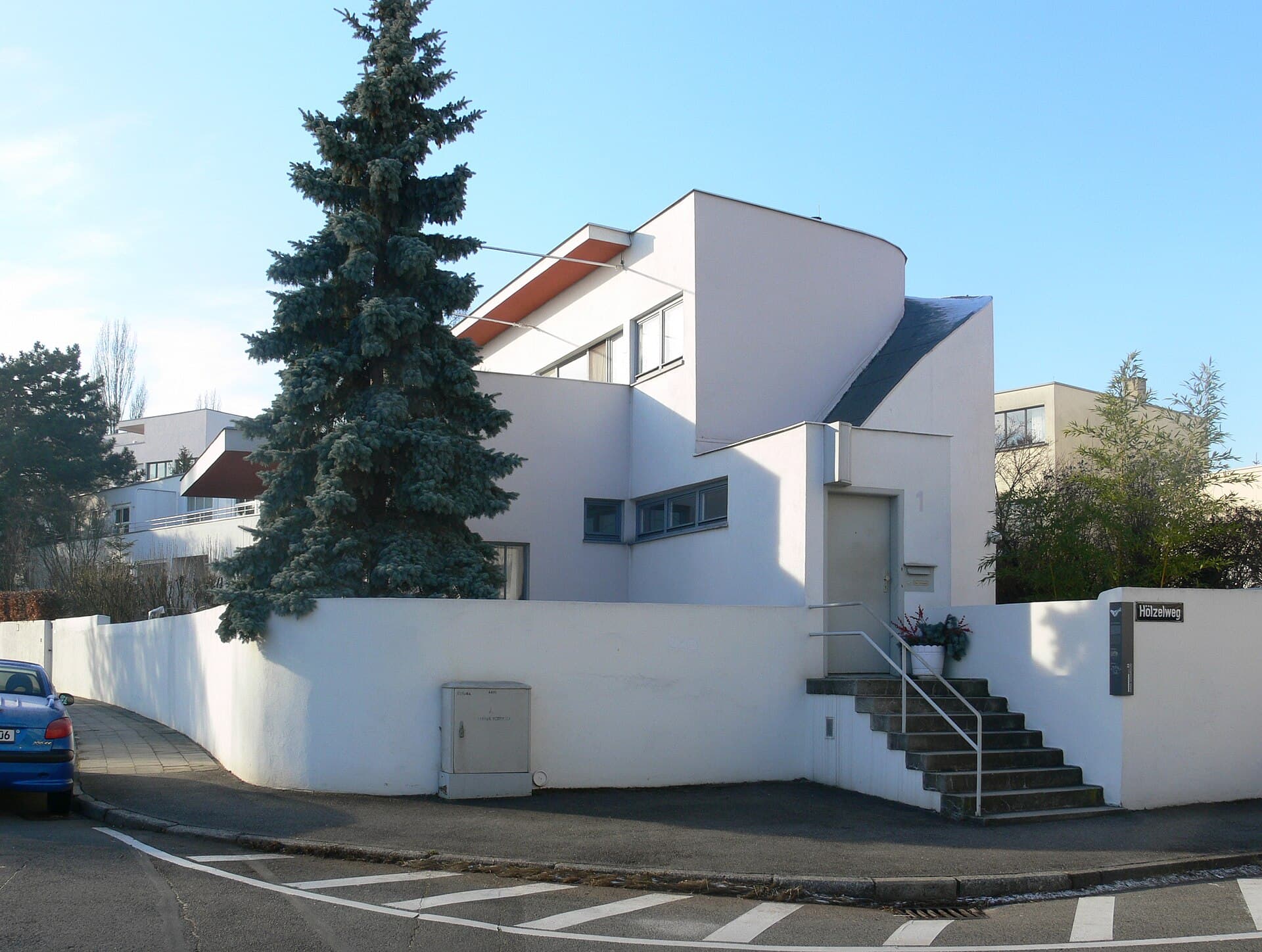 The Weissenhof EstateThe Weissenhof is not a single building but a complete architectural experiment 10 minutes walk4.4
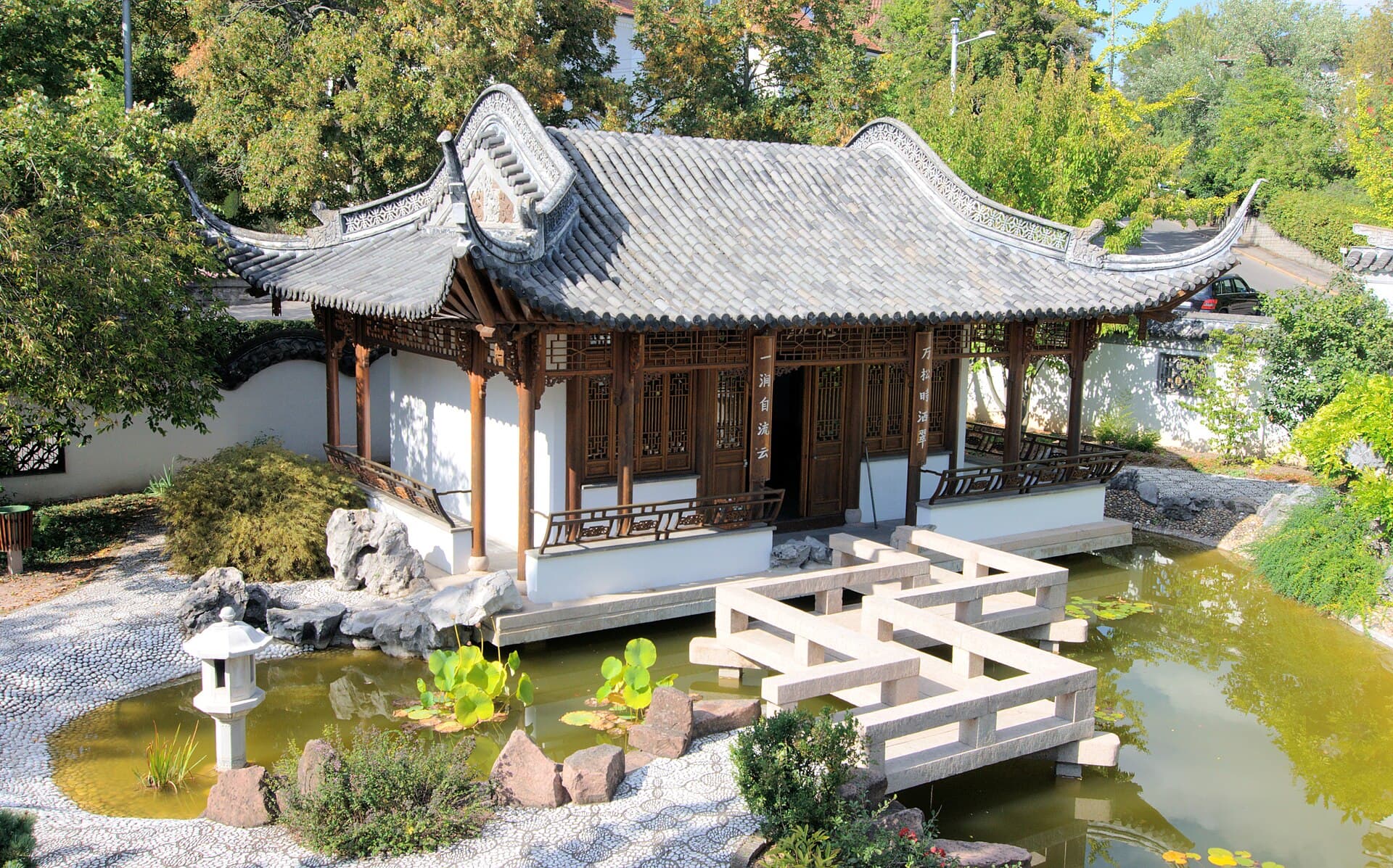 Chinese Garden StuttgartA small Chinese garden on a terrace of the slope between central Stuttgart and t15 minutes walk4.1
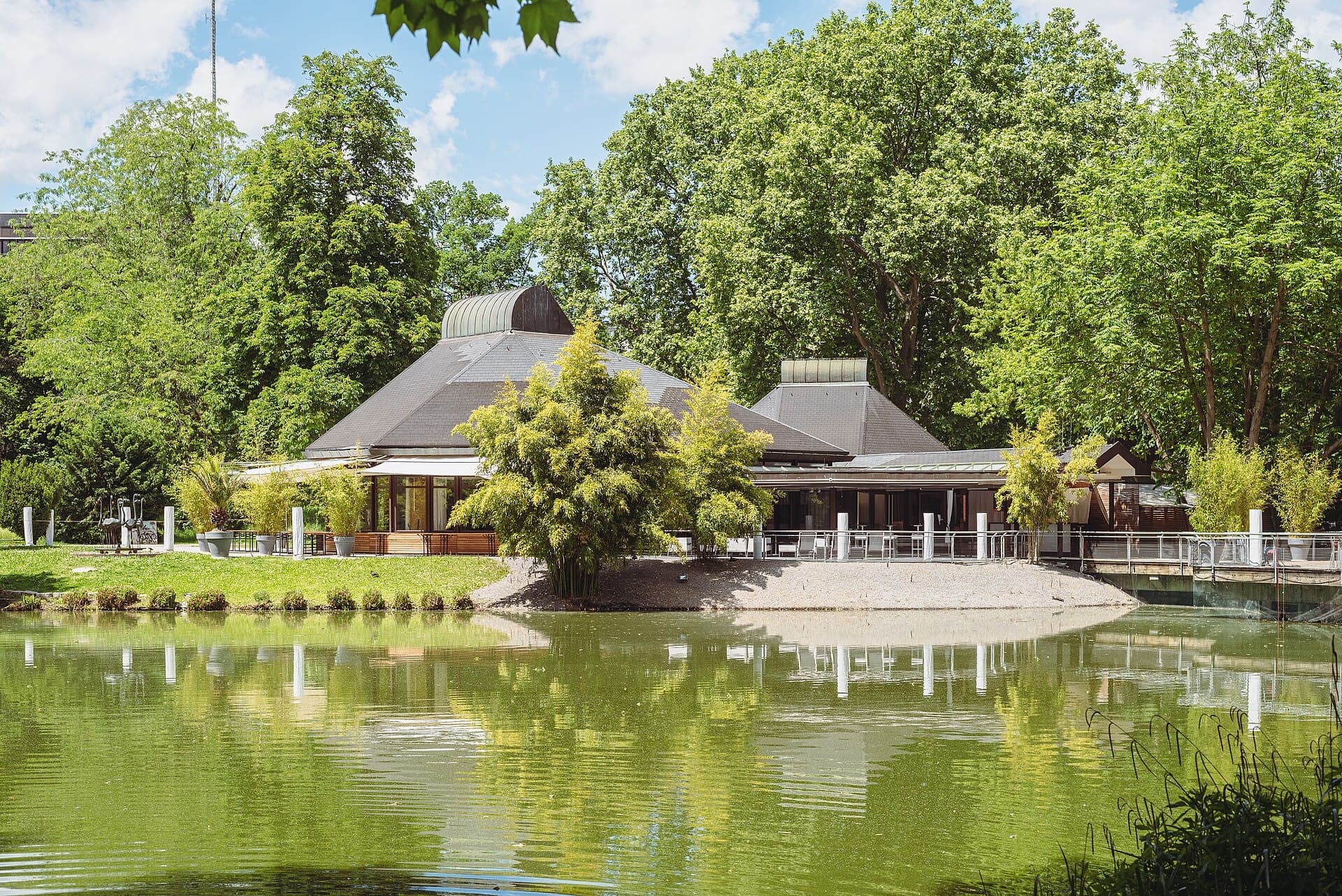 The Lower Palace GardensStuttgart's Schlossgarten is a long green ribbon running from the city centre to16 minutes walk4.4
Hoppenlau is smaller, older and more central, and it holds the first Jewish burial ground in the region. Pragfriedhof is larger, greener, and has the Jugendstil crematorium and Zeppelin's grave. If architecture interests you choose Pragfriedhof; if the history of the old city, choose Hoppenlau.