
The Le Corbusier house
A museum showing the original furnishing.
Photo: Andreas Praefcke — CC BY 3.0 · Ludvig14 — CC BY-SA 4.0 · Dr. Otto Lossen & Co. — Public domain · Dr. Otto Lossen & Co. — Public domain
The Weissenhof is not a single building but a complete architectural experiment carried out in 1927: the city of Stuttgart invited seventeen of Europe's foremost modernist architects to build model housing on one hillside, each with total freedom, to demonstrate how modern people ought to live. Mies van der Rohe, Le Corbusier, Walter Gropius, Hans Scharoun and others took part. The result was a visual shock at the time: white flat-roofed houses with horizontal ribbon windows, without ornament or gables, in a country where domestic architecture meant pitched roofs and stone. The project was fiercely attacked and nicknamed the Arab village in derision, and the Nazi regime later classified it as degenerate and planned its demolition. Today the estate is taught as one of the twentieth century's most significant architectural moments, and its two Le Corbusier houses were inscribed on the World Heritage list in 2016 within a nomination covering his work across seven countries. One of the two is a museum you can enter, showing how it was originally furnished; the rest are private homes seen only from outside.
A museum showing the original furnishing.
A visual shock in 1920s Germany.
Rathenaustrasse 1-3, 70191 Stuttgart
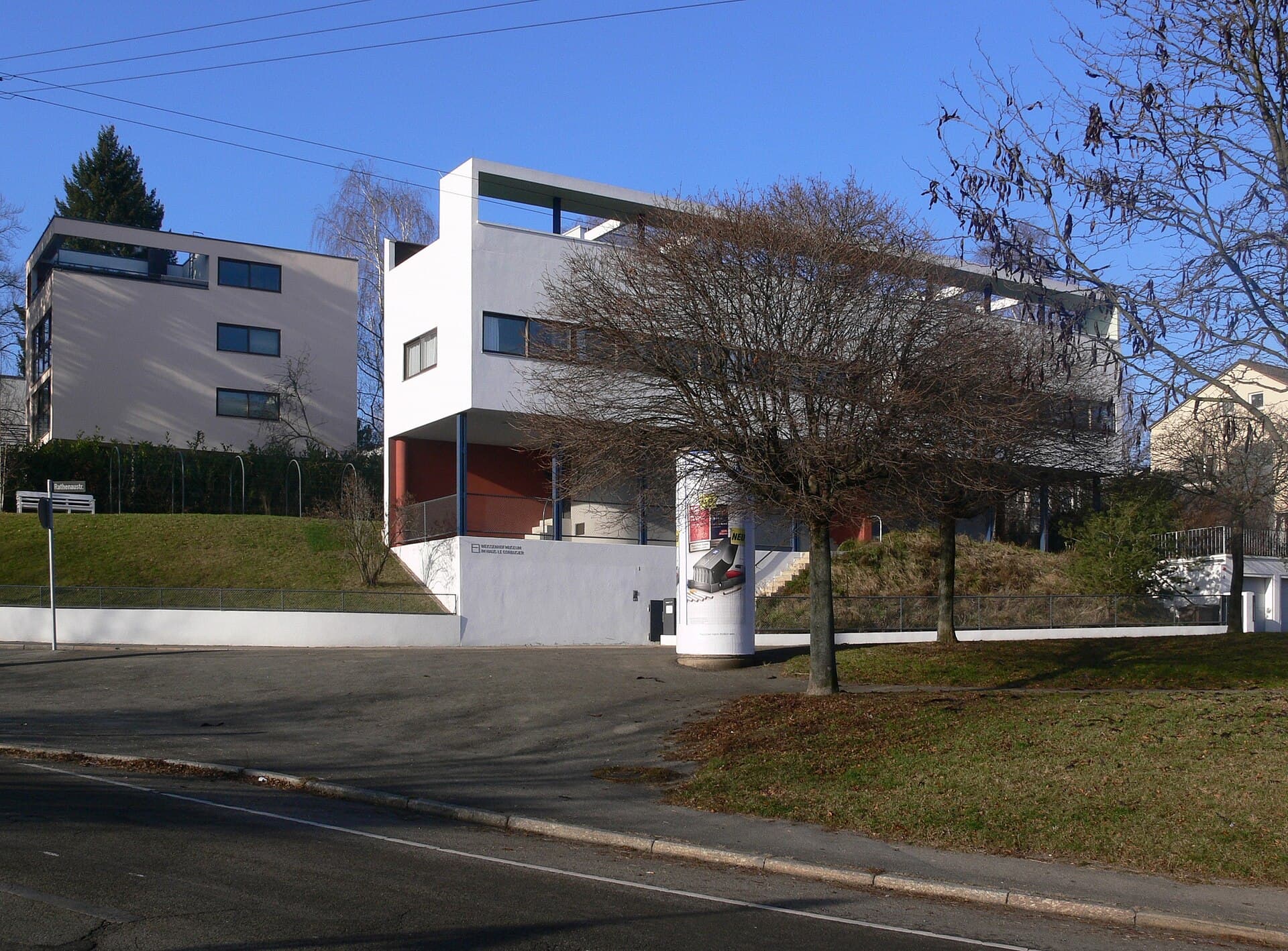 Weissenhof MuseumThe Weissenhof Museum is housed in a building designed by the Franco-Swiss archi1 minute walk4.7
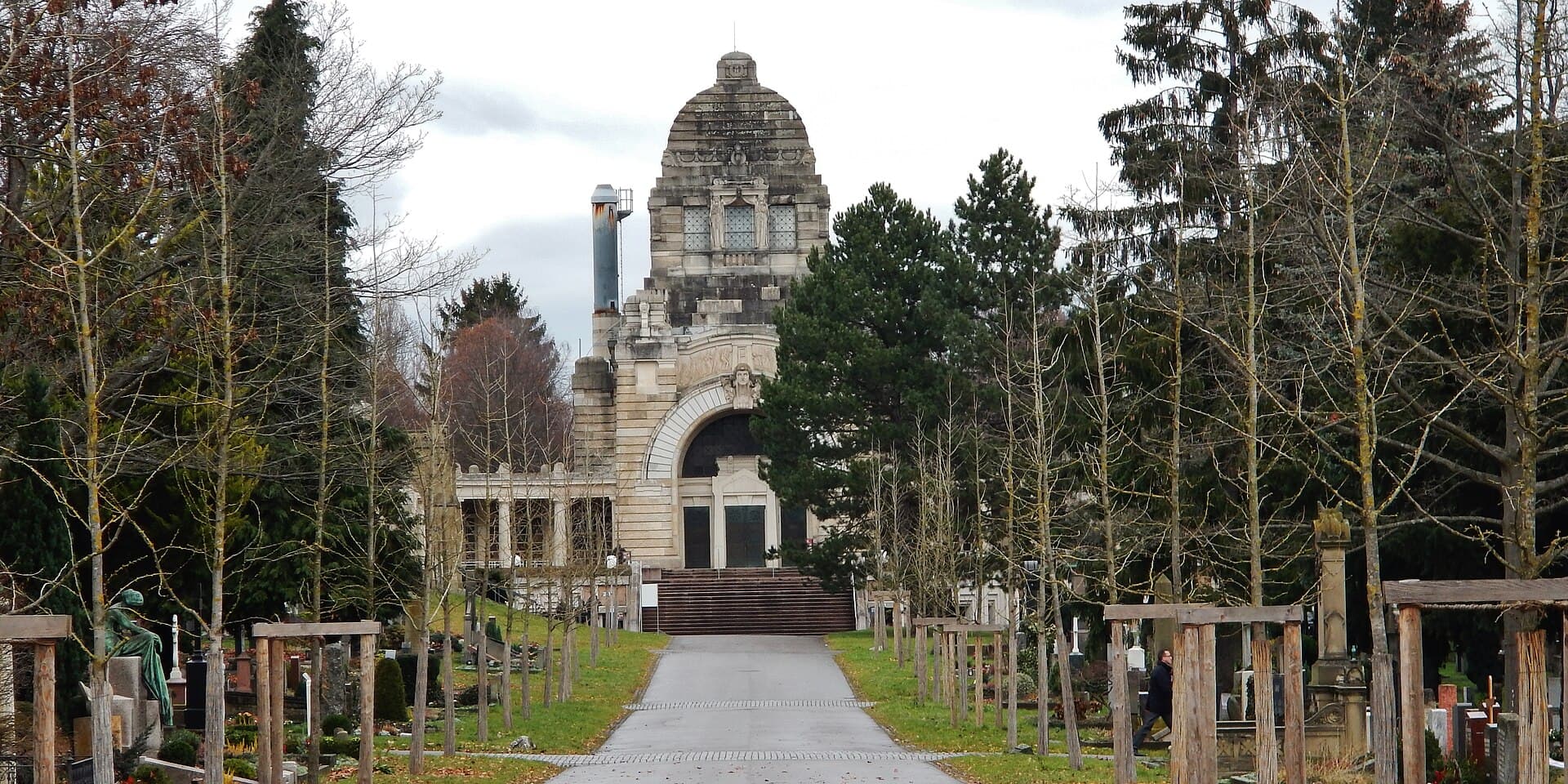 PragfriedhofOpened in 1873 on the Prag hill north of central Stuttgart, this is the city's t10 minutes walk4.5
 Killesberg ParkKillesberg Park is a large park in northern Stuttgart, laid out in 1939 for a ho11 minutes walk4.8
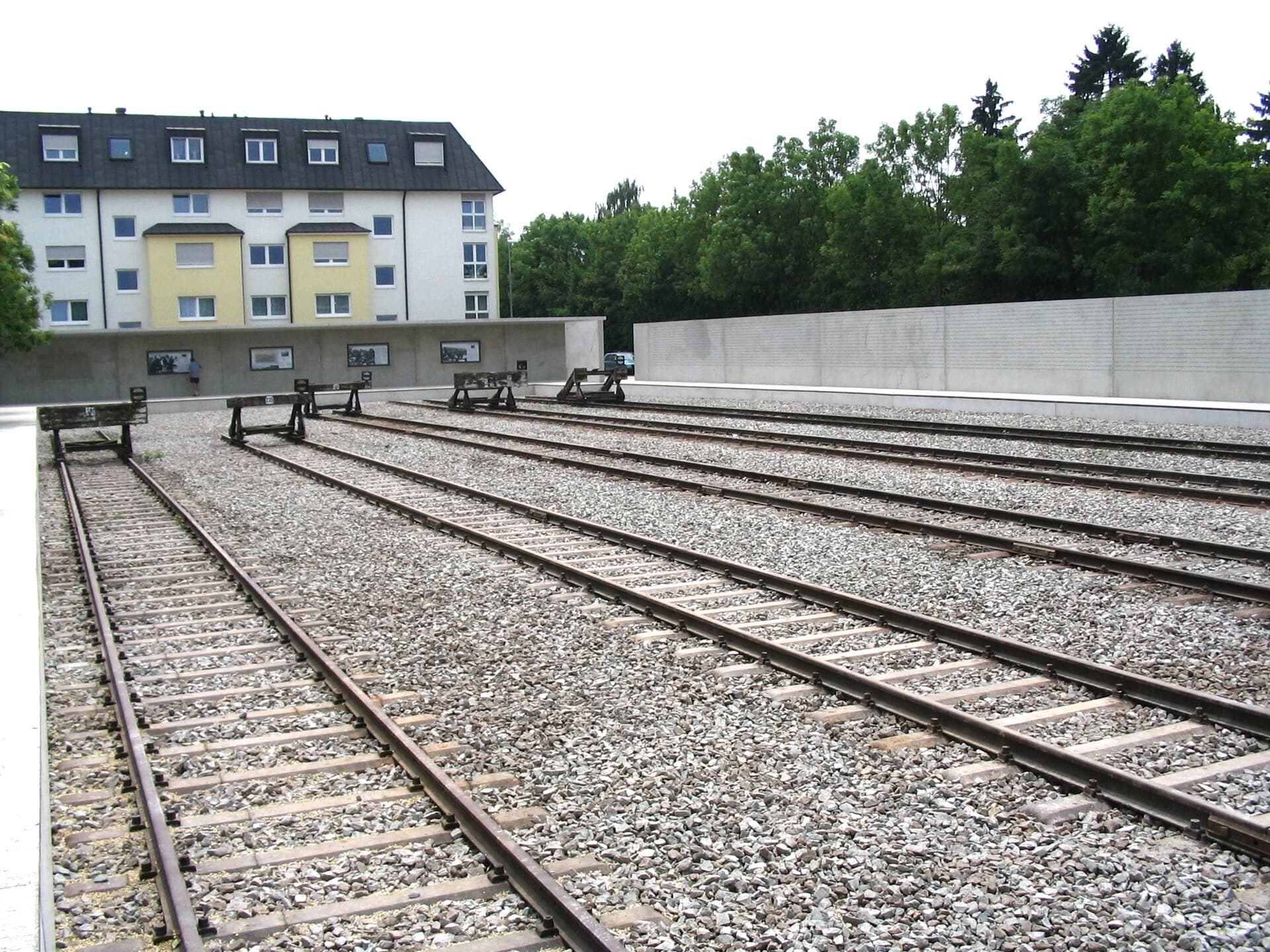 Nordbahnhof Deportation MemorialThis memorial stands on the ground of Stuttgart's Nordbahnhof, a freight station12 minutes walk4.4
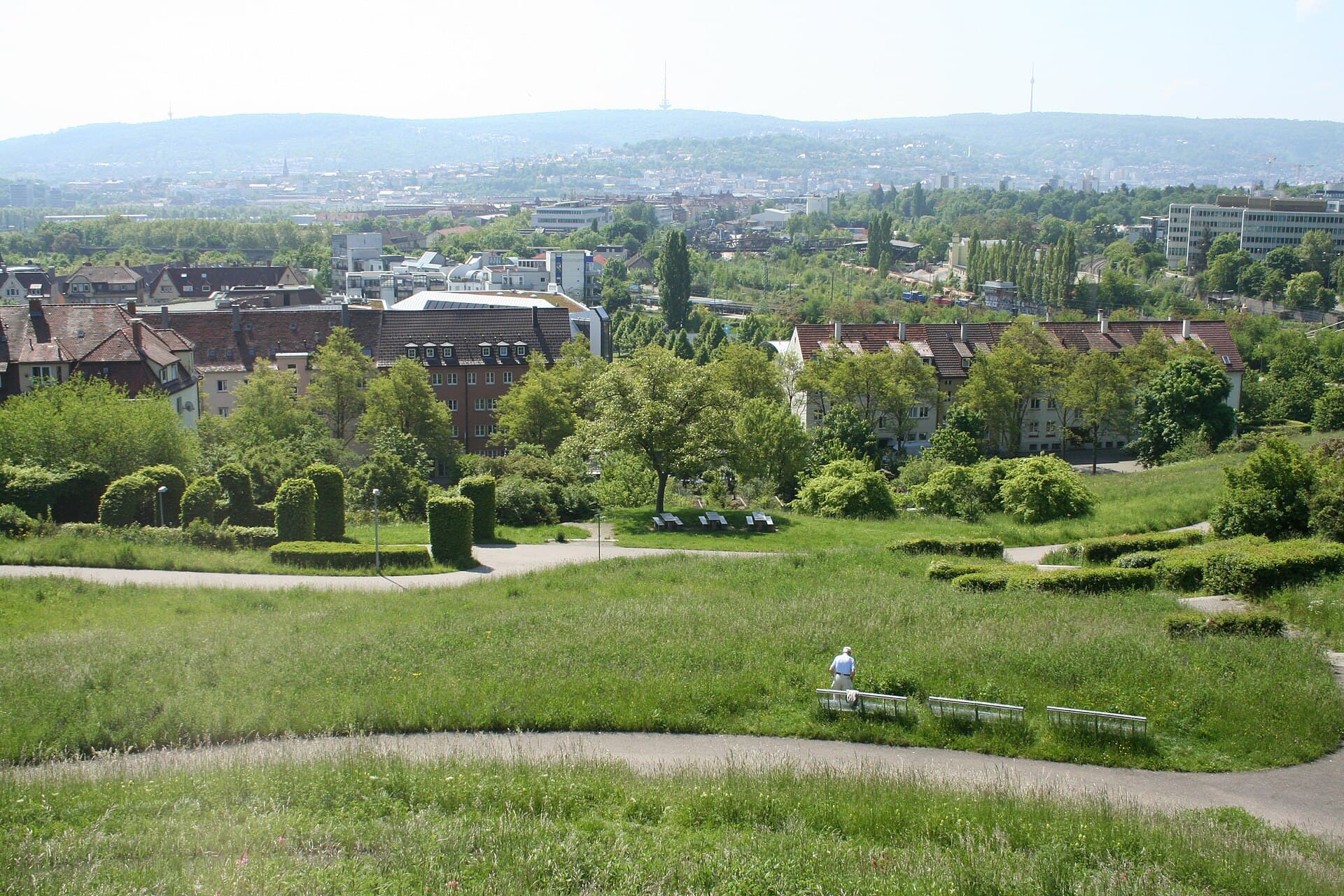 Leibfriedscher GartenThe Leibfriedscher Garten is a public park in northern Stuttgart, one link in a 12 minutes walk4.7
Because the flat roofs, white walls and cubic massing reminded its critics of North African and Middle Eastern architecture, in a nationalist context that located genuinely German building in pitched roofs and timber. The image was used in illustrated propaganda against the estate, and the Nazi regime later adopted it as part of its wider attack on modernism.