
The reach to the water
Paths ending directly at the Neckar bank.
Flocci Nivis — CC BY 4.0 · This image is a work by Wikipedia and Wikimedia Commons user C.Suthorn. When reusing, credit me as described in the Licensing information below. I would appreciate being notified (wikimail, talk page, — CC BY-SA 4.0 · This image is a work by Wikipedia and Wikimedia Commons user C.Suthorn. When reusing, credit me as described in the Licensing information below. I would appreciate being notified (wikimail, talk page, — CC BY-SA 4.0 · This image is a work by Wikipedia and Wikimedia Commons user C.Suthorn. When reusing, credit me as described in the Licensing information below. I would appreciate being notified (wikimail, talk page, — CC BY-SA 4.0
Stuttgart's Schlossgarten is a long green ribbon running from the city centre to the river Neckar across close to four kilometres, divided into three sections: upper, middle and lower. The lower section is the longest and most natural — wide meadows, scattered trees and paths that end directly at the riverbank. The ribbon was created in the nineteenth century when the kings of Württemberg linked their palace gardens to their summer palace at Rosenstein by a continuous green corridor. The lower section in particular passes the Wilhelma — the botanical and zoological garden that is Stuttgart's most visited attraction. In practice this is Stuttgart's principal promenade: residents use it daily for running, cycling and walking, and you can go from the city centre to the river almost without crossing a road. The lower section is far quieter than the crowded upper part near the station, and its finest quality is that it runs all the way to the water.
Paths ending directly at the Neckar bank.
Far calmer than the upper part by the station.
Unterer Schlossgarten, 70376 Stuttgart
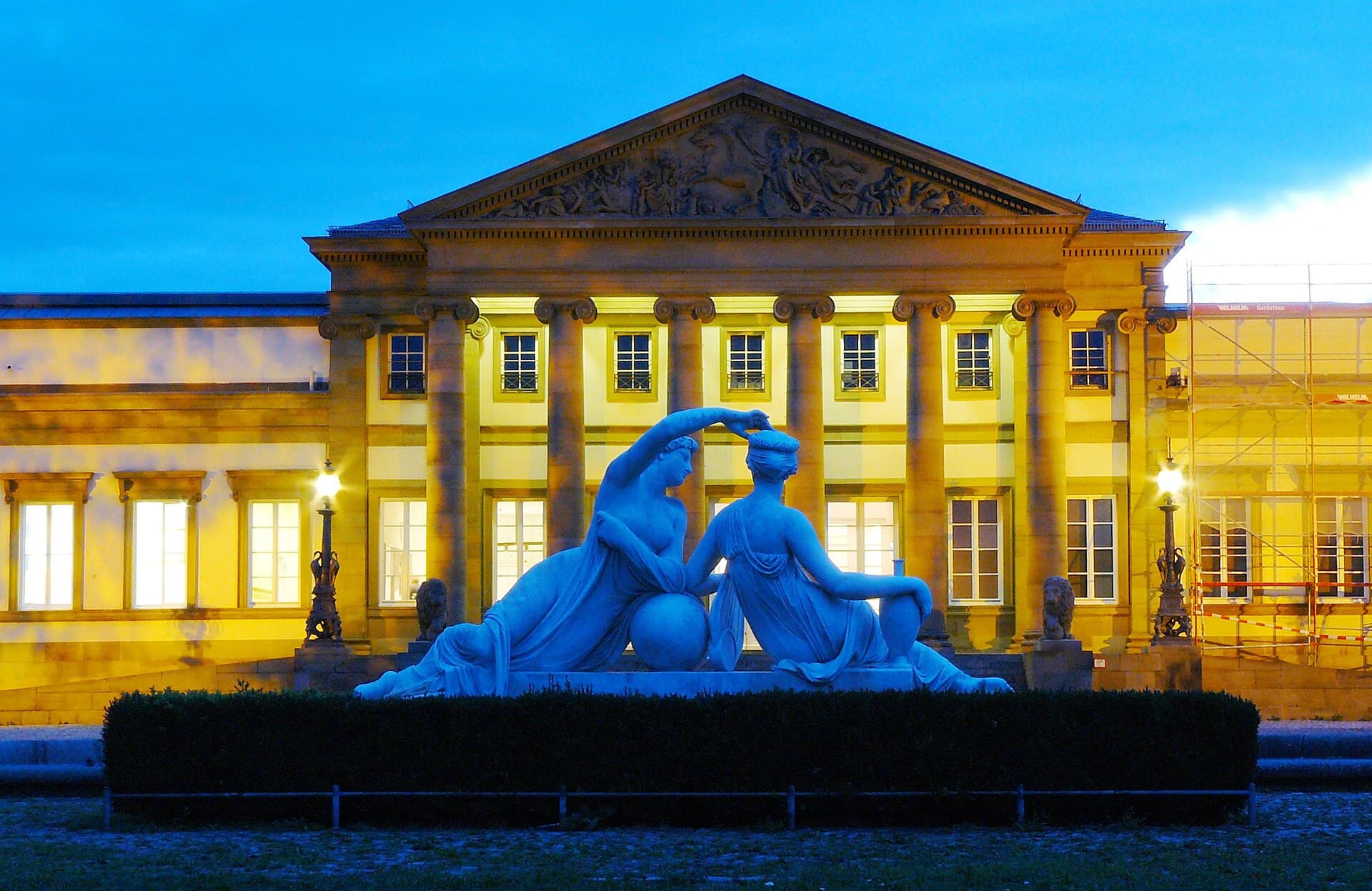 Rosenstein Castle Natural History MuseumRosenstein Castle is a nineteenth-century neoclassical building set in a large p6 minutes walk4.7
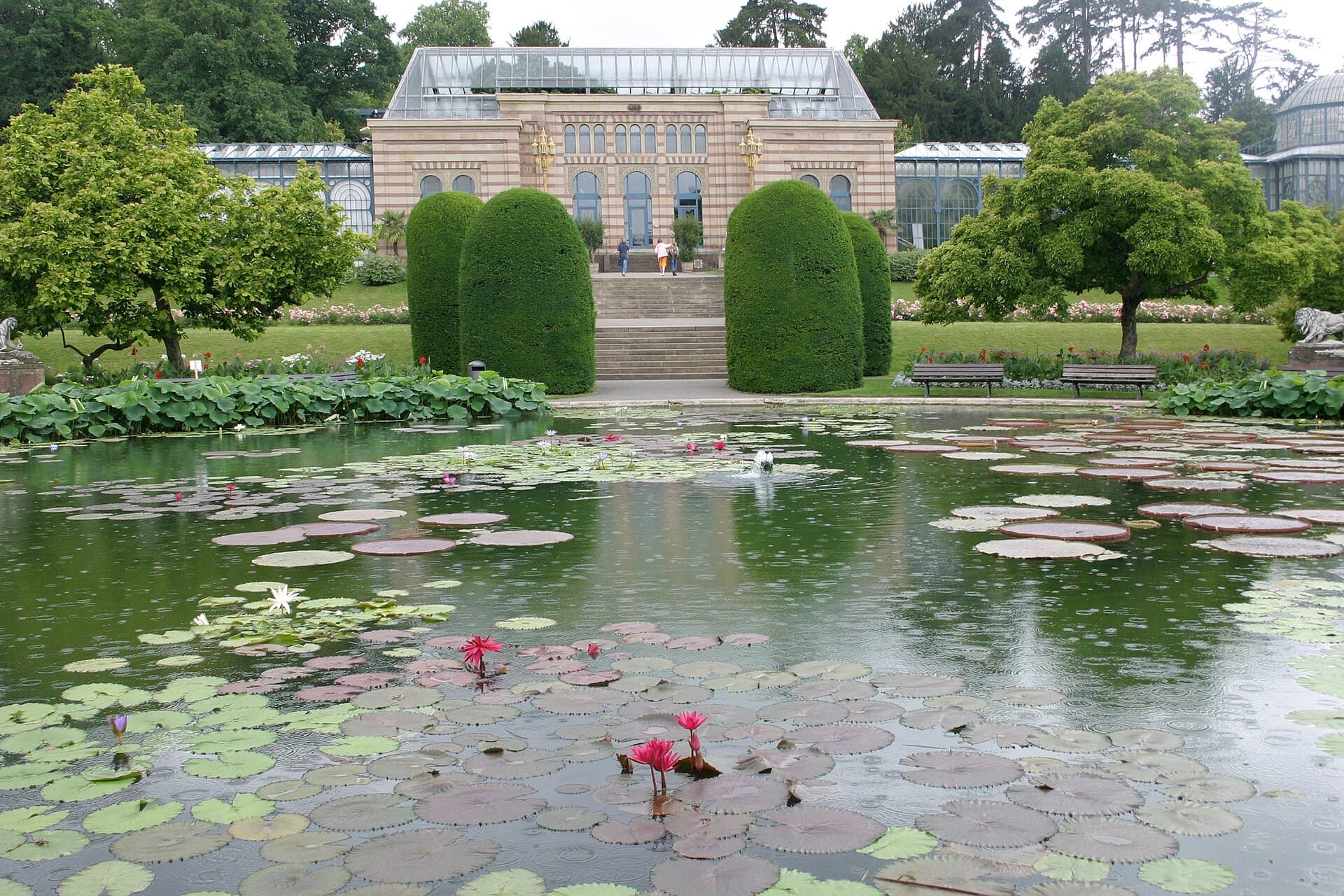 Wilhelma — Royal Zoological & Botanical GardenThe Wilhelma is a one-off: a combined zoo and botanical garden inside a royal pa12 minutes walk4.4
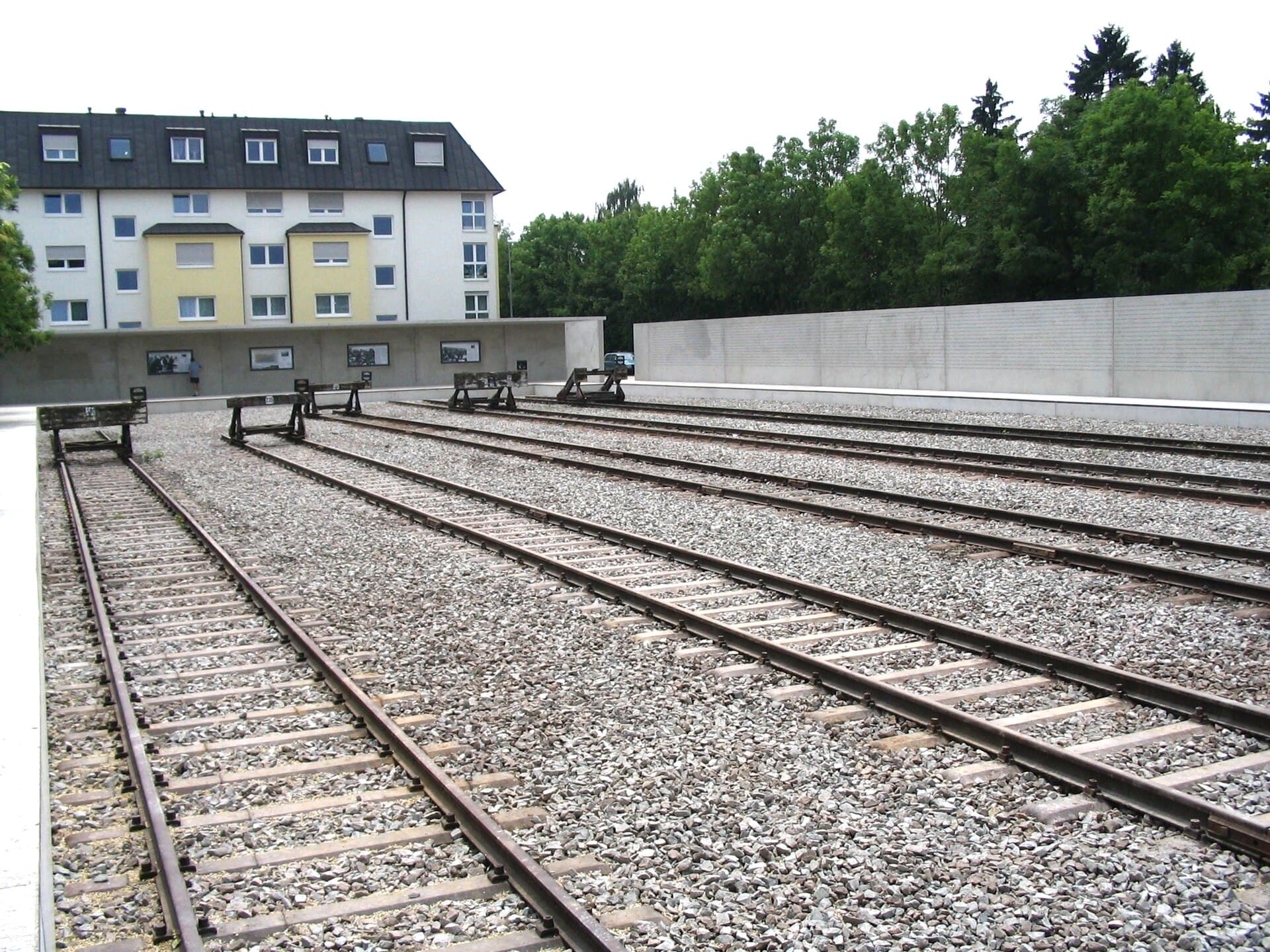 Nordbahnhof Deportation MemorialThis memorial stands on the ground of Stuttgart's Nordbahnhof, a freight station12 minutes walk4.4
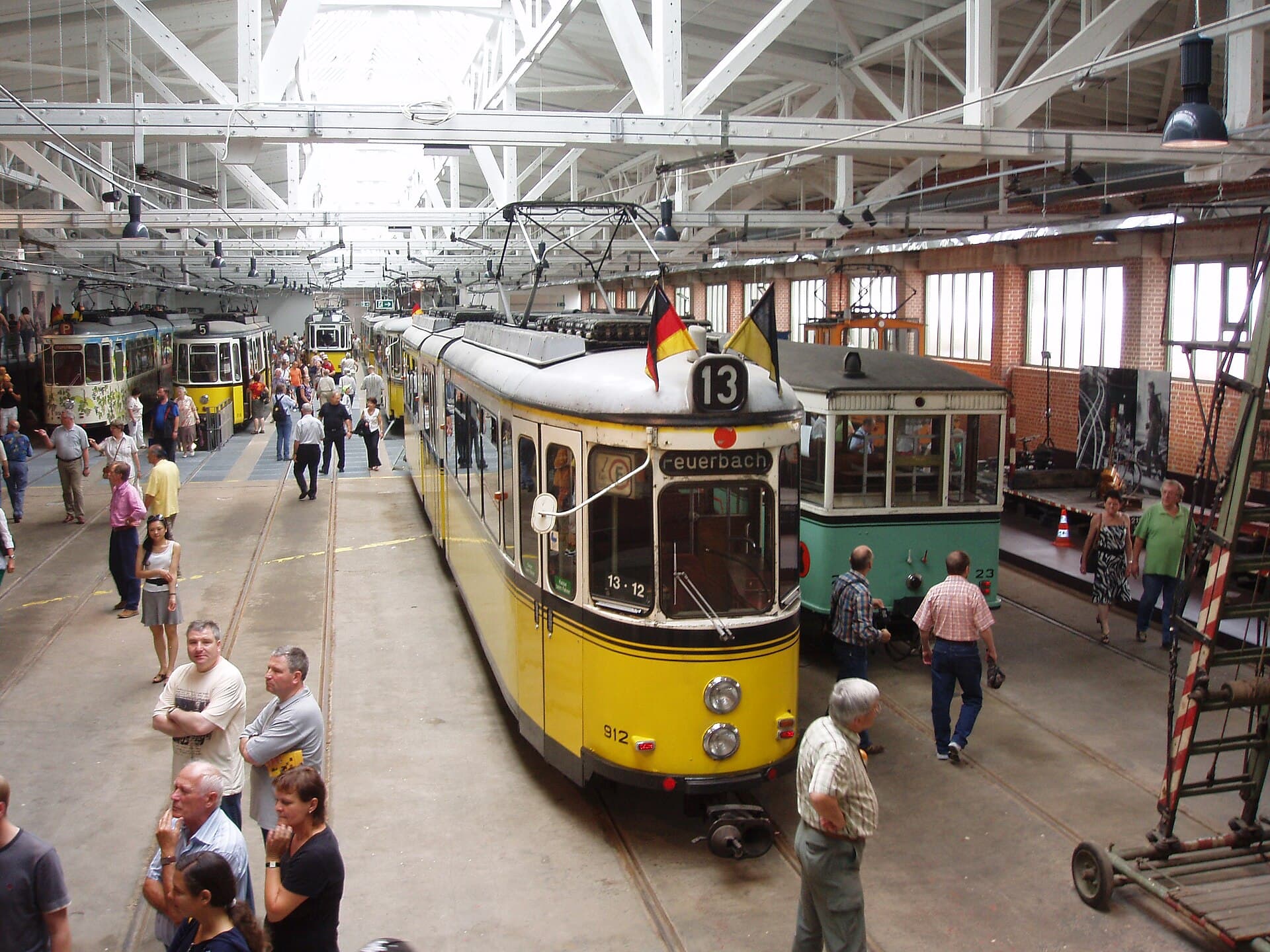 Stuttgart Tram WorldThe tram museum of the municipal transport company occupies the old Bad Cannstat14 minutes walk4.6
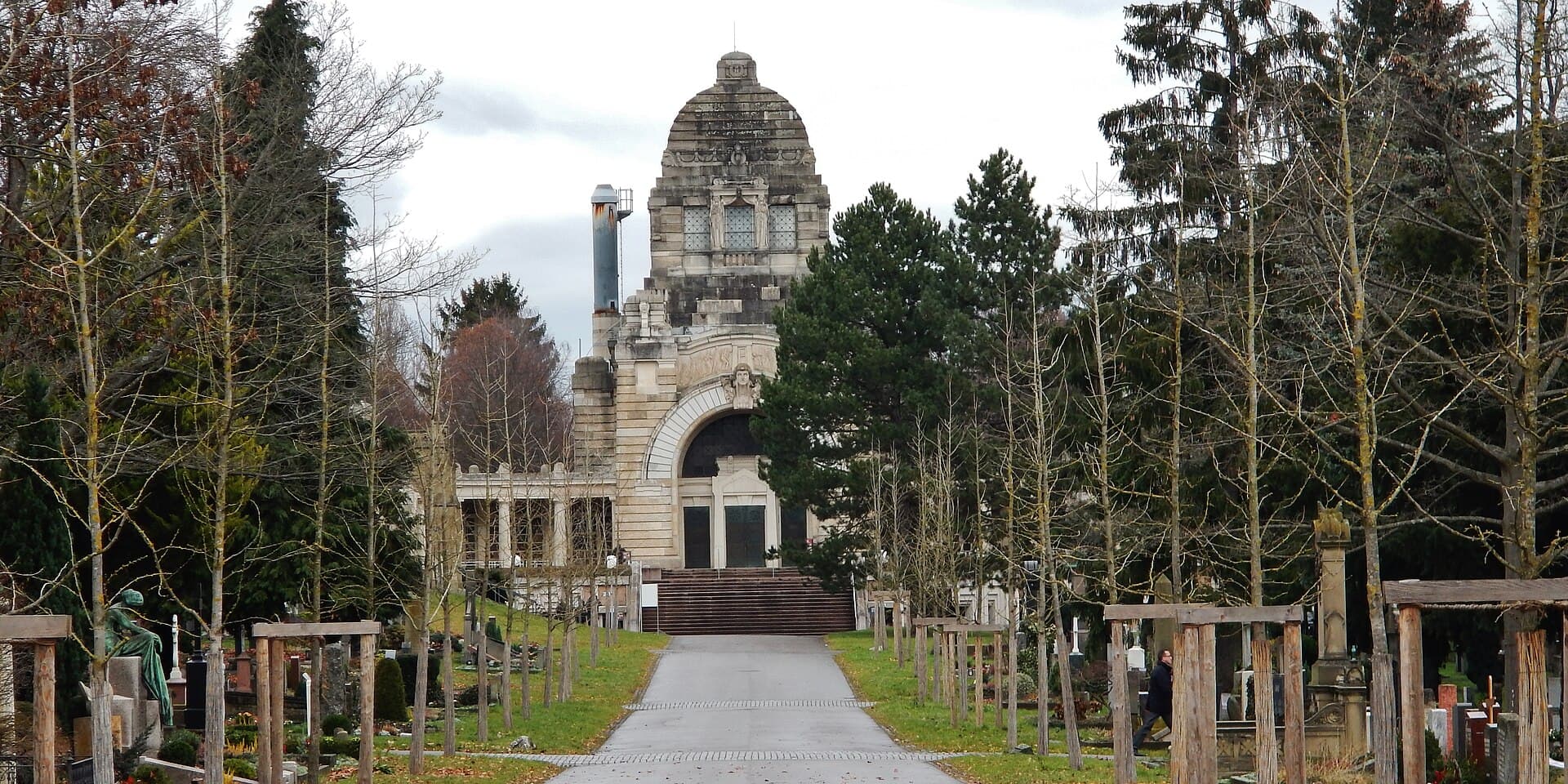 PragfriedhofOpened in 1873 on the Prag hill north of central Stuttgart, this is the city's t16 minutes walk4.5
Stuttgart 21, a vast scheme converting the central station from a terminus into an underground through station. It required felling trees in the upper section of the Schlossgarten, which triggered mass public protests in 2010 that became among the best-known environmental protests in Germany. The lower section is well away from the works and is not affected in practice.