
The wall of names
Its length turns a number into a distance you walk.
Stefan Frerichs — CC BY-SA 2.0 · © Ra Boe / Wikipedia - Create the proper attribution for your usage by clicking on this button! This file is licensed under the Creative Commons Attribution-Share Alike 3.0 Germany license.Attribution — CC BY-SA 3.0 de · © Ra Boe / Wikipedia - Create the proper attribution for your usage by clicking on this button! This file is licensed under the Creative Commons Attribution-Share Alike 3.0 Germany license.Attribution — CC BY-SA 3.0 de · © Ra Boe / Wikipedia - Create the proper attribution for your usage by clicking on this button! This file is licensed under the Creative Commons Attribution-Share Alike 3.0 Germany license.Attribution — CC BY-SA 3.0 de
This memorial stands on the ground of Stuttgart's Nordbahnhof, a freight station that was the departure point for the trains deporting the region's Jews to camps in the east between 1941 and 1945. More than two thousand people left from here, and most did not return. The memorial is not a building but a wall: a long row of stone panels running alongside the surviving original track, engraved with the names of the deported one by one, each with a date of birth. Walking its length takes several long minutes — and that is the point: to turn an abstract number into a distance you cover on foot. It was created in 2006 on the initiative of a citizens' association rather than the state, after years of fundraising and archival research to document every name. The site is always open and free, and completely quiet despite its closeness to the city centre — a patch of ground between rail lines that almost nobody passes by chance.
Its length turns a number into a distance you walk.
The surviving rail line beside the memorial.
Otto-Umfrid-Strasse, 70191 Stuttgart
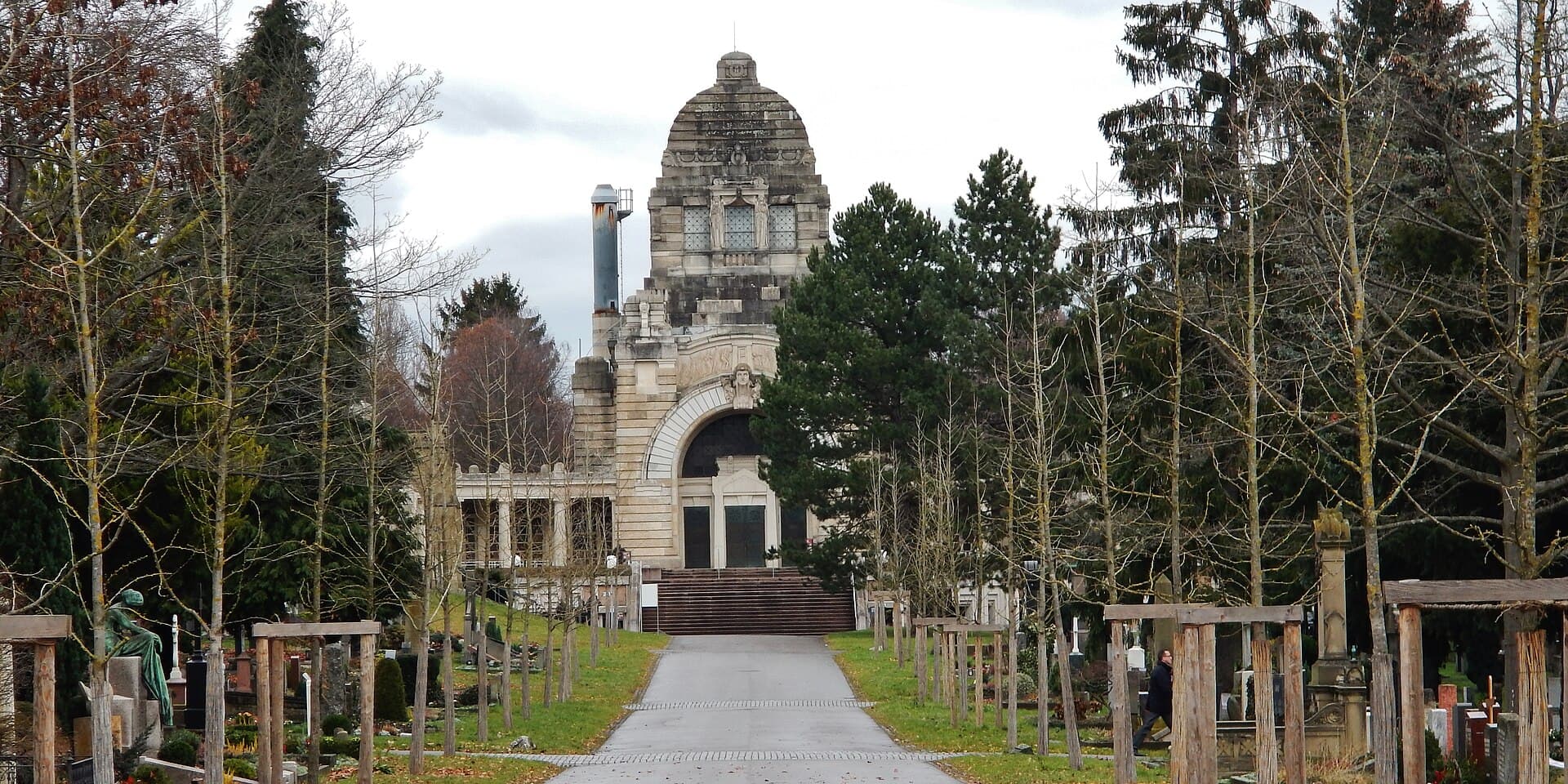 PragfriedhofOpened in 1873 on the Prag hill north of central Stuttgart, this is the city's t4 minutes walk4.5
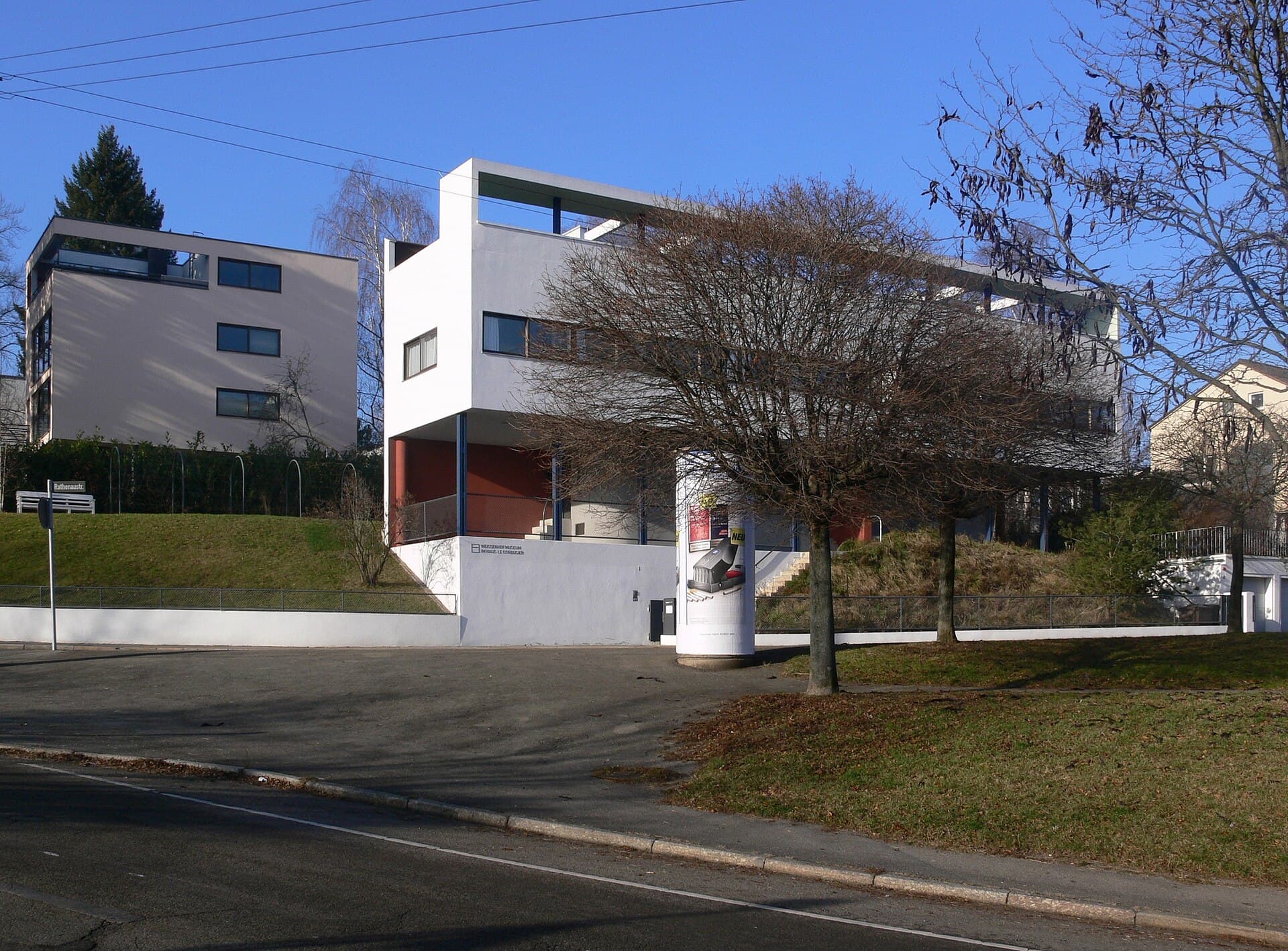 Weissenhof MuseumThe Weissenhof Museum is housed in a building designed by the Franco-Swiss archi11 minutes walk4.7
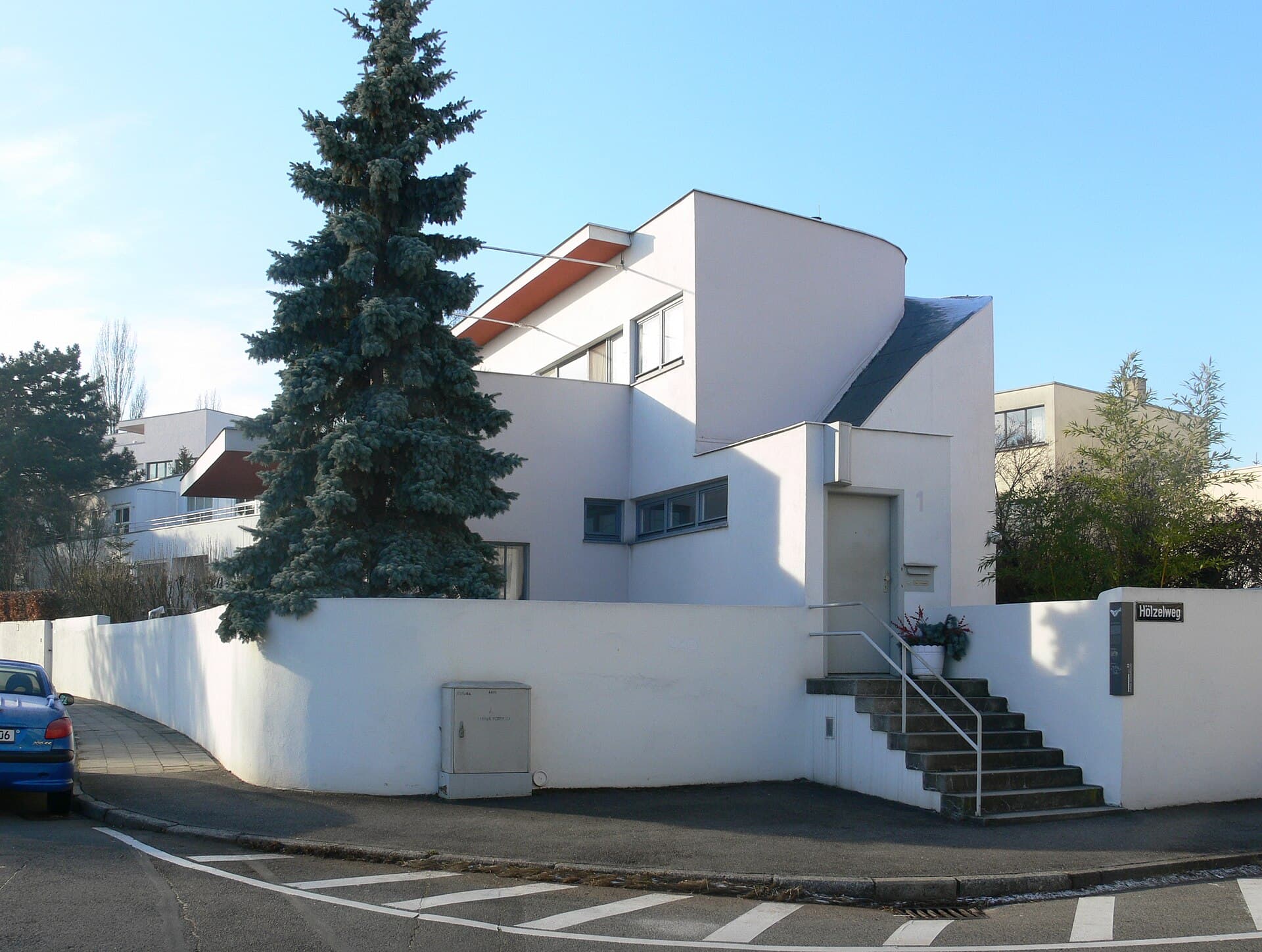 The Weissenhof EstateThe Weissenhof is not a single building but a complete architectural experiment 12 minutes walk4.4
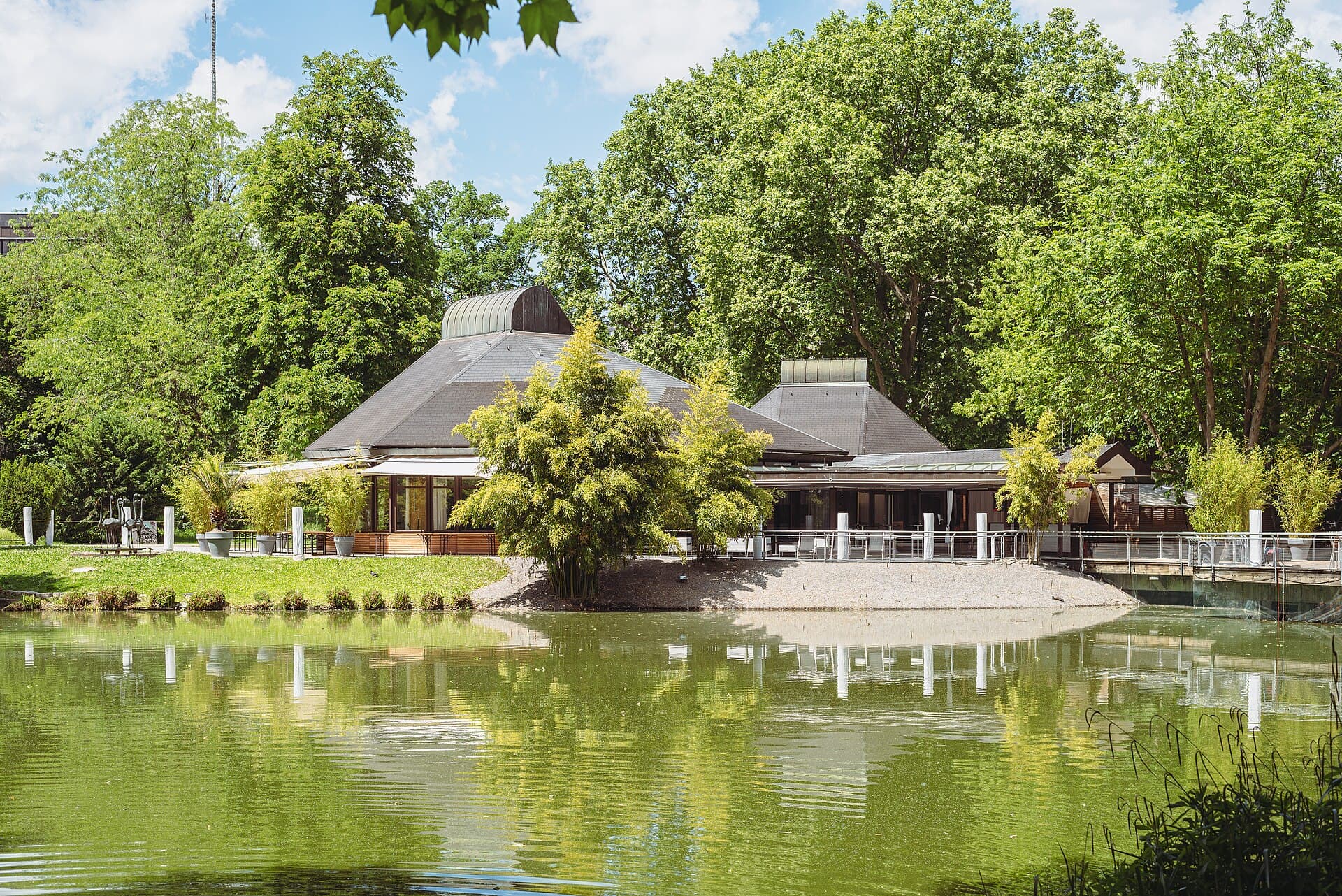 The Lower Palace GardensStuttgart's Schlossgarten is a long green ribbon running from the city centre to12 minutes walk4.4
 Leibfriedscher GartenThe Leibfriedscher Garten is a public park in northern Stuttgart, one link in a 14 minutes walk4.7
Because the deportations were deliberately kept out of public view: freight yards and side platforms were used in many German cities instead of central stations, often in the early hours. The aim was to keep the process as invisible to residents as possible — which is also why such sites remain hidden today, and why they stayed outside public memory for decades until citizens' initiatives documented them.