
Le Corbusier's house
A house of 1927 on the UNESCO list, among the most famous buildings of modern architecture anywhere.
Photo: Andreas Praefcke — CC BY 3.0 · Photo: Andreas Praefcke — CC BY 3.0 · Zala — CC BY-SA 4.0 · Zala — CC BY-SA 4.0
The Weissenhof Museum is housed in a building designed by the Franco-Swiss architect Le Corbusier in 1927, part of the Weissenhof estate built that year as an exhibition of modern housing. Europe's leading architects of the day each contributed a house showing their idea of how people should live. The estate became one of the world's landmarks of modern architecture, and Le Corbusier's two houses were added to the UNESCO list in 2016. The museum explains the story of the exhibition and shows the house itself: how it was designed inside, and how its rooms change through movement and colour. The visit is short but concentrated, and suits anyone interested in architecture and design.
A house of 1927 on the UNESCO list, among the most famous buildings of modern architecture anywhere.
Rooms that change function through sliding walls and built-in furniture — a revolutionary idea in the 1920s.
Houses built by Europe's leading architects in 1927, still lived in today.
Rathenaustraße 1-3, 70191 Stuttgart
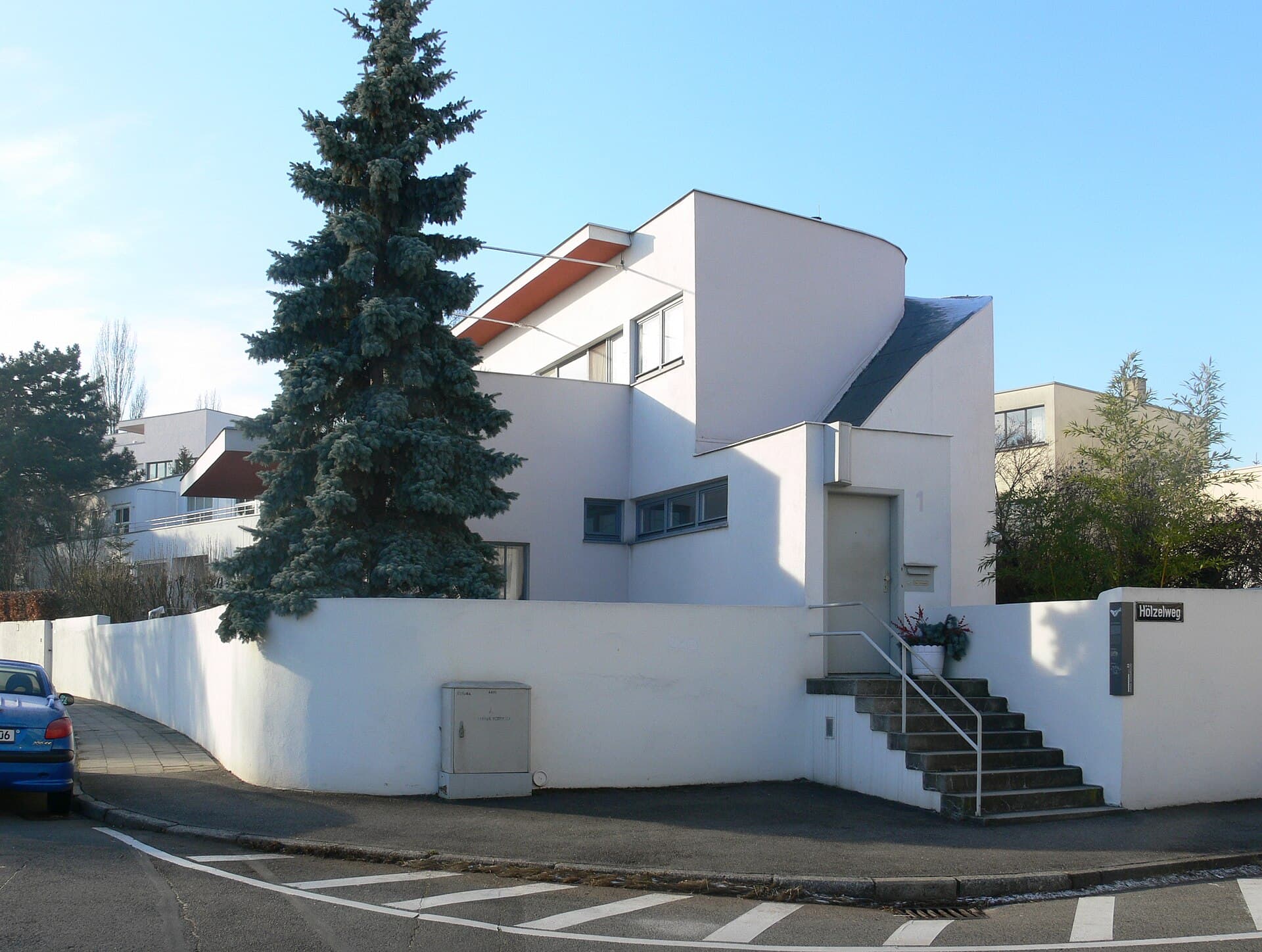 The Weissenhof EstateThe Weissenhof is not a single building but a complete architectural experiment 1 minute walk4.4
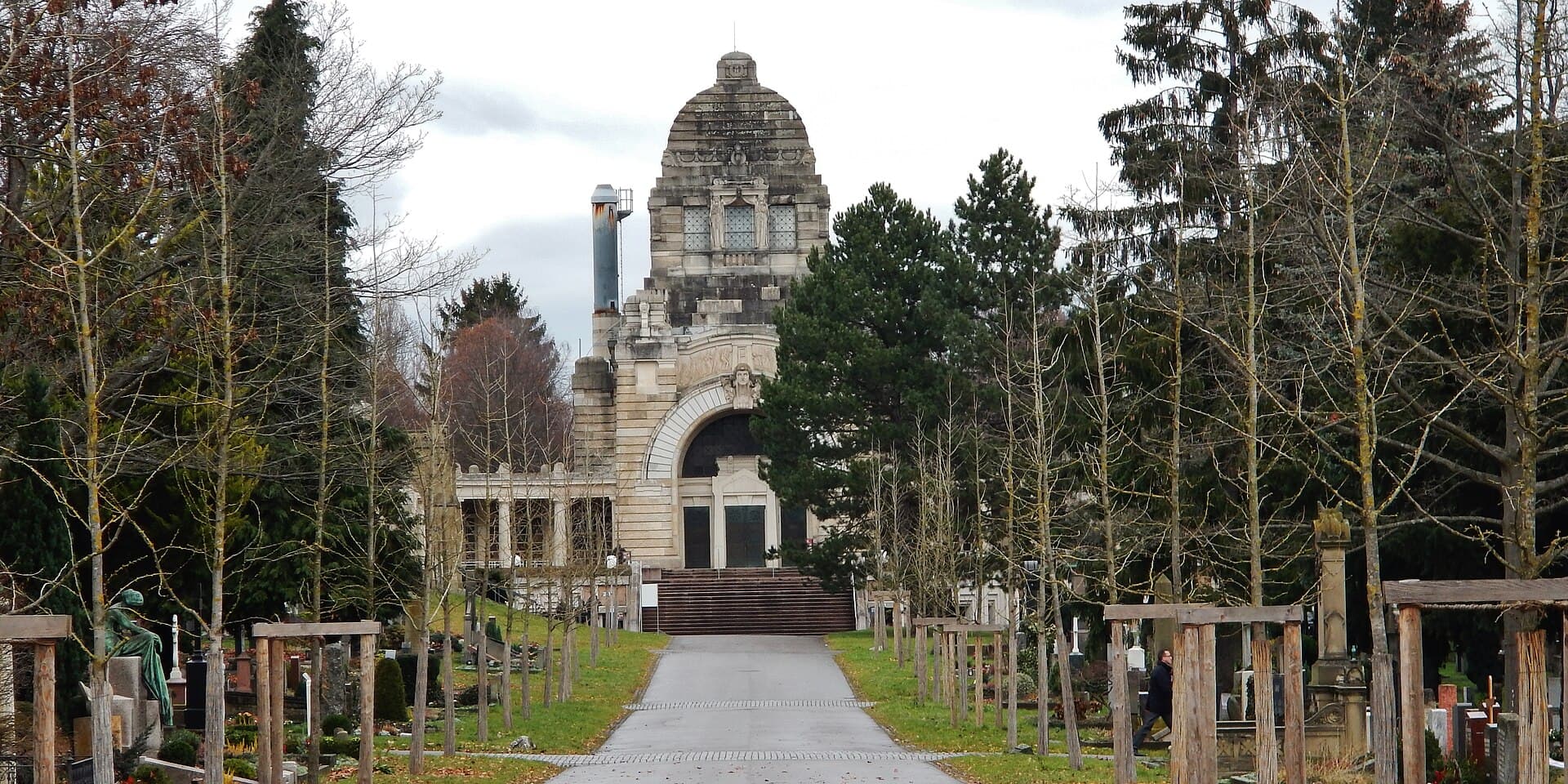 PragfriedhofOpened in 1873 on the Prag hill north of central Stuttgart, this is the city's t9 minutes walk4.5
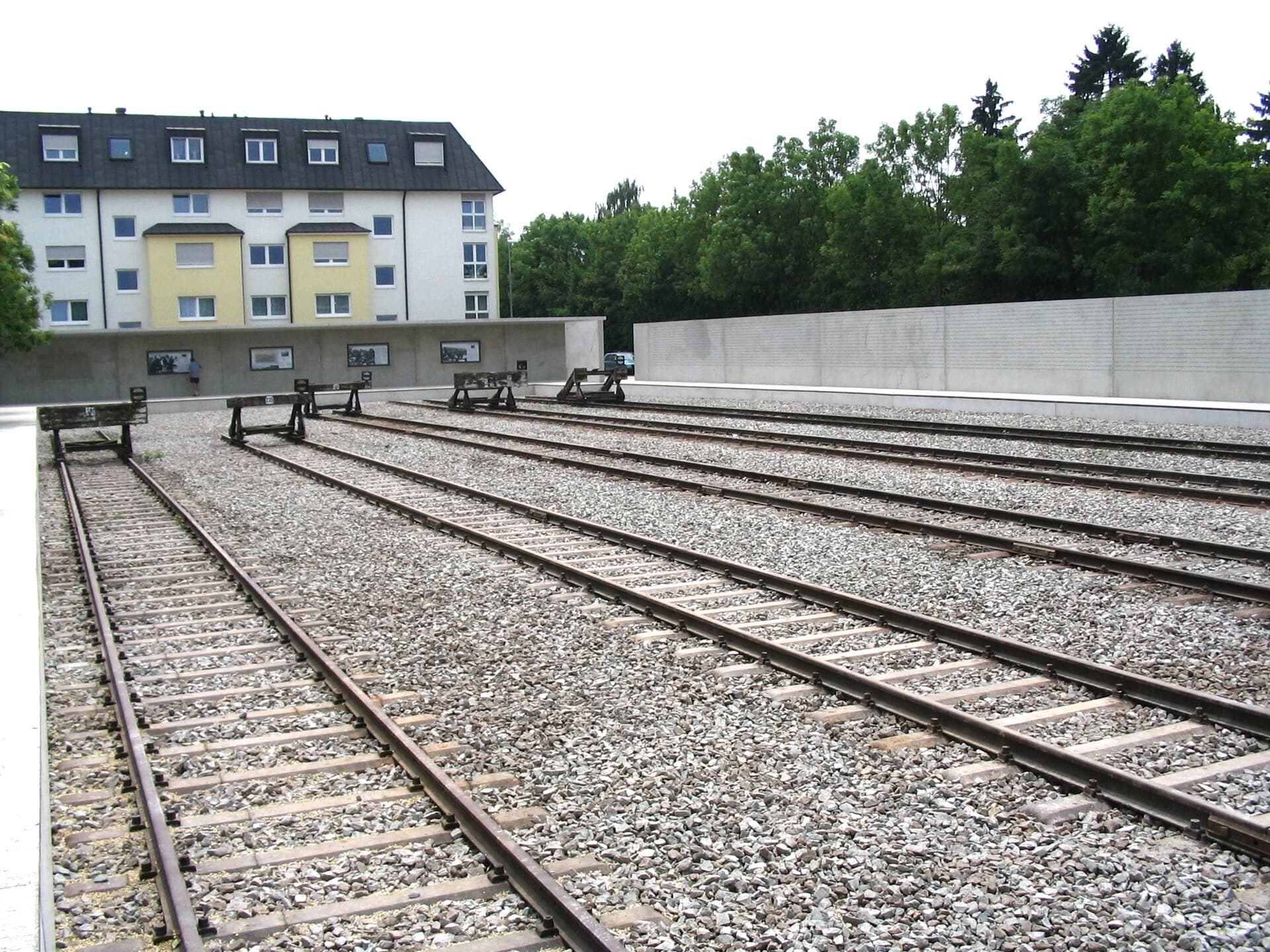 Nordbahnhof Deportation MemorialThis memorial stands on the ground of Stuttgart's Nordbahnhof, a freight station11 minutes walk4.4
 Killesberg ParkKillesberg Park is a large park in northern Stuttgart, laid out in 1939 for a ho12 minutes walk4.8
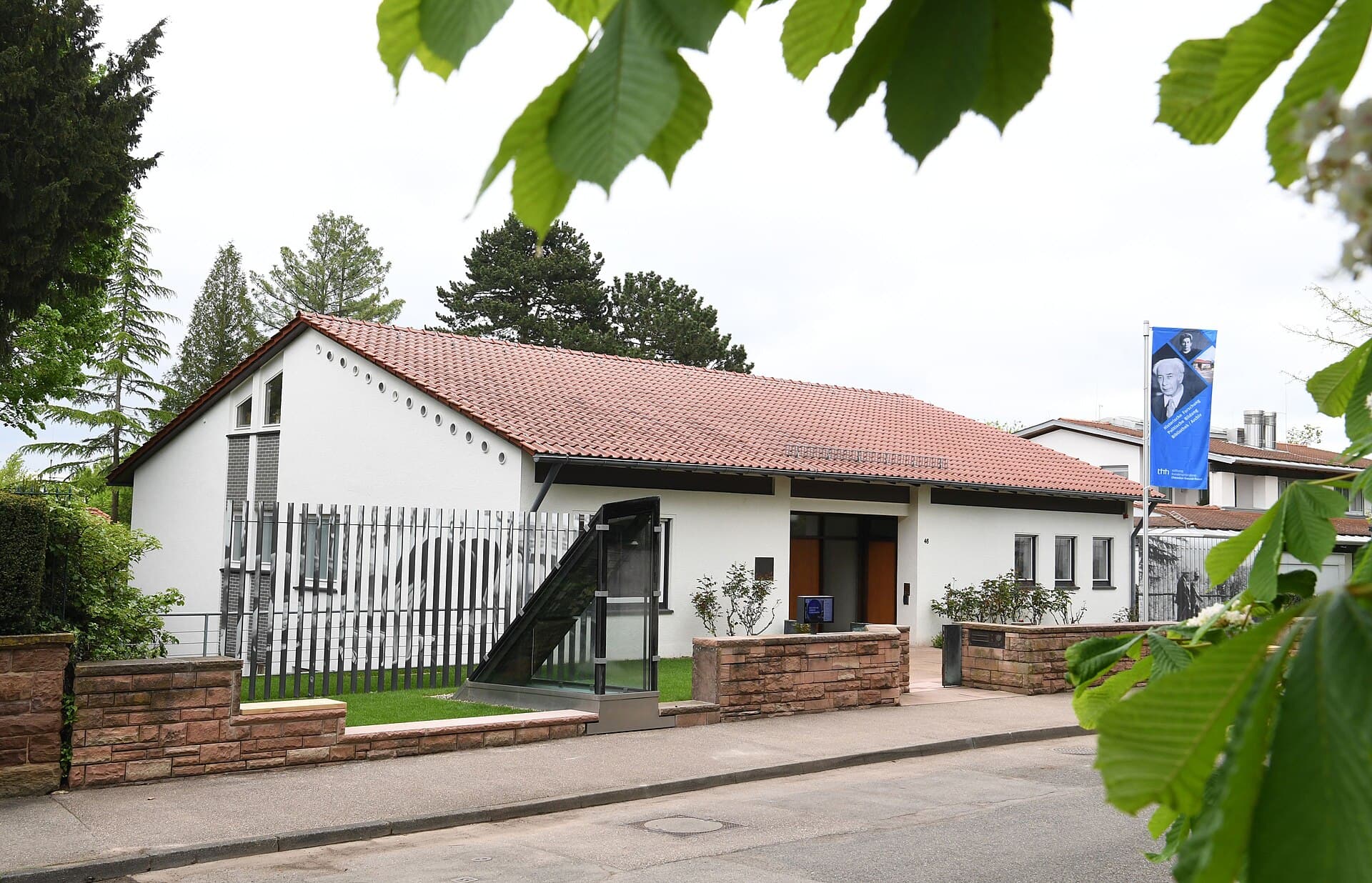 Theodor Heuss HouseThis was the house of Theodor Heuss, the first President of the Federal Republic12 minutes walk4.4
Honestly, less so. The museum is small and its subject specialised, and its real value is for those who know what this estate means in architectural history. Anyone uninterested in design may find an hour more than enough, and might prefer the Mercedes museum or the Staatsgalerie.
No — most of the estate is private housing with people living in it today. What can be visited is Le Corbusier's house, which became the museum. Walking the streets and seeing the houses from outside is free and allowed.
An hour for the museum and another half hour to walk the estate around it. Combine it with nearby Killesberg Park for a half day in northern Stuttgart.