
St Casimir's Chapel
Baroque in marble and silver.
Wilno_-_katedra.JPG: Krzysztof Mizera derivative work: --Chrumps (talk) — CC BY-SA 3.0 · Lestat (Jan Mehlich) — CC BY-SA 3.0 · Mattias Hill — CC BY-SA 4.0 · Brian Toward from London, United Kingdom — CC0
A white Greek temple in the heart of the Baltic: Vilnius Cathedral, with its Neoclassical facade, six columns and three saints on the roofline, stands on Lithuania's holiest ground — here was the temple of the pagan god Perkūnas, the first church was raised in 1251 when King Mindaugas was baptised, and it was rebuilt six times to reach its present form in 1801. The jewel is the Baroque Chapel of St Casimir: black and white marble, silver, frescoes and a dome, holding the tomb of Lithuania's patron. Beneath, the crypts are visited on tours: foundations of the pagan temple and the successive churches, fourteenth-century frescoes and the burials of dukes and kings. Before it spreads the vast Cathedral Square with its detached bell tower, and in the paving the Stebuklas ("miracle") tile, where people stand and turn for a wish — from here the Baltic Way began in 1989: two million people joined hands in a line stretching 675 kilometres to Tallinn, demanding independence.
Baroque in marble and silver.
A pagan temple, churches and royal graves below.
From here a line of two million reached Tallinn.
Šventaragio g., Vilnius
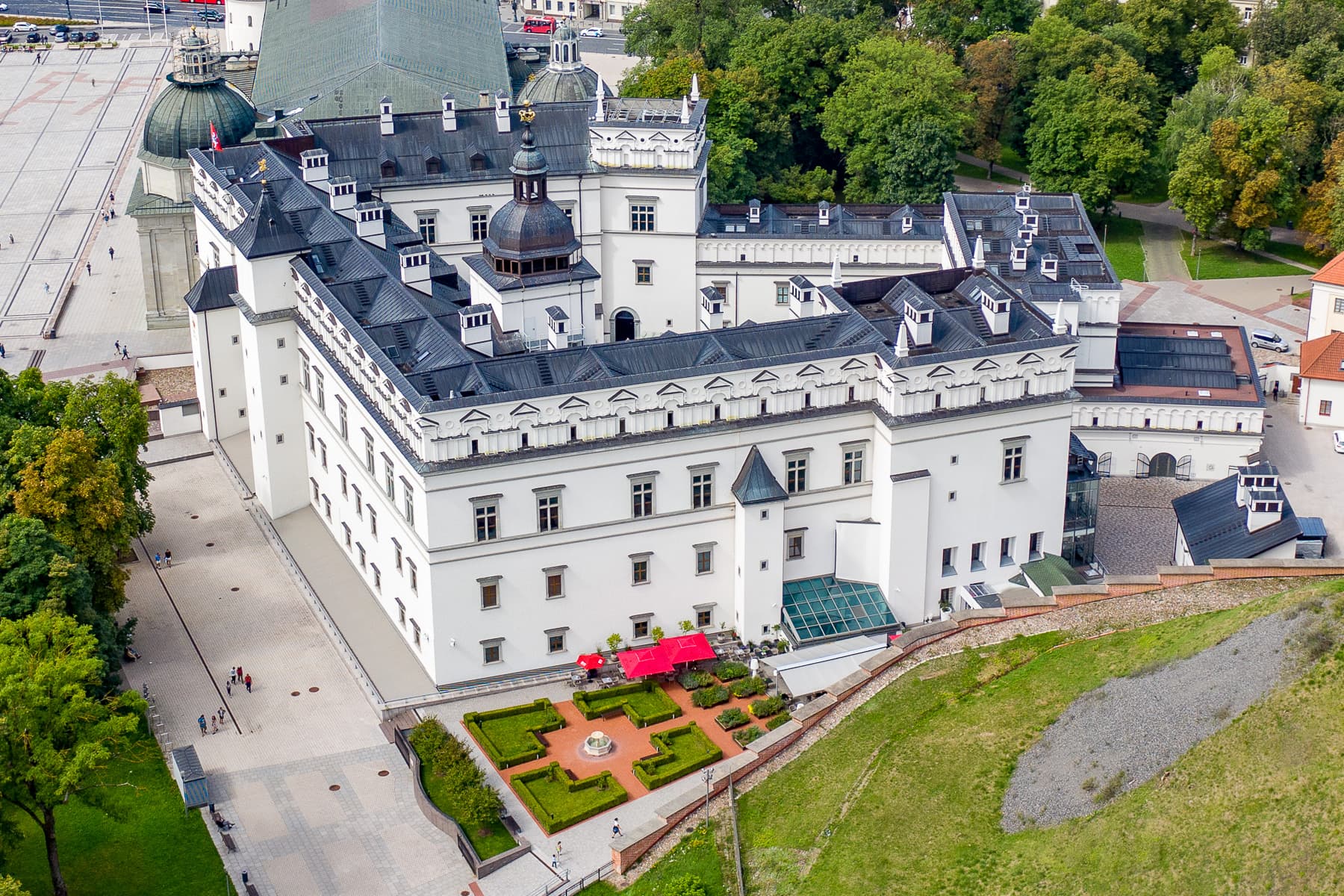 Palace of the Grand Dukes of LithuaniaA palace rebuilt from nothing to return a nation to its history: this was the se1 minute walk4.8
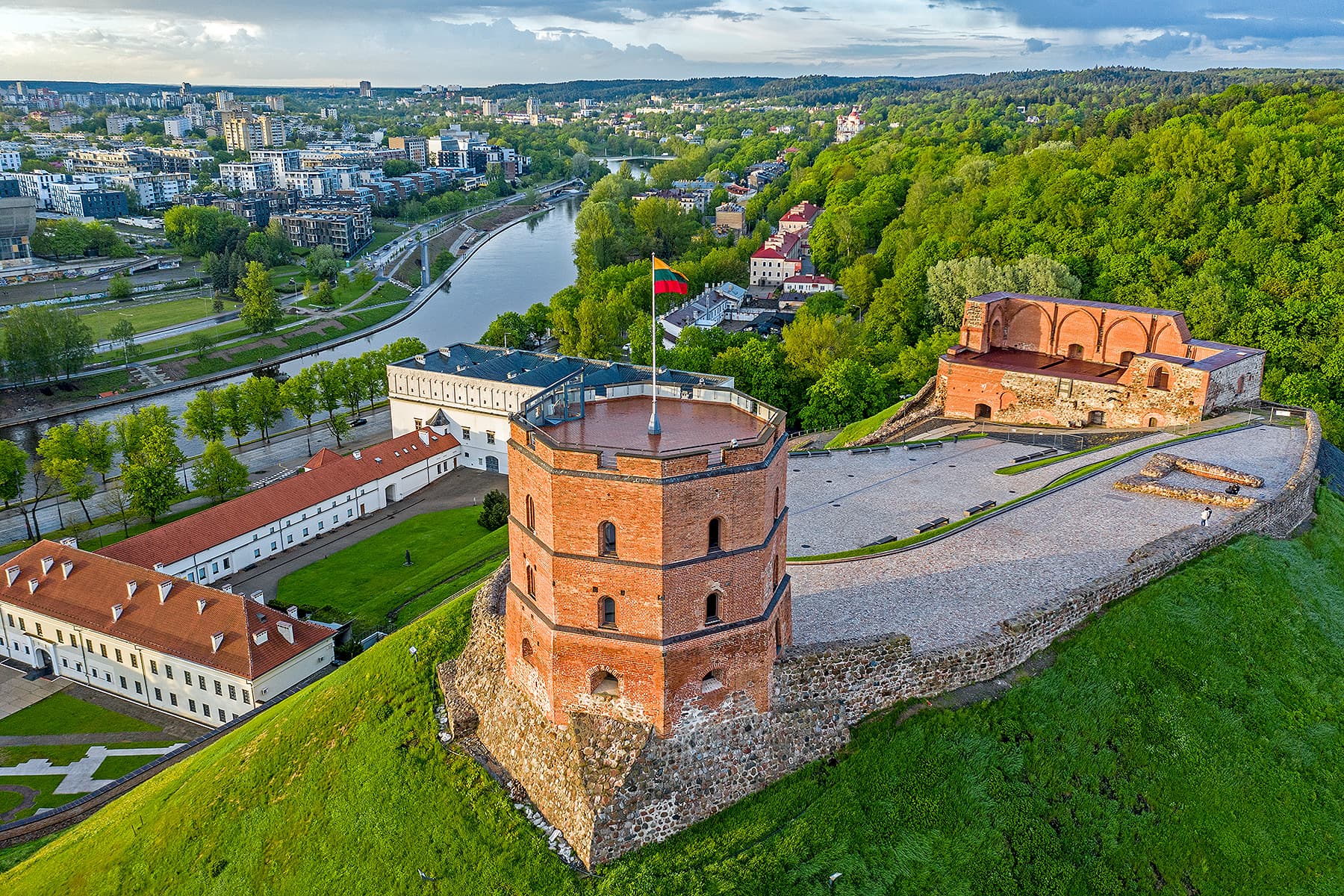 Gediminas' TowerAll that survives of Vilnius's Upper Castle, and the nation's emblem: the octago3 minutes walk4.8
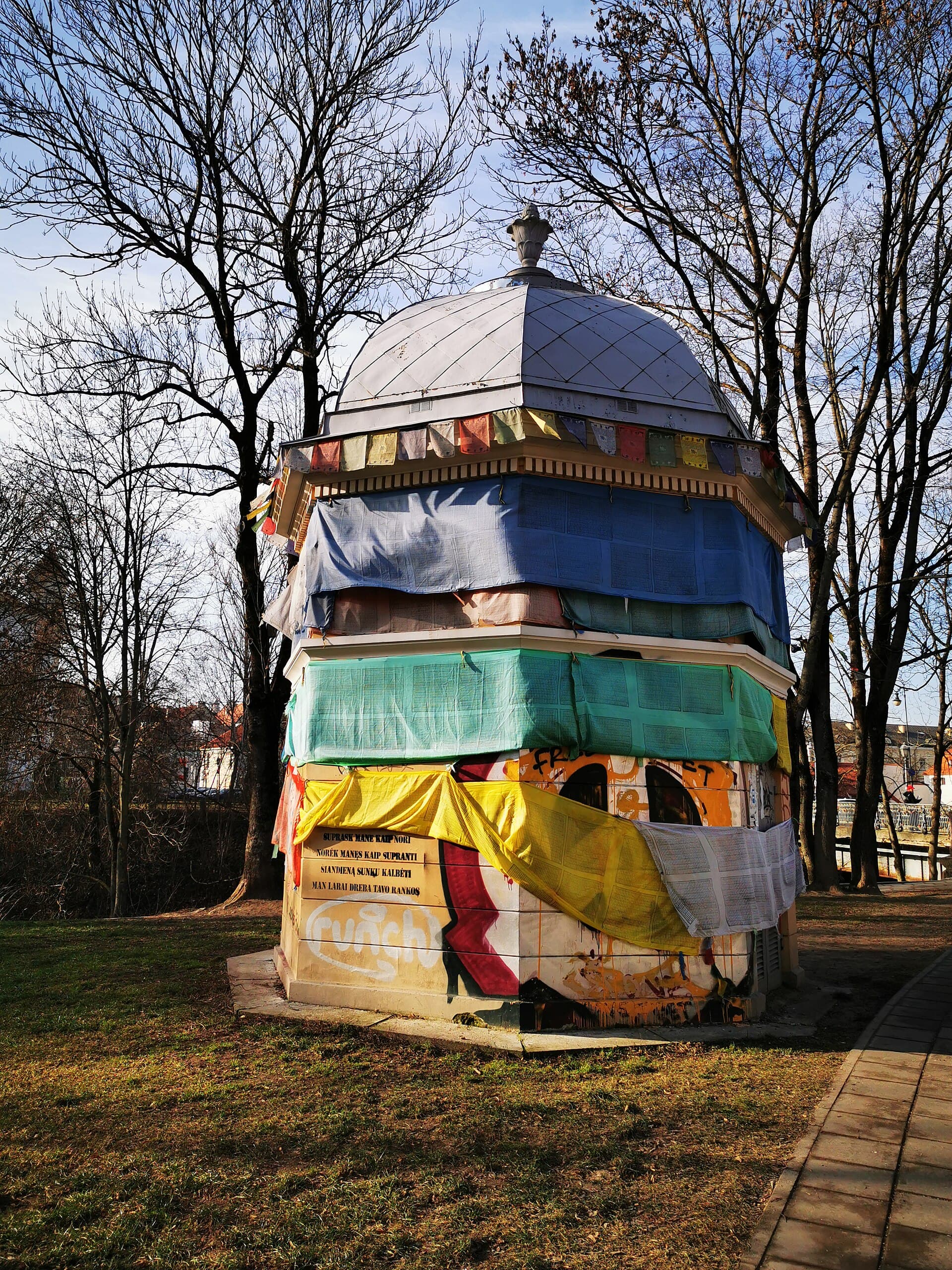 Tibet SquareA small square near the Užupis district of Vilnius, formally dedicated to Tibet 3 minutes walk4.6
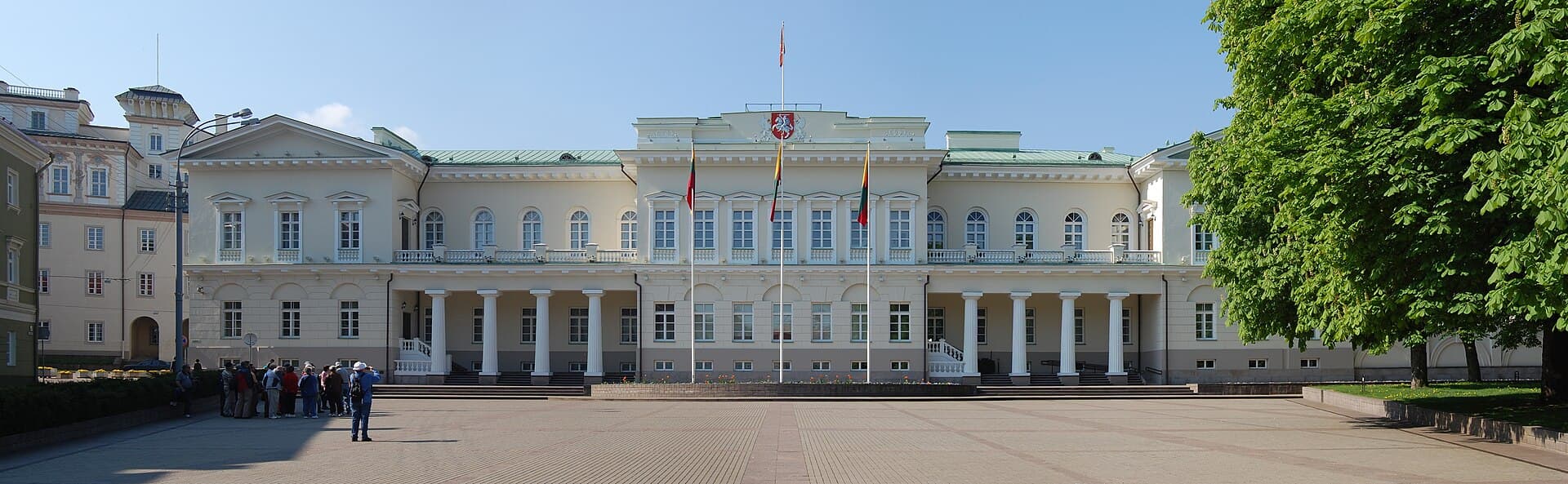 Presidential Palace, VilniusThe official residence of the president of Lithuania, in a neoclassical palace o4 minutes walk4.7
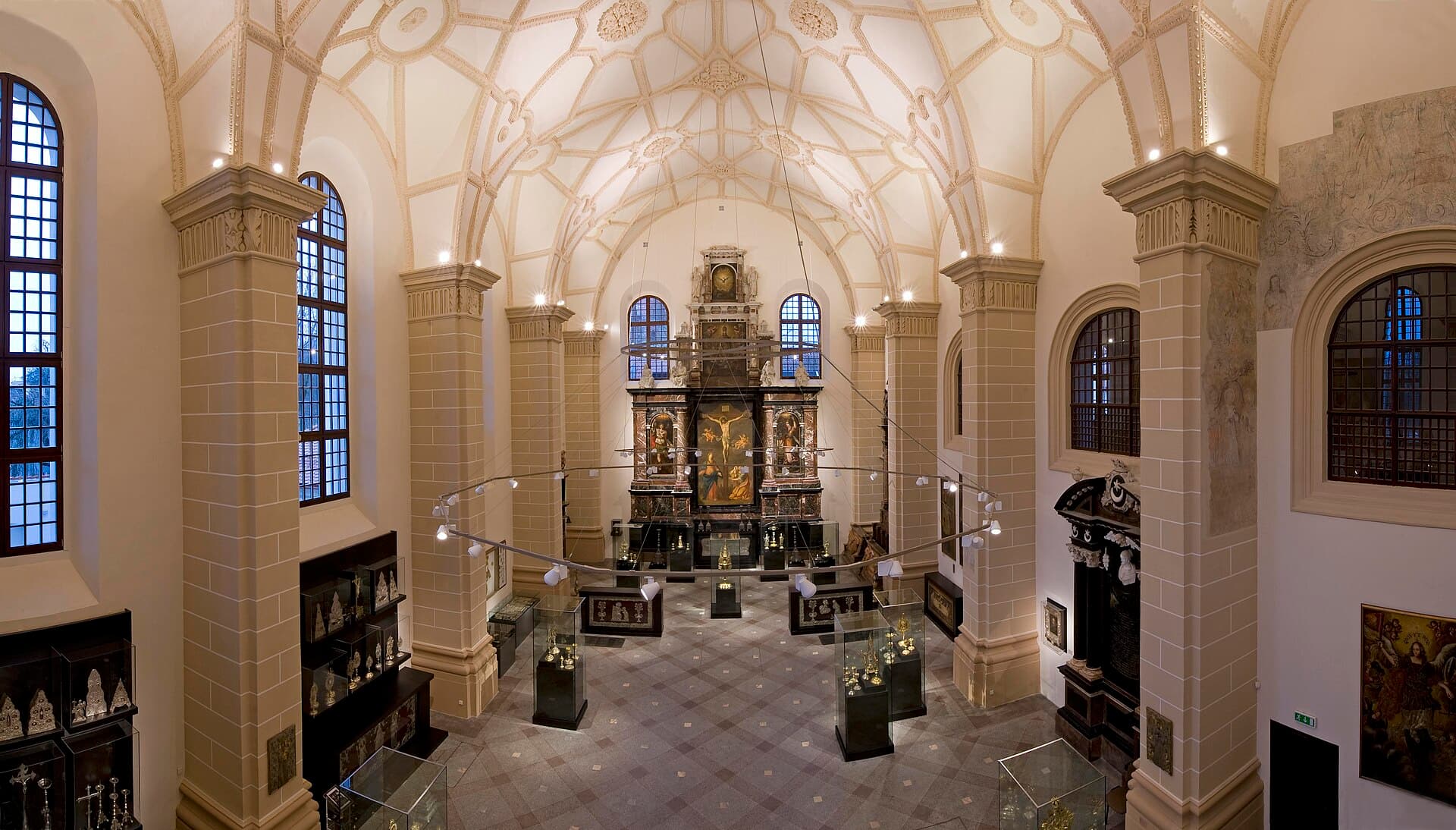 Church Heritage MuseumA museum in a former seventeenth-century church and convent, showing the treasur6 minutes walk4.6
On 23 August 1989, the anniversary of the Molotov-Ribbentrop pact, two million people joined hands in a human chain from Vilnius through Riga to Tallinn in peaceful protest at Soviet occupation — and the three countries were independent within two years.