
The great arch
A massive eleventh-century stone arch — the most important surviving piece of Granada's walls.
Paul Hermans — CC BY-SA 3.0 · Harvey Barrison from Massapequa, NY, USA — CC BY-SA 2.0 · AngelSolerGollonet — CC BY-SA 4.0 · Pablo Gall — CC BY-SA 4.0
The Puerta de Elvira is a massive stone arch that was the main gate of Muslim Granada. Built in the eleventh century, it was the city's most important and busiest gate: caravans and armies came through it, and the markets stood around it. What you see today is a fraction of what was: the gate was far larger, with towers and a bent defensive entrance, and most of it was cleared in the nineteenth century. What remains is the great arch, standing alone in a square with cars and pedestrians passing beneath. It is free and always in the open, and it marks the start of Calle Elvira, which runs down into the centre and is lined with cafés and Arab restaurants.
A massive eleventh-century stone arch — the most important surviving piece of Granada's walls.
A long street behind the gate lined with Arab and Moroccan cafés and restaurants.
The Catholic Monarchs entered Granada through here in 1492, after the city surrendered.
Plaza Puerta de Elvira, 18010 Granada
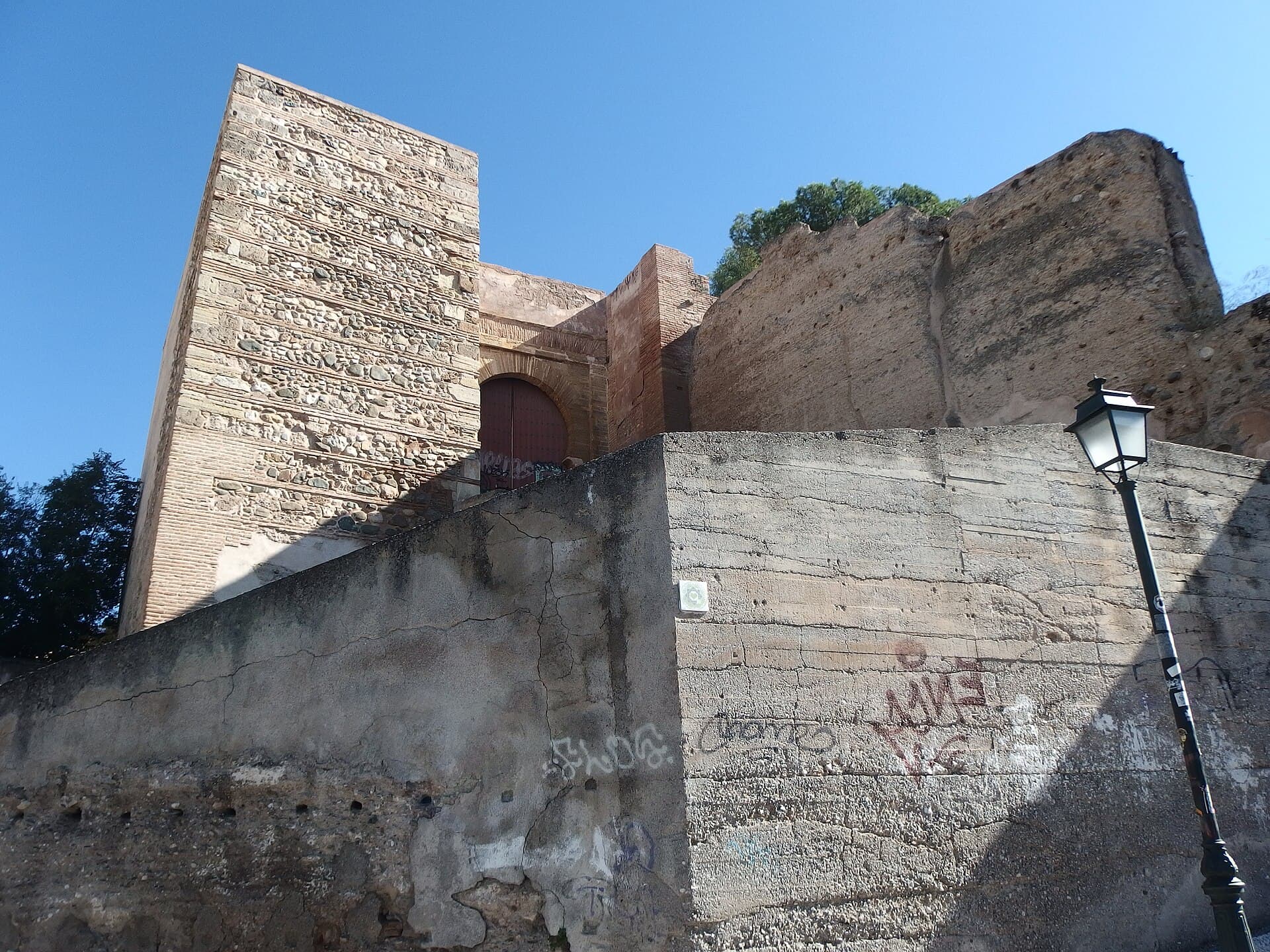 Puerta MonaitaOne of the gates of Granada's Islamic wall, standing in the upper Albaicín, amon2 minutes walk4.2
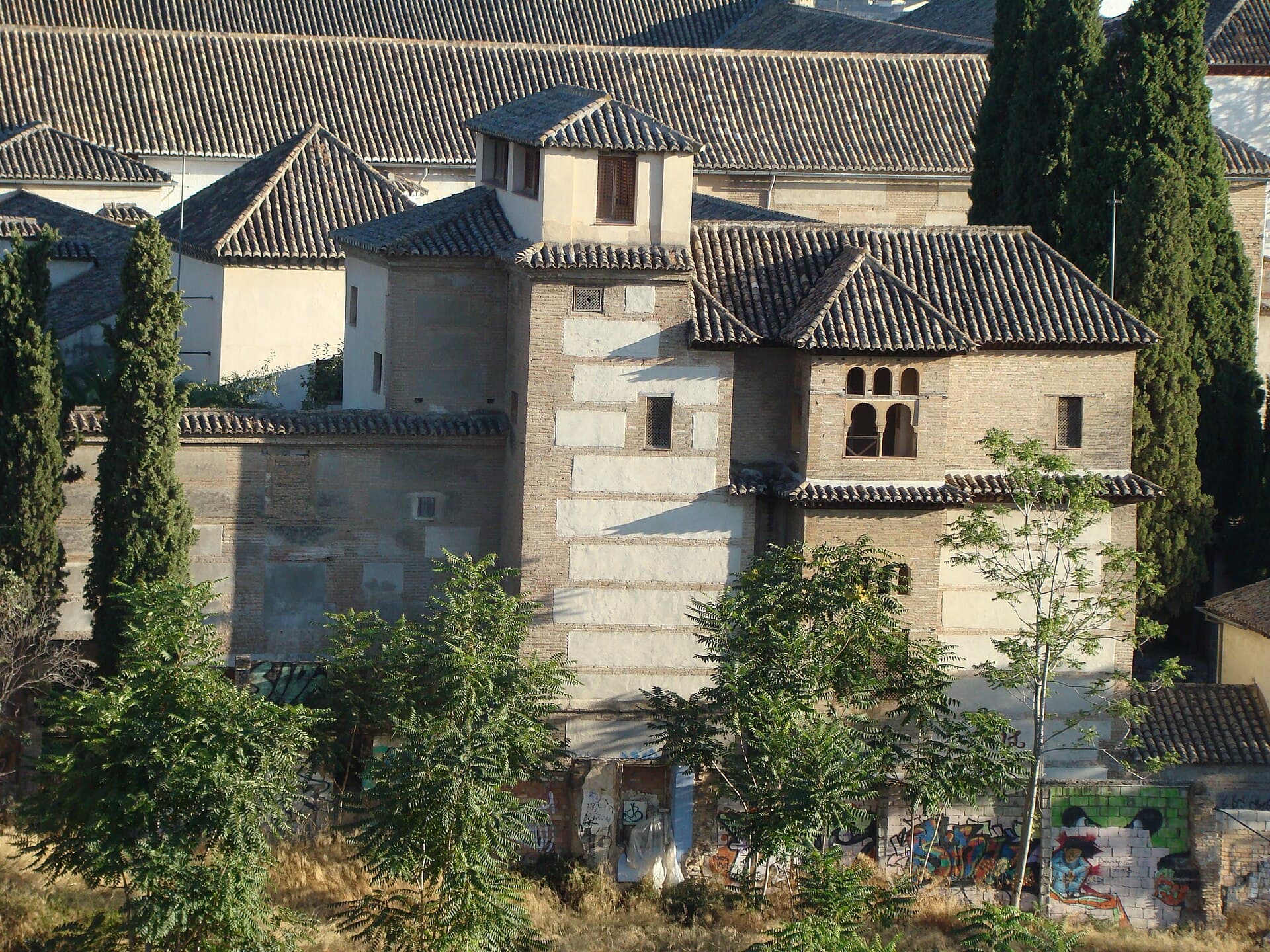 Palacio de Dar al-HorraDar al-Horra is a fifteenth-century Nasrid house at the top of the Albaicín, and4 minutes walk4.3
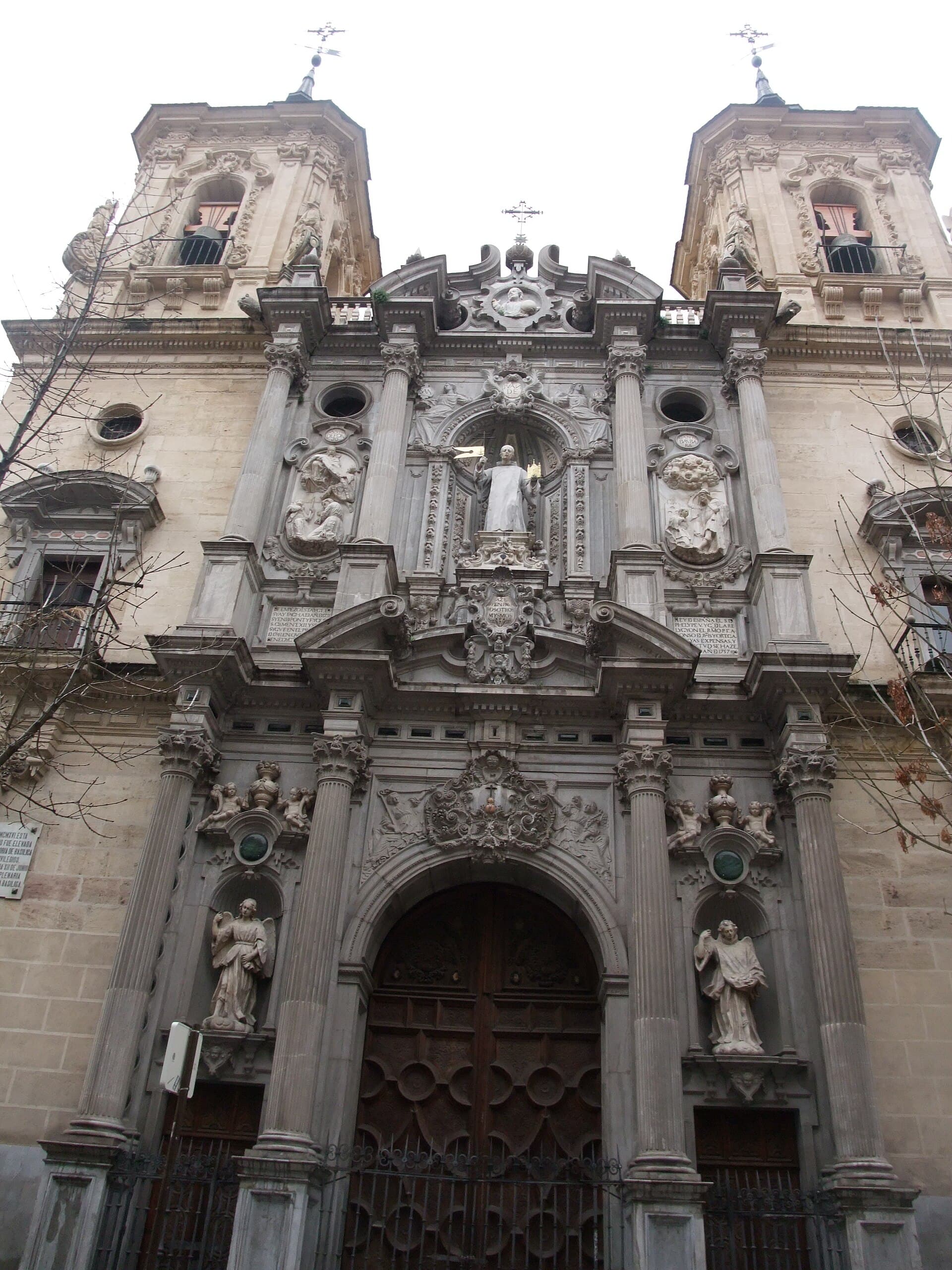 Basilica of San Juan de DiosThe San Juan de Dios basilica is Granada's chamber of gold: an eighteenth-centur5 minutes walk4.9
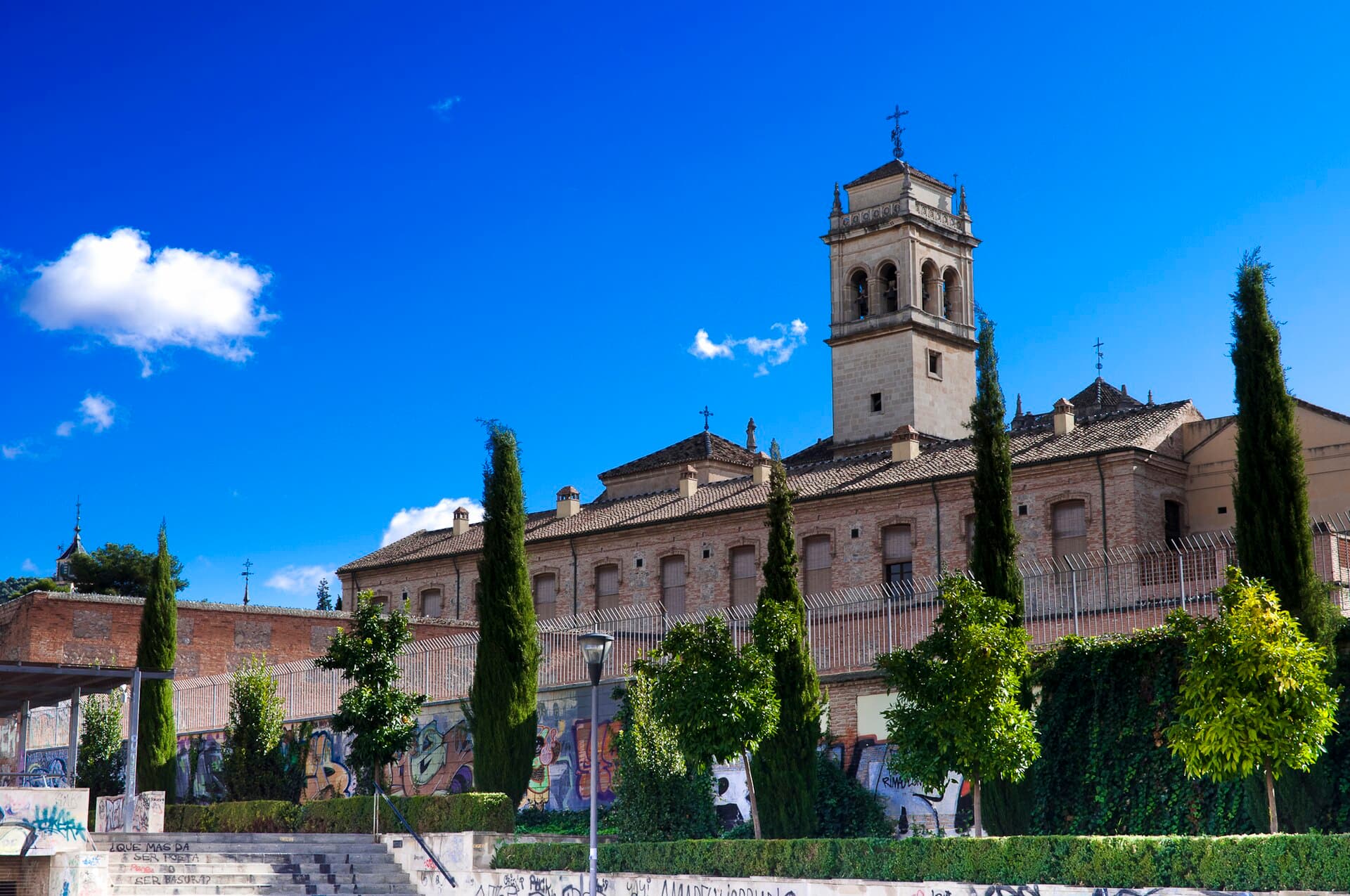 Monastery of San JerónimoThe Monastery of San Jerónimo was among the first things built in Granada after 7 minutes walk4.6
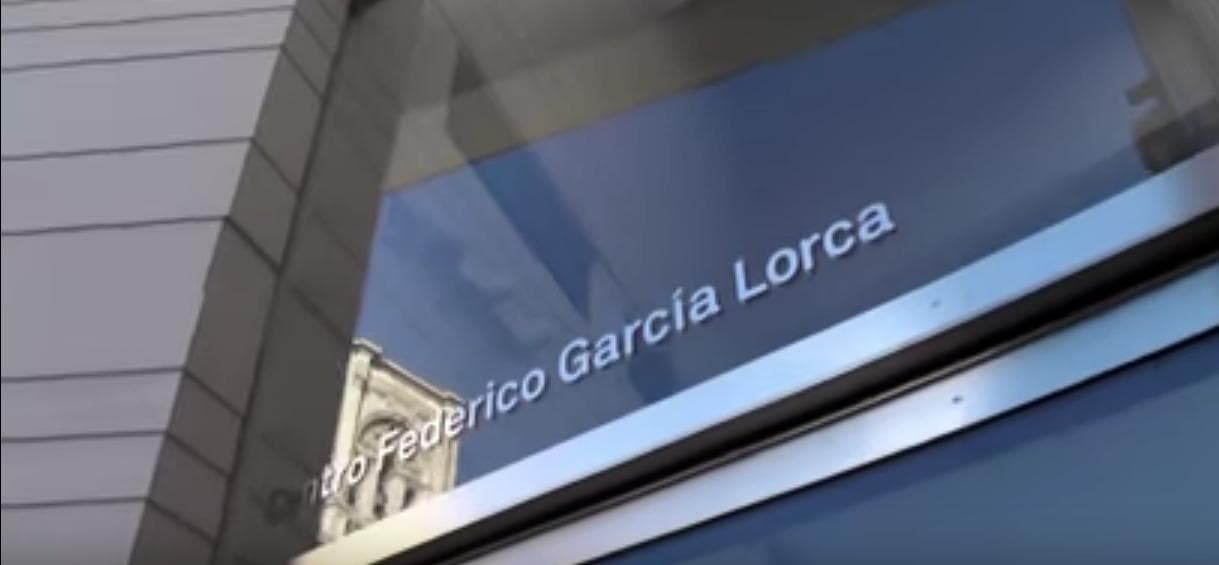 Centro Federico García LorcaA modern cultural institution in central Granada, created to hold the archive of7 minutes walk4.2
Ten minutes for the gate itself. But make it the start of a walk: go under it down Calle Elvira towards the centre — the street itself is the experience, with plenty of Arab cafés and restaurants.
Because most of the gate was cleared in the nineteenth century to widen the streets. It was much larger, with towers and a bent entrance for defence — the usual design of Islamic city gates. Only the main arch remains.
Yes. Calle Elvira and its surroundings hold more Arab and Moroccan restaurants, tea houses and sweet shops than anywhere else in Granada. Prices are reasonable, choice is wide, and the area feels familiar to an Arab visitor.