
The inner courtyard
A court with a pool and plaster arches, in the same Nasrid manner but at the scale of a house, not a palace.
Pepepitos — Public domain · Mohatatou — CC BY-SA 4.0 · Mohatatou — CC BY-SA 4.0 · R Prazeres — CC BY-SA 4.0
Dar al-Horra is a fifteenth-century Nasrid house at the top of the Albaicín, and was the home of Aisha al-Horra, mother of Boabdil, the last ruler of Granada. Its Arabic name means "house of the free lady". The house is far smaller than the Alhambra palaces but built in the same manner: an inner courtyard with a pool, arches of carved plaster, wooden galleries, and rooms opening onto the court rather than the street. That is precisely what makes it valuable: this is how a noble family actually lived in Granada, as distinct from how the sultan governed. From its upper galleries there is a quiet view over the Albaicín and across to the Alhambra — one of the calmest spots in the city.
A court with a pool and plaster arches, in the same Nasrid manner but at the scale of a house, not a palace.
A quiet outlook over the Albaicín and the Alhambra from the upper galleries, away from the crowded famous viewpoints.
The home of the last sultan's mother, one of the most prominent figures in the tales of the kingdom's final years.
Albaicín, 18010 Granada
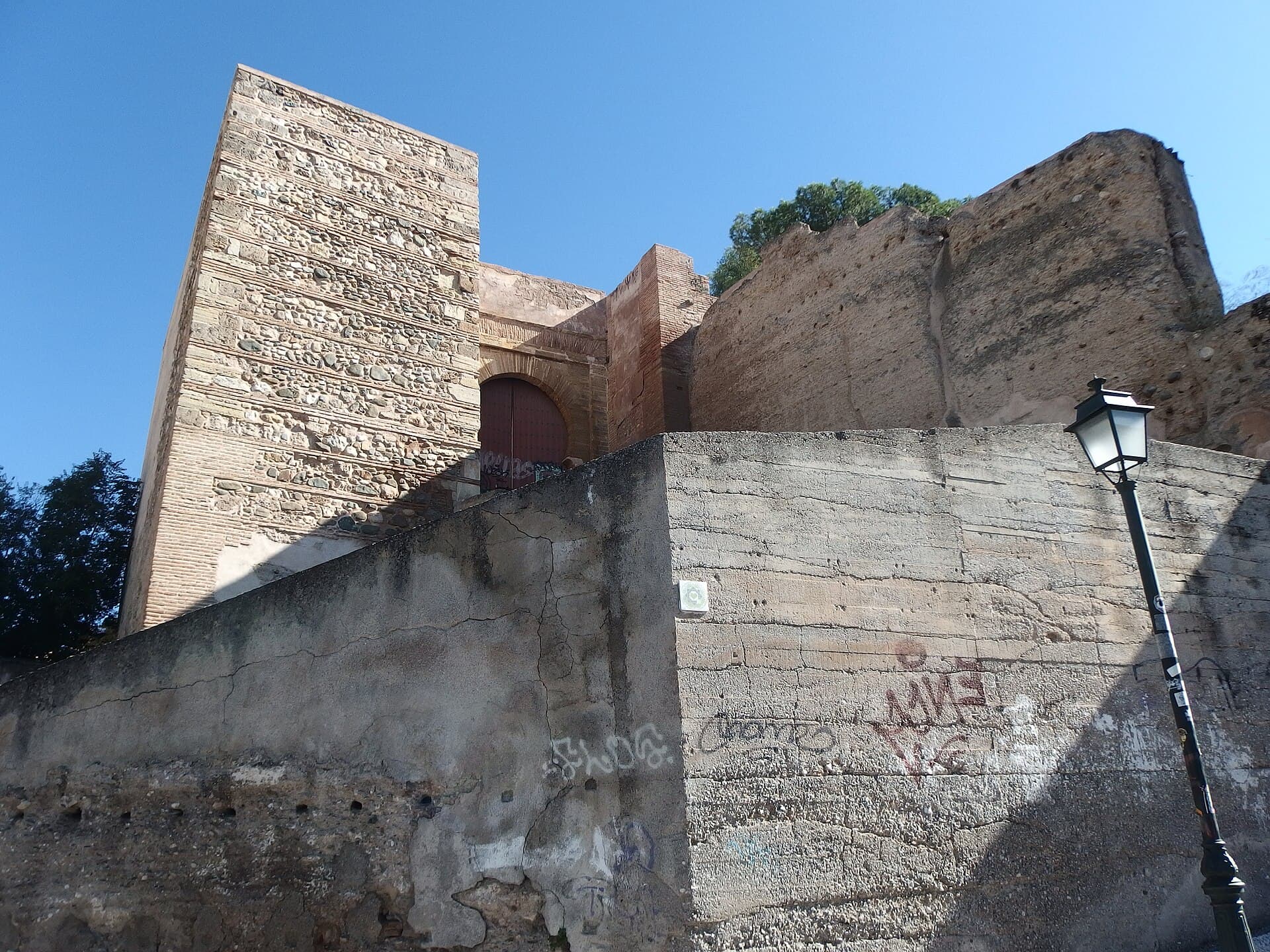 Puerta MonaitaOne of the gates of Granada's Islamic wall, standing in the upper Albaicín, amon1 minute walk4.2
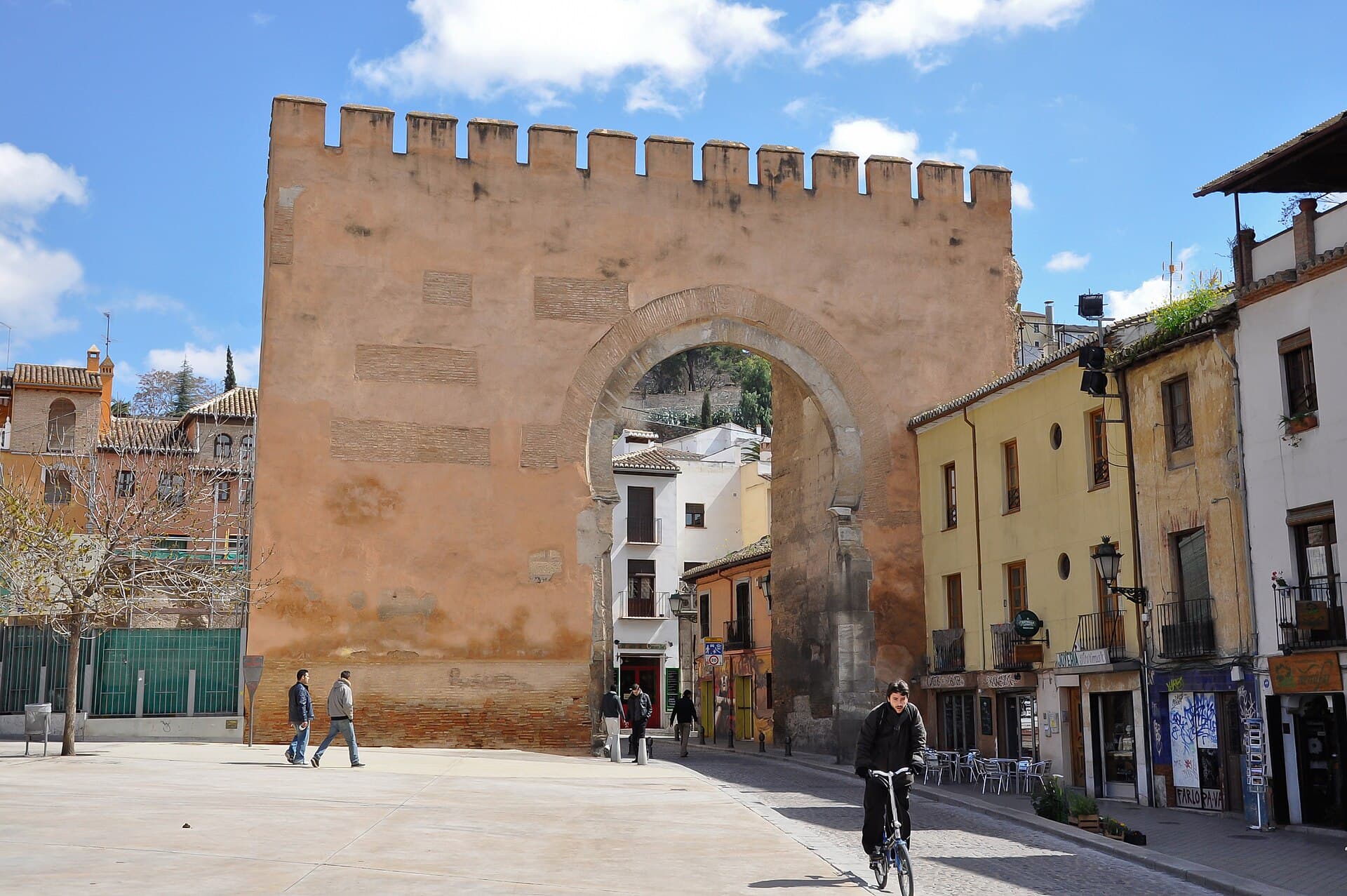 Puerta de ElviraThe Puerta de Elvira is a massive stone arch that was the main gate of Muslim Gr4 minutes walk4.4
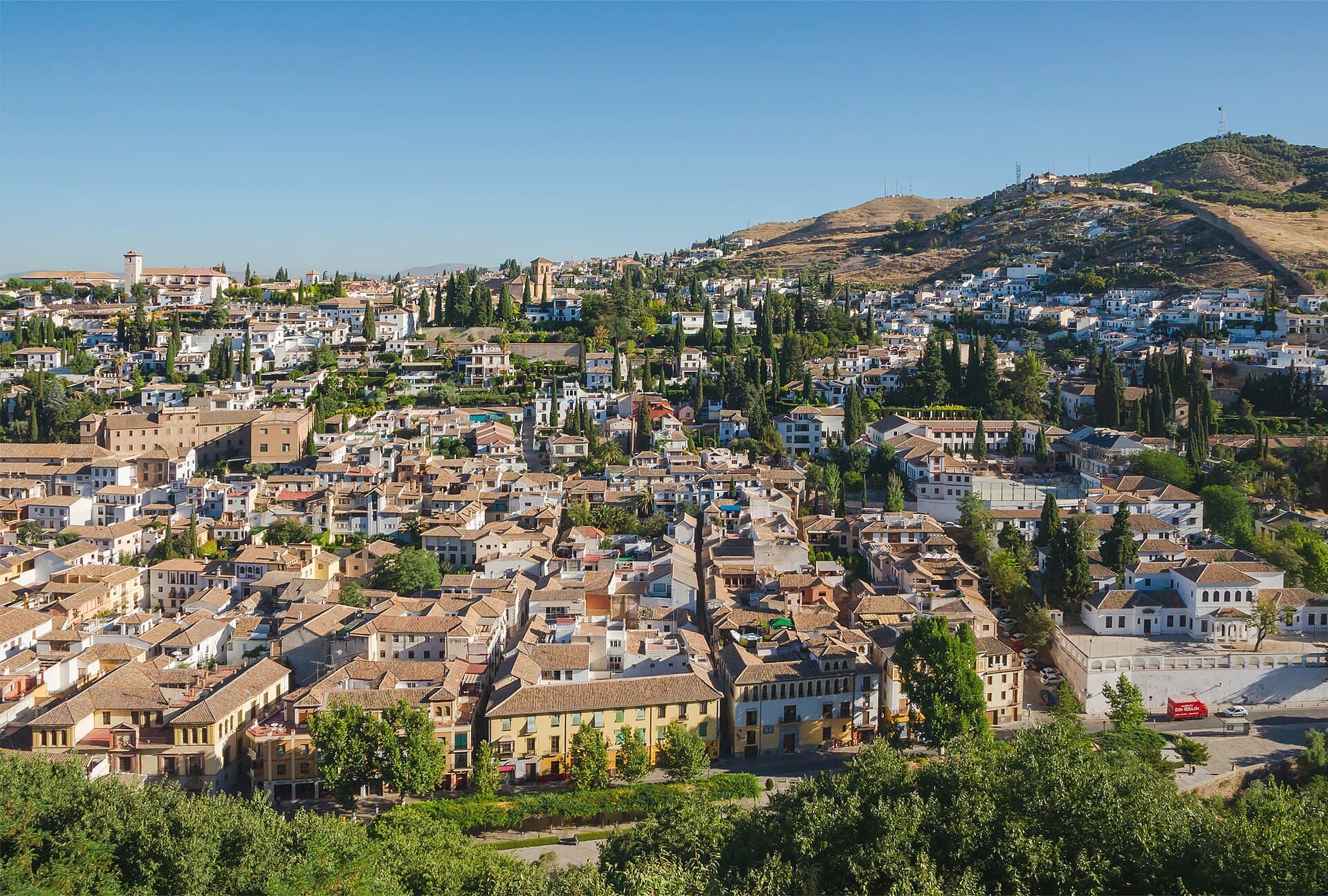 Sacromonte Caves MuseumSacromonte is the legendary gitano mountain: here the Roma dug their cave homes 4 minutes walk4.6
 Mirador de San NicolásThe San Nicolás lookout is "the world's most beautiful sunset" by a testimony at4 minutes walk4.8
 The Grand Mosque of GranadaGranada's Grand Mosque is a standing historical event: the first congregational 5 minutes walk4.7
The Alhambra is a seat of government and a fortified city; this is a noble family's house. The style is the same but the scale and purpose are entirely different. Visiting it after the Alhambra completes the picture: how the sultan governed, and how people lived.
The Albaicín is an old quarter of narrow, climbing, cobbled lanes, and the ascent is tiring in heat. Wear comfortable shoes and use a map, since the alleys tangle. Small buses run up into the quarter if you would rather not walk.
Half an hour for the house itself. But make it part of a walk through the Albaicín taking in the San Nicolás viewpoint and the Darro — the quarter as a whole is the real experience.