
The folly
A Romantic fashion inventing a history that never was.
4028mdk09 — CC BY-SA 3.0 · Radler59 (talk) — CC BY-SA 4.0 · Radler59 (talk) — CC BY-SA 4.0 · HsBerlin01 — CC BY-SA 4.0
The Riesenstein is a red sandstone outcrop on the slope of the Konigstuhl south of the old town, its name meaning the giant's stone. The rock itself is natural, but what sits on top of it is not: a small tower was built on its summit in the nineteenth century in the form of artificial Gothic ruins — a Romantic architectural fashion of the period known as the folly. The idea was that a landowner would add to a natural scene an element suggesting an ancient history it did not have, completing the romantic prospect that wealthy people of that century were preoccupied with. Heidelberg in particular was the centre of German Romanticism, so the place illustrates the taste of that era precisely. Practically it is a quiet viewpoint over the old town and the river from a southern angle, different from the famous view along the Philosophers' Walk on the opposite bank. The climb from the residential streets below is short, and the site is free, always open, and little visited compared with the city's main sights.
A Romantic fashion inventing a history that never was.
A view unlike the Philosophers' Walk one.
Riesenstein, 69117 Heidelberg
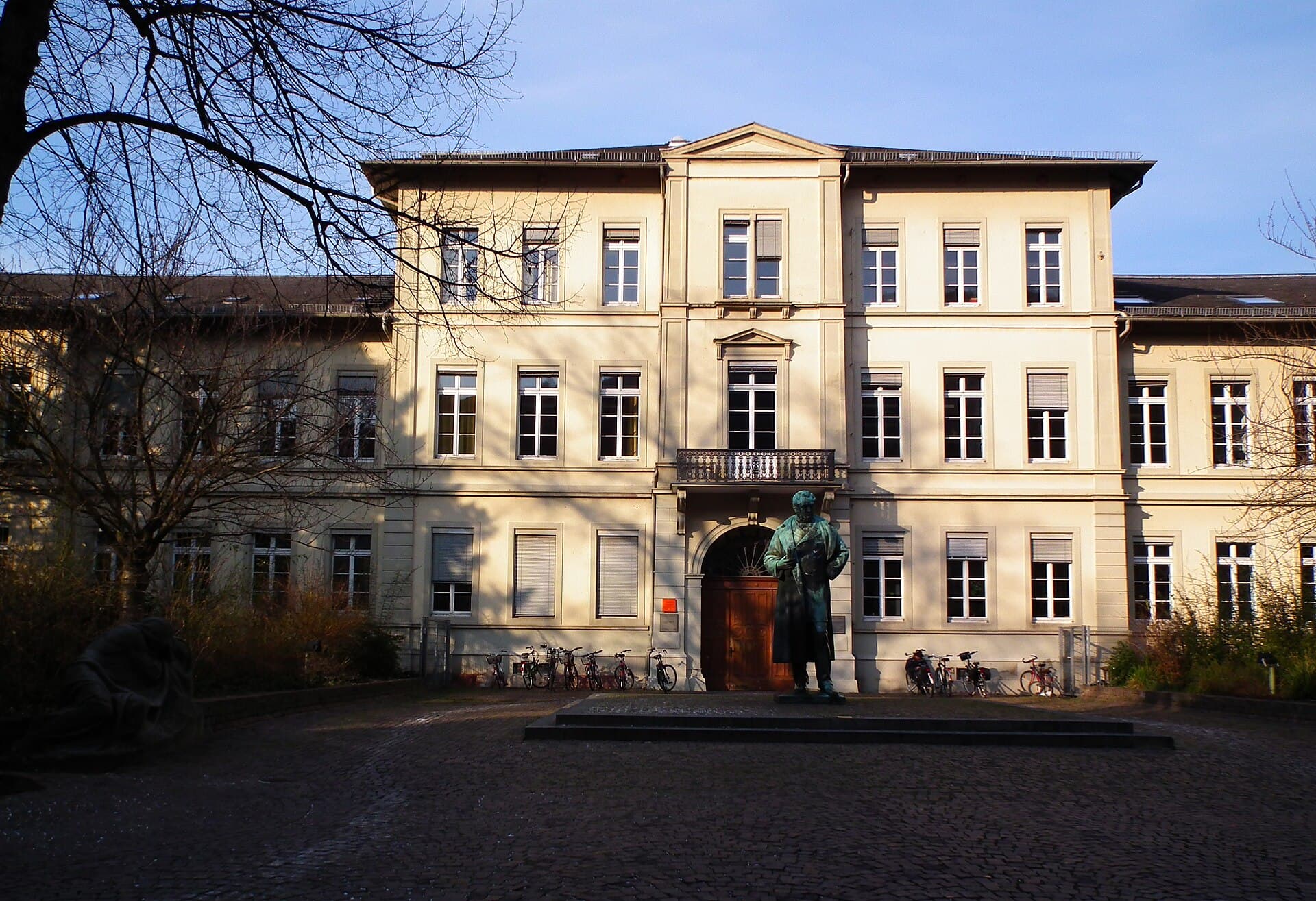 Heidelberg UniversityHeidelberg is Germany's oldest university, founded in 1386 by papal decree, and 5 minutes walk4.6
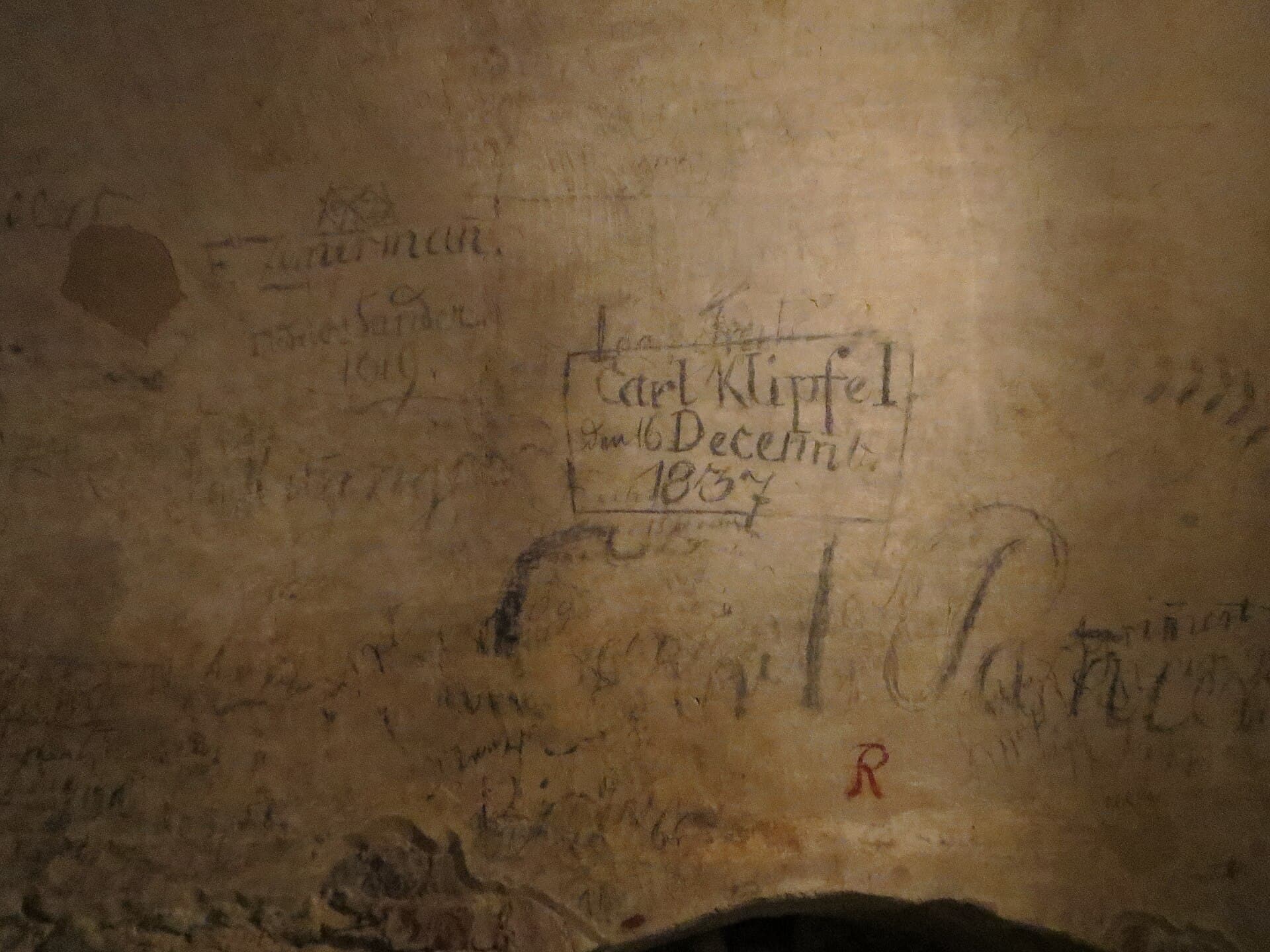 Student Prison (Studentenkarzer)The student prison is one of Heidelberg's strangest and most entertaining sights5 minutes walk4.4
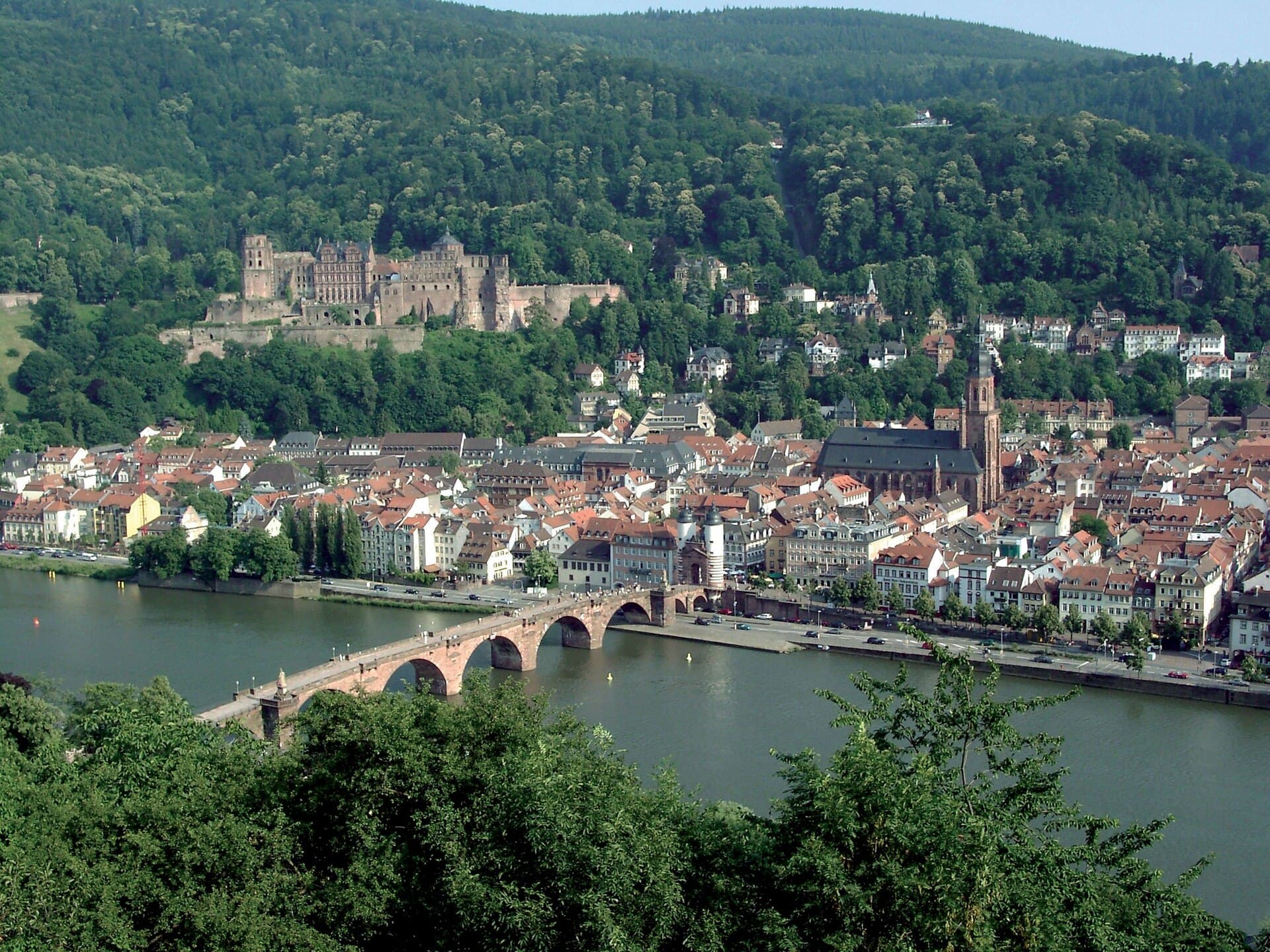 Heidelberg Old TownHeidelberg's old town is among the loveliest in Germany, for a simple reason: it6 minutes walk4.7
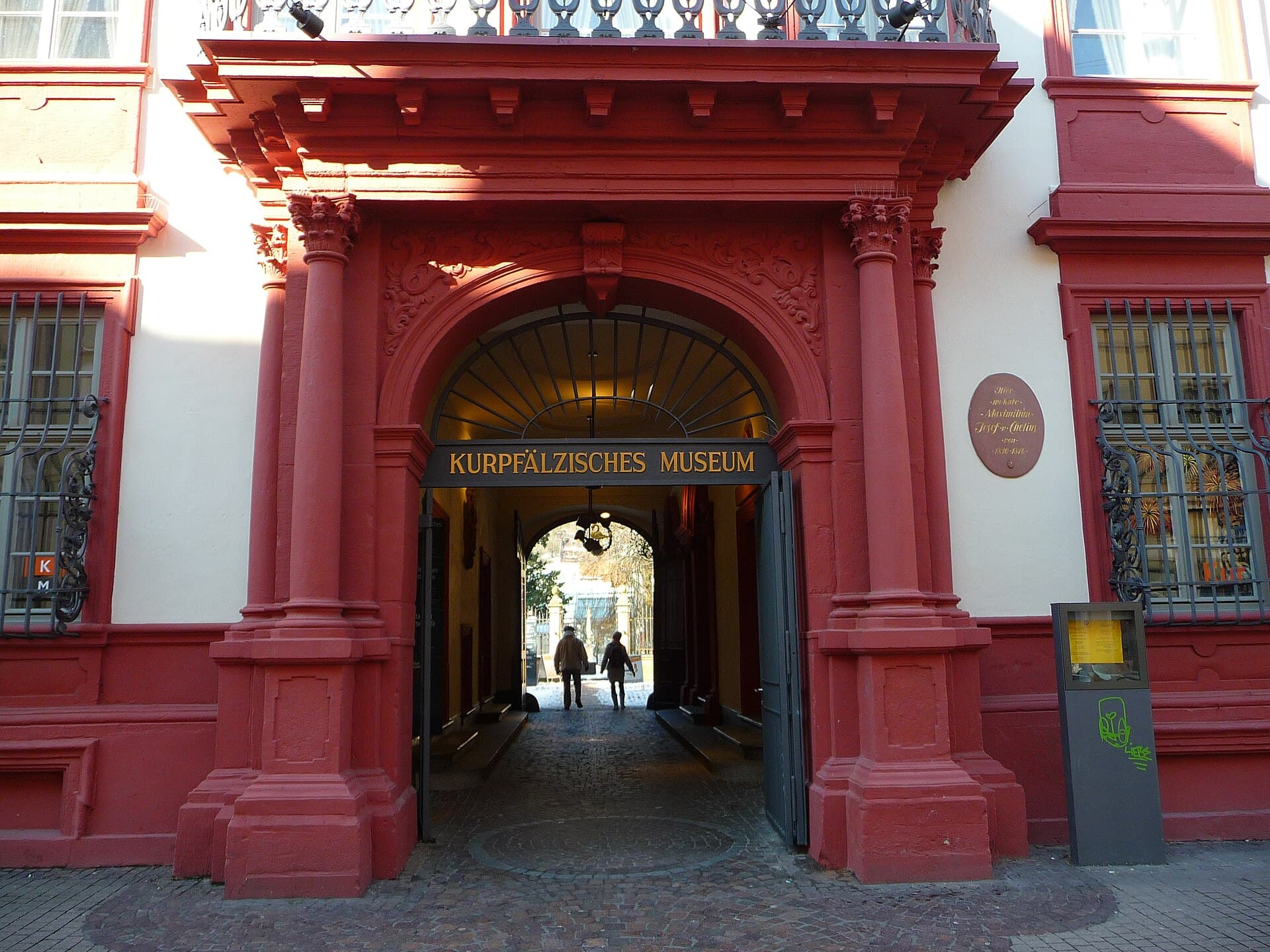 Kurpfälzisches MuseumThe Kurpfälzisches Museum is Heidelberg's city museum, housed in an eighteenth-c6 minutes walk4.4
 Heidelberg University MuseumA museum in the Old University building in Heidelberg, documenting the history o6 minutes walk4.1
It is a building deliberately constructed to look old and ruined, a fashion that spread through European gardens in the eighteenth and nineteenth centuries. The motive was both aesthetic and intellectual: the Romantic movement glorified decay and the passage of time, so having an ancient remnant in your view became a matter of taste — and anyone whose land held no real one simply built it.