
The plain dome
On an octagonal drum.
Adam Harangozó — CC BY-SA 4.0 · Jamshid Nurkulov — CC BY-SA 4.0 · Jamshid Nurkulov — CC BY-SA 4.0 · Jamshid Nurkulov — CC BY-SA 4.0 · Jamshid Nurkulov — CC BY-SA 4.0 · Jamshid Nurkulov — CC BY-SA 4.0 · Ziegler175 — CC BY-SA 4.0 · w0zny — CC BY-SA 3.0
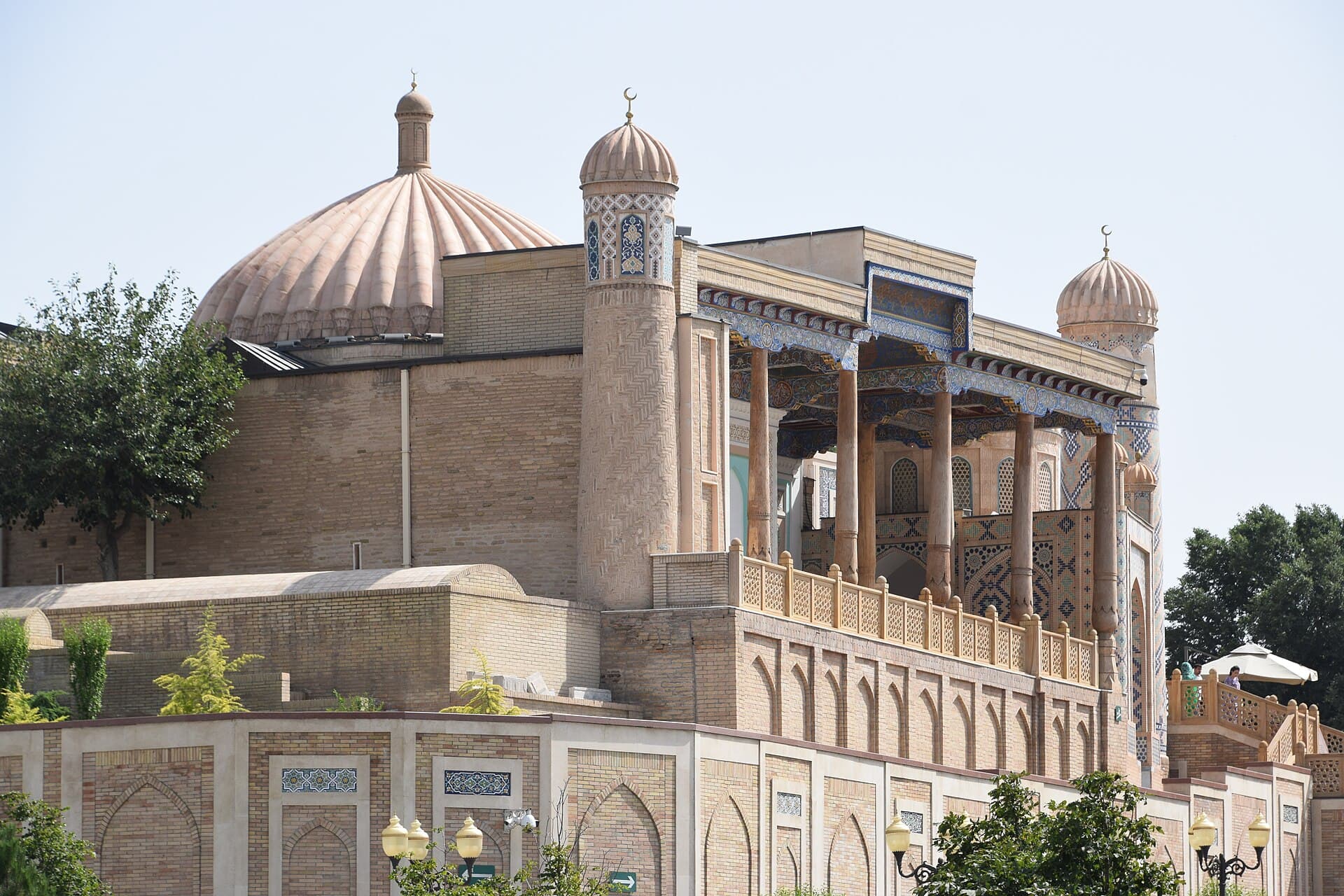
A plain but imposing domed brick mausoleum whose name, Ruhabad, means «abode of the spirit». Timur built it in 1380 over the grave of Sheikh Burhan al-Din Kilich Sagarji, a preacher and Sufi scholar who spread Islam among the tribes of East Turkestan. Sagarji was influential at the court of the Mongol Yuan dynasty in China, died there, and asked his son to bury him in Samarkand. The tomb soon became one of the city's most revered places; Timur is said to have dismounted every time he passed it. The building is quietly harmonious: a square base, an octagonal drum and a dome, with a blue-tiled frame around the portal and little other decoration, very different from the splendour of the Timurid monuments around it. Entry is free, per visitor guides, and it is a shrine, so dress modestly. It stands a few steps from the Gur-e Amir, so a short walk links the two.
On an octagonal drum.
In blue tile.
A short walk.
Near the Gur-e Amir, Samarkand
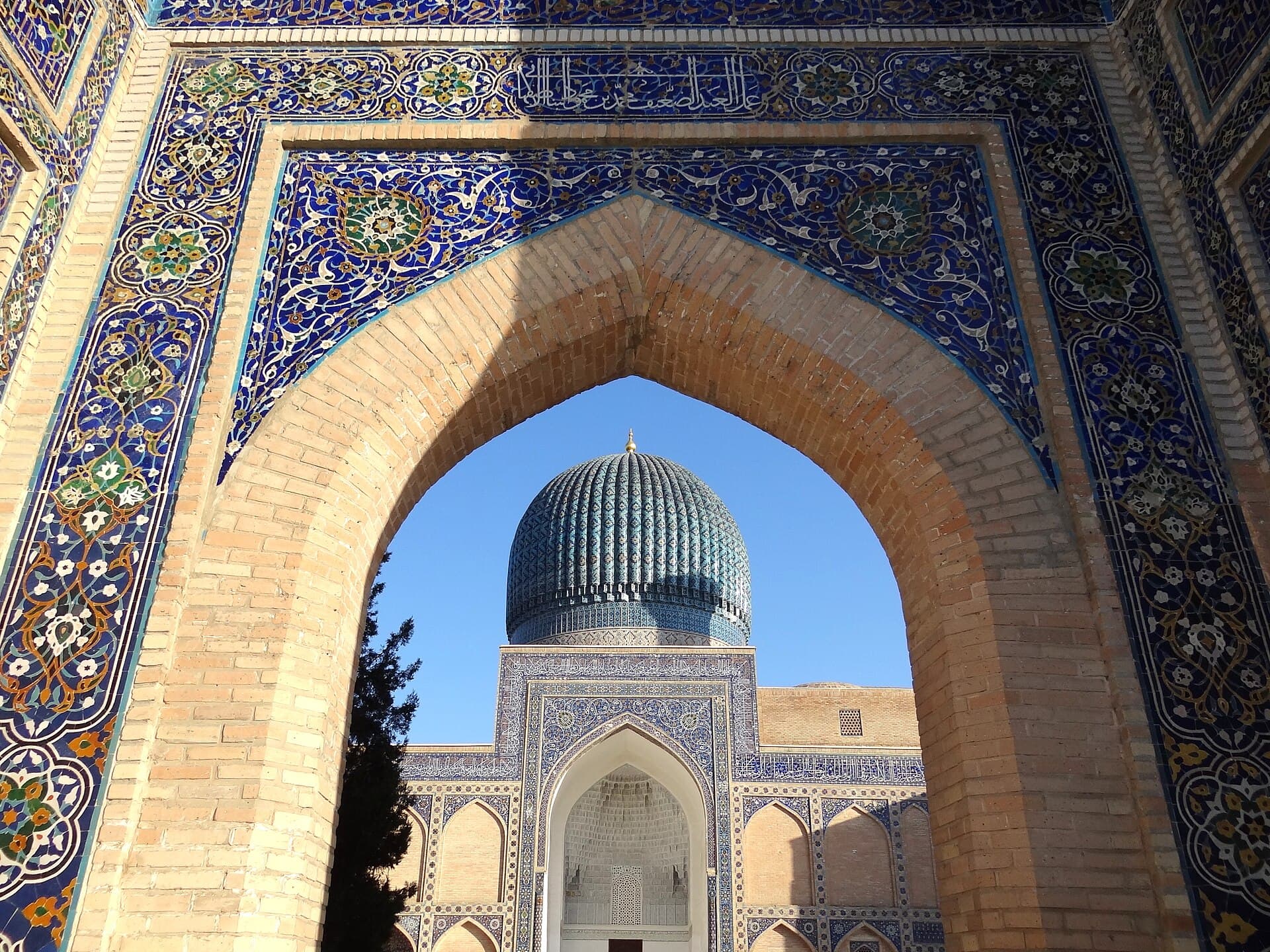 Gur-e Amir, Timur's MausoleumThe mausoleum of the Turco-Mongol conqueror Timur (Tamerlane) in Samarkand, whos3 minutes walk4.8
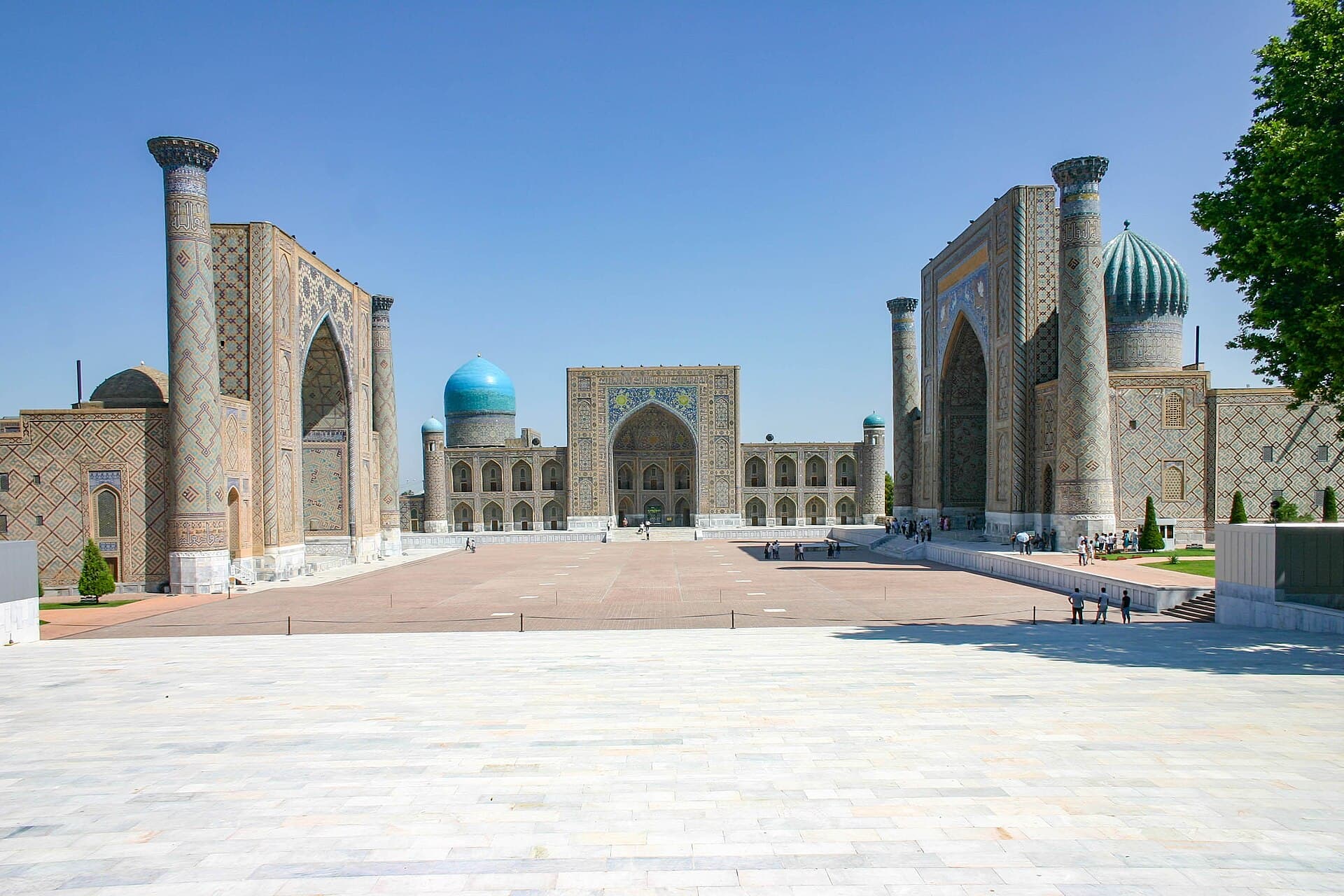 Registan SquareThe historic square at the heart of Samarkand, centre of the Timurid Empire and 10 minutes walk4.7
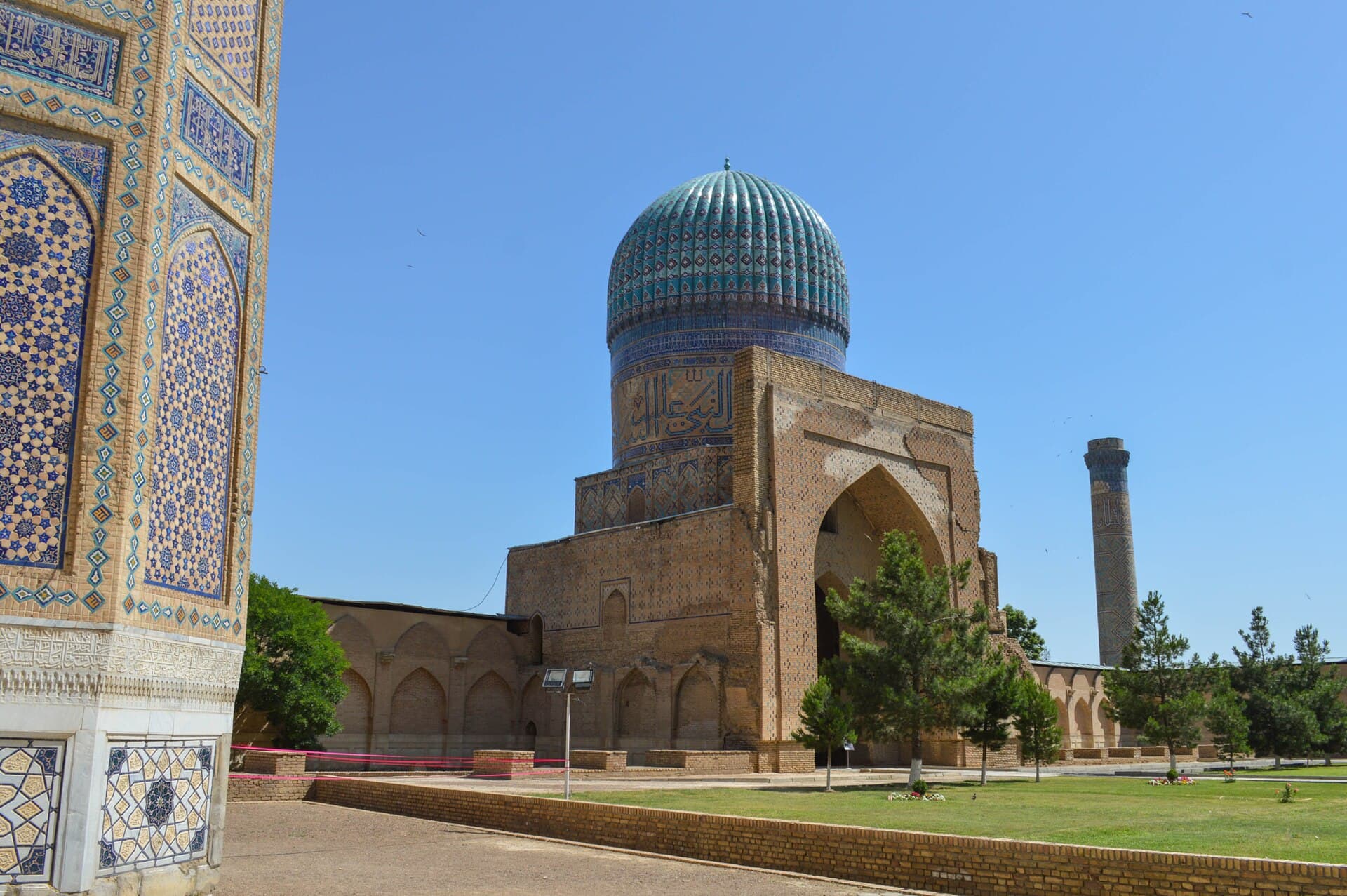 Bibi-Khanym MosqueOne of Samarkand's most important monuments and, in the 15th century, one of the19 minutes walk4.7
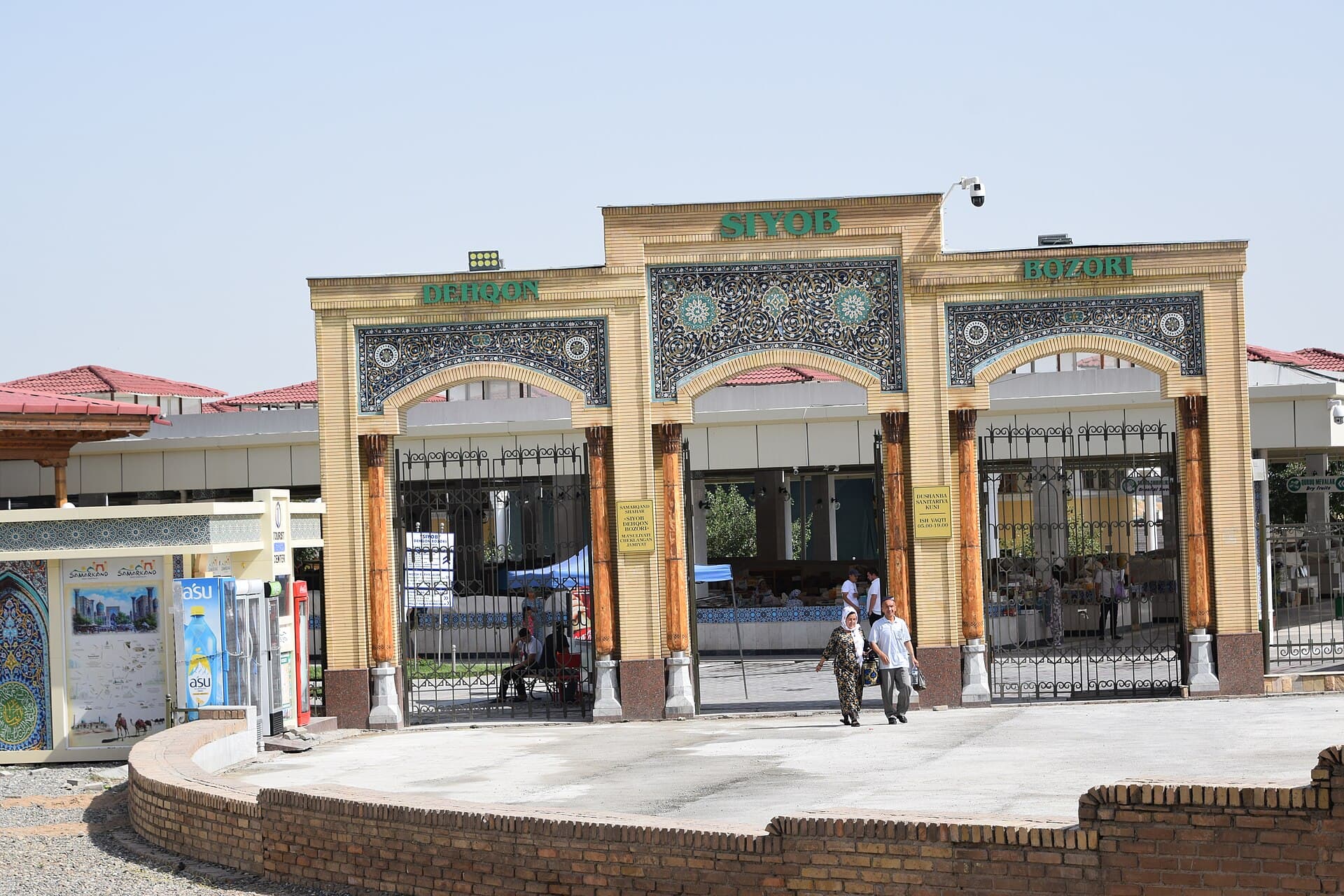 Siyob Bazaar, SamarkandSamarkand's largest bazaar, spreading over more than seven hectares in the old c20 minutes walk4.6
 Hazrat Khizr MosqueA hilltop mosque facing the Shah-i-Zinda complex, named after the Prophet Khidr 24 minutes walk4.6
Sheikh Burhan al-Din Sagarji, a Sufi preacher who died in China and asked to be buried in Samarkand; Timur built the tomb in 1380.