
The six minarets
Four at 99 metres and two at 75, they define Adana's skyline and frame the view from the stone bridge and the park.
Marcello Casal Jr/ABr. — CC BY 3.0 br · Dosseman — CC BY-SA 4.0 · Dosseman — CC BY-SA 4.0 · Dosseman — CC BY-SA 4.0
Six minarets on the west bank of the Seyhan, four of them rising to 99 metres - a figure said to echo the ninety-nine names of God - and you will see them from almost anywhere in Adana long before you arrive. This is Sabancı Central Mosque, which from its opening in 1998 until Istanbul's Çamlıca Mosque opened in 2019 was the largest mosque in the whole of Turkey - and the odd thing is that it stands not in a capital or a resort but in a city of kebab, cotton and heat on the southern plain. Architect Necip Dinç, whose design won a competition, invented nothing; he re-read classical Ottoman architecture instead. The silhouette and minarets nod to the Sultan Ahmed Mosque, the plan and interior borrow from the Selimiye in Edirne. The main dome is 32 metres across and 54 metres above the prayer floor, carried on eight massive piers known as 'elephant feet'. Roughly half the cost came from public donations; the other half was paid by Hacı Sabancı and the Sabancı family, hence the name. Around 20,000 worshippers fit inside and roughly 28,500 with the courtyard. The interior is what deserves your minutes: tiles in the classical İznik manner cover the walls in blue and coral red, calligraphy by Hüseyin Kutlu wraps the dome and mihrab, and the decorative schemes are by Semih İrteş. There is none of the age or dust of the old imperial mosques, which makes it easy on the eye and generously lit, but also leaves some visitors feeling it is 'a little too new'. It is spacious and flat, a pushchair rolls into the courtyard without trouble, and there are no stairs worth mentioning. Entry is free and open outside the five daily prayers, with a longer closure to sightseeing at Friday midday when it fills to capacity. Headscarf and covered legs are required and shoes come off at the door, as anywhere. The best view is not from inside but from the Roman stone bridge, Taşköprü, about 750 metres south, or from the riverside promenade of the adjacent Merkez Park at dusk when the minarets are lit and mirrored in the water. In August Adana tops 40°C, so go early morning or after sunset and pair it with a stroll in the park and an Adana kebab dinner on the bank.
Four at 99 metres and two at 75, they define Adana's skyline and frame the view from the stone bridge and the park.
Walls clad in İznik-style tiles and Hüseyin Kutlu's calligraphy circling a dome 32 metres across.
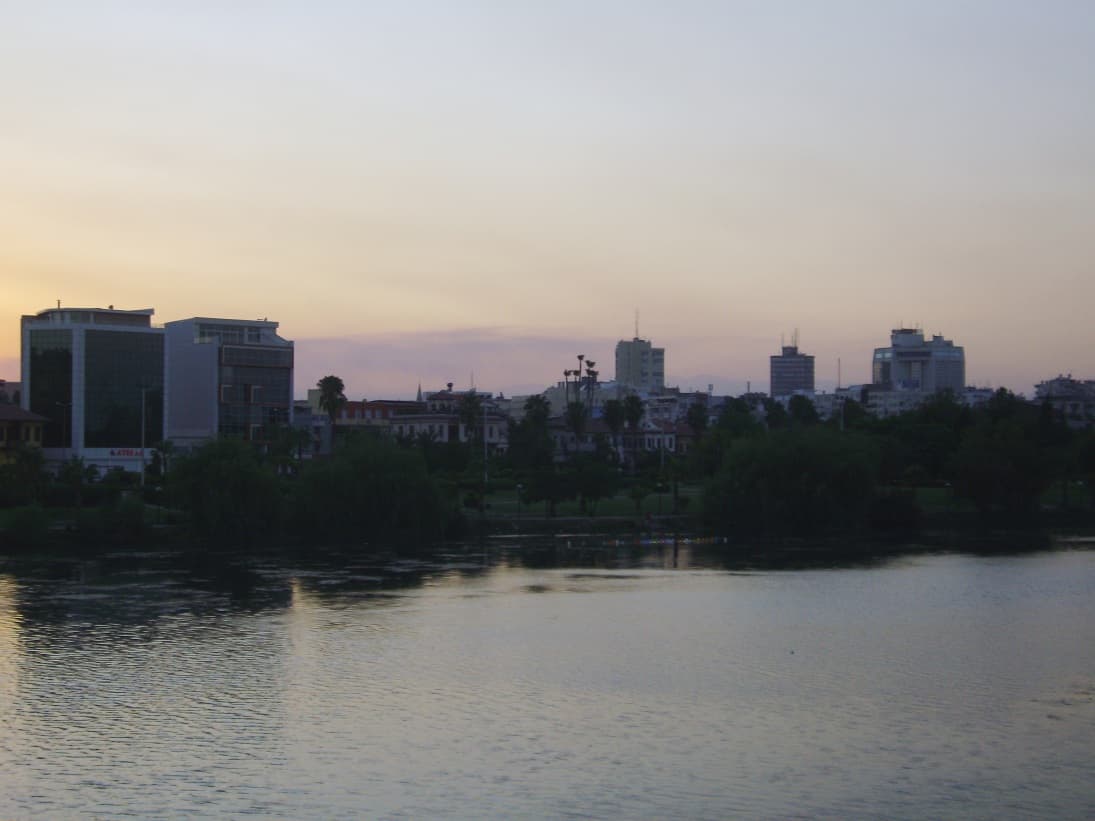
The Merkez Park promenade and Taşköprü give the best shot when the minarets light up and mirror in the river.
Reşatbey Mah., Fuzuli Cd., 01120 Seyhan, Adana
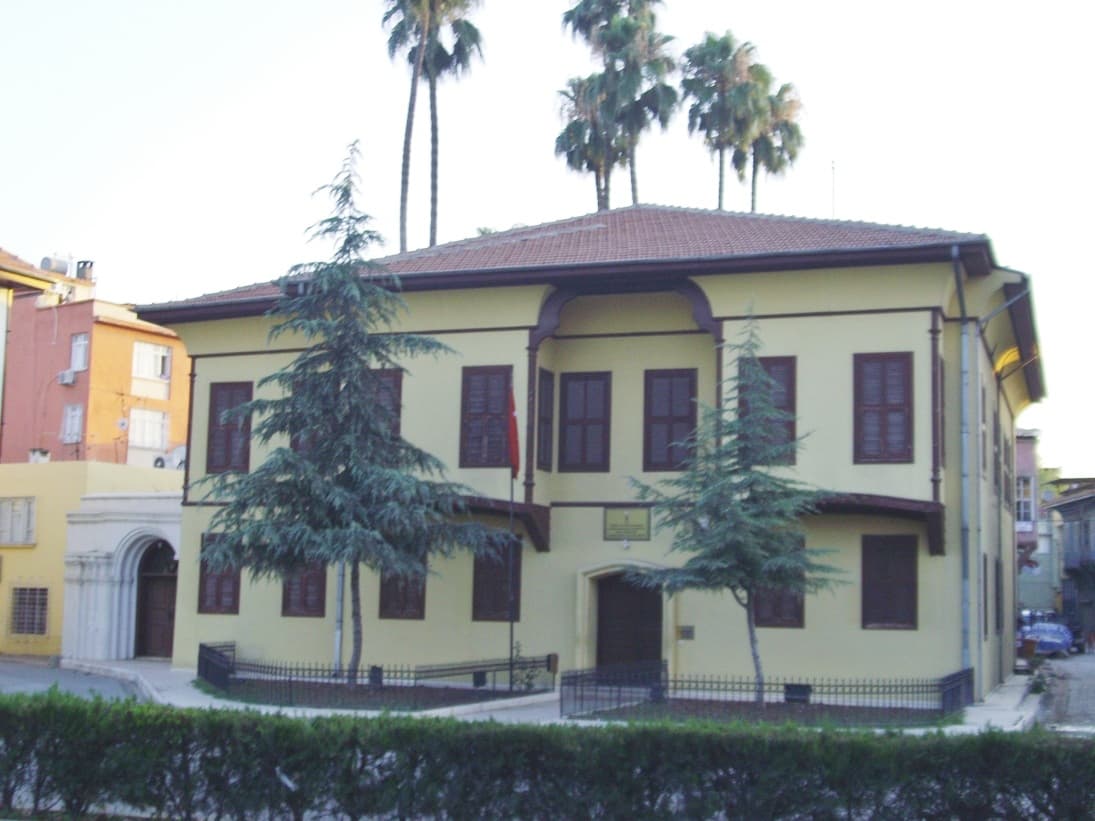 Atatürk Museum (Adana)One visit was all it took. Mustafa Kemal Atatürk and his wife Latife Hanım staye5 minutes walk
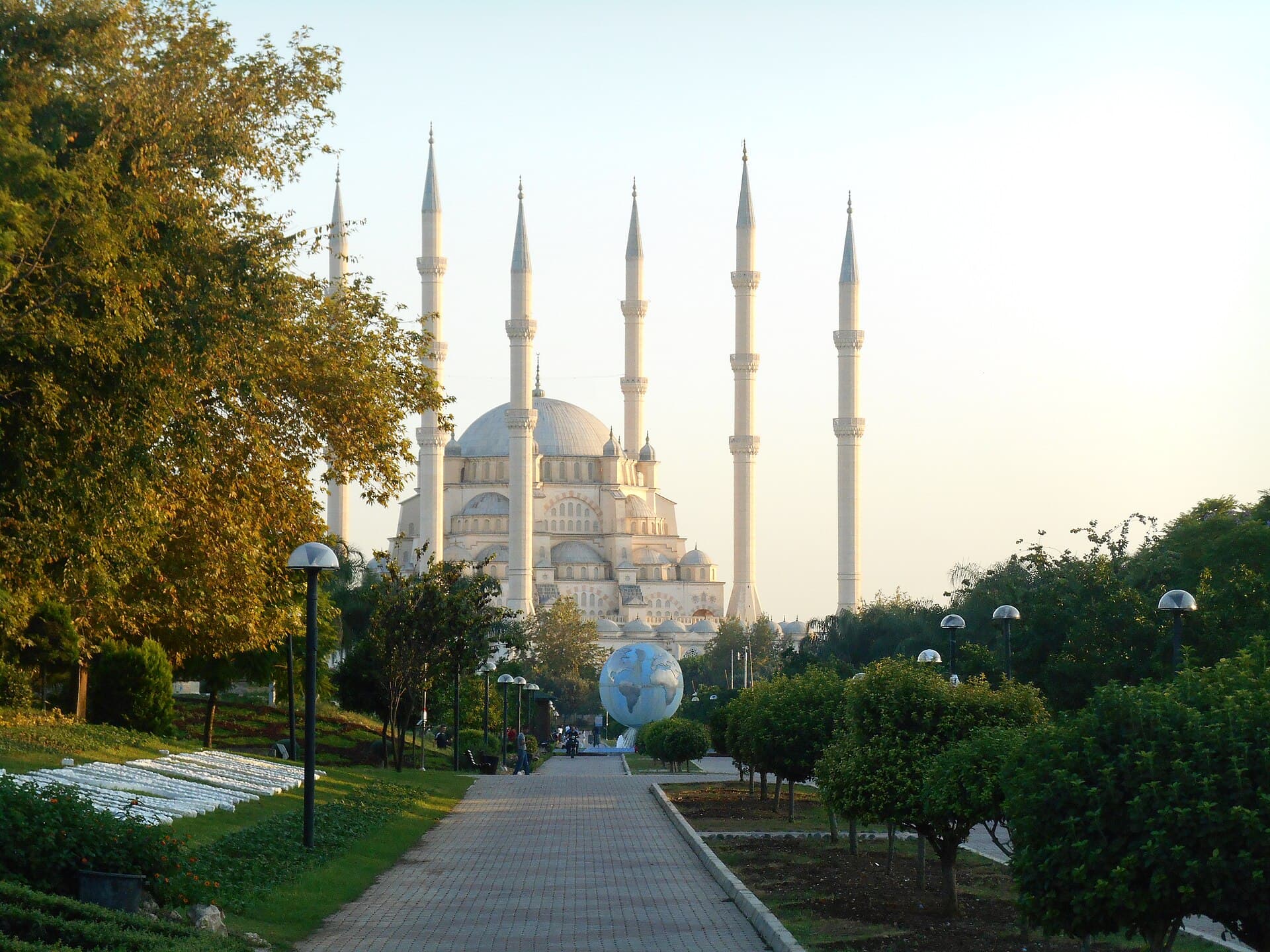 Merkez ParkOne of Türkiye's largest city parks is not in Istanbul or Ankara but on the two 6 minutes walk
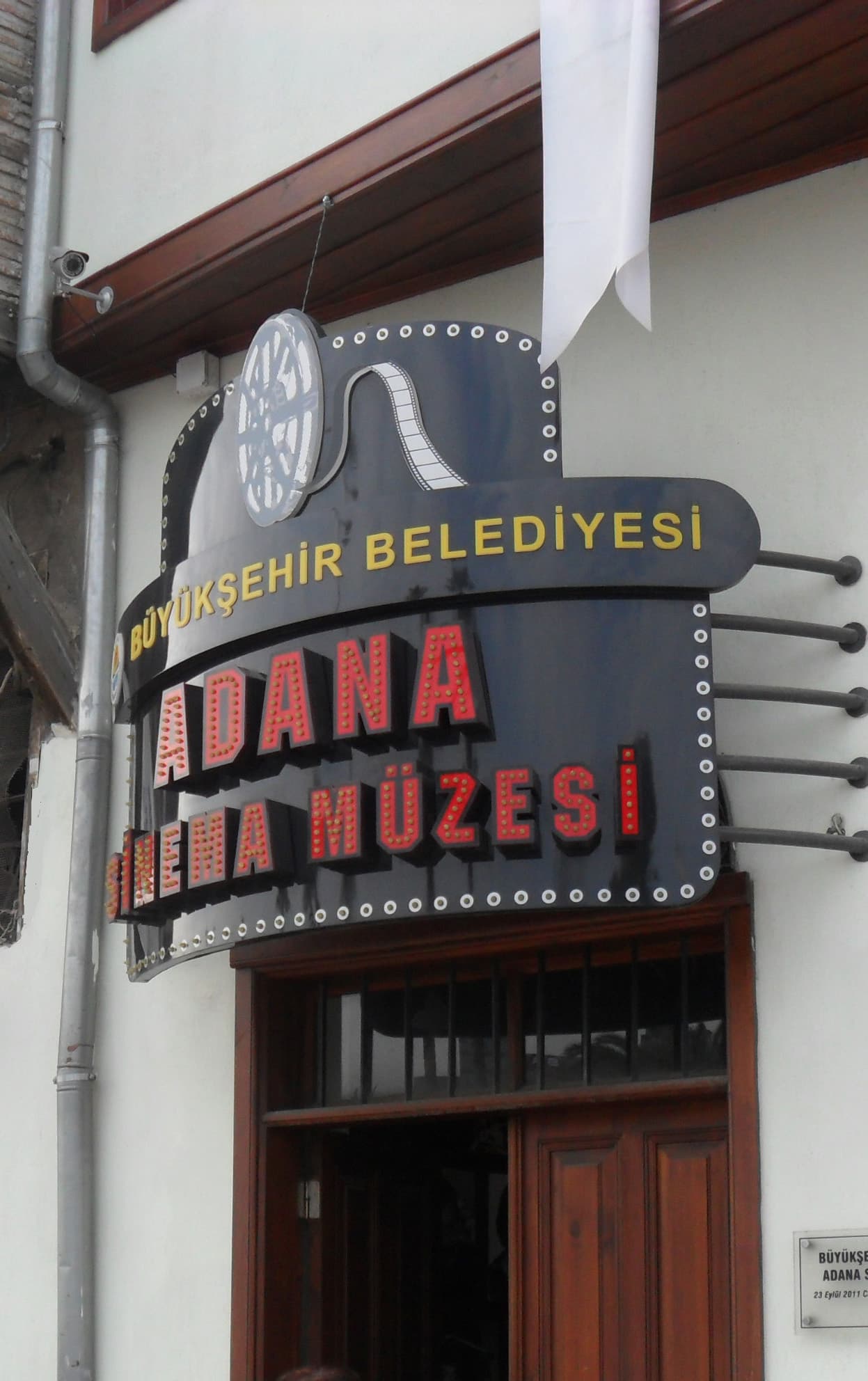 Adana Cinema MuseumUpstairs, Yılmaz Güney sits in wax in a room that is his alone, surrounded by ph6 minutes walk
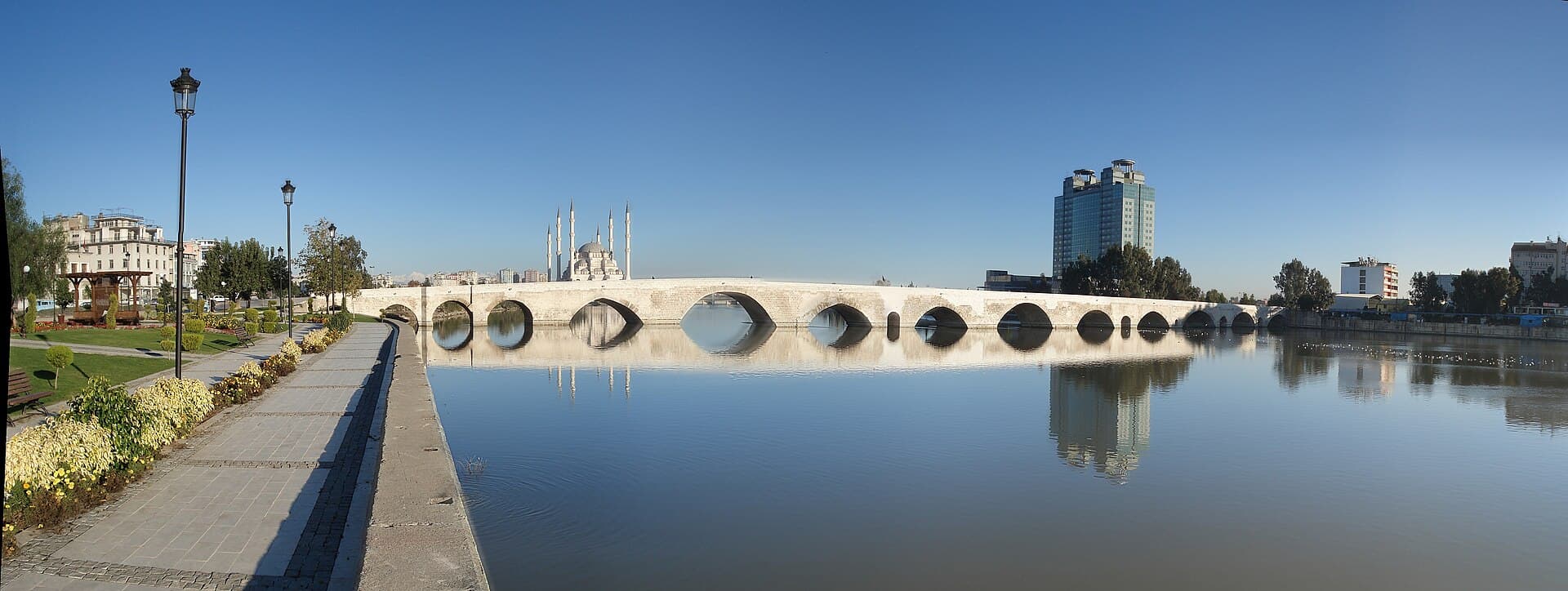 Taşköprü (Stone Bridge)Until 2007 this Roman bridge was one of the oldest in the world still carrying m7 minutes walk
 Tepebağ Historic QuarterThe low hump in the middle of flat central Adana is not a hill at all but a city9 minutes walk
Inside, it will not outdo either - it is a modern building in the same idiom. But it is the best piece of architecture Adana has, and the riverside view at dusk earns half an hour if you are in the city anyway. Do not travel to Adana for it alone.
Yes. The courtyard is wide and flat, pushchairs roll in easily, and Merkez Park sits right beside it with paths and playgrounds. Avoid midday in summer; Adana's heat is punishing.