
The upstairs rooms
A bedroom, sitting room and study restored with period furniture as though the family never left.
Seyhan668 — CC BY-SA 3.0 · John Lubbock — CC BY-SA 2.0 · John Lubbock — CC BY-SA 2.0 · John Lubbock — CC BY-SA 2.0
One visit was all it took. Mustafa Kemal Atatürk and his wife Latife Hanım stayed in this house from 15 March 1923 during his tour of Adana, and that short stay turned a Ramazanoğlu family mansion into a state museum where the anniversary is still marked every year. The house is much older than the visit: Suphi Pasha of the Ramazanoğlu clan built it in the late nineteenth century in the manner of Adana's prosperous households, two storeys of stone and brick with projecting timber bays looking over Tepebağ, the oldest quarter in the city, on the bank of the Seyhan. A local association first made it a museum in 1976; it opened to the public as a Ministry of Culture museum on 19 May 1981, the centenary of Atatürk's birth, closed for repairs after the 1998 earthquake and reopened on 15 March 2003. The ground floor holds just two rooms: a study hung with the city's old newspapers and a library of around two thousand Ottoman and Turkish books. Upstairs is both the home and its archive: a bedroom, a study, a sitting room, a press room and a chamber for the fighters who held Cilicia against the French occupation, then a Hatay room, a weapons room, the aide-de-camp's quarters and a National Forces room lined with photographs and documents from the War of Independence, with a wax figure of Atatürk in the hall. You will see pictures of Atatürk's Adana visits, a handful of personal effects and period furniture, and that is the whole of it. Set expectations accordingly. This is a modest house-museum, not a major collection, and thirty to forty minutes covers it. What earns the stop is the building itself, with its handsome Ottoman restoration, and where it stands: the Cinema Museum is literally next door, the Roman stone bridge Taşköprü is a five-minute walk south, and the Ulu Cami is close to both. Treat it as one stop on a Tepebağ walking loop rather than a destination in its own right. Entry is free, the museum closes on Mondays, and on other days it runs 08:30-17:00 with the door shut to new visitors at 16:30. The internal staircase is narrow timber, so a pushchair stays downstairs, and small children will lose interest fast. In July and August Adana is among the hottest, most humid cities in Turkey; do the loop first thing in the morning and finish by the river.
A bedroom, sitting room and study restored with period furniture as though the family never left.
Photographs and papers from the War of Independence in Cilicia, the most rewarding stop for history-minded visitors.
A late nineteenth-century Ottoman mansion in the heart of Tepebağ, projecting timber bays and a carefully restored facade.
Kayalıbağ Mahallesi, Seyhan Caddesi No. 59, Tepebağ, Seyhan, Adana
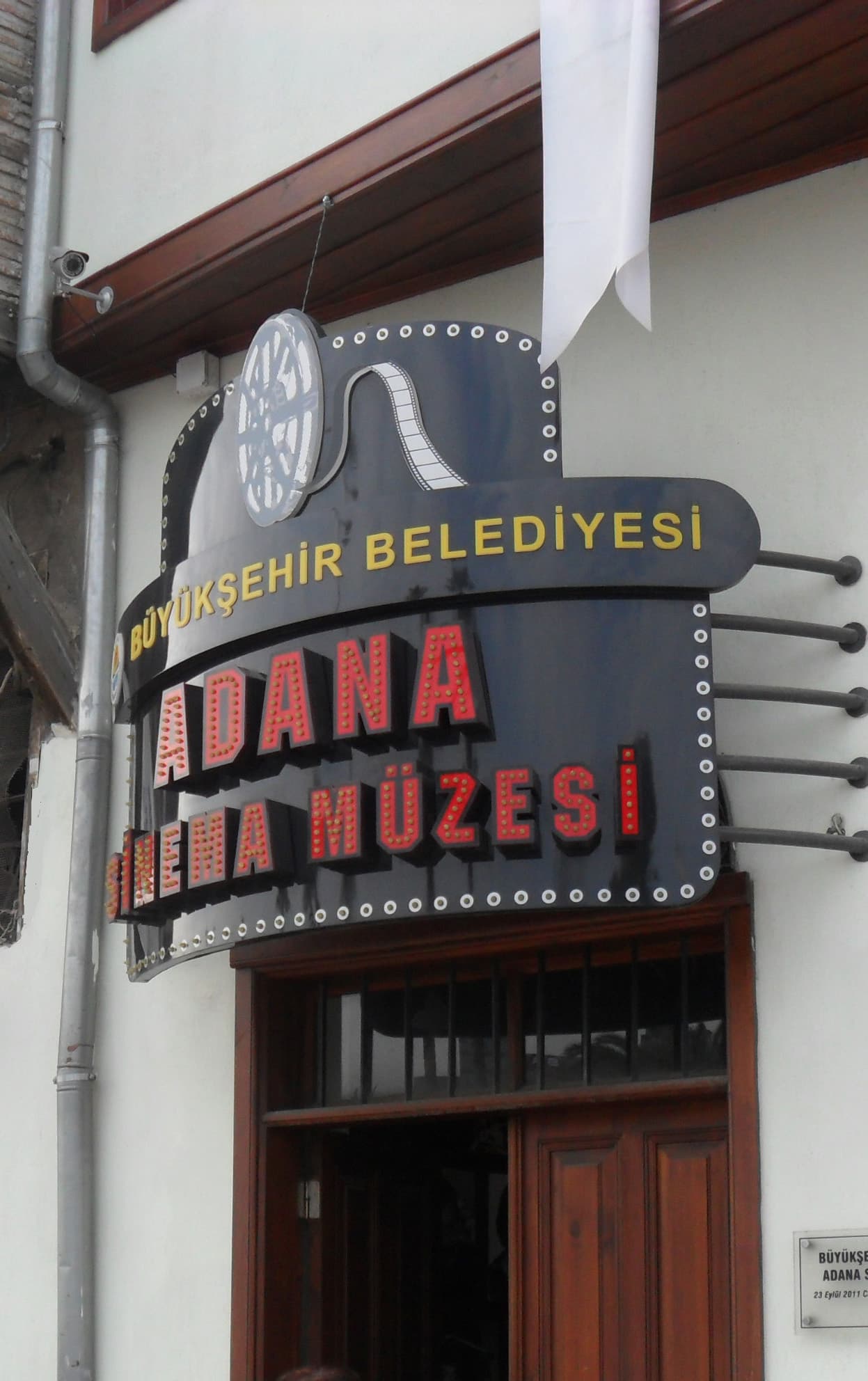 Adana Cinema MuseumUpstairs, Yılmaz Güney sits in wax in a room that is his alone, surrounded by ph2 minutes walk
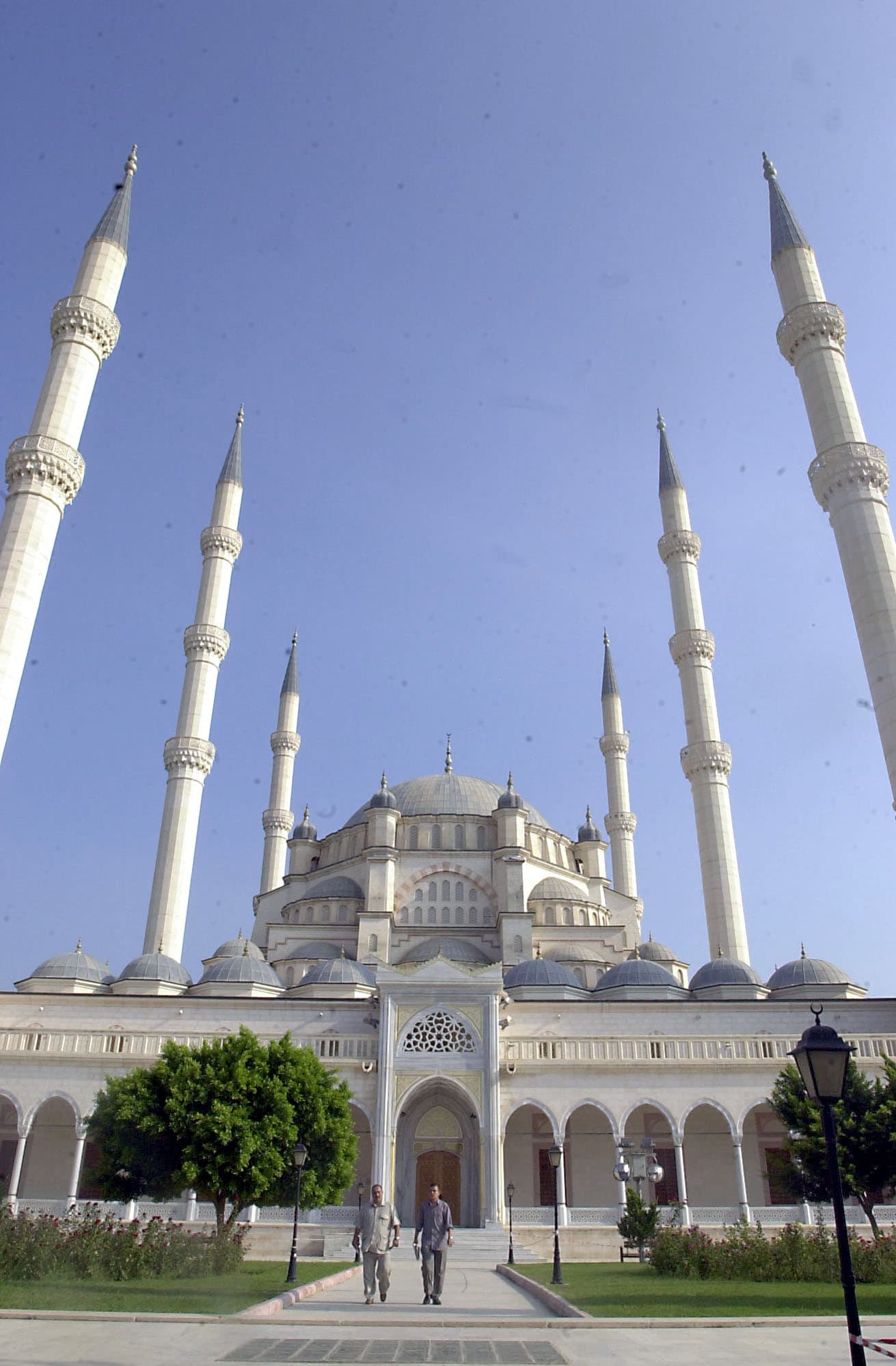 Sabancı Central MosqueSix minarets on the west bank of the Seyhan, four of them rising to 99 metres - 5 minutes walk
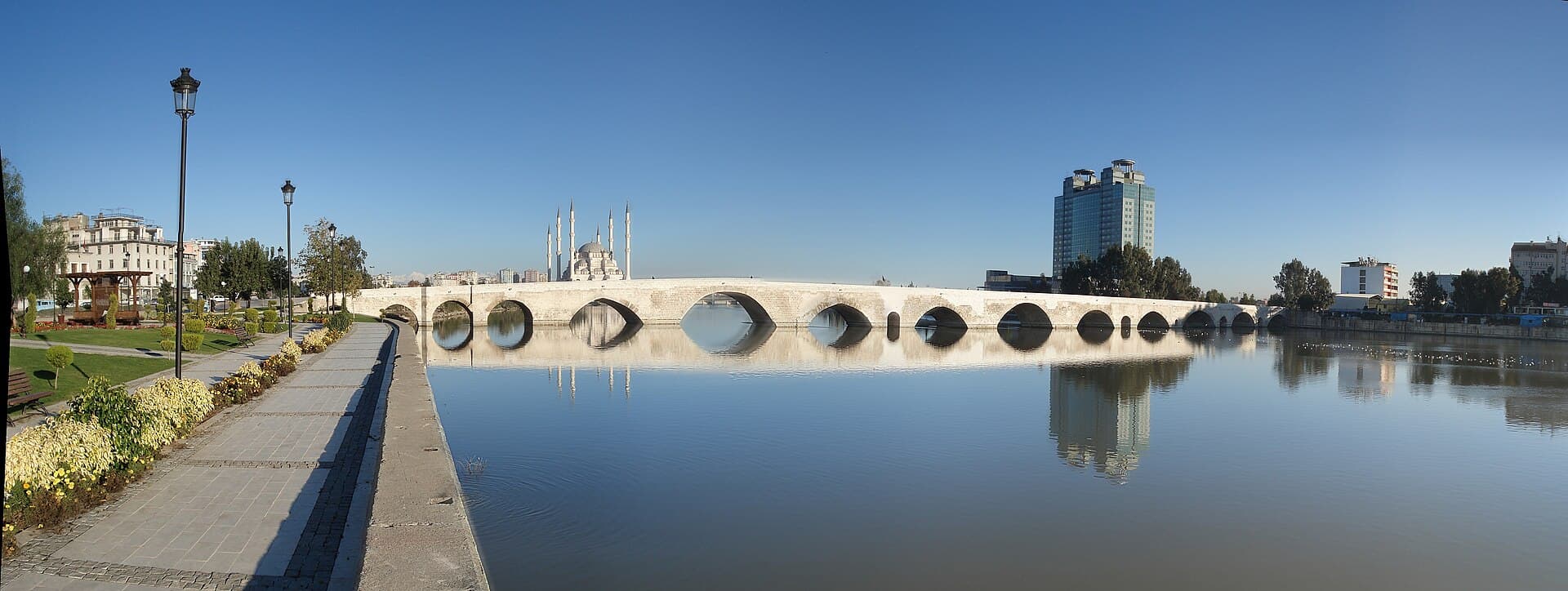 Taşköprü (Stone Bridge)Until 2007 this Roman bridge was one of the oldest in the world still carrying m5 minutes walk
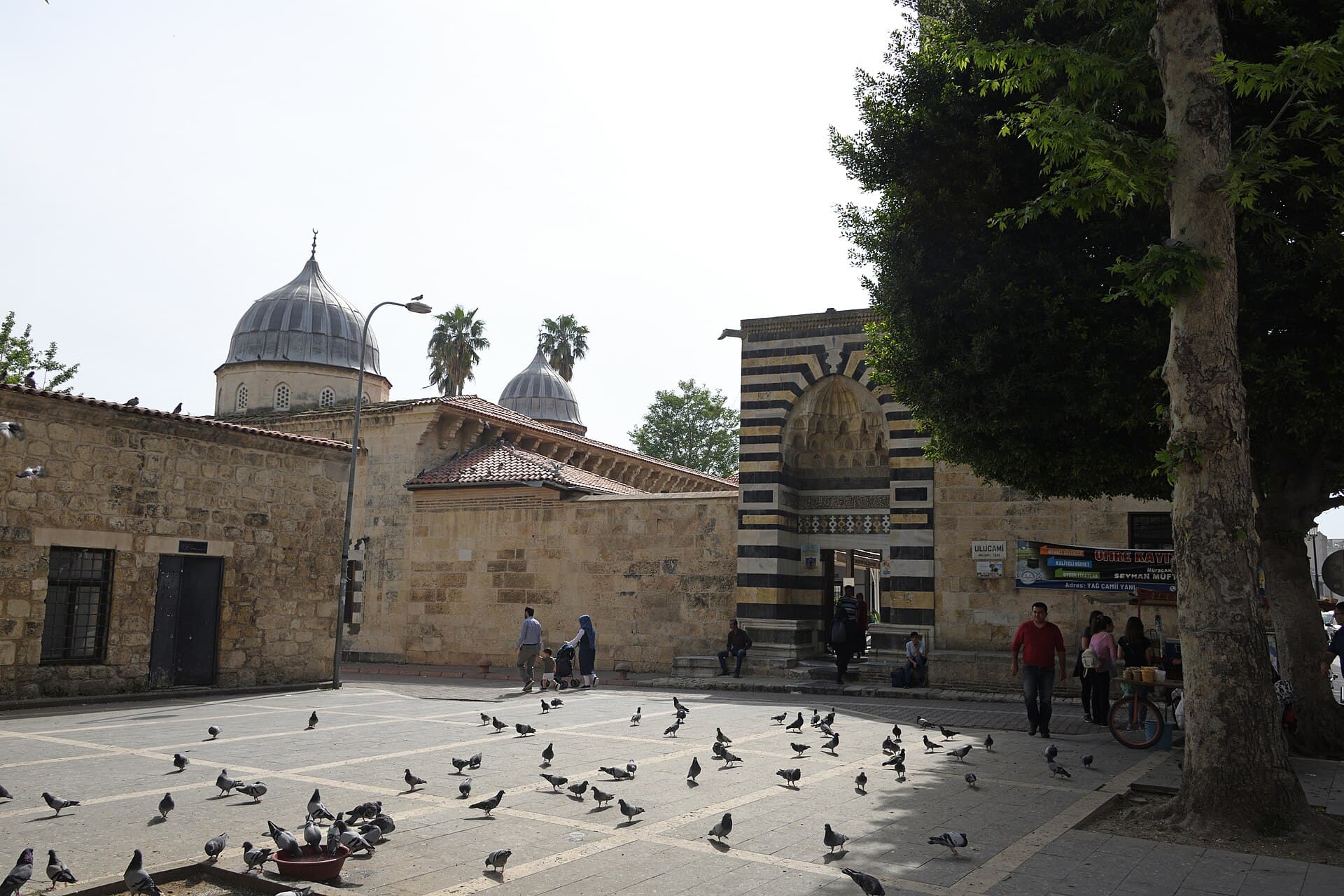 Great Mosque of Adana (Ulu Cami)The first thing you notice is that this mosque does not look Anatolian at all: w5 minutes walk
 Tepebağ Historic QuarterThe low hump in the middle of flat central Adana is not a hill at all but a city5 minutes walk
On its own, no. But it is free and a few steps from the Cinema Museum, Taşköprü and the Ulu Cami, so if you are already walking Tepebağ, give it half an hour; if you must choose one museum, the big Adana Archaeology Museum by the stadium matters far more.