
Layers of history
Roman in origin, repaired by Byzantines, Umayyads, Abbasids and Ottomans, and carrying cars until 2007.
MUSTAFA TOR — CC BY-SA 2.5 · Dosseman — CC BY-SA 4.0 · Rotadefterim — CC BY-SA 4.0 · Mesutdemirrci — CC BY-SA 4.0
Until 2007 this Roman bridge was one of the oldest in the world still carrying motor traffic: roughly nineteen centuries of continuous load, from trade caravans coming up from the Mediterranean to twentieth-century lorries. Cars are gone now and the deck belongs to walkers. It is the image Adana's own residents pick for their city, and it turns up in its folk songs, running some 300 metres across the Seyhan River between the Seyhan and Yüreğir banks. Its history is layered like the masonry. Construction is attributed to Hadrian's reign in the second century AD; Justinian repaired it after temporarily diverting the river to reach the foundations; the Umayyads rebuilt it under al-Walid II, when it was known for a time as Jisr al-Walid; the Abbasids worked on it under al-Mu'tasim, and the Ottomans returned to it repeatedly, under Ahmed III in 1713 and Abdülmecid in 1847 among others, before the Republic gave it a thorough restoration in 1948. Of the original twenty-one arches, fourteen stand clear of the water today; the rest lie buried under river silt and later works to regulate the riverbed. The cobbled paving underfoot dates from an Ottoman governor at the turn of the twentieth century, and the carriageway was then widened from about three metres to eight so that motor vehicles could use it. Set your expectations honestly: crossing bank to bank takes ten minutes, and the bridge alone will not fill an hour. Its real value is as the hinge of a riverside walk. From the western end a few minutes on foot bring you into the Kazancılar bazaar, the old quarter and the Ulu Mosque; northwards along the same bank a promenade brings you in about twenty minutes to the Sabancı Central Mosque and Merkez Park, both visible from mid-bridge, minarets and trees together. The cafes by the western bridgehead do a decent tea stop. Come at sunset or after. The bridge is lit at night and the river breeze takes the edge off Adana, one of the hottest cities in Turkey: in July and August the midday temperature sits around 35°C and heatwaves push it past 40°C, so do not plan a crossing before evening. The deck is flat with no steps, fine for pushchairs and older relatives, and there are no fees, gates or hours; it is simply part of the street plan. In April the Orange Blossom Carnival fills the city with parades, and the bridge itself hosts occasional cultural performances.
Roman in origin, repaired by Byzantines, Umayyads, Abbasids and Ottomans, and carrying cars until 2007.
The minarets of the Sabancı Central Mosque and the trees of Merkez Park over the water, best at sunset.
A few minutes' walk from the Kazancılar bazaar and the Ulu Mosque, with riverside cafes for a tea stop.
Karasoku Mahallesi, Seyhan – Yüreğir, Adana
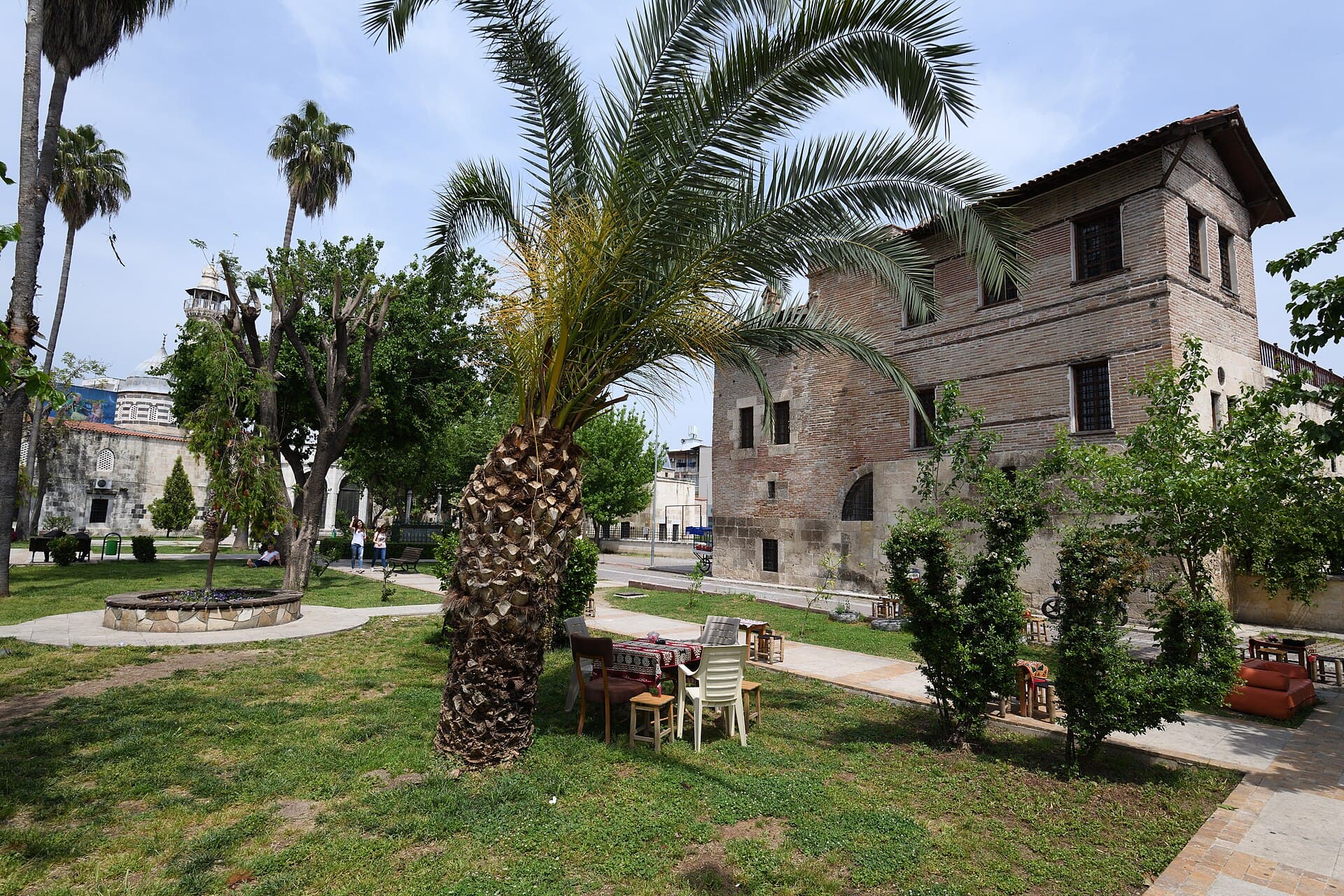 Ramazanoğlu HallA few steps from Adana's Great Mosque stands one of the oldest surviving houses 4 minutes walk
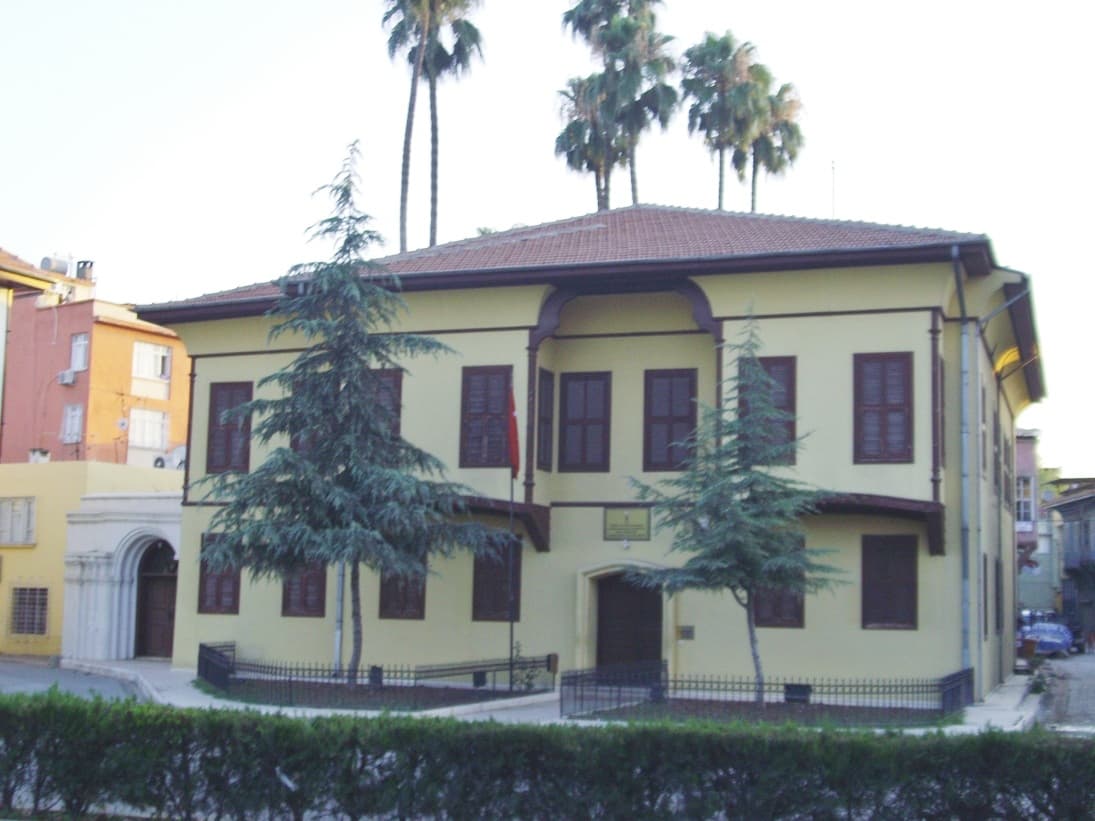 Atatürk Museum (Adana)One visit was all it took. Mustafa Kemal Atatürk and his wife Latife Hanım staye5 minutes walk
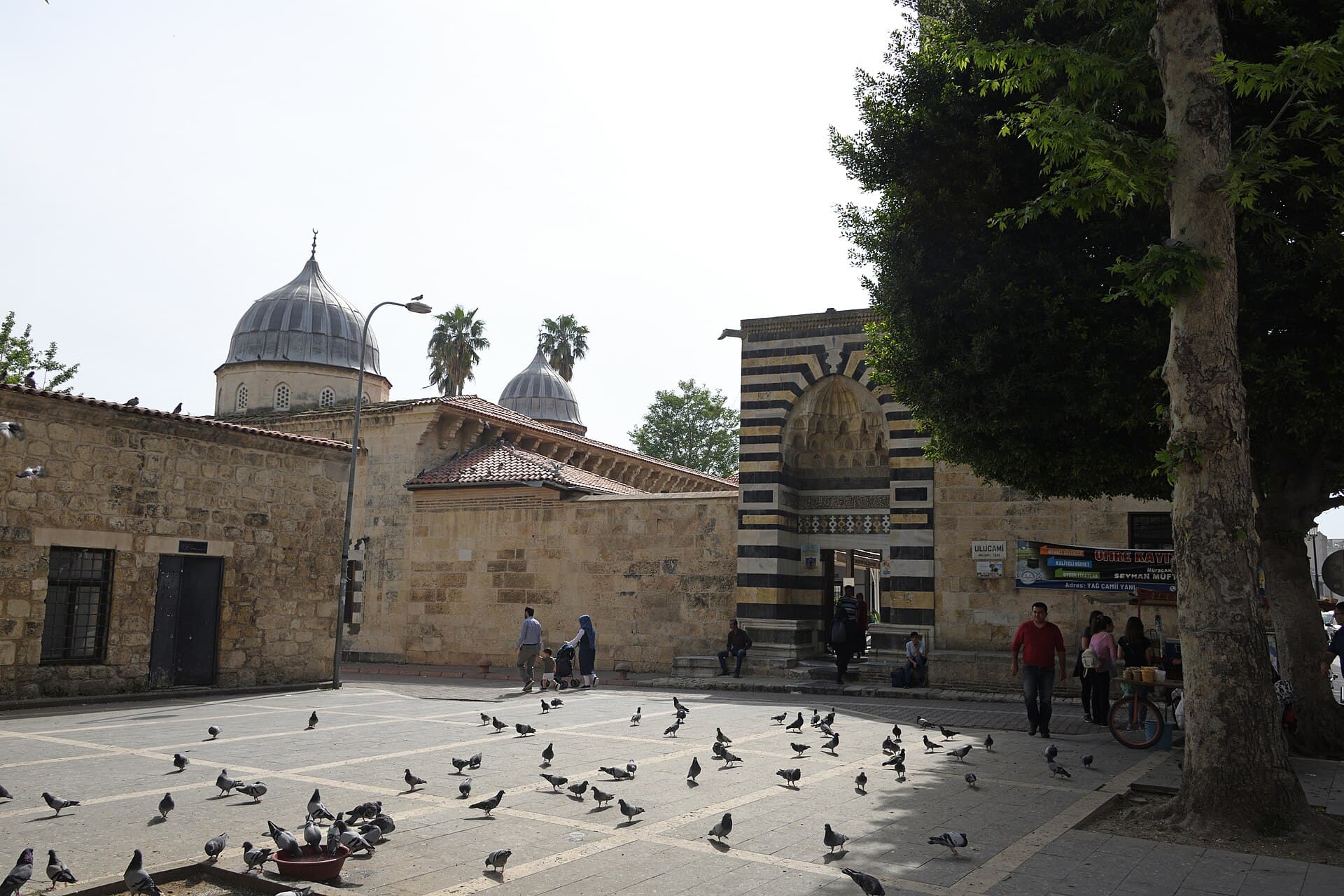 Great Mosque of Adana (Ulu Cami)The first thing you notice is that this mosque does not look Anatolian at all: w5 minutes walk
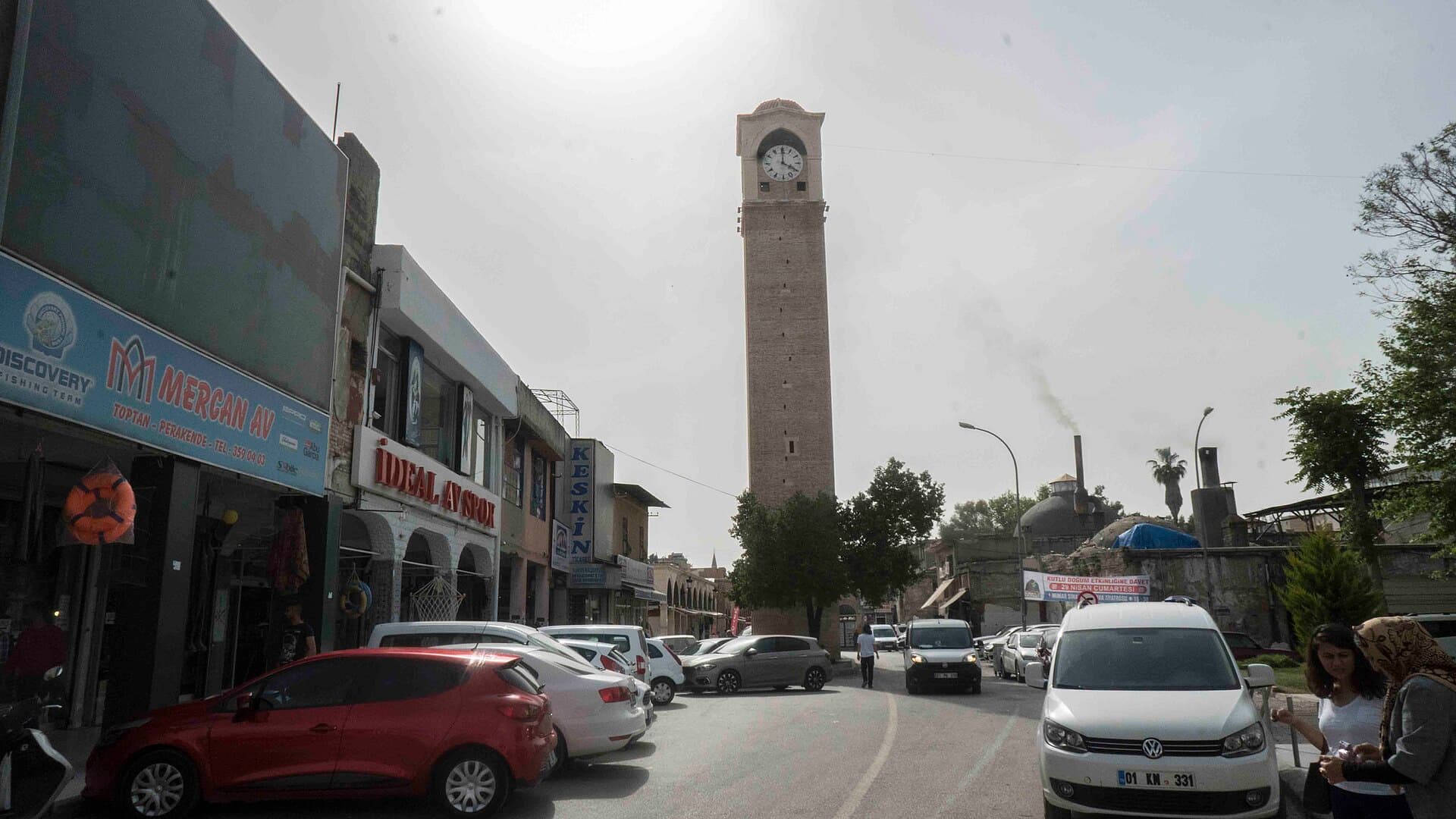 Büyük Saat (Great Clock Tower)Thirty-two metres of red brick rising out of a coppersmiths' bazaar five centuri6 minutes walk
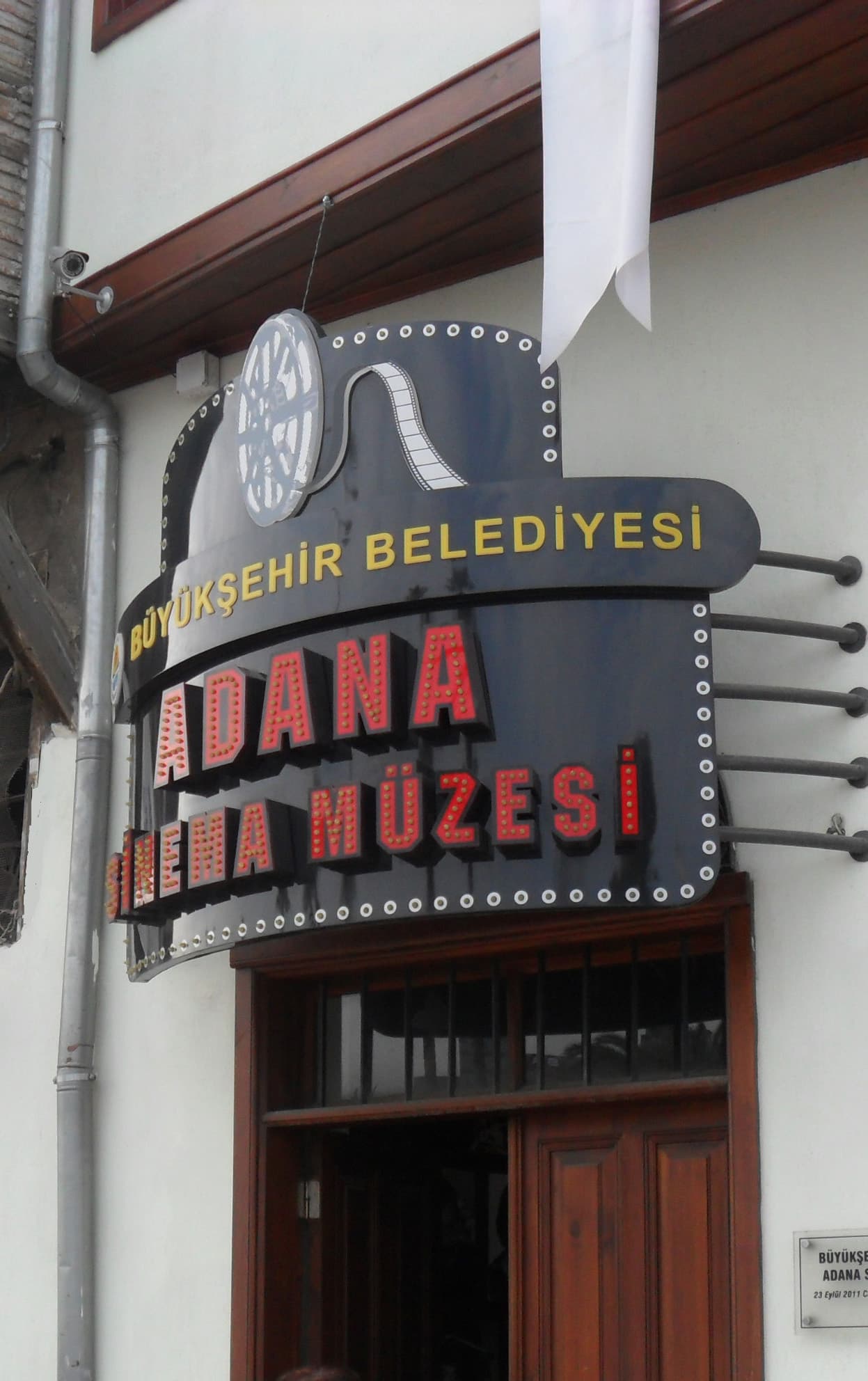 Adana Cinema MuseumUpstairs, Yılmaz Güney sits in wax in a room that is his alone, surrounded by ph7 minutes walk
Not a trip on its own: the crossing is ten minutes and there is nothing to enter or climb. Make it the start of an evening loop instead, old quarter and Kazancılar bazaar from the western end, then the promenade north to the Sabancı Mosque and Merkez Park, and you have two hours that earn their keep.
After sunset, and only then. Adana is one of Turkey's hottest cities, around 35°C at midday and past 40°C in a heatwave, with no shade on the deck. Once the sun is down the bridge is lit, a breeze comes off the river and the cafes and promenade are at their liveliest.