
Suphi Pasha's mansion
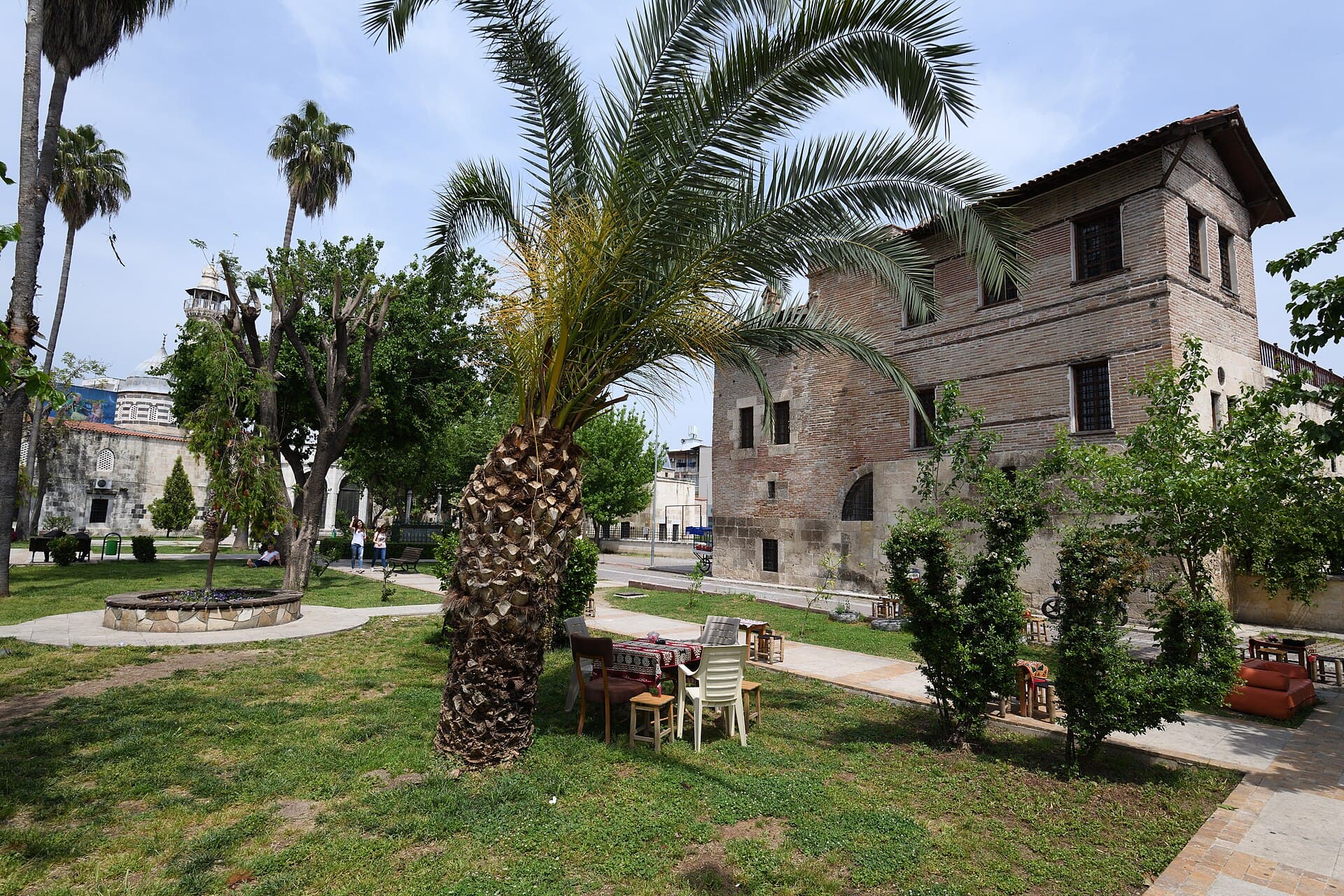
The grandest and best-restored house in the quarter, Atatürk's lodging in 1923 and now a free museum with its rooms furnished as they were.
The low hump in the middle of flat central Adana is not a hill at all but a city stacked on a city: thousands of years of mud-brick houses collapsing onto one another until they made a mound, and archaeologists think it is the site of 'Adaniya', named in Hittite records as one of the chief cities of Cilicia. Adana Museum's dig, opened in 2013 and run in fits and starts since (a new season of soundings began in summer 2026), has traced continuous settlement from the Late Bronze Age to the Ottoman period, more than 3,000 years of it, turning up along the way a North Syrian cylinder seal of about 1800 BC, Egyptian seals, the remains of a 7th-century-BC palace from the years of Assyrian rule, and Byzantine and Ottoman layers on top. All of it, however, sits behind a fence, and from the street you see trenches and spoil heaps and not much else. What you actually get is the neighbourhood that grew on top: narrow lanes twisting between 19th-century Ottoman houses, stone below and timber above, with closed wooden bays jutting over the street as though eavesdropping on passers-by. A handful have been lavishly restored. The best known is Suphi Pasha's mansion, where Atatürk and his wife Latife Hanım stayed on his visit to Adana in March 1923 and which is now the Atatürk Museum; a short walk away the metropolitan municipality turned two adjoining row houses into the Adana Cinema Museum, a nod to a city that has produced a striking number of Turkey's actors and directors. But between one restored house and the next stand others with padlocked doors, smashed windows and sagging roofs, and the overall impression is of an old quarter being rescued slowly rather than a polished old town of the Safranbolu or Bursa kind. So take it for what it is: a walk of under an hour that starts at the Roman-era Taşköprü bridge, climbs into the lanes, dips into the two museums (both free; the Atatürk Museum 08:30-17:00, closed Monday, the Cinema Museum in daytime hours, usually 08:00-17:00) and finishes at the Ulu Cami and the Büyük Saat clock tower a few minutes on. The paving is uneven and stepped, so a pushchair is a nuisance and children tend to lose interest fast. Go in daylight, and in summer before ten in the morning: Adana in July and August is among the hottest and most humid cities in Turkey, and the only shade in these lanes is what the bays cast. There is a reason to come back in a few years. Since early 2026 the governorship has been driving the 'Historic Tepebağ Project' to restore what remains of the quarter, find new uses for the finished mansions and lay out the neighbouring Ziya Paşa park, and the long-announced plan is to open the dig itself as an archaeological park. Until then, this is a site in the middle of being saved, not a destination in its own right; fold it into half a day in old Adana rather than making a special journey.
The grandest and best-restored house in the quarter, Atatürk's lodging in 1923 and now a free museum with its rooms furnished as they were.
Two adjoining Ottoman-era houses restored by the municipality to tell Adana's long affair with Turkish cinema through posters, wax figures and the memorabilia of its stars.
The unrestored houses show the style most honestly: stone below, timber above, and a closed bay leaning out over the lane.
Tepebağ Mahallesi, Seyhan, behind Taşköprü on the west bank of the Seyhan river
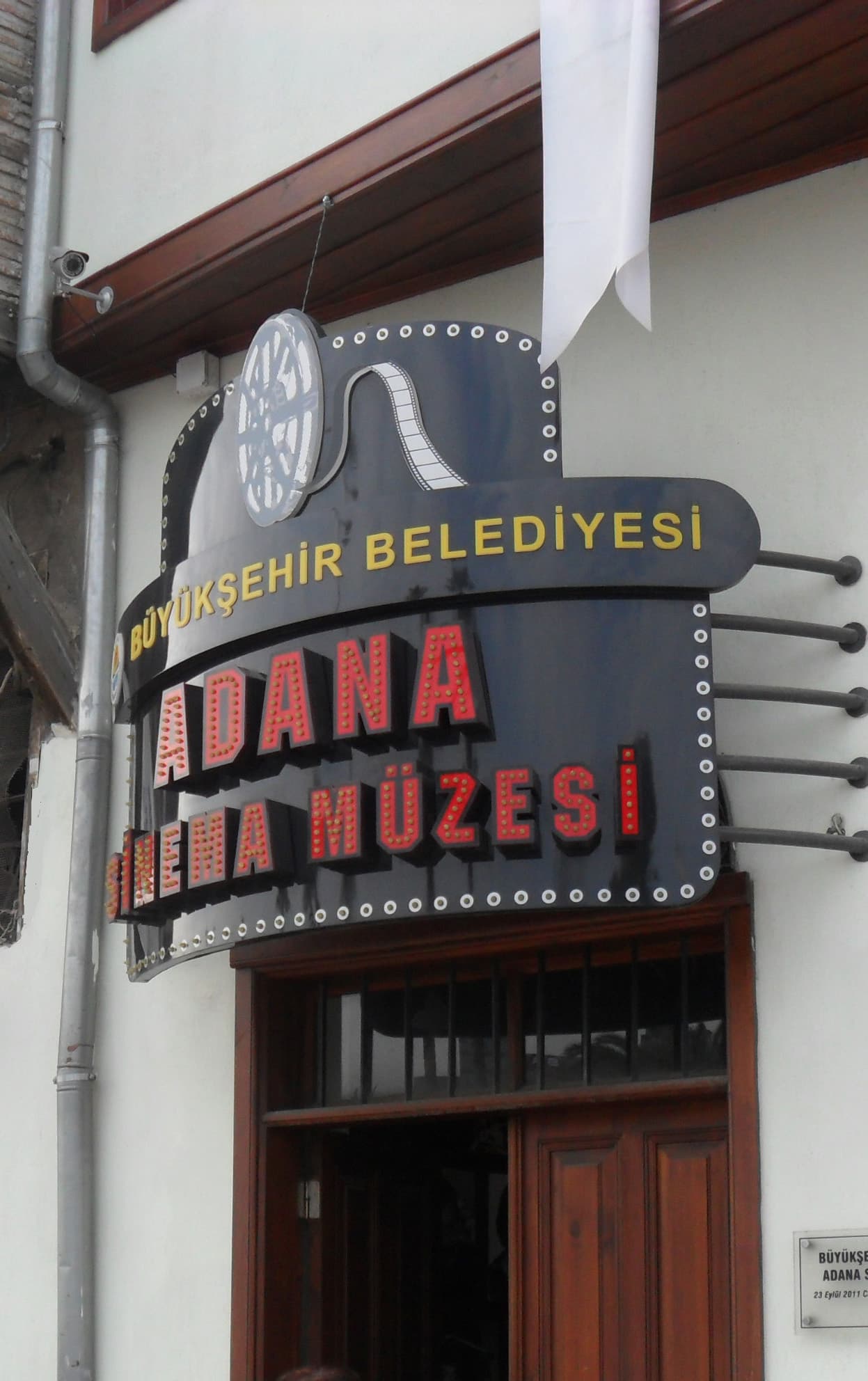 Adana Cinema MuseumUpstairs, Yılmaz Güney sits in wax in a room that is his alone, surrounded by ph3 minutes walk
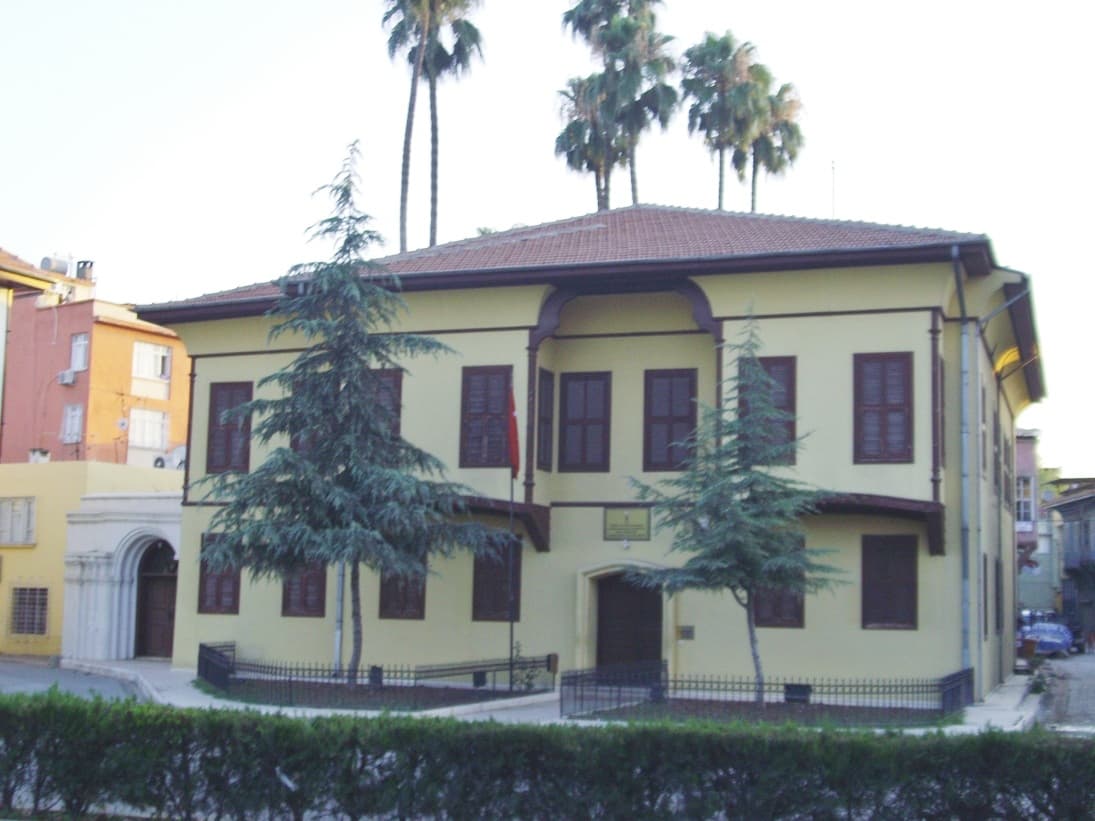 Atatürk Museum (Adana)One visit was all it took. Mustafa Kemal Atatürk and his wife Latife Hanım staye5 minutes walk
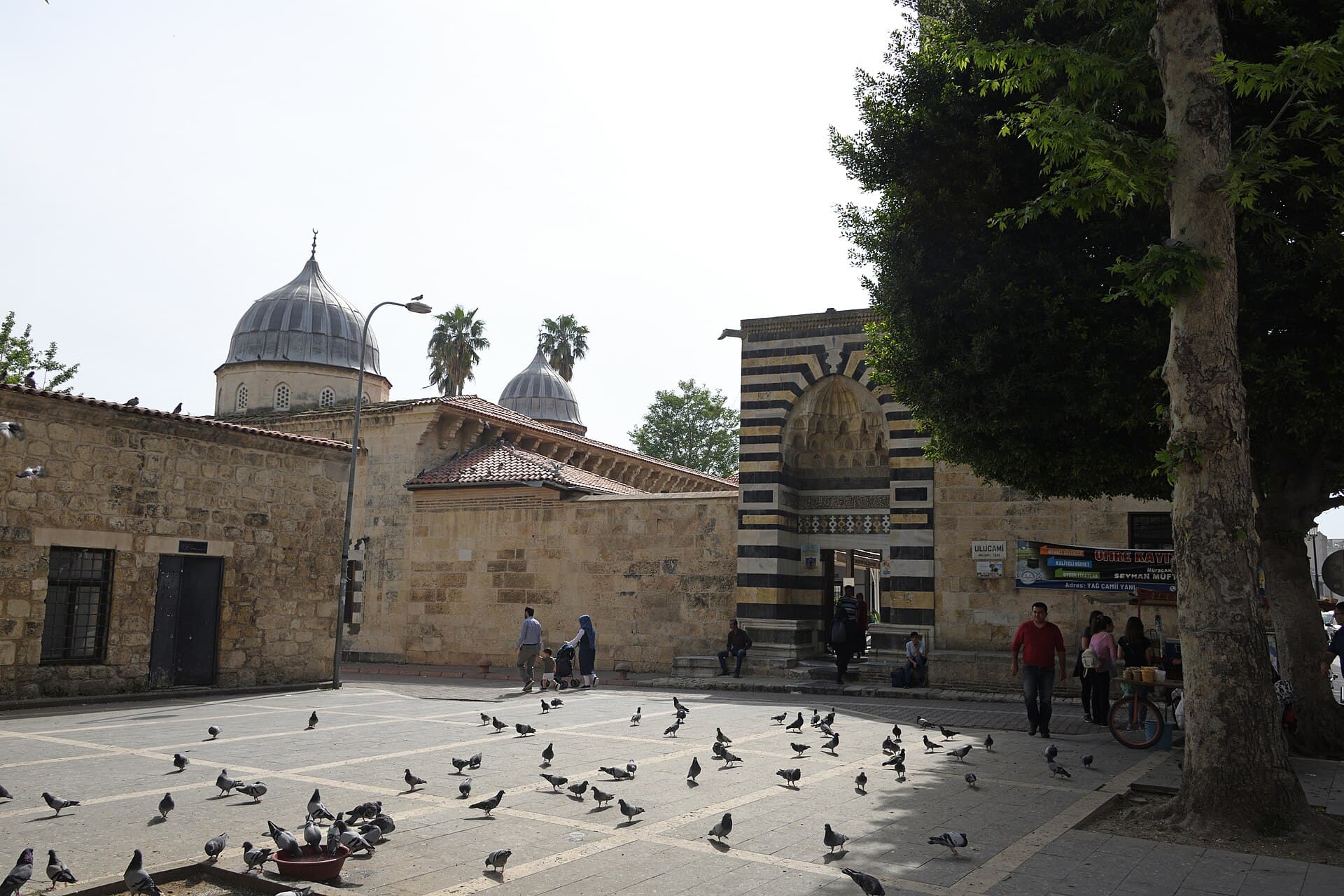 Great Mosque of Adana (Ulu Cami)The first thing you notice is that this mosque does not look Anatolian at all: w6 minutes walk
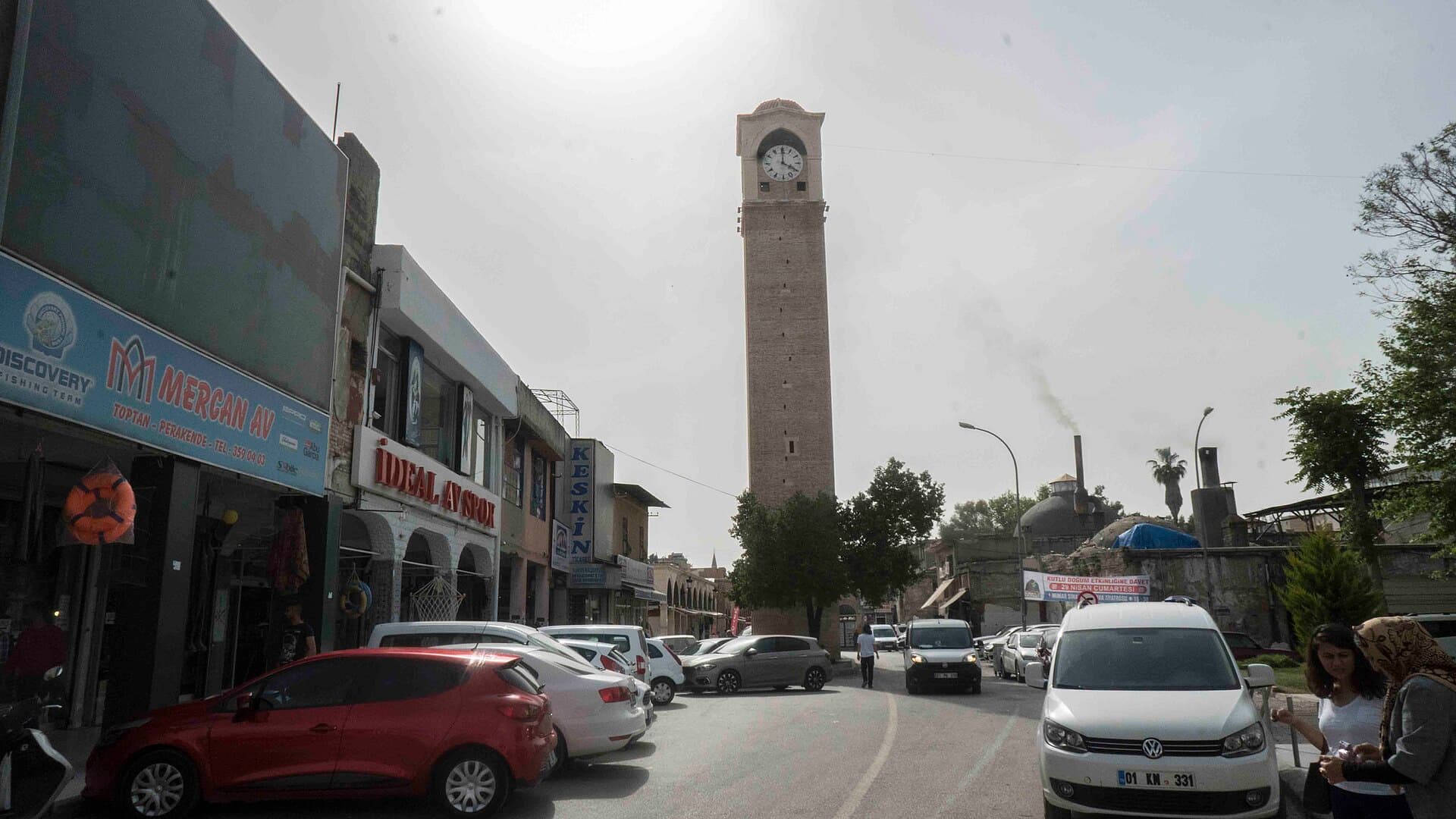 Büyük Saat (Great Clock Tower)Thirty-two metres of red brick rising out of a coppersmiths' bazaar five centuri7 minutes walk
 Ramazanoğlu HallA few steps from Adana's Great Mosque stands one of the oldest surviving houses 7 minutes walk
Passing through is enough. It is a few restored houses among many derelict ones, with a dig you cannot see past the fence, so fold it into a half-day loop with the bridge, the Ulu Cami and the clock tower, stepping into the two free museums on the way. Do not make a separate trip for it.
Only just. The lanes are uneven cobbles with steps, so a pushchair is a burden, and little beyond the Cinema Museum holds a small child's attention. In summer go before ten in the morning; after that Adana's heat and humidity make the shadeless lanes hard going.