
The Yılmaz Güney room
His life-size figure sits among photographs, posters and belongings in a room of his own upstairs.
Upstairs, Yılmaz Güney sits in wax in a room that is his alone, surrounded by photographs, posters and belongings from a career that produced films like Umut. Born in a village outside Adana, he became perhaps the most famous director Turkey has produced, winning the Palme d'Or at Cannes in 1982 months after escaping from prison and fleeing the country. The Adana Cinema Museum rests on one simple idea: that this hot river city turned out an improbable number of the people who made Turkish cinema, directors, actors, producers and the novelists whose books were filmed. It opened on 23 September 2011 during the Golden Cocoon (Altın Koza) film festival, in a two-storey old Adana house made from two merged row houses and restored by the metropolitan municipality, in the old town where the Tepebağ and Kayalıbağ quarters meet, a few steps from the Atatürk House. The ground floor is a wall of film posters, each credited to at least one Adana native. Upstairs are small rooms: Güney's, one for the city's artists, one for producers, one for the festival, and life-size figures of Güney, the painter Abidin Dino and the novelist Orhan Kemal. Above that sits a cinema library of roughly 3,500 books donated by the film historian Alberto Modiano, a research collection rather than a display. Be clear about what this is: a small house-museum, labelled mostly in Turkish, with free entry. If old Yeşilçam cinema means nothing to you, the posters pass like someone else's family album, handsomely coloured but without context. If you follow Turkish television drama today, the roots are here, along with familiar faces such as Şener Şen, another Adana son. Thirty to forty-five minutes is plenty. The house is old, with a narrow wooden staircase, so pushchairs stay downstairs; children enjoy the figures for a few minutes and then drift. The right recipe is to make it one stop on a Tepebağ walk, with the Atatürk House next door, then down to the Roman stone bridge and the Great Clock Tower. Adana touches forty degrees in August, so go early; spring and autumn suit the whole walk far better.
His life-size figure sits among photographs, posters and belongings in a room of his own upstairs.
Vintage film posters fill the ground floor, each crediting at least one Adana native.
A restored old Adana house in the old town, beside the Atatürk House and a short walk from the stone bridge.
Seyhan Caddesi No. 35, Kayalıbağ, Seyhan, next to the Atatürk House
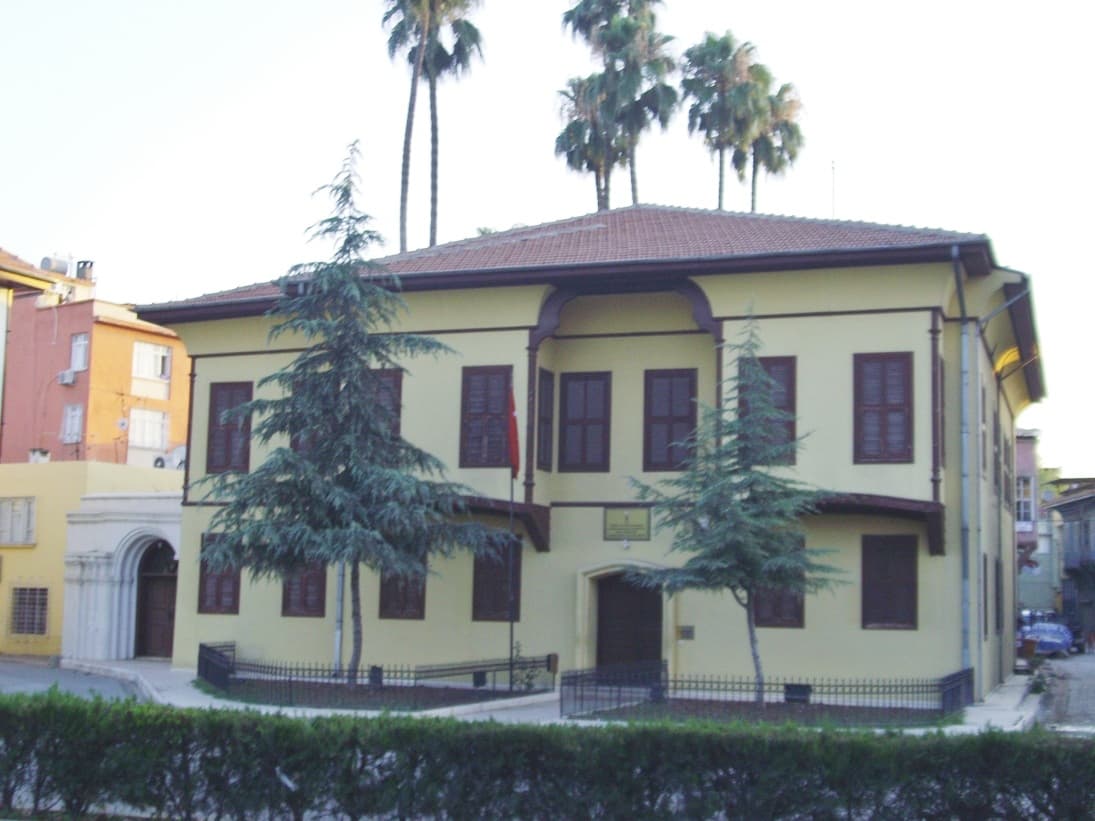 Atatürk Museum (Adana)One visit was all it took. Mustafa Kemal Atatürk and his wife Latife Hanım staye2 minutes walk
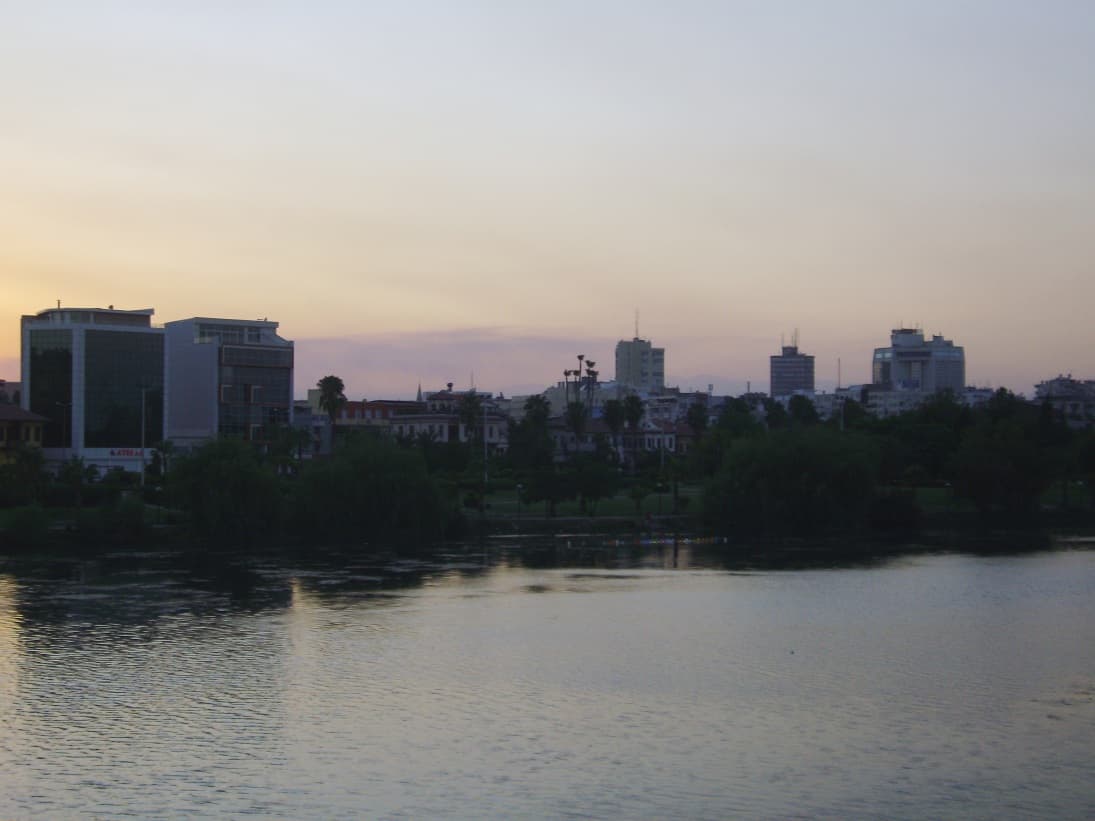 Tepebağ Historic QuarterThe low hump in the middle of flat central Adana is not a hill at all but a city3 minutes walk
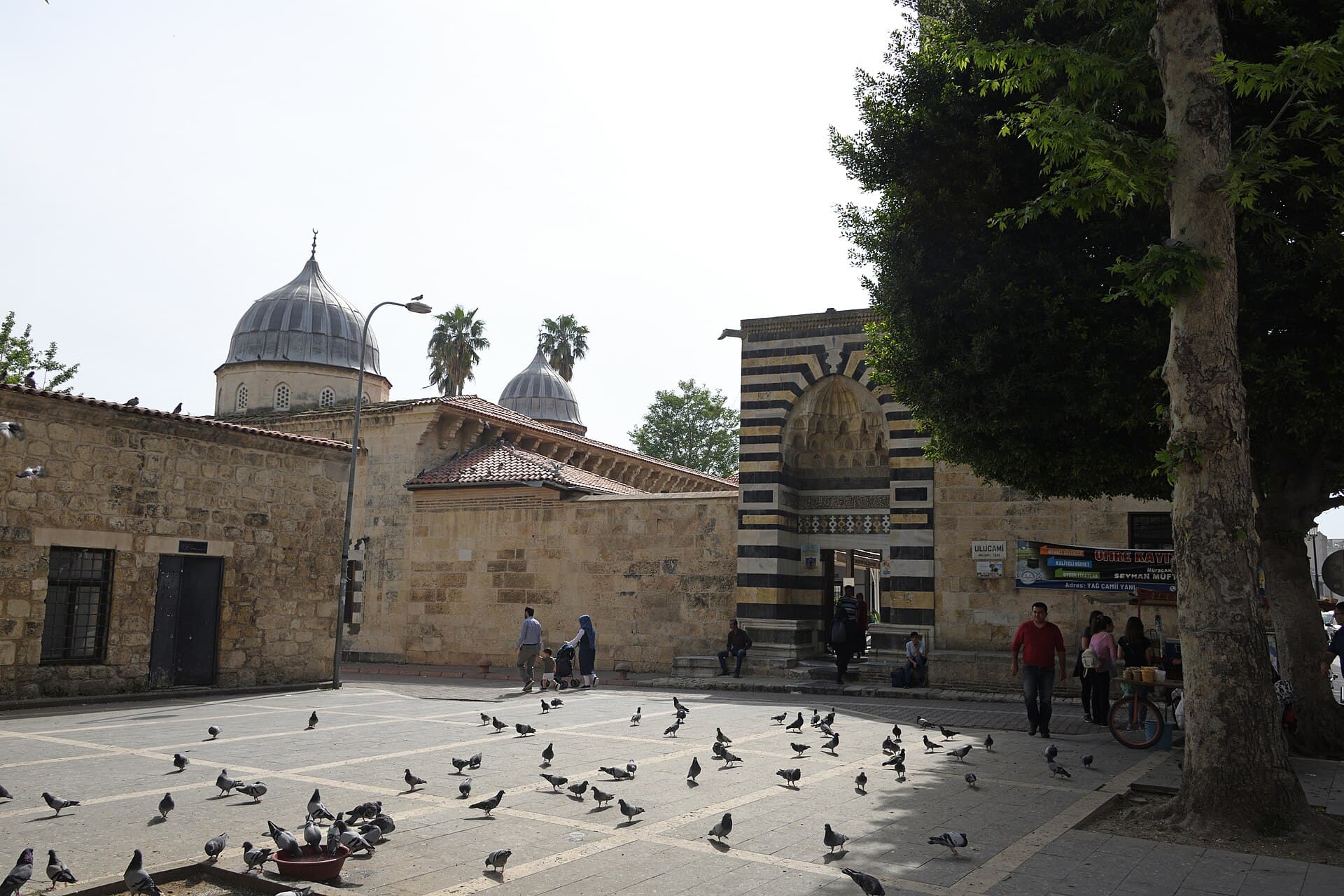 Great Mosque of Adana (Ulu Cami)The first thing you notice is that this mosque does not look Anatolian at all: w5 minutes walk
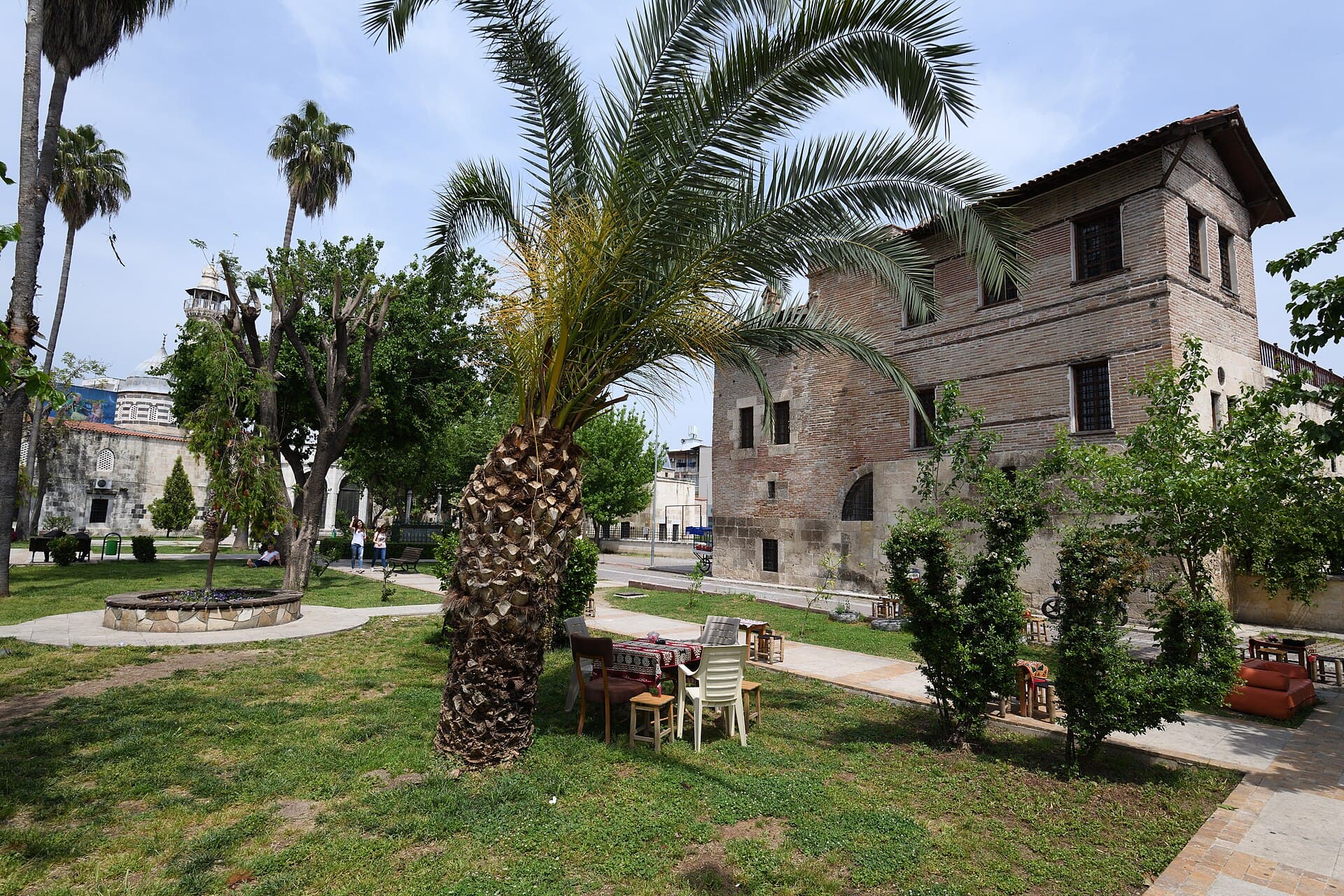 Ramazanoğlu HallA few steps from Adana's Great Mosque stands one of the oldest surviving houses 6 minutes walk
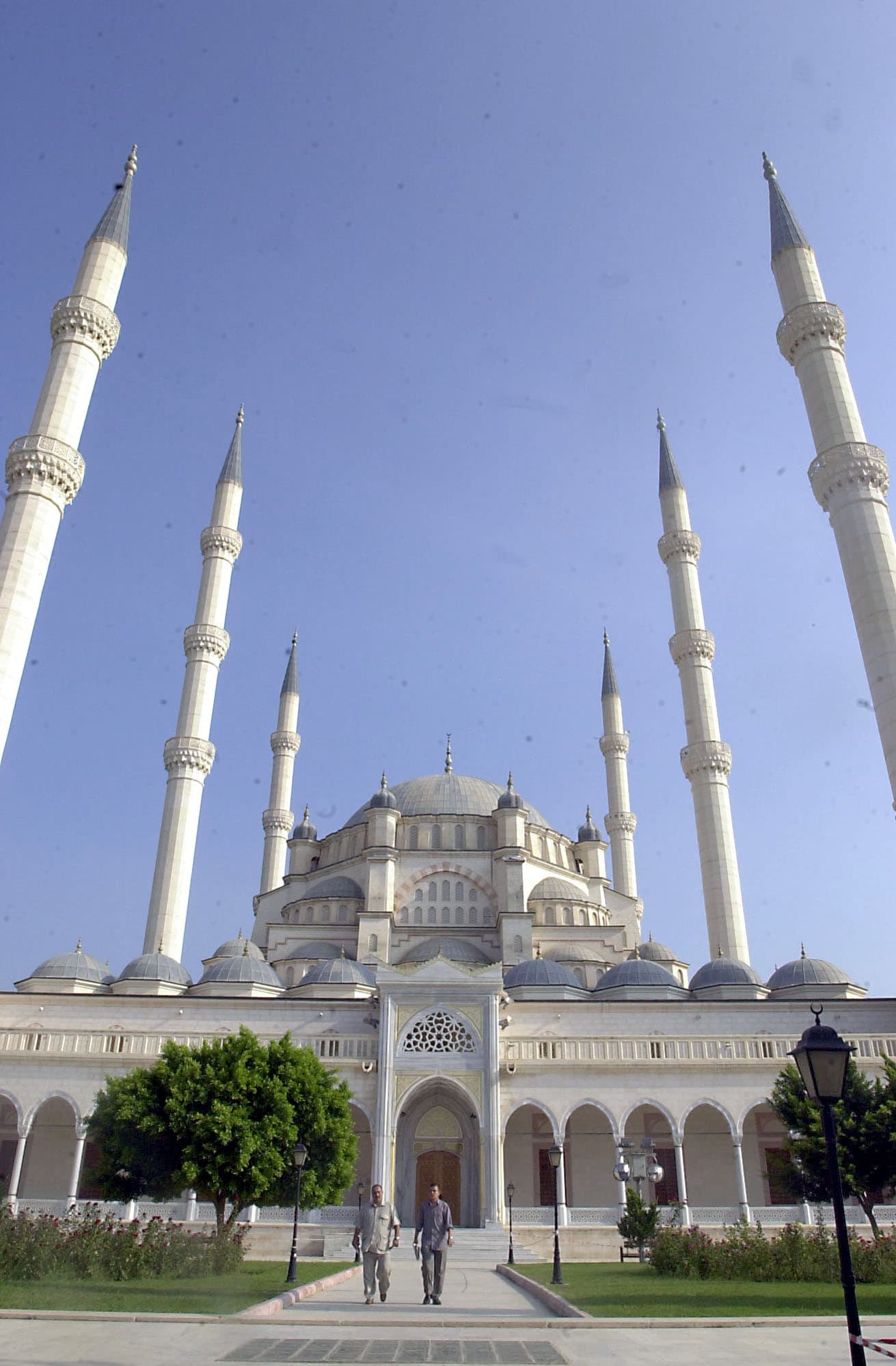 Sabancı Central MosqueSix minarets on the west bank of the Seyhan, four of them rising to 99 metres - 6 minutes walk
On its own, no. The posters and figures carry little context for outsiders, and the labels are Turkish. But it is free and sits on the Tepebağ walk beside the Atatürk House, so step in for fifteen minutes rather than planning a day around it.
The figures amuse small children for a few minutes, then it is over. The staircase is narrow and wooden, so the pushchair stays downstairs. Treat it as a brief stop before the stone bridge and the river.