
Armour with named owners
Many pieces are known to have belonged to a specific emperor or prince.
Rahul.kulka — CC BY-SA 4.0 · Rahul.kulka — CC BY-SA 4.0 · Photo: Andreas Praefcke — Public domain · Photo: Andreas Praefcke — Public domain
One of the world's most important collections of arms and armour, shown in the Neue Burg wing of the Hofburg and belonging to the Kunsthistorisches Museum. What distinguishes it is that it is not a military arsenal but a court collection: ceremonial and tournament armour made for jousts and processions rather than war, much of it gilded, etched and designed to be looked at rather than used. A large number of pieces have a named owner — an emperor or a prince — and some were made for court children at small scale, which is among the strangest things to see here. The second part is the imperial hunting weapons: guns, bows and hunting swords with woodwork and ivory of extreme refinement, showing that the hunt was a staged court ritual as much as a sport. Practical points: the ticket is usually shared with the Collection of Historic Musical Instruments and the Ephesos Museum in the same building, and the three are visited together. Check hours: the collection closes one or more days a week in some seasons.
Many pieces are known to have belonged to a specific emperor or prince.
Made for court children, among the strangest things in the collection.
Weapons with fine woodwork and ivory show hunting as ceremony, not sport.
Neue Burg, Heldenplatz, Vienna
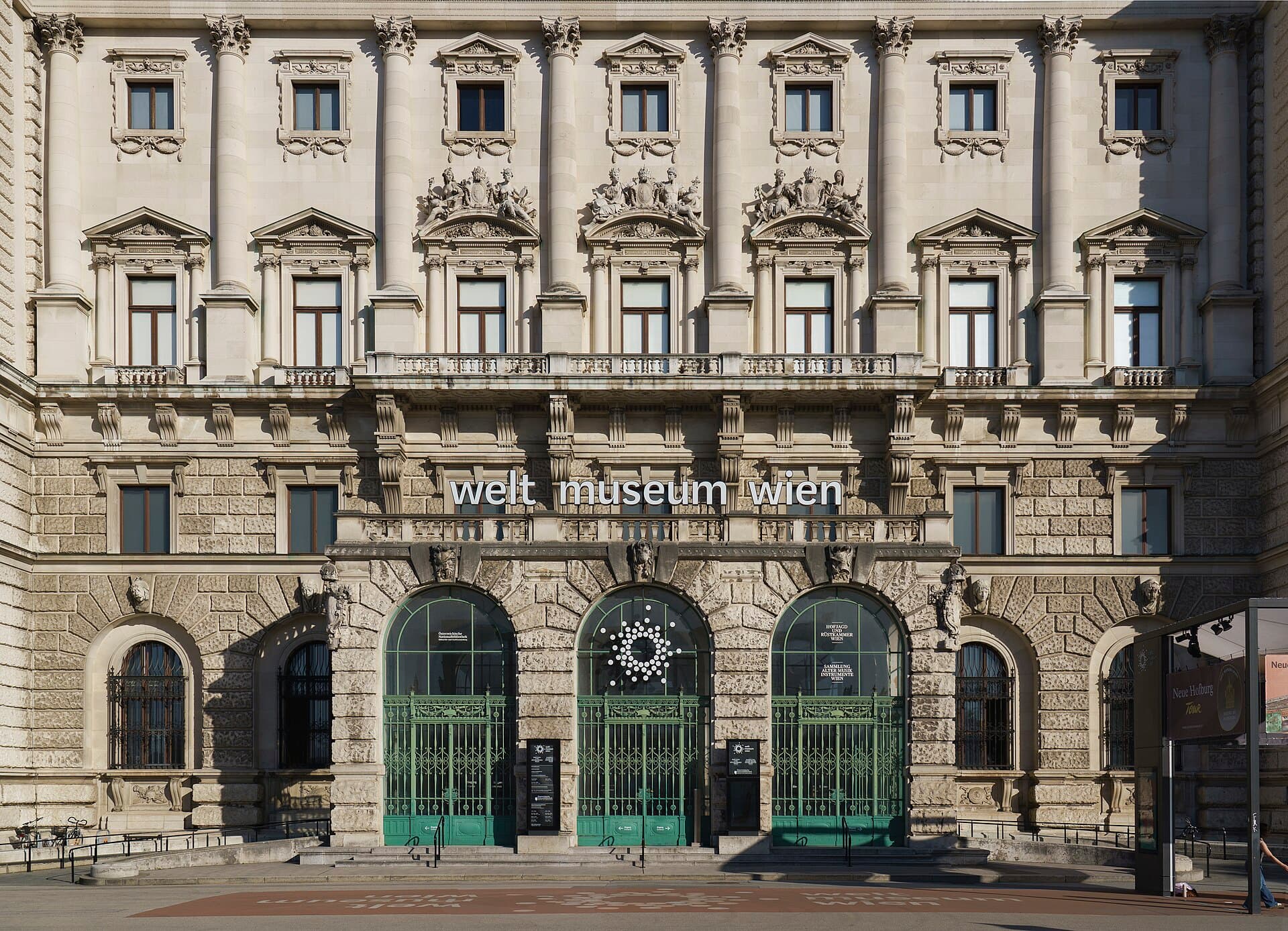 Weltmuseum WienAn ethnographic museum inside the Hofburg's Neue Burg wing, showing what the Hab1 minute walk4.7
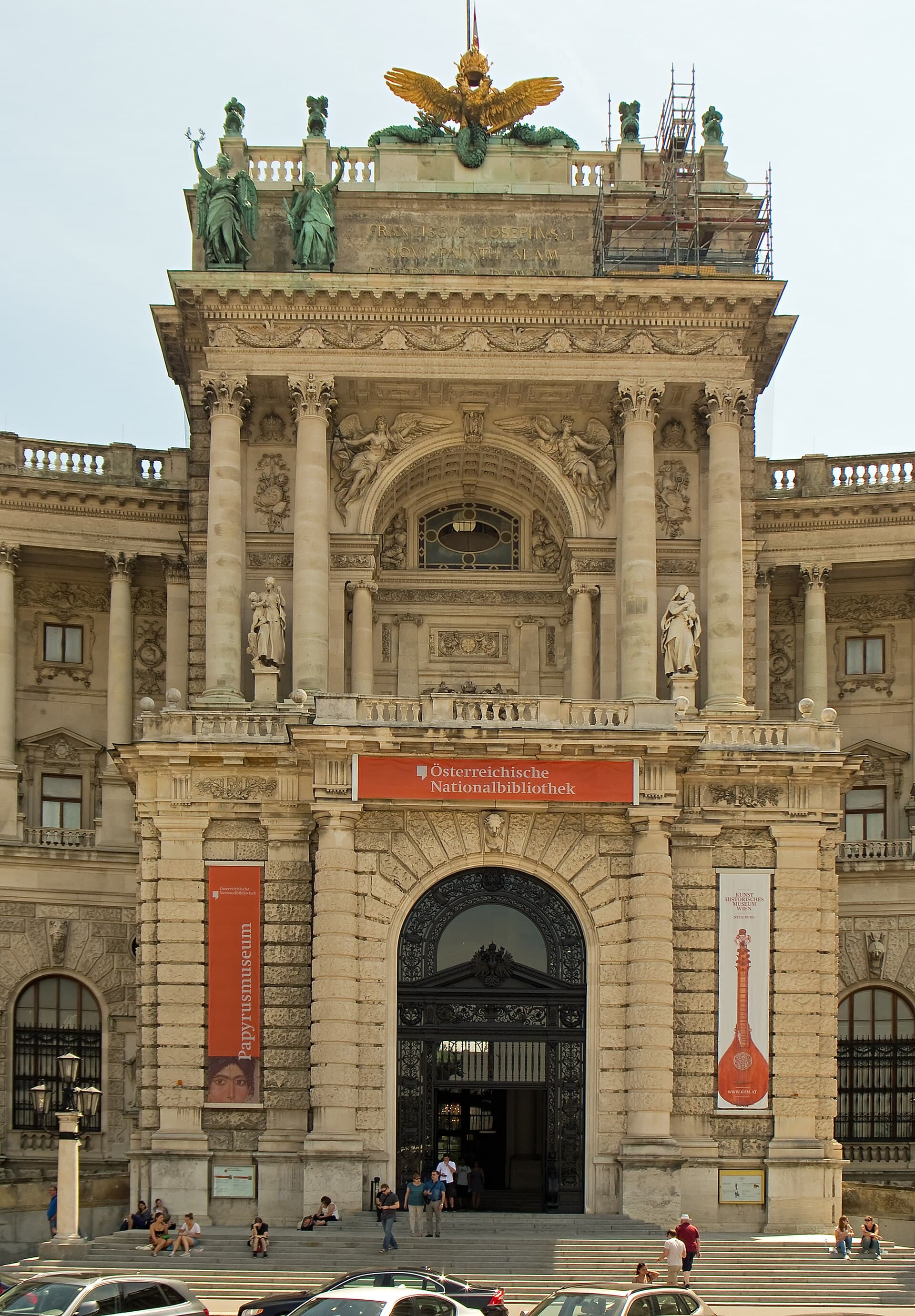 House of Austrian HistoryA museum opened in 2018 inside the Neue Burg wing of the Hofburg palace, coverin1 minute walk4.4
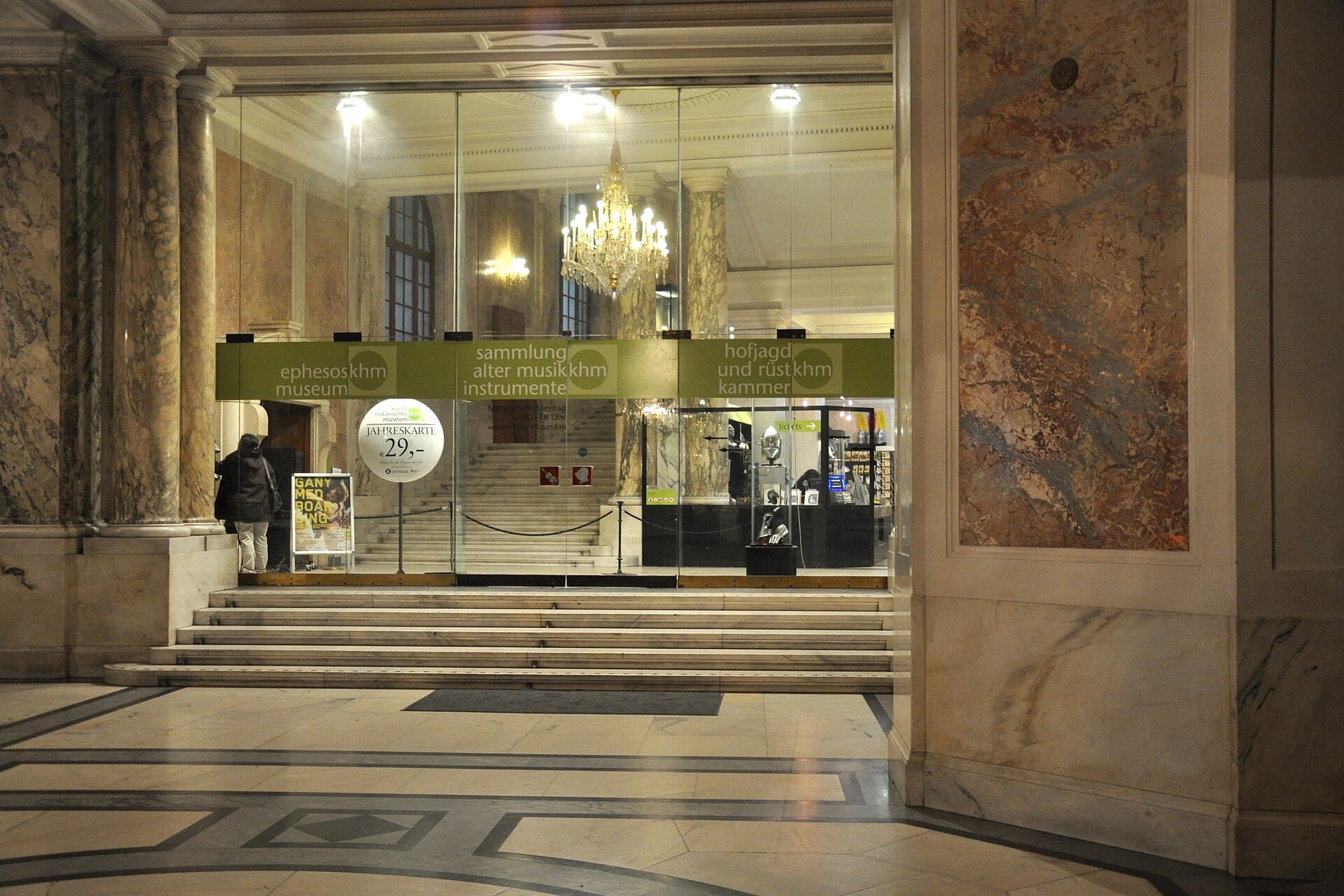 Collection of Historic Musical InstrumentsOne of the world's most important collections of historic musical instruments, i1 minute walk4.5
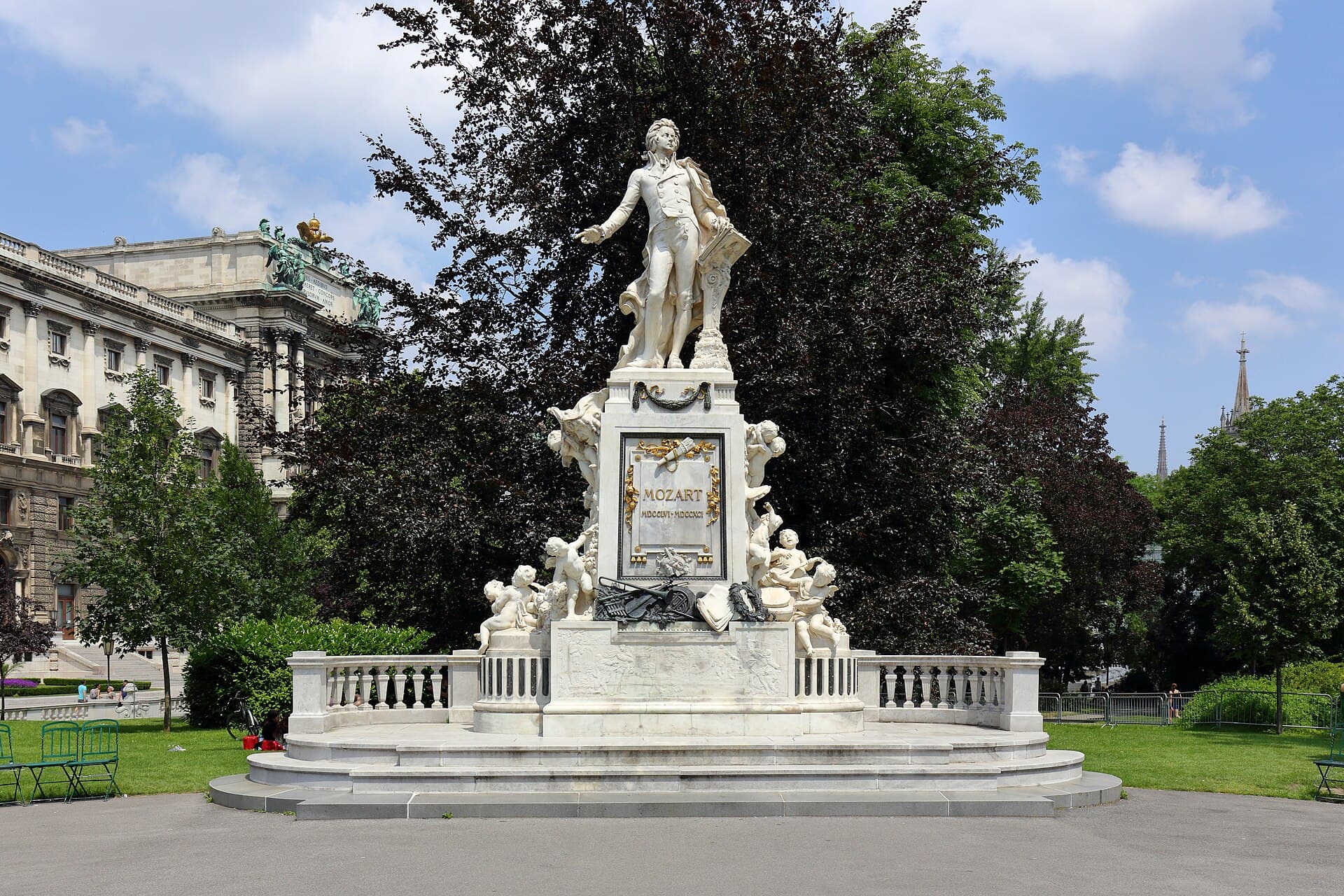 Mozart Monument, ViennaMozart's marble monument in the Burggarten: the composer standing on a tall plin1 minute walk4.8
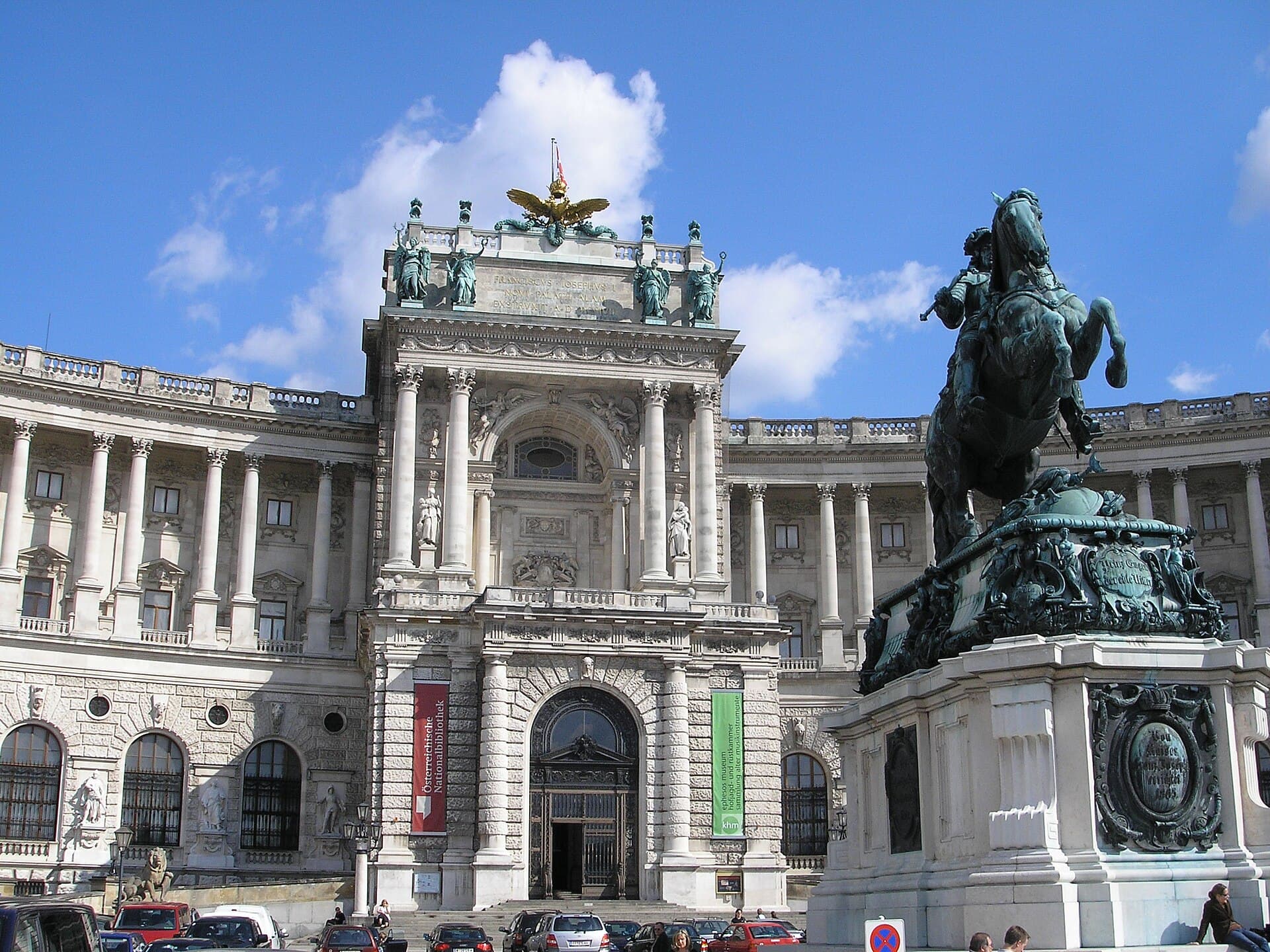 Ephesos MuseumA small museum inside the Hofburg's Neue Burg showing what Austrian expeditions 2 minutes walk4.5
It is in the Neue Burg, a wing of the Hofburg complex, but it is a separate museum with a different ticket from the Imperial Apartments and the Sisi Museum. Do not assume a Hofburg ticket covers it — it belongs to the Kunsthistorisches Museum group.
Allow two to three hours for the three — armoury, musical instruments and Ephesos — all in the same building on one ticket. If you have only an hour, the armoury is the strongest of them.