
The Last Supper
Leonardo's painting on the refectory wall, among art history's most famous works.
José Luiz — CC BY-SA 3.0 · This Photo was taken by Wolfgang Moroder. Feel free to use my photos, but please mention me as the author and send me a message. This image is not in the public domain. Please respect the copyright pr — CC BY-SA 3.0 · Joyofmuseums — CC BY-SA 4.0 · FrDr — CC BY-SA 4.0
A fifteenth-century convent and church west of central Milan, both on the UNESCO World Heritage list. In the refectory attached to the convent is Leonardo da Vinci's Last Supper. The painting was made between 1495 and 1498 on the refectory wall, and is among the most famous works in the history of art. Leonardo did not use the usual fresco technique but experimented with a method allowing him to revise and add detail — and it did not hold: the painting began flaking within his lifetime and has undergone repeated restoration across five centuries. Its survival is itself exceptional: Allied bombing destroyed most of the convent in 1943, but the wall carrying it stayed standing after being shored up with sandbags. Visits are severely restricted to preserve it: small groups, only fifteen minutes inside the room, and entry through humidity-controlled chambers. Tickets sell out weeks and sometimes months ahead — booking is not advice but a condition. The church itself is separate from the refectory and free to enter, and its dome by Bramante is worth going in for on its own.
Leonardo's painting on the refectory wall, among art history's most famous works.
Most of the convent was destroyed but its wall stood, shored up with sandbags.
The church itself is an important architectural work, and free to enter.
West of central Milan
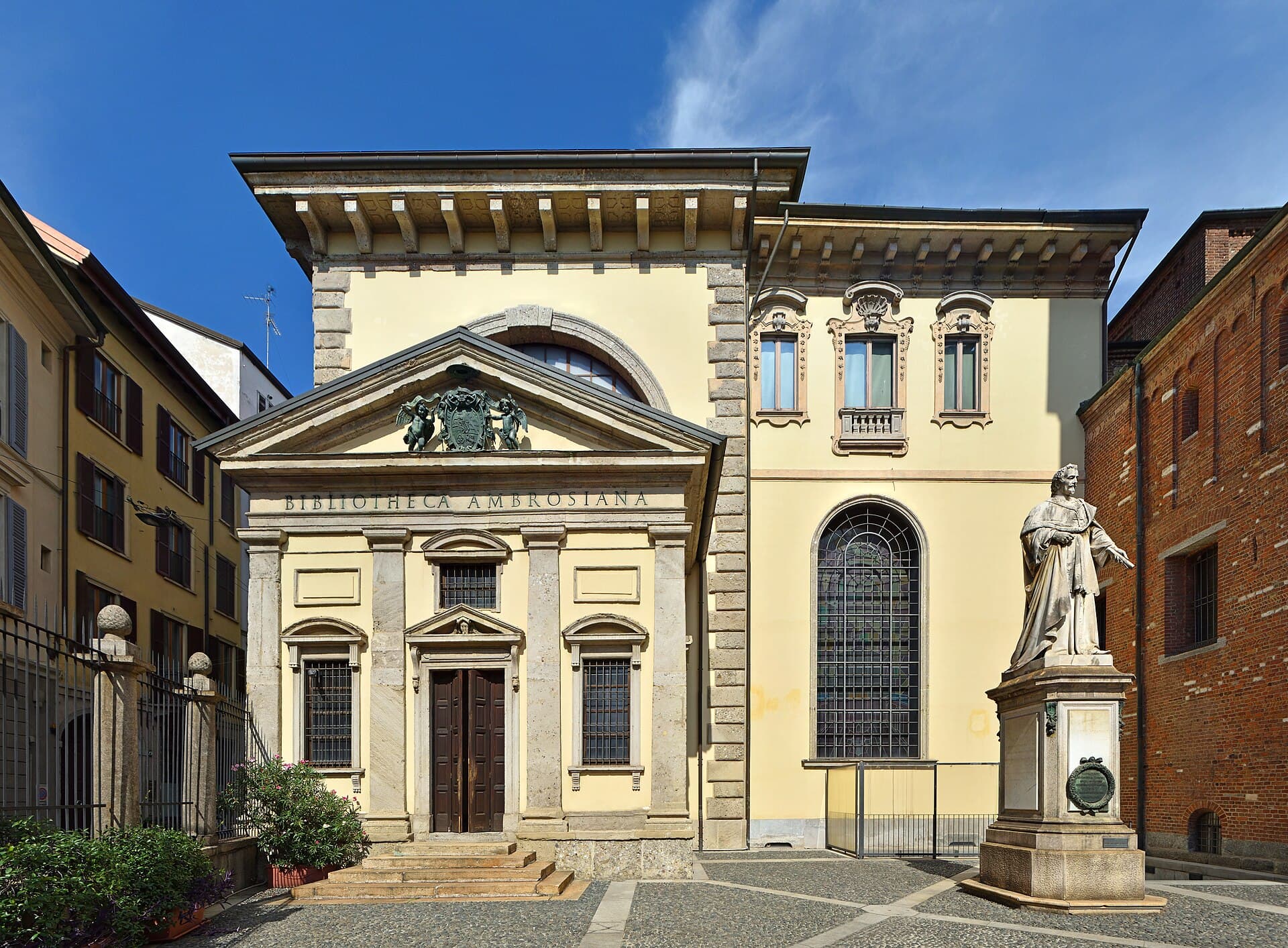 Pinacoteca AmbrosianaIn a single room of an old palazzo in central Milan, a charcoal drawing runs som2 minutes walk4.5
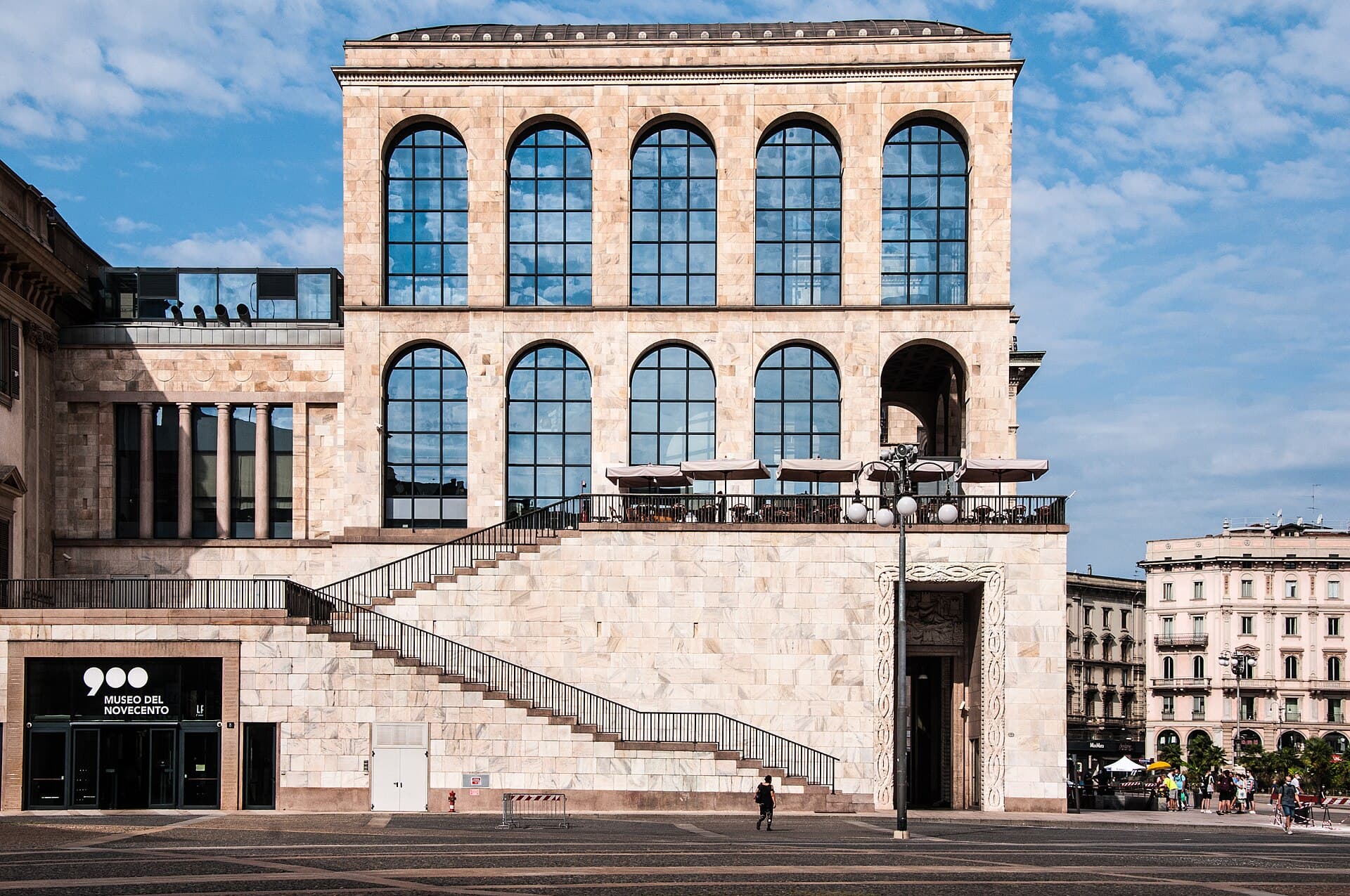 Museo del NovecentoOn the edge of Piazza del Duomo, inside a severe stone building begun in the lat3 minutes walk4.6
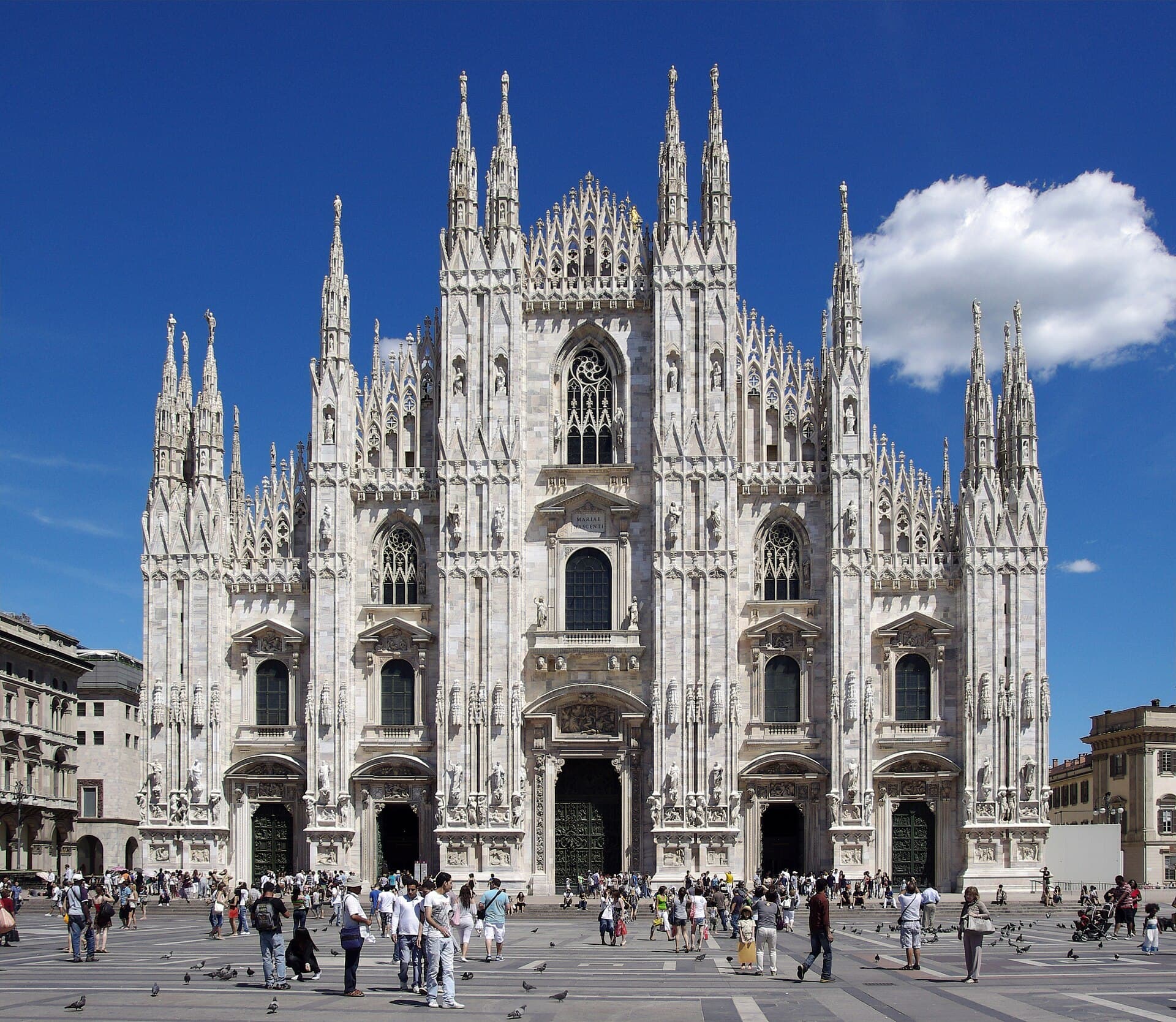 Milan Cathedral (Duomo)Milan's Duomo is Italy's largest Gothic cathedral and the most embroidered build3 minutes walk4.9
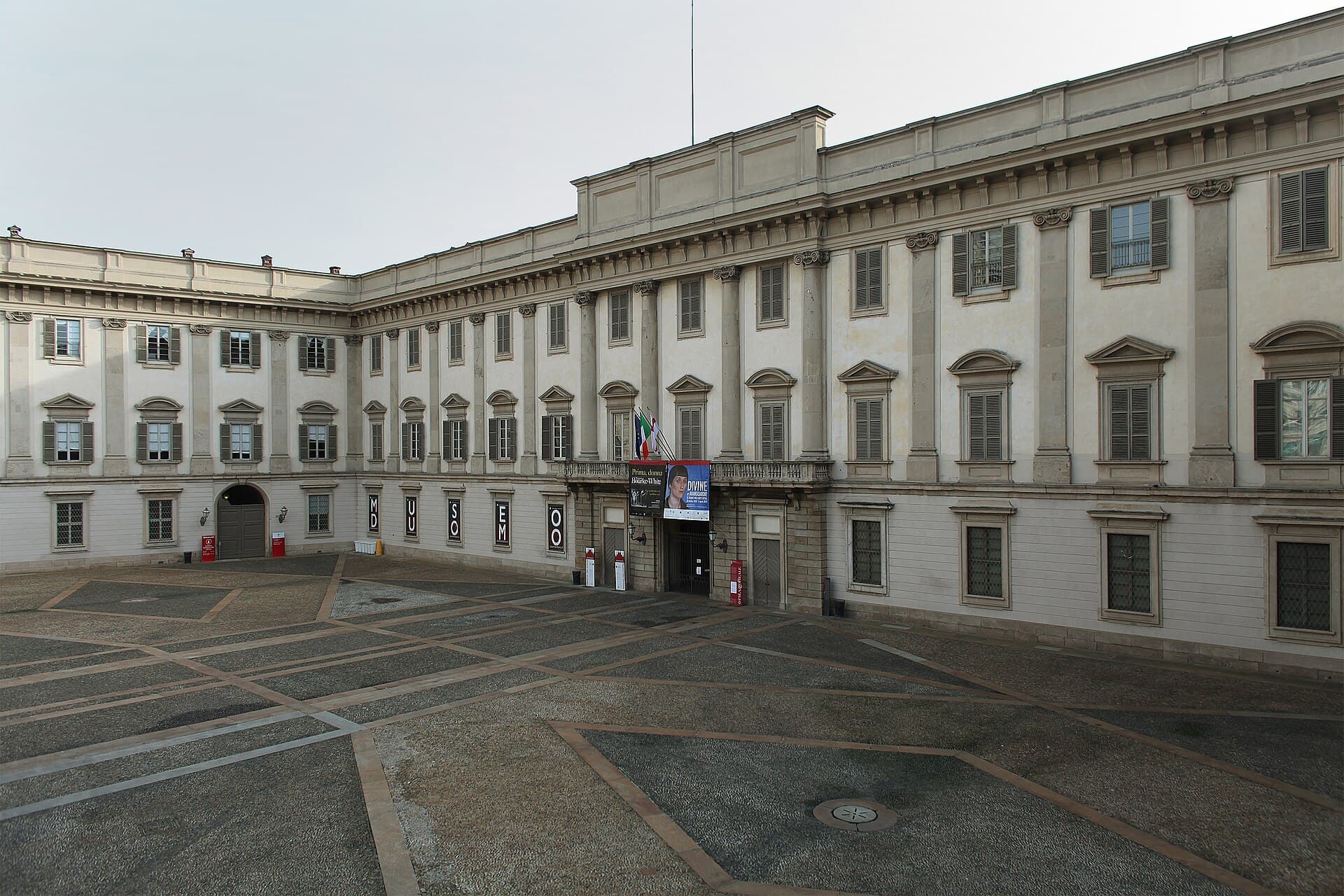 Palazzo Reale MilanThe Royal Palace beside the Duomo housed Milan's rulers for six centuries — city3 minutes walk4.7
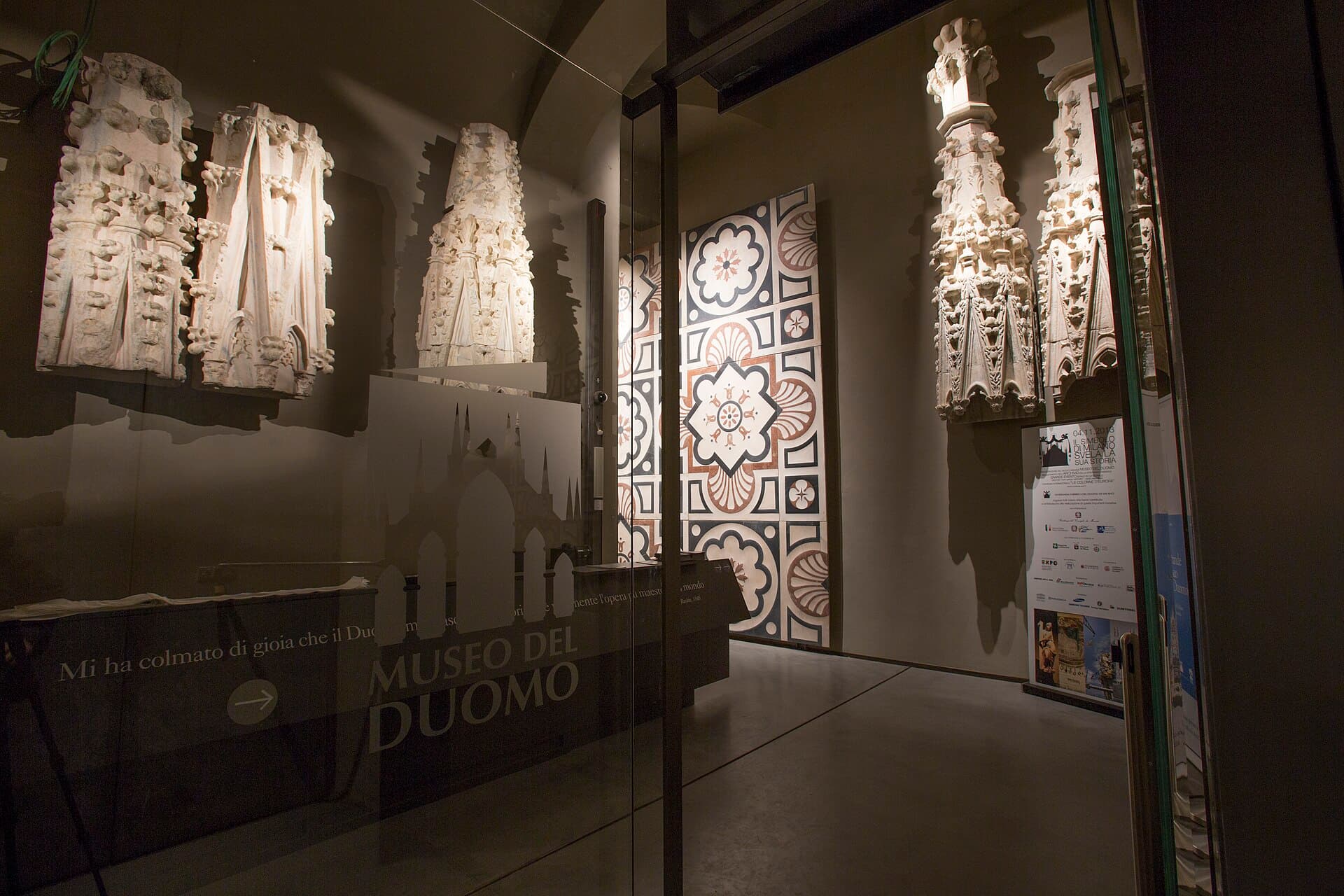 Duomo MuseumThe Duomo Museum in the neighbouring Royal Palace is the cathedral's six-century4 minutes walk4.4
Through the official site the moment booking opens for the period you want; it opens months ahead and sometimes sells out within days. If it is gone, the alternative is an organised tour that buys tickets in advance and adds a guide at a higher price. Do not travel to Milan assuming you will find a ticket on arrival — you will not.
Because Leonardo rejected the fresco technique, which requires painting fast onto wet plaster, and experimented instead with a dry layer letting him revise and grade colour. The method gave him what he wanted artistically but did not bond to the wall, and flaking began within years. What you see today is the result of successive restorations, the last of which took over twenty years.