
The School of Athens cartoon
Raphael's full-size preparatory drawing, some eight metres wide in a room of its own: the fresco is in Rome, but the drawing it grew from is here.
Ludvig14 — CC BY-SA 4.0 · Paolobon140 — CC BY-SA 4.0 · Pietroarco — CC BY-SA 4.0 · Christelle Molinié — CC BY-SA 4.0
In a single room of an old palazzo in central Milan, a charcoal drawing runs some eight metres along the wall: Raphael's own full-size cartoon for 'The School of Athens'. The fresco itself is in the Vatican, seen from a distance over hundreds of heads. Here you stand a step away from the first lines, and from the pinpricks through which the design was transferred to the wall. There are few places where you get to see the idea of a famous work before it became a famous work. The Ambrosiana is not a recent invention. Cardinal Federico Borromeo opened the Ambrosian Library in 1609 to anyone who could read, then gave over his own picture collection in 1618, making it one of the first public galleries in Europe. His aim was practical rather than showy: young painters should have models in front of them to study. From that founding collection comes Caravaggio's Basket of Fruit, a small painting of a basket on a bare ledge, its leaves already curling. Nothing about it announces itself, and yet it is the moment still life became a subject in its own right in Italian painting. Beside it hangs the Portrait of a Musician, attributed to Leonardo da Vinci and the only panel painting of his left in Milan — the Last Supper, across town, is a wall painting rather than a picture you could hang. The name that pulls most visitors is the Codex Atlanticus: the largest single hoard of Leonardo's pages, drawings and notes anywhere, over a thousand leaves of machines, water eddies and stray thoughts in his mirrored hand. Be clear about one thing, though: it is never shown whole. A selection is displayed and rotated season by season. If Leonardo's notebooks are the reason you are coming, check which pages are currently up before you book, rather than arriving to find two sheets under glass. The museum is small by European standards, twenty-four rooms you can walk in ninety unhurried minutes, and that is half its virtue: the quiet here is real, while the Duomo five minutes away is drowning. Entry is €17, and the closing day is Wednesday, not Monday, which catches out plenty of people who plan around the usual Italian museum habit. It suits adults and teenagers with an interest in drawing far more than young children, and the cafés and restaurants of Via Torino are close by afterwards. If you only have one museum in Milan and want the broad sweep of Italian painting, Brera is the fuller choice; the Ambrosiana is the quieter and more surprising one.
Raphael's full-size preparatory drawing, some eight metres wide in a room of its own: the fresco is in Rome, but the drawing it grew from is here.
A small canvas hung without fanfare, and yet the painting that freed still life from being mere decoration at the edge of a picture.
The largest collection of Leonardo's pages and drawings anywhere, shown as a rotating selection rather than all at once.
Piazza Pio XI 2, 20123 Milan, Italy
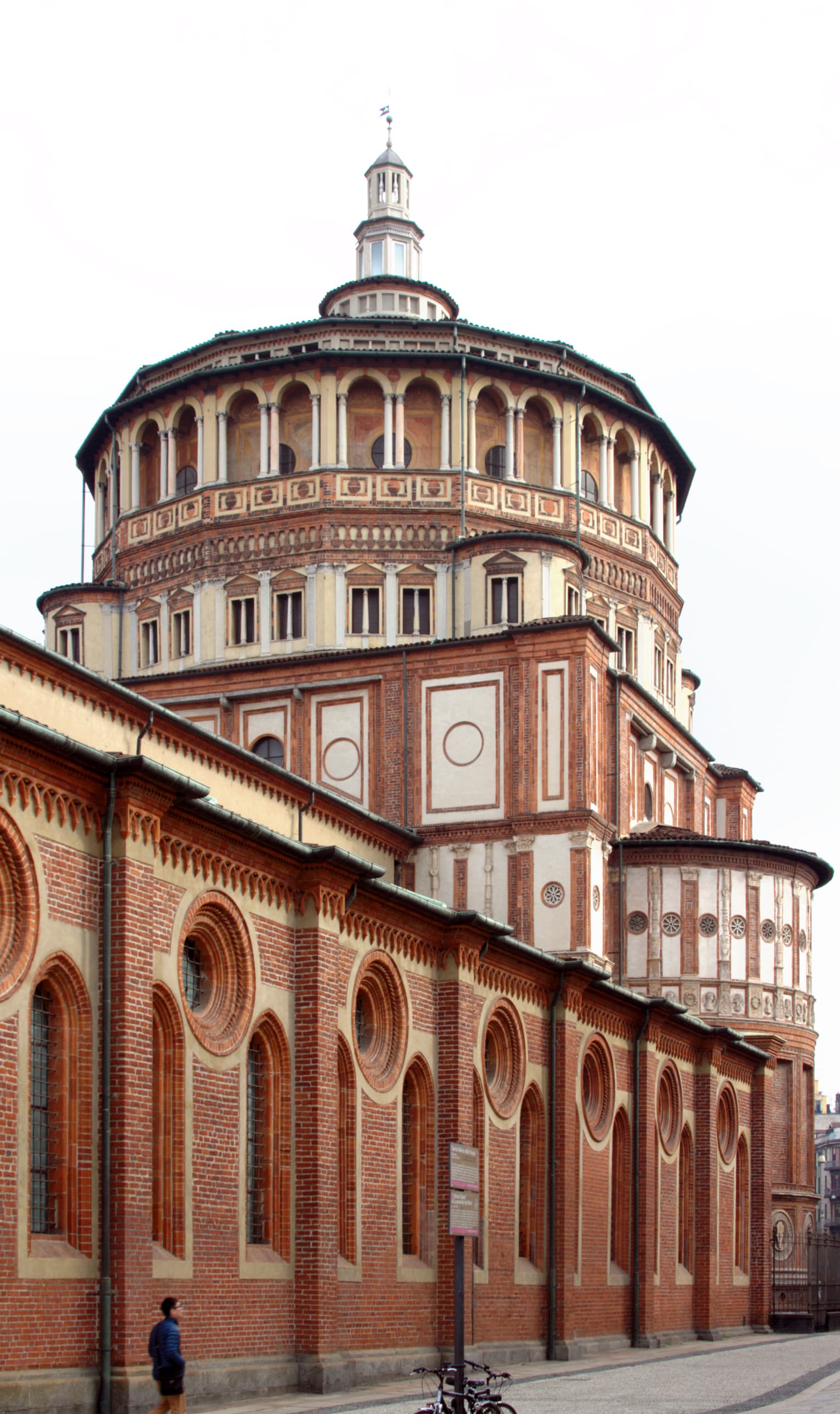 Santa Maria delle GrazieA fifteenth-century convent and church west of central Milan, both on the UNESCO2 minutes walk4.8
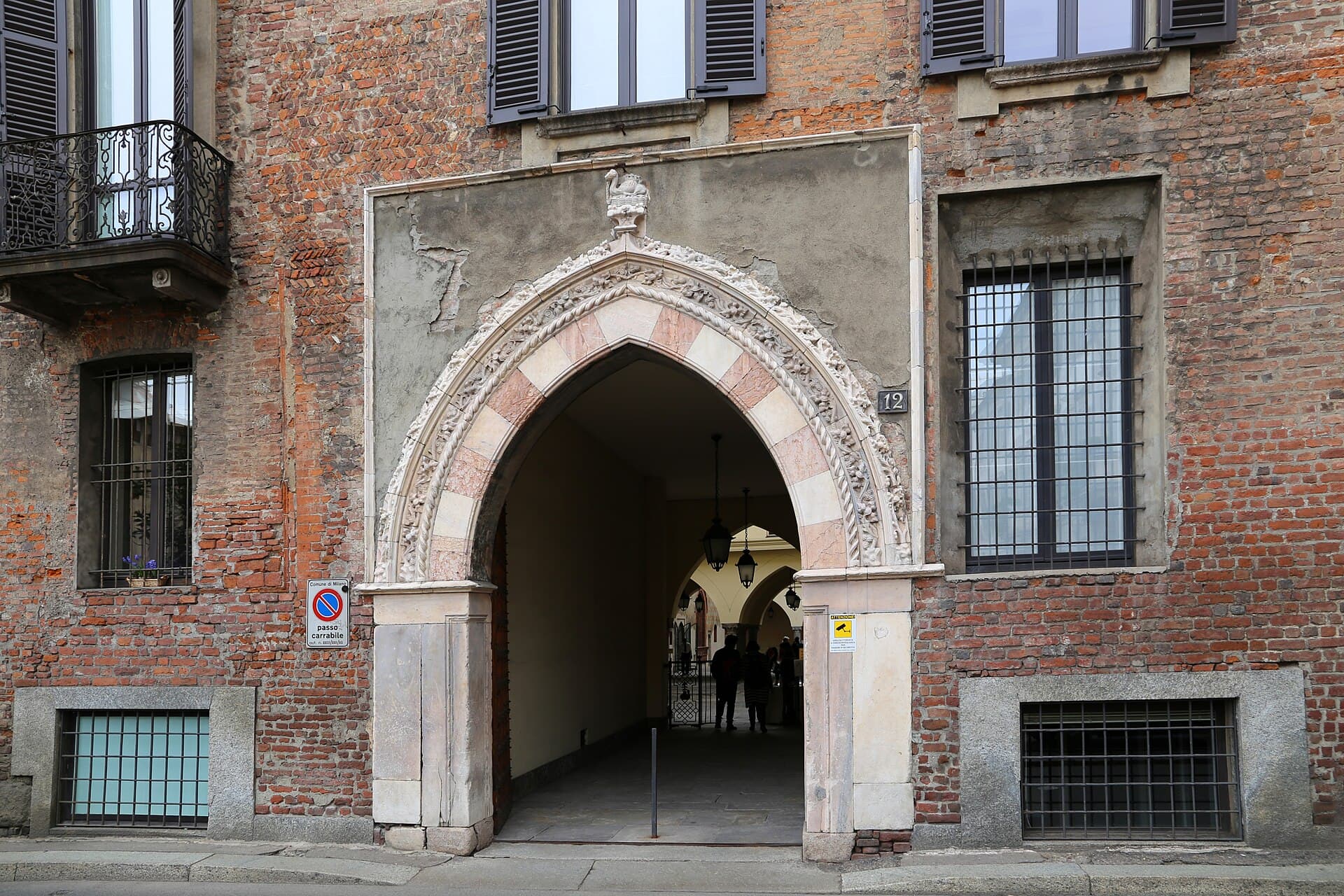 The Palazzo BorromeoA fifteenth-century palace on a small quiet square in central Milan, among the f3 minutes walk4.2
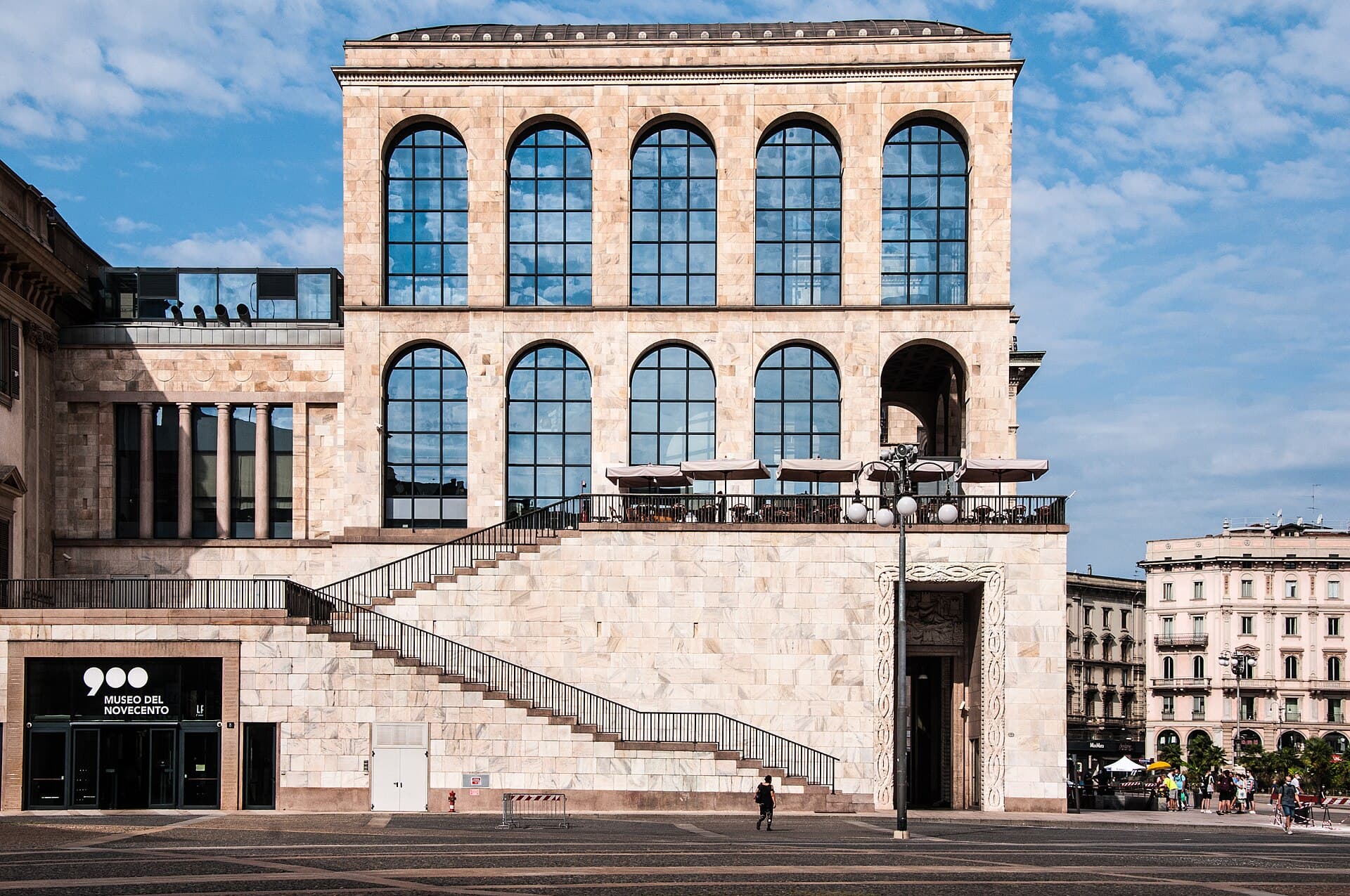 Museo del NovecentoOn the edge of Piazza del Duomo, inside a severe stone building begun in the lat4 minutes walk4.6
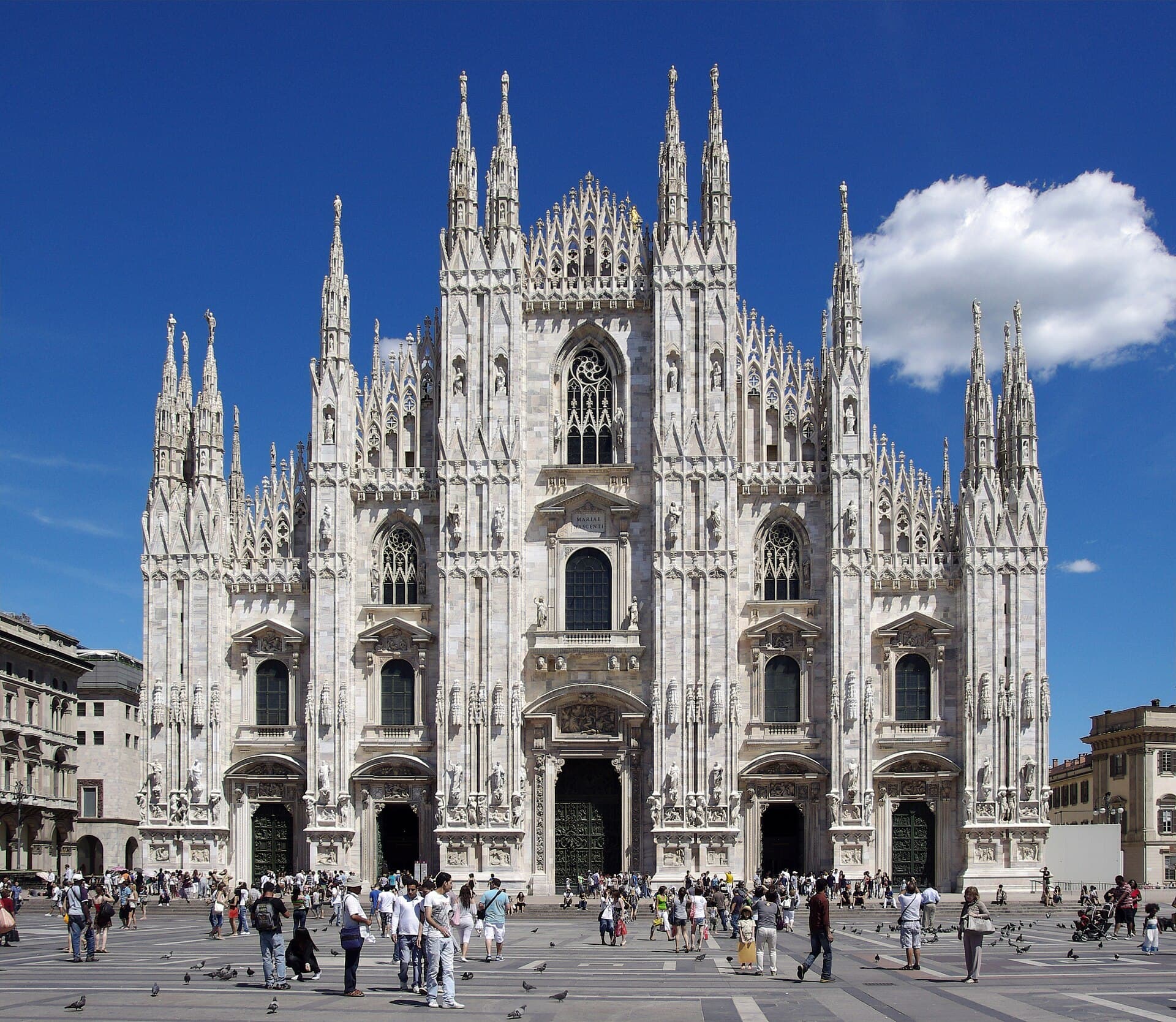 Milan Cathedral (Duomo)Milan's Duomo is Italy's largest Gothic cathedral and the most embroidered build5 minutes walk4.9
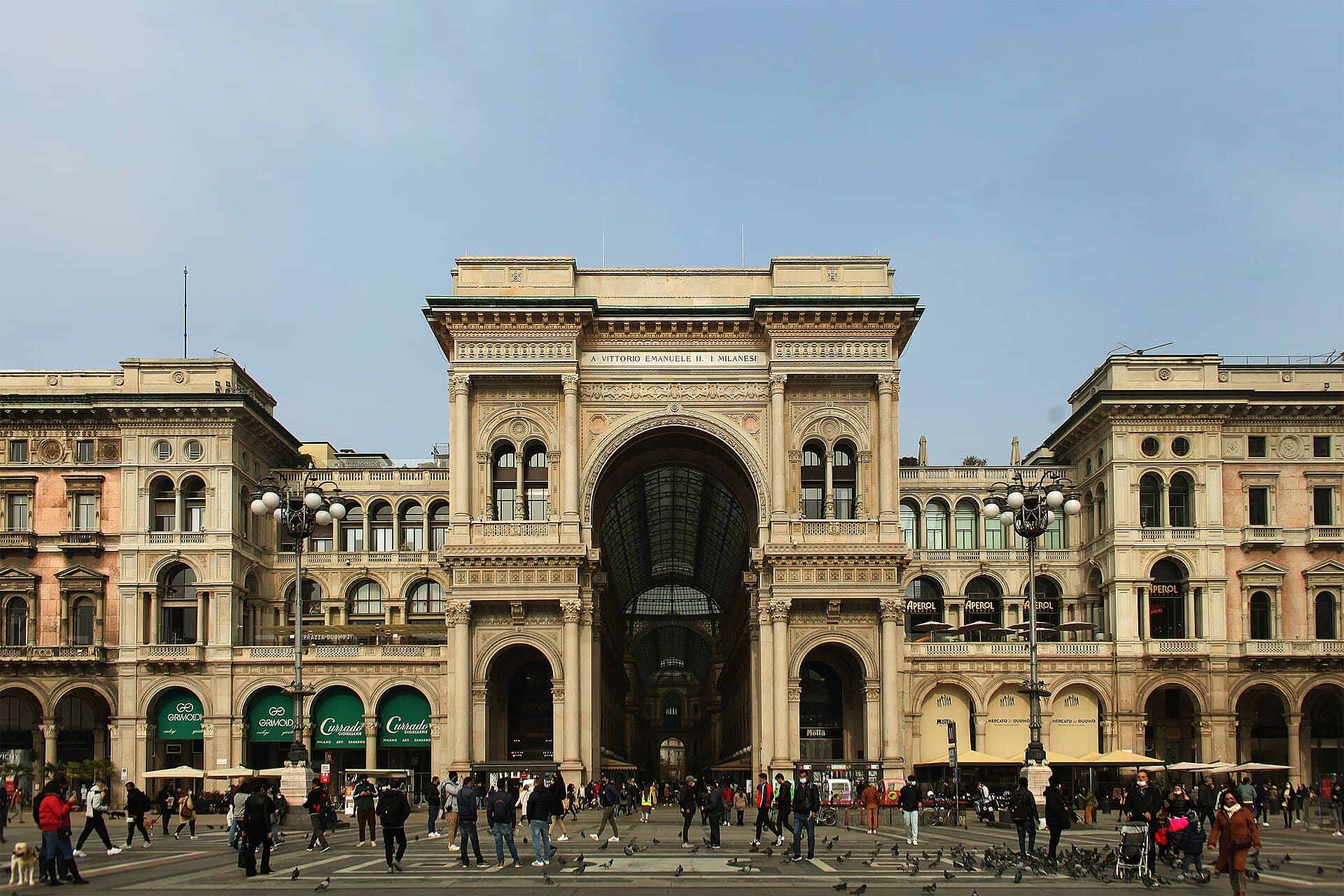 Galleria Vittorio Emanuele II"Milan's drawing room", its people call it: a covered arcade of 1877 linking the5 minutes walk4.6
Yes, but do not treat them as equivalent. Brera is broader and gives you the full sweep of Italian painting; if you only have one museum day in Milan, that is the safer choice. The Ambrosiana is smaller, quieter and sharper: you go for the Raphael cartoon, the Caravaggio and the Leonardo pages, and you are out in ninety minutes. They do not duplicate each other, and doing both across two days is comfortable — just mind the different closing days, Wednesday here and Monday at Brera.
Honestly, not for young ones. The rooms are tight, the exhibits are fine drawings behind glass, there is nothing interactive, and a child under ten will be bored inside twenty minutes. A teenager who draws, or who already knows something about Leonardo, may find it the best thing they see in Milan. With small children, the Duomo rooftop nearby or the science and technology museum is a far better use of the afternoon.