
The foundling wheel
A rotating wooden drum set into the wall where newborns were left anonymously, in use until it was removed in June 1875.
Alex Ranaldi — CC BY-SA 2.0 · YPaskal — CC BY-SA 4.0 · YPaskal — CC BY-SA 4.0 · Sailko — CC BY 3.0
Set into a side wall of this complex is a narrow opening under a stone arch, and behind it a wooden cylinder that turns on its axis. A mother would place her newborn inside at night, rotate the drum, and the child would vanish into the building where a nun took it in — the woman outside never seen, never named. This is the ruota degli esposti, the foundling wheel, and it kept turning for centuries until it was removed on 27 June 1875. From it comes the most common surname in Naples to this day: Esposito, the exposed one, the one left out. The room where those infants were received has been restored and opened to visitors, and for all its smallness it is among the most affecting things you can stand in front of in this city. The place began in 1318, when Queen Sancia of Majorca gave land to the lay congregation of the Annunziata, and grew into a vast complex of church, hospital, orphanage and archive. A catastrophic fire in 1757 consumed nearly all of it, sparing only the sacristy and the Treasury and Carafa chapels. The rebuild was handed to Luigi Vanvitelli, architect of the palace at Caserta, and finished by his son Carlo; the church was consecrated in 1774. What stands now is late Baroque already cooling into classicism: paired Corinthian columns, an unbroken entablature that no ornament interrupts, and a dome that drops light from above. If you arrive saturated with Neapolitan Baroque gold, this is a rest for the eye. The sacristy is the piece the fire missed, with its inlaid wooden cabinets and a vault frescoed by Belisario Corenzio — but whether it is open on any given day is not something to count on. Practically: entry to the complex is free, and it opens every day including public holidays from eight in the morning until eight at night, last admission at half past seven. No guides are provided, so read the panels slowly or come having read up. The Salone delle Colonne upstairs keeps the same hours except on Mondays, when it opens only from one in the afternoon, and the city asks organised groups — and anyone set on the Salone — to write ahead by email. The basilica itself keeps its own shorter hours, roughly nine until half past six Monday to Saturday and Sunday mornings only. The archive holding the records of the abandoned children is not an exhibit; it is a research collection, open on weekday mornings by appointment. You are in Forcella, seven to ten minutes on foot from Naples Cathedral, in tight living streets full of scooters and street traders. The walking here is flat and easy by Naples standards, but keep your bag closed and your phone out of sight in the middle of a lane, and hold small children firmly — the scooters do not slow down. The visit is short and undemanding, and it slots neatly between the Duomo and Via San Gregorio Armeno. The nearest halal restaurants and prayer rooms are around Piazza Garibaldi, roughly ten minutes' walk away. One honest caveat: if you want a church that stuns you with its art, Naples has far richer ones. The value here is the story, not the decoration — but anyone who comes purely for the wheel will not regret it.
A rotating wooden drum set into the wall where newborns were left anonymously, in use until it was removed in June 1875.
A cool, restrained interior of paired Corinthian columns beneath a dome, rebuilt by Luigi Vanvitelli and his son Carlo after the 1757 fire.
Almost the only part the fire spared, with its inlaid wooden cabinets - if you find it open, go in.
Via Annunziata 34, 80139 Naples, Italy
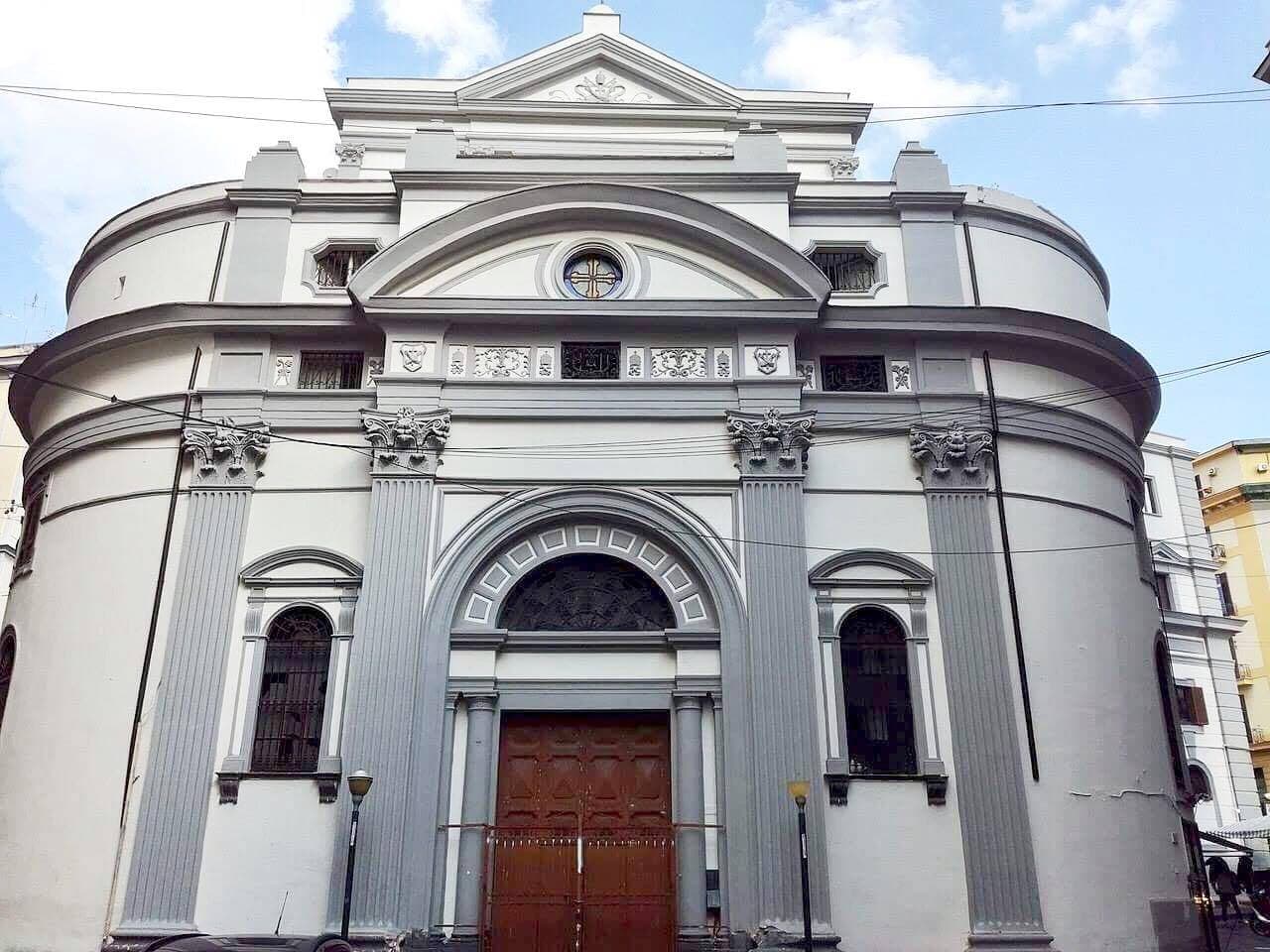 The Basilica of San Pietro ad AramA church east of Naples near the railway station, built on a site where local tr1 minute walk4.5
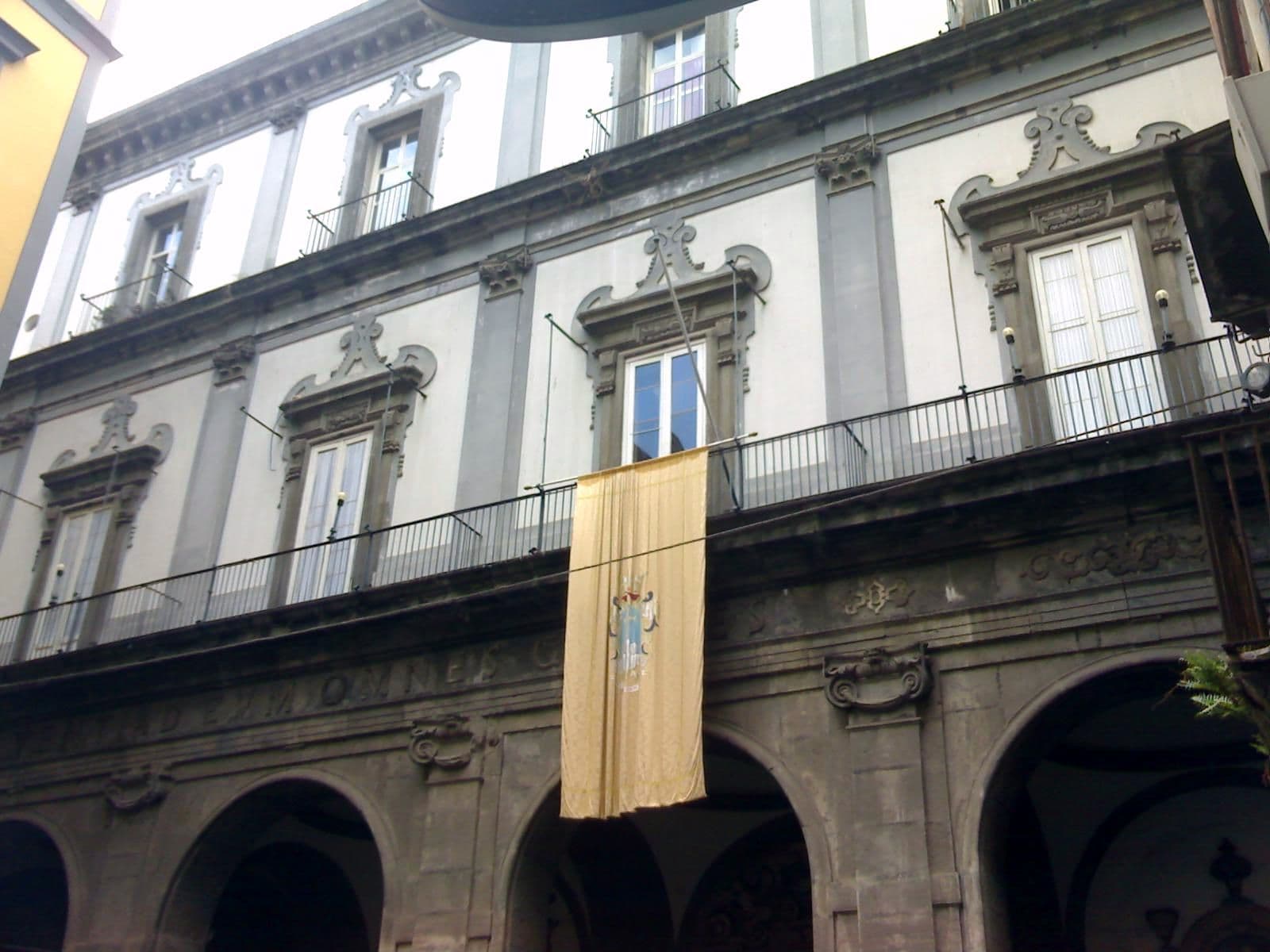 Pio Monte della MisericordiaA Caravaggio in the place it was painted for: the Pio Monte charity was founded 5 minutes walk4.7
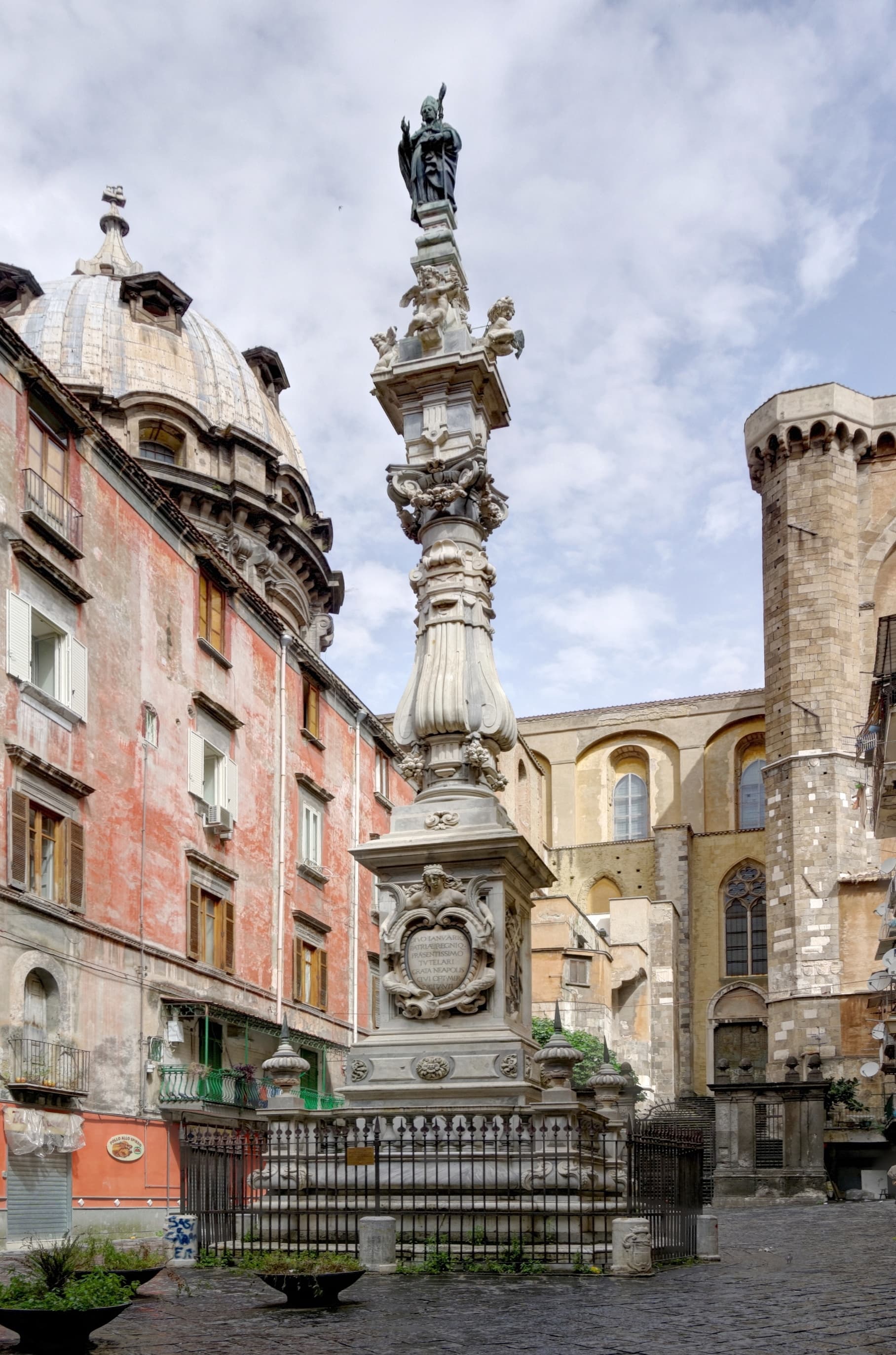 The Obelisk of San GennaroA baroque obelisk before Naples cathedral, raised in the seventeenth century in 6 minutes walk4.4
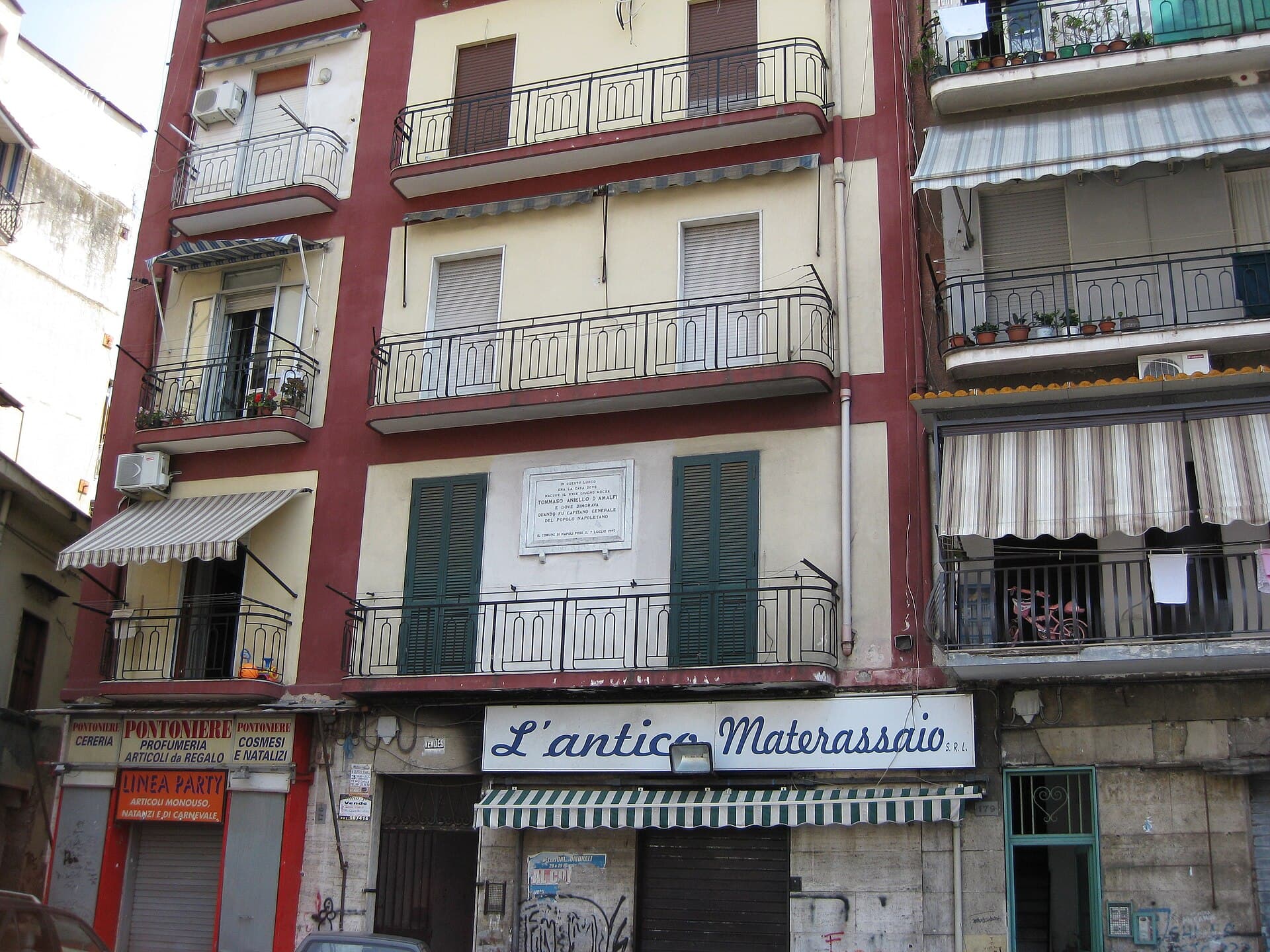 Piazza del MercatoA wide square east of old Naples, for centuries both the city's main market and 6 minutes walk3.8
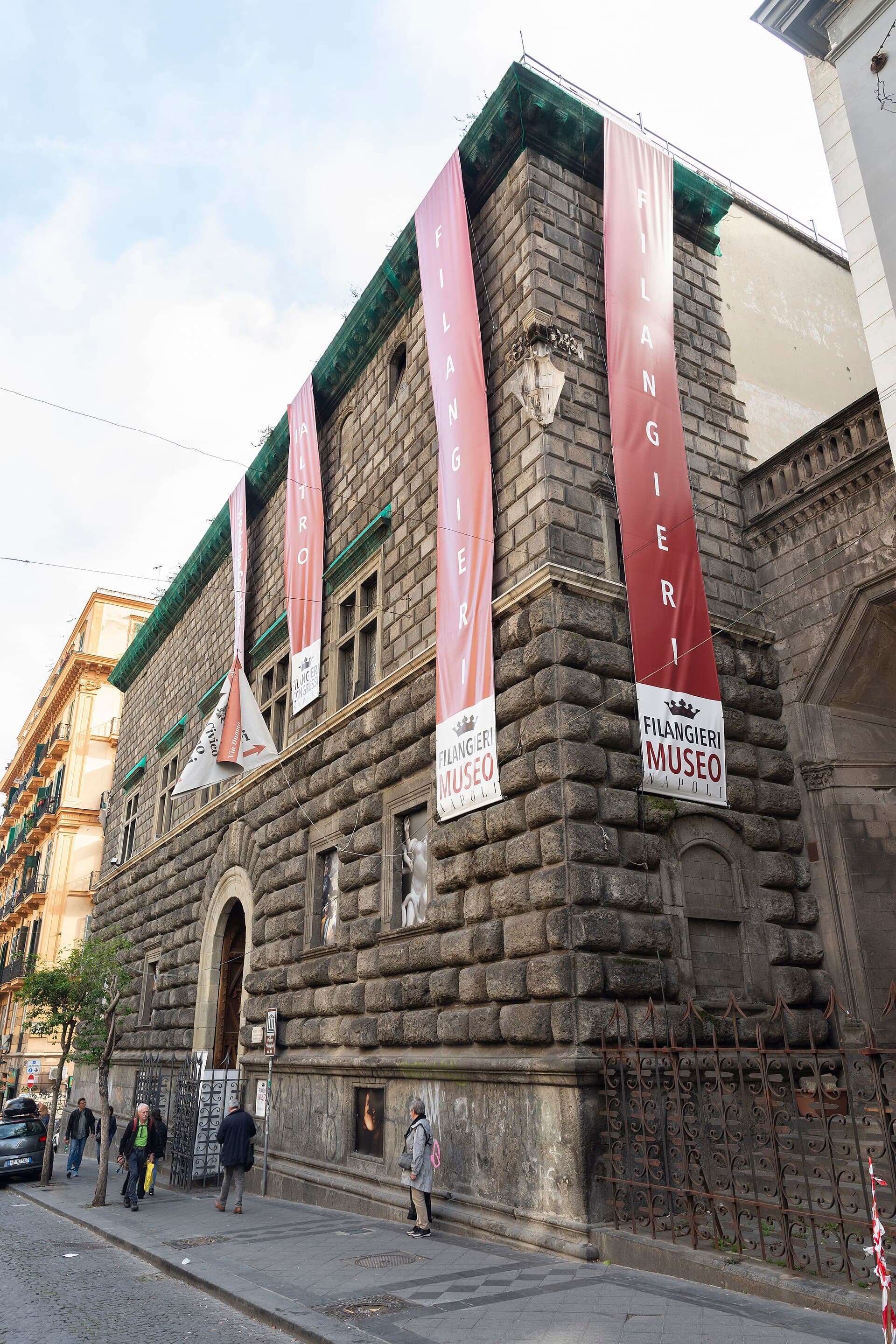 Museo FilangieriWhen Naples drove Via Duomo through the old centre in the 1880s, Palazzo Como st6 minutes walk4.5
Yes, but for an entirely different reason. This will not compete with the Cappella Sansevero or Santa Chiara on art and decoration, and if that is what you come for you will leave unsatisfied. The whole value sits in the foundling wheel and its room: half a quiet hour in front of an object that explains a city better than most paintings do. Entry is free, so there is nothing to lose.
The site itself is easy: flat, short, free, and it asks for no great patience. The story, though, is a hard one - mothers giving up their babies - so judge whether your children are old enough for it, or simply stick to the church and the courtyard. The real hazard is outside the door rather than inside: the lanes of Forcella are narrow and the scooters are fast, so take small hands the moment you step out.