
The eleven towers
Walls walked whole above the white city.
Robert Nyman — CC BY 2.0 · Jan Helebrant — CC0 · Jan Helebrant — CC0 · Jan Helebrant — CC0
São Jorge Castle is Lisbon's crown and origin: on its highest hill the Almoravids built the fort (11th century) over foundations reaching the Phoenicians — and here Afonso I stormed the city (1147) in the famous Siege of Lisbon, making it Portugal's royal castle three centuries before the river palaces. Today it is the city's finest balcony: walls and eleven towers walked in full, pine-and-olive courts patrolled by peacocks, and the mother view — the red-tile sea falling to the Tagus, the suspension bridge, the whole white city below. Within sit a three-layered dig (Iron Age, Islamic, medieval) and the camera obscura tower showing the living city through a turning lens — and the ascent is half the joy: tram 28, or the castle lanes' winding medieval quarter.
Walls walked whole above the white city.
The red sea falling to river and bridge.
The shade courts and their coloured tenants.
Rua de Santa Cruz do Castelo, 1100-129 Lisbon
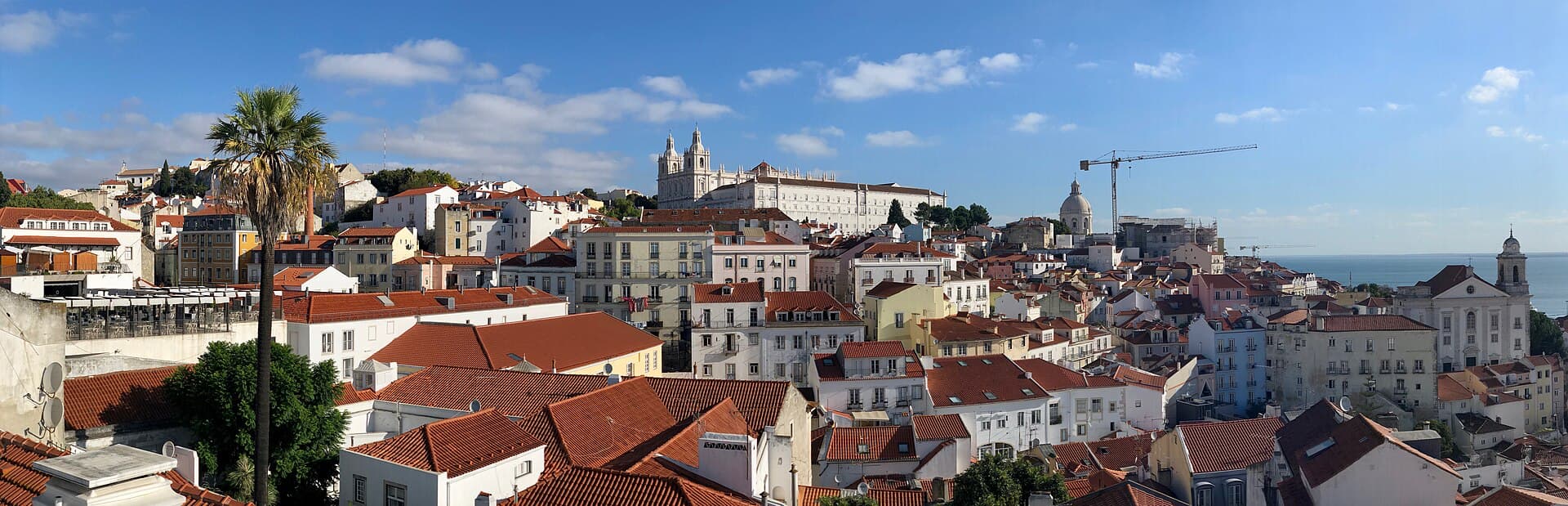 Miradouro das Portas do SolA viewing terrace on the edge of the Alfama, looking east over the roofs of the 5 minutes walk4.6
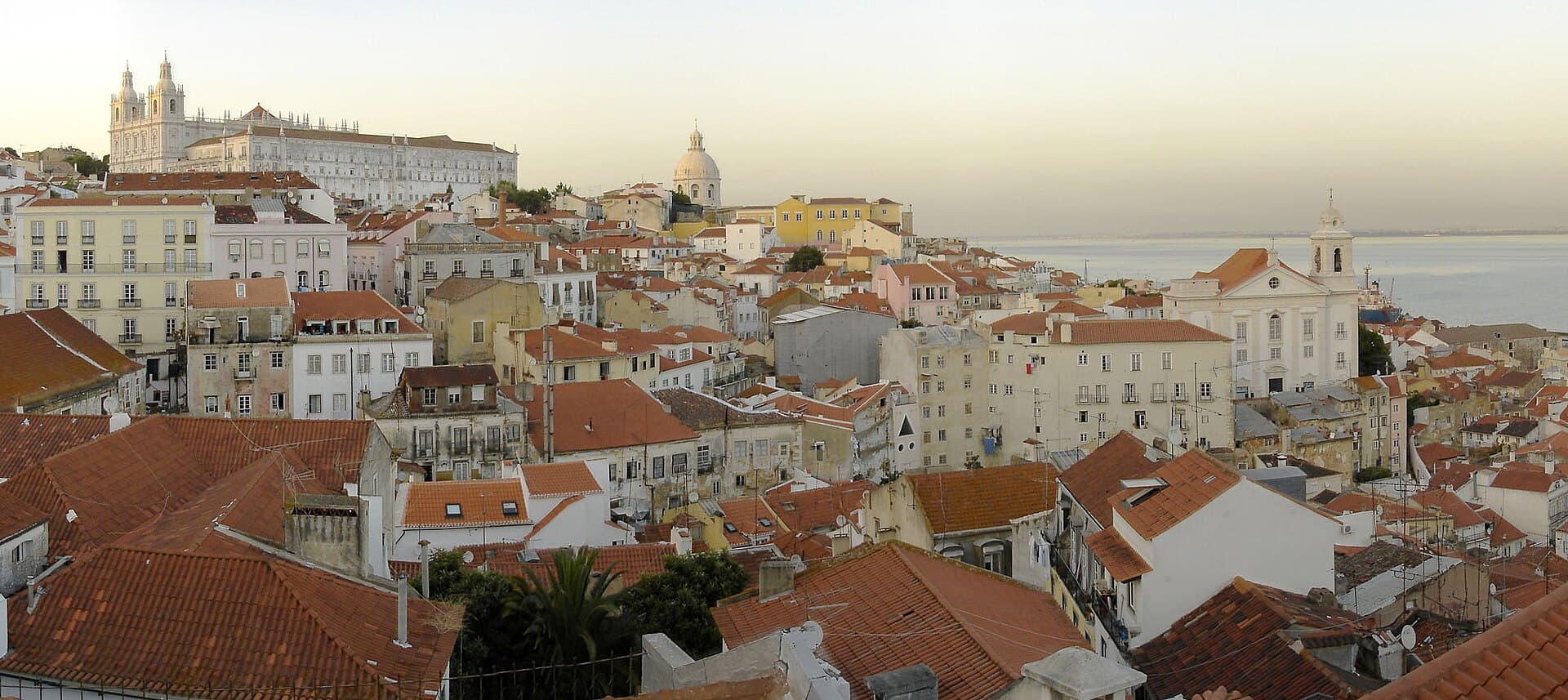 Alfama & its MiradourosAlfama is Lisbon's oldest soul: the quarter that survived the 1755 quake keeping5 minutes walk4.5
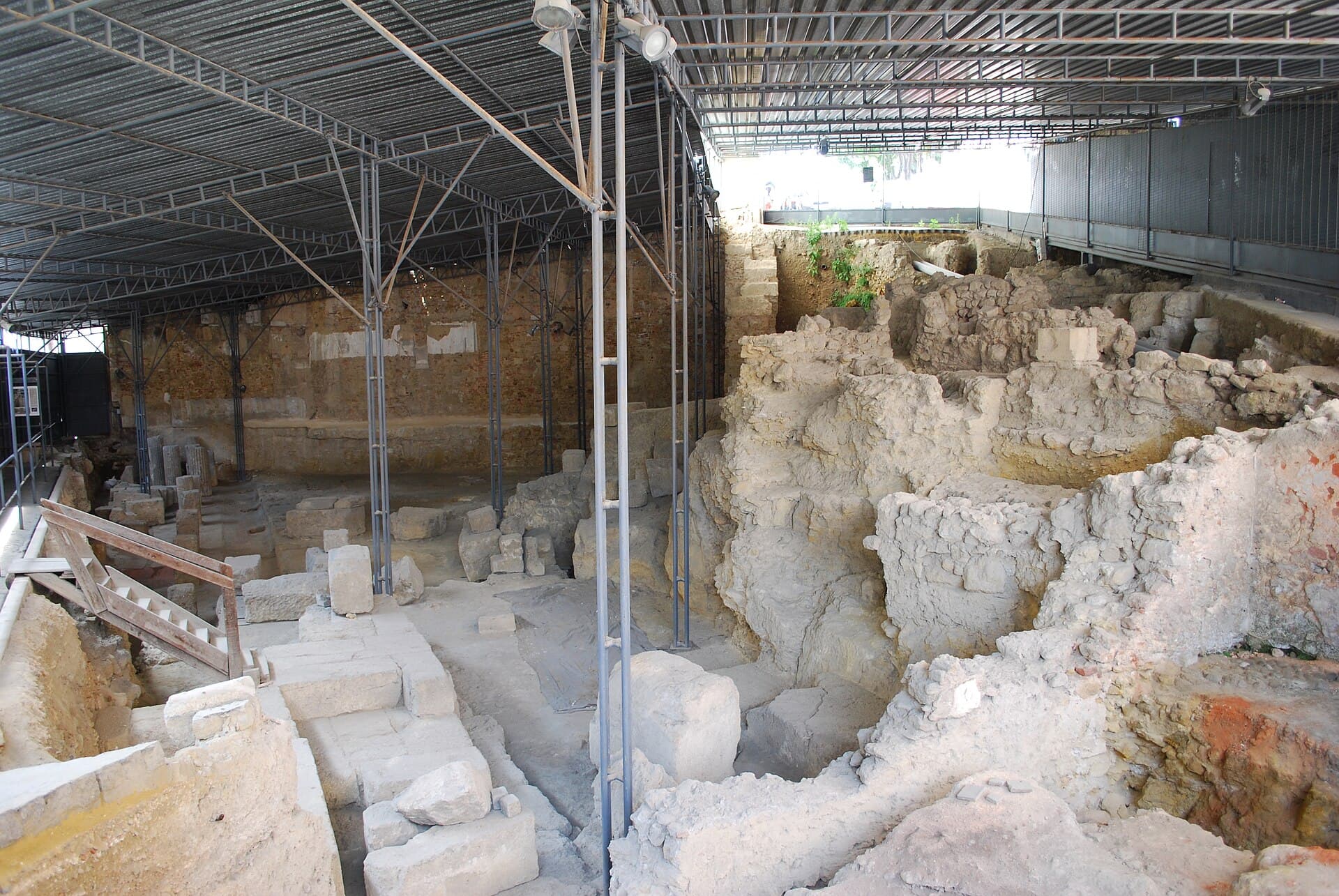 Roman Theatre MuseumA museum built around the remains of a first-century Roman theatre, on the slope5 minutes walk4.3
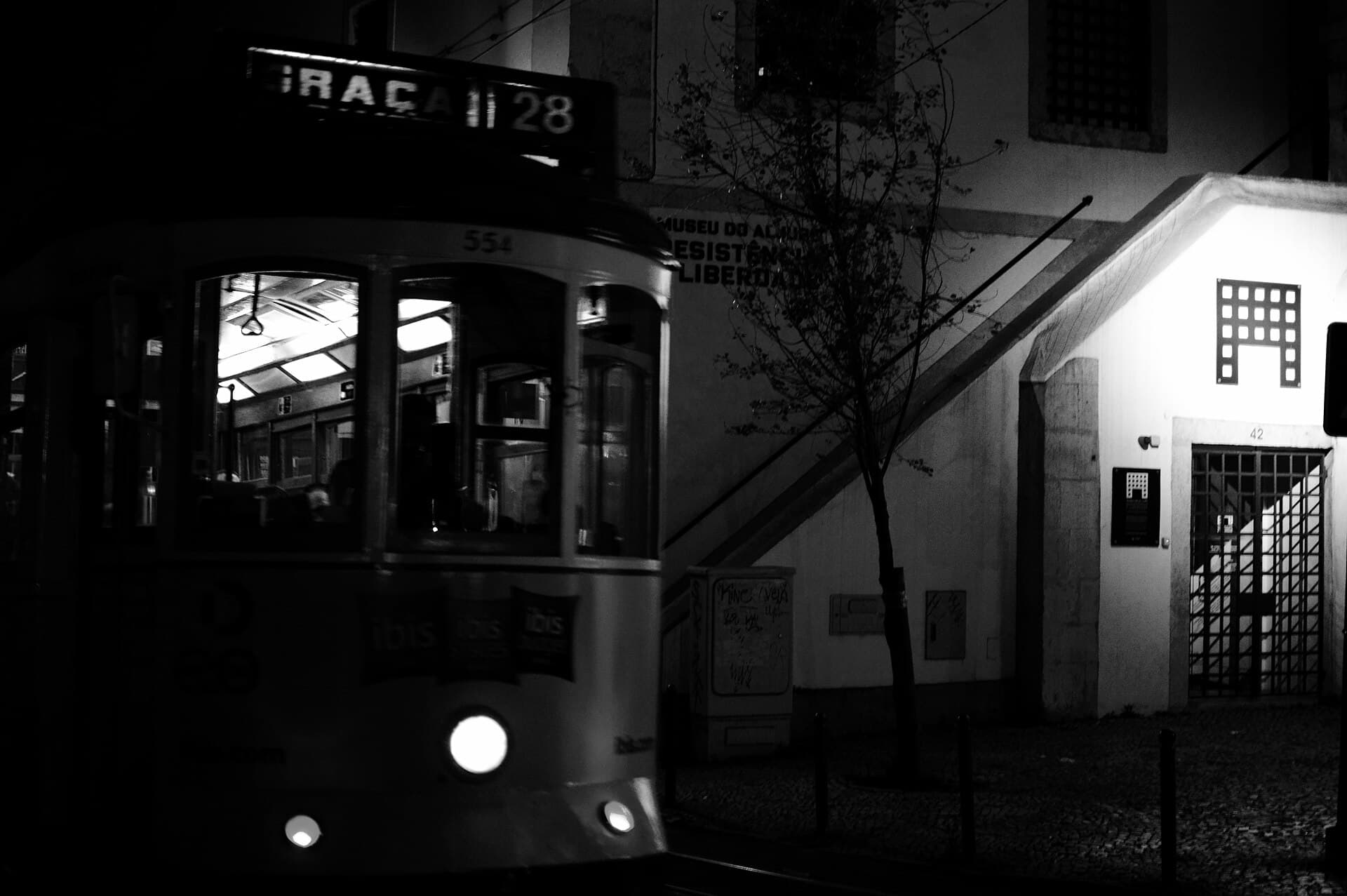 Aljube Museum of Resistance and FreedomA museum about the Portuguese dictatorship and the resistance to it, in a buildi5 minutes walk4.6
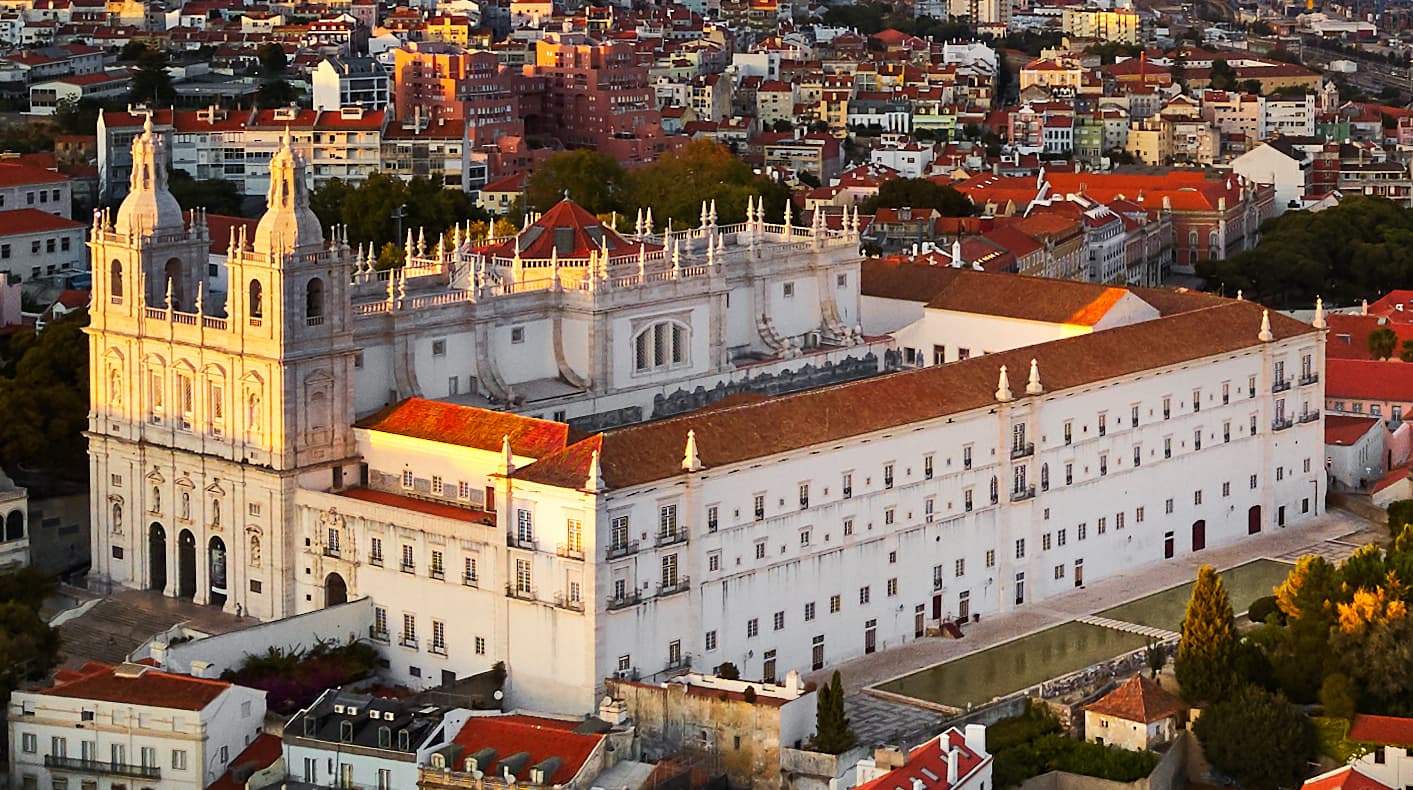 Monastery of São Vicente de ForaA late sixteenth-century monastery and church east of the Alfama, among the larg6 minutes walk4.8
The castle is the royal view, ticketed, with walkable walls — the miradouros (Santa Luzia, Portas do Sol, Graça) are Alfama's free balconies at lower, warmer angles. For one day: castle for late afternoon and sunset, miradouros for morning — the ticket also buys you the walls' calm over the terraces' crush.