
The Cod Wars
A country without an army beat the Royal Navy over fishing limits.
Photographer: Mosbatho — CC BY 4.0 · Holger Uwe Schmitt — CC BY-SA 4.0 · Holger Uwe Schmitt — CC BY-SA 4.0 · Holger Uwe Schmitt — CC BY-SA 4.0
A museum in a former fish factory on Reykjavik's old harbour, documenting Iceland's relationship with the sea: fishing, navigation and life aboard ship. The subject is central rather than peripheral. Iceland was for centuries among Europe's poorest countries, then built its modern economy almost entirely on fishing in the twentieth century. Understanding that explains how the country became what it is. The museum devotes a section to the Cod Wars, a series of confrontations at sea between Iceland and Britain from the 1950s to the 1970s over fishing limits. Iceland extended its territorial waters from four miles to two hundred in stages and faced the Royal Navy with a handful of coastguard vessels and net-cutting devices. The confrontations ended in Iceland's favour — a country without an army defeated a major naval power through diplomacy and the threat of leaving NATO. Outside the museum the coastguard vessel Óðinn, which took part in those confrontations, is moored and can be visited on a tour. Practical points: entry is ticketed; the ship tour may run at set times or seasonally — ask on arrival.
A country without an army beat the Royal Navy over fishing limits.
Fishing built the modern Icelandic economy within one century.
The building itself is part of the story the museum tells.
The old harbour, Reykjavik
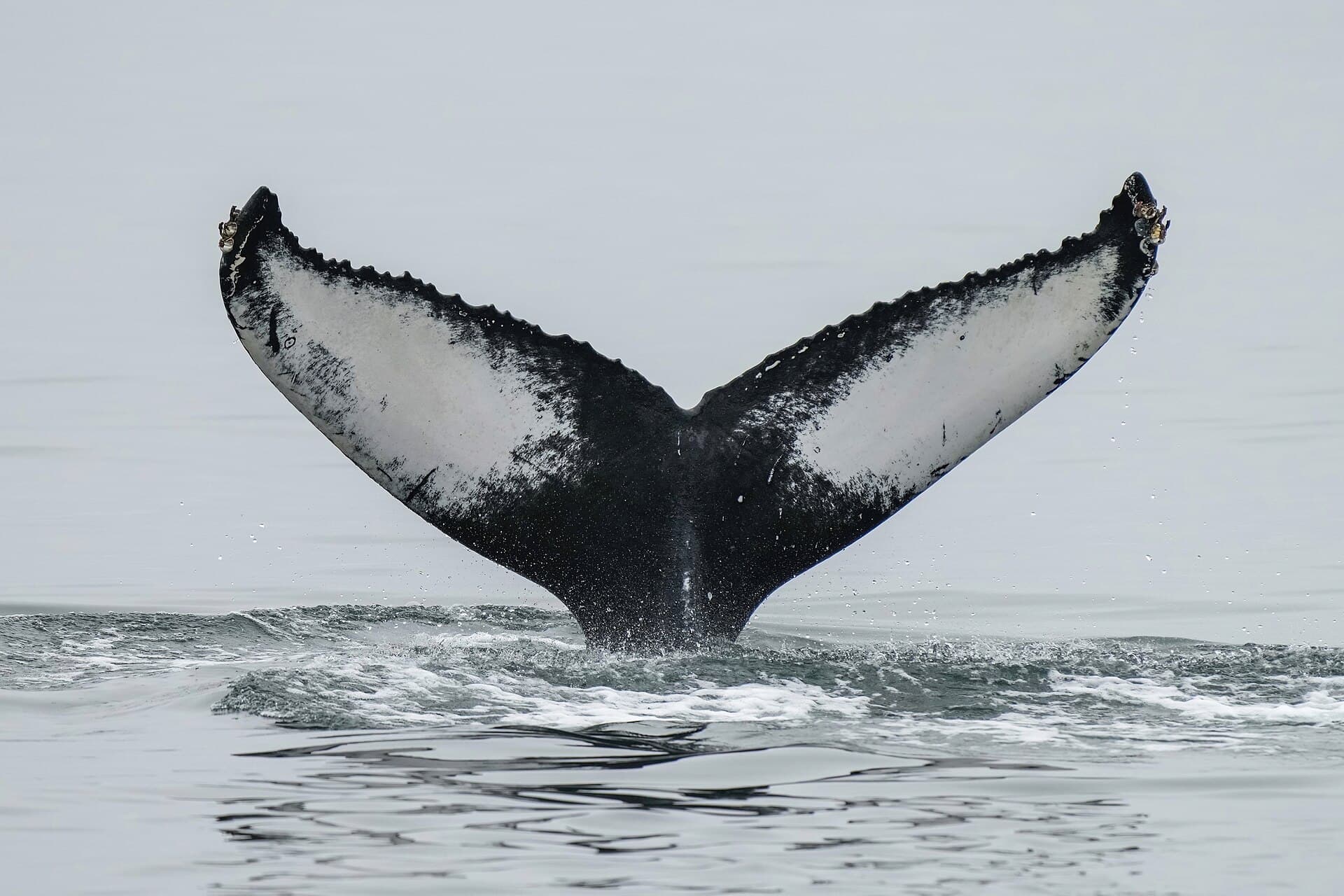 Whales of IcelandTo walk beneath a blue whale: Europe's largest whale exhibition, in a warehouse 4 minutes walk4.4
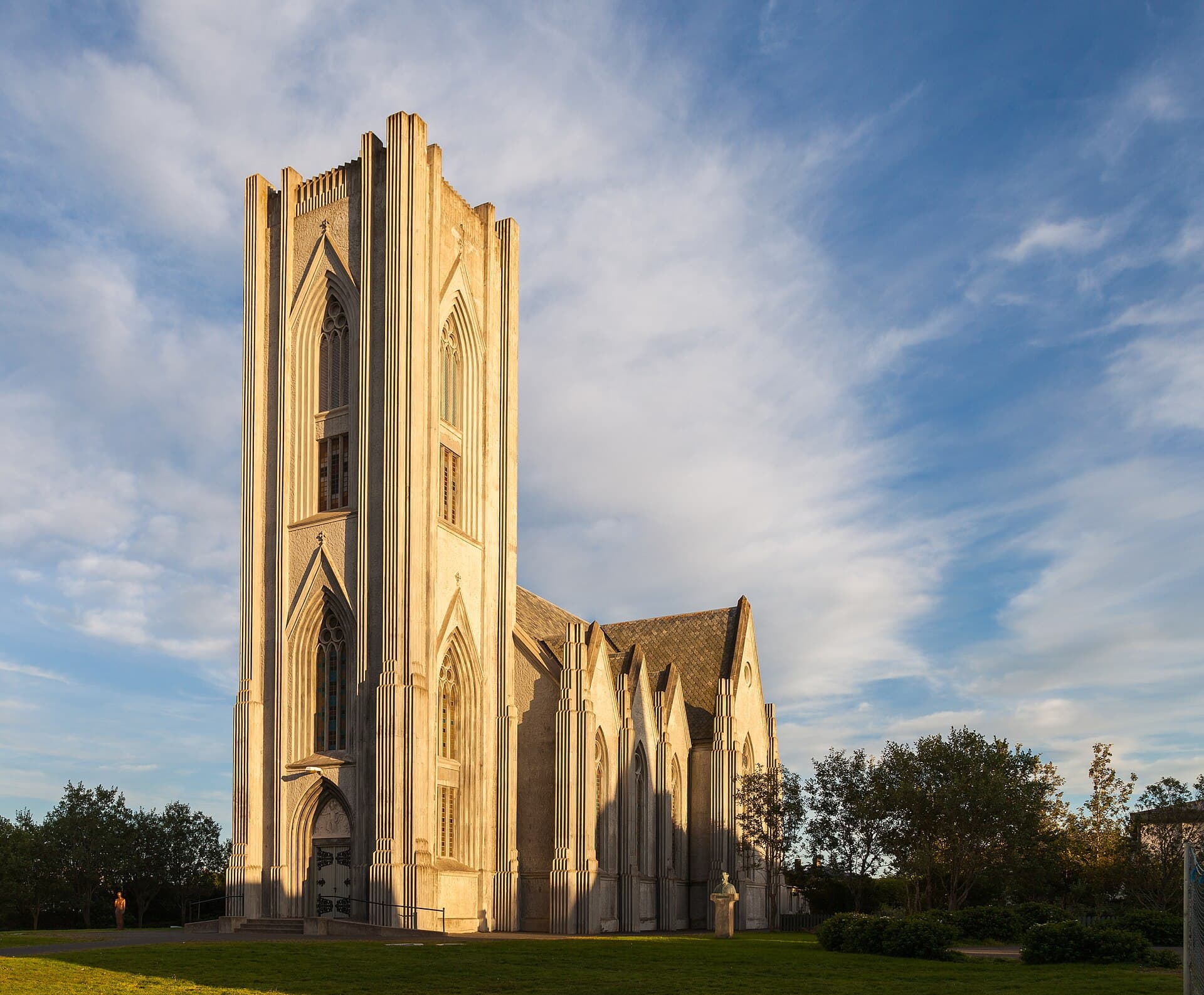 Cathedral of Christ the KingIceland's Catholic cathedral, on the Landakot hill west of central Reykjavik, co8 minutes walk4.4
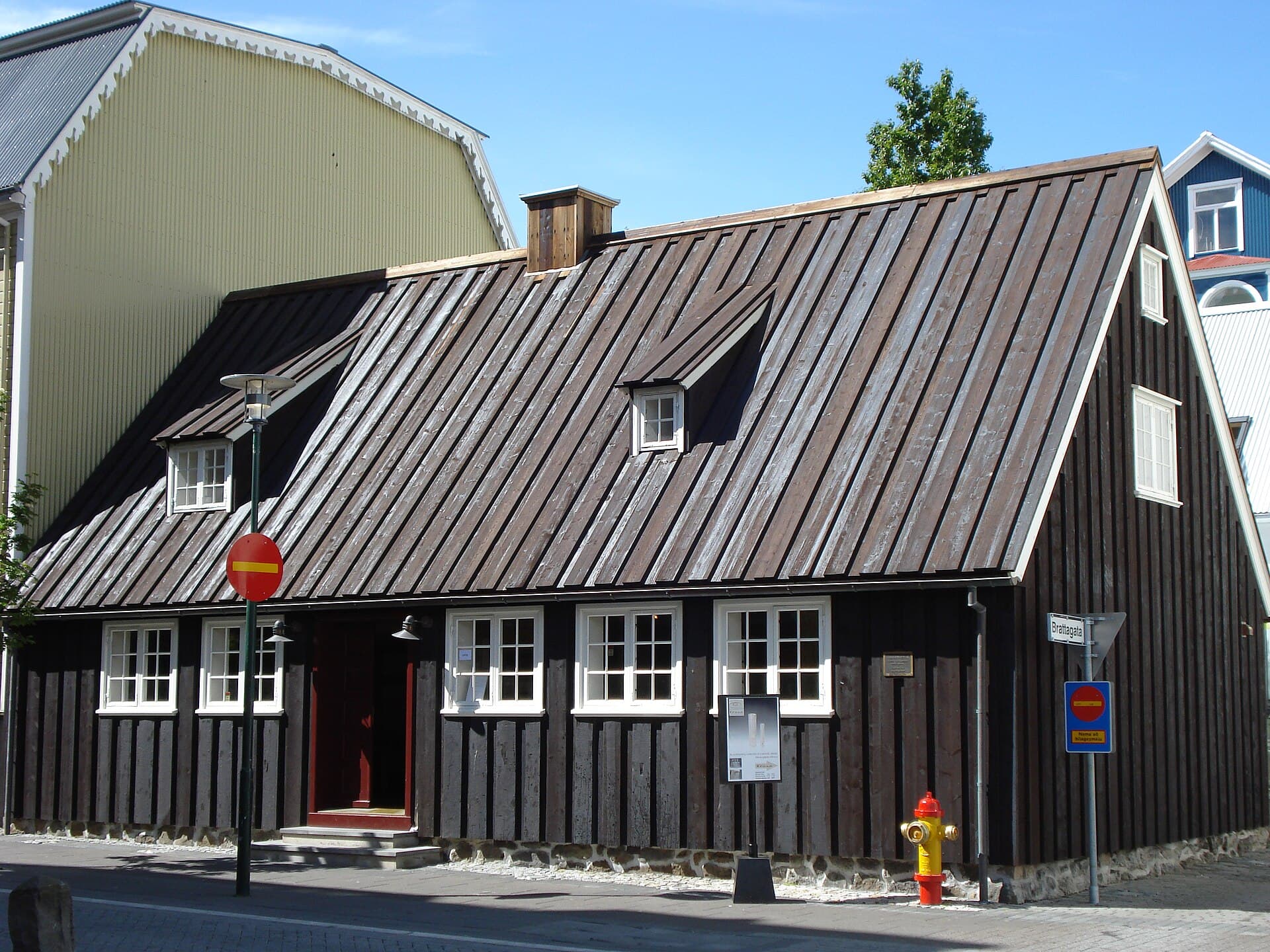 Aðalstræti 10The oldest surviving house in Reykjavik, dating to around 1762, working today as9 minutes walk4.5
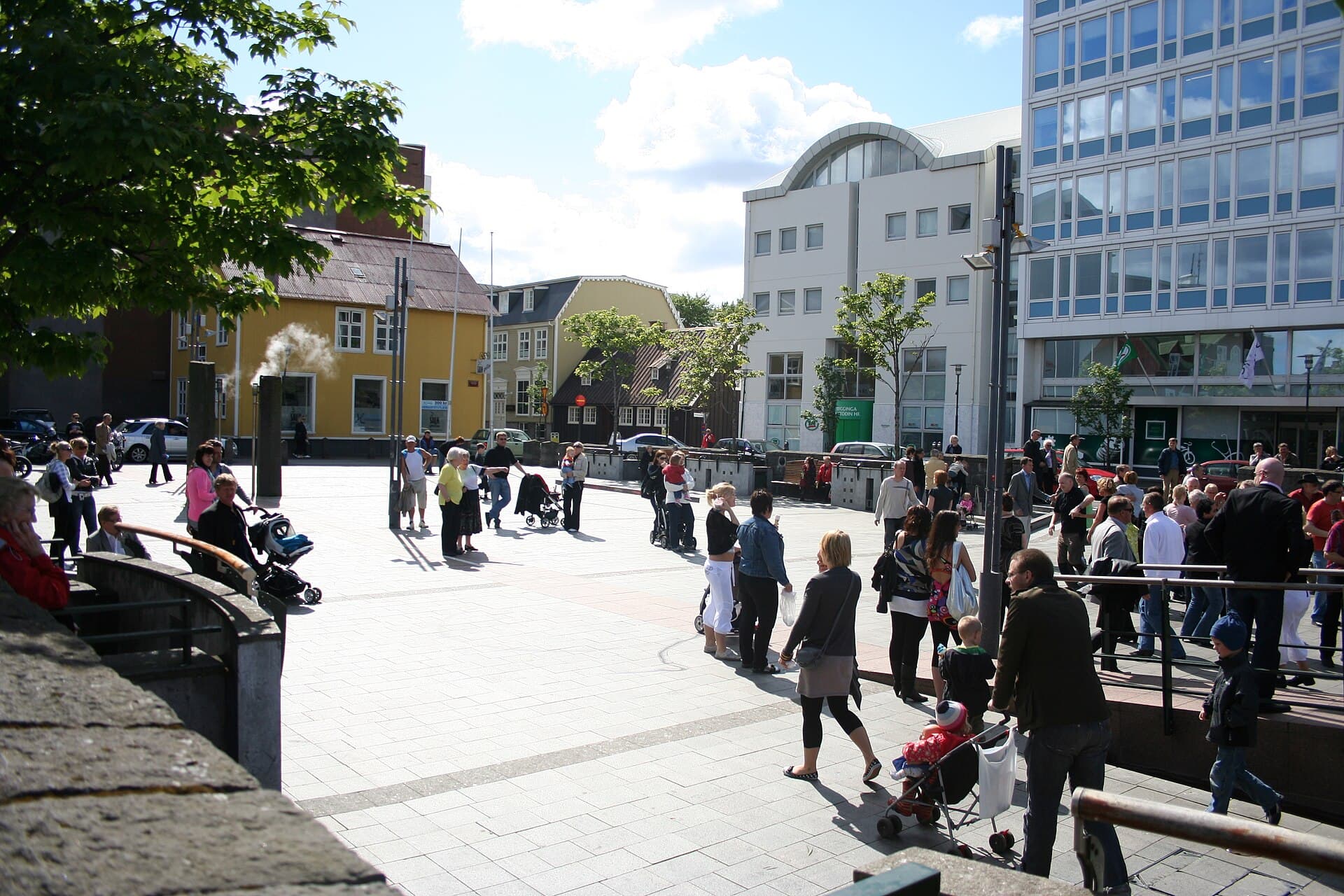 Ingólfstorg SquareAn open square in central Reykjavik, named after Ingólfur Arnarson, whom the Ice9 minutes walk4.6
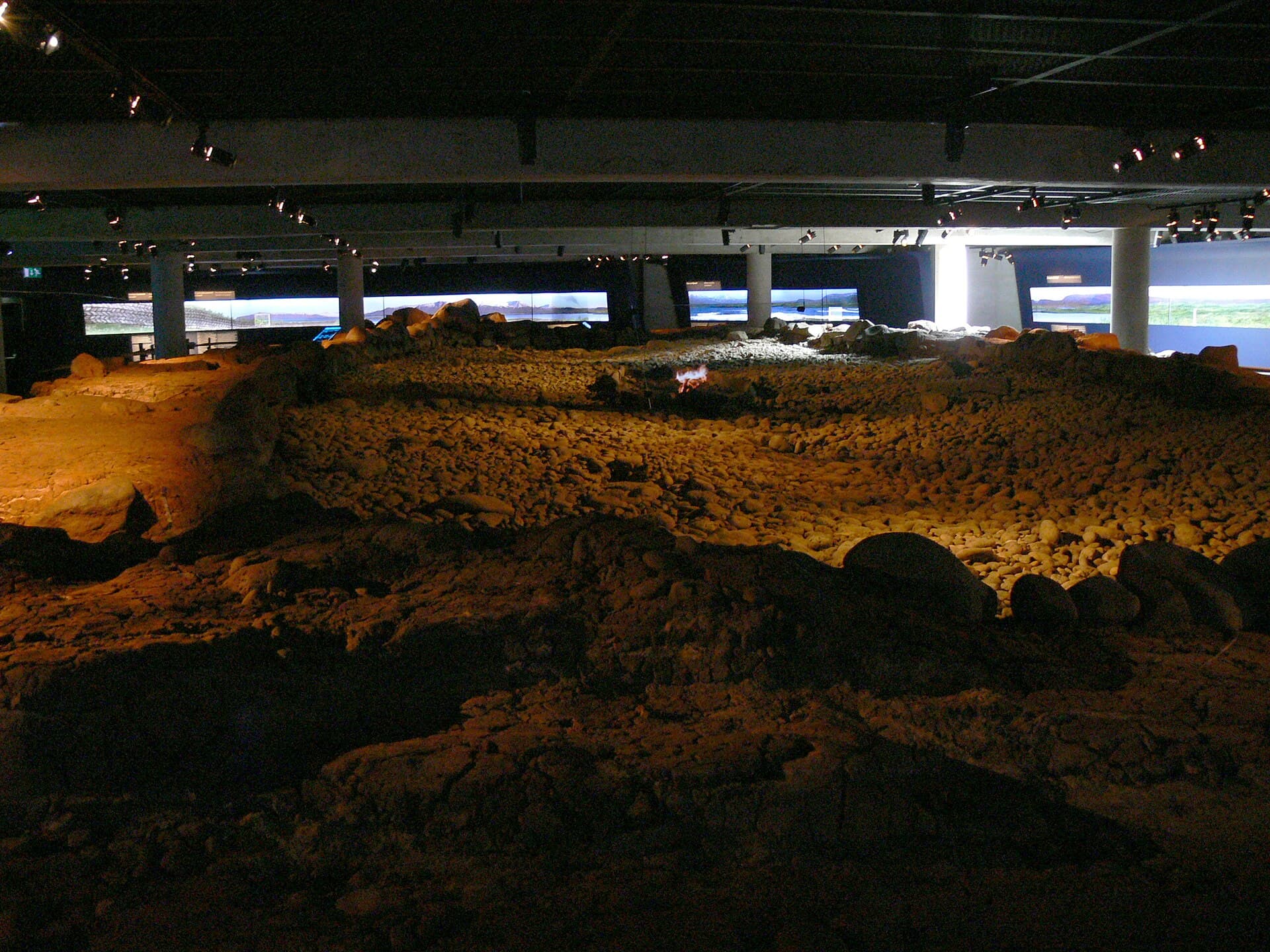 The Settlement Exhibition 871±2Reykjavik's oldest house exactly where it was found: digging hotel foundations i9 minutes walk4.4
Three confrontations between Iceland and Britain from 1958 to 1976 over fishing limits. Iceland extended its territorial waters from four miles to twelve, then fifty, then two hundred; Britain refused and treated the waters as international. Icelandic coastguard vessels used cutters to sever the trawl cables of British ships, Britain sent frigates to protect them, and collisions followed. The dispute ended in British acceptance after Iceland threatened to close the Keflavík base and leave NATO — decisive leverage in the Cold War.
The old harbour itself: fish restaurants and whale-watching trips leave from here, and the Whales of Iceland museum is nearby. The area has turned from an industrial port into a district of restaurants and culture, a short walk from the centre.