
Pillars thrown to sea
The story is that the settler stayed where his wooden pillars came ashore.
BiT — Public domain · Ray Swi-hymn from Sijhih-Taipei, Taiwan — CC BY-SA 2.0 · Ray Swi-hymn from Sijhih-Taipei, Taiwan — CC BY-SA 2.0 · Rob Young from United Kingdom — CC BY 2.0
An open square in central Reykjavik, named after Ingólfur Arnarson, whom the Icelandic sagas hold to have been the island's first permanent settler around the year 874. The site connects to that directly: the square lies near the place the sagas identify as where he first settled. Excavations in this district uncovered the remains of settlement-era buildings, displayed today in the Settlement Exhibition minutes away. The settlement story as the records tell it: Ingólfur threw sacred wooden pillars into the sea and vowed to settle wherever they came ashore. They arrived here, and he named the place Reykjavík, smoky bay, after the columns of steam rising from the hot springs — the name the capital has carried ever since. The square today is an ordinary urban space used by skateboarders, with seasonal events and concerts. Its design draws repeated local criticism as empty and windy. Practical points: free and always open in the centre. The visit is minutes — read the story while passing through.
The story is that the settler stayed where his wooden pillars came ashore.
The columns of steam from the springs gave the city its name.
Skateboarders and events — a used space rather than a monument.
Central Reykjavik
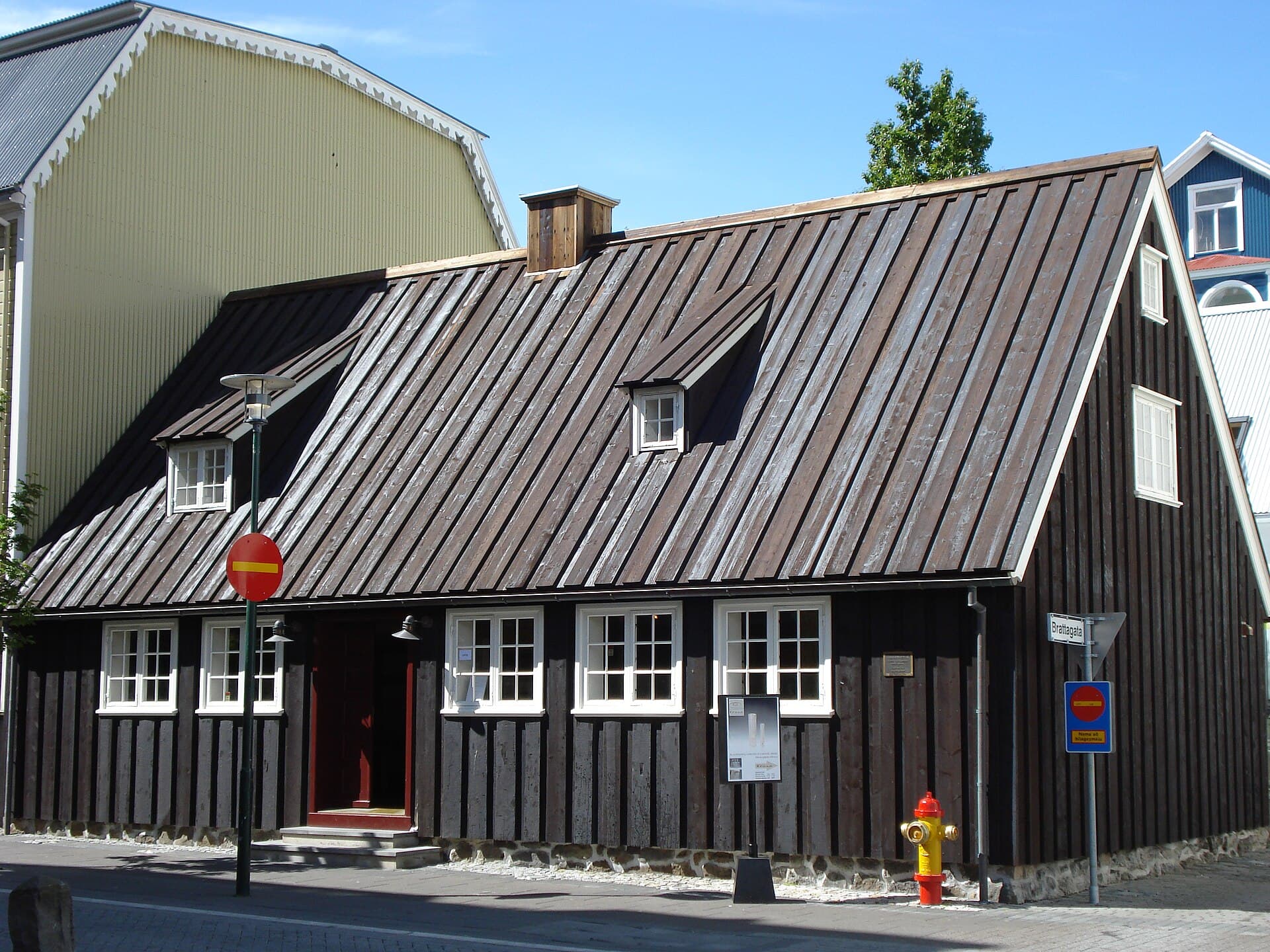 Aðalstræti 10The oldest surviving house in Reykjavik, dating to around 1762, working today as1 minute walk4.5
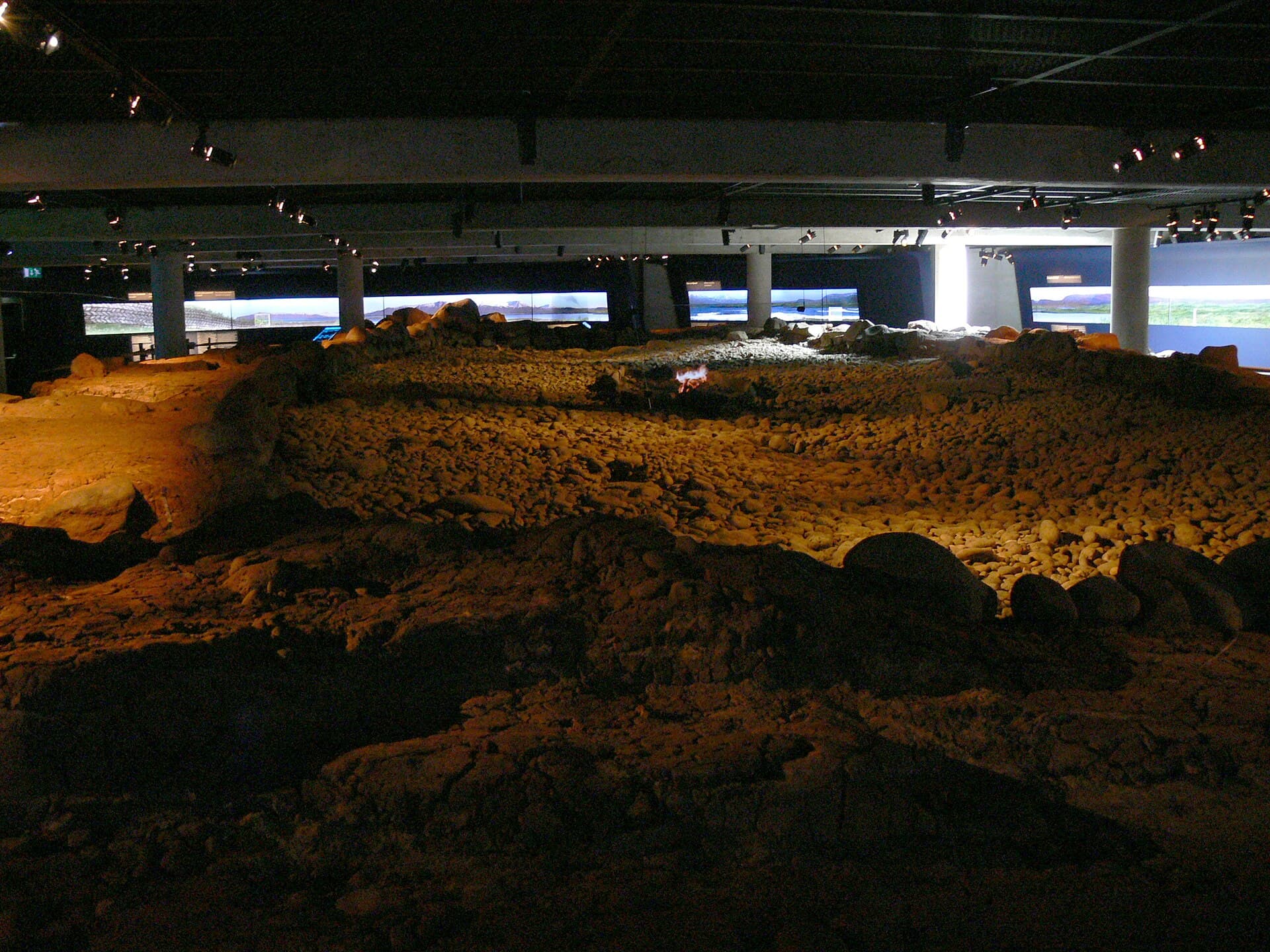 The Settlement Exhibition 871±2Reykjavik's oldest house exactly where it was found: digging hotel foundations i1 minute walk4.4
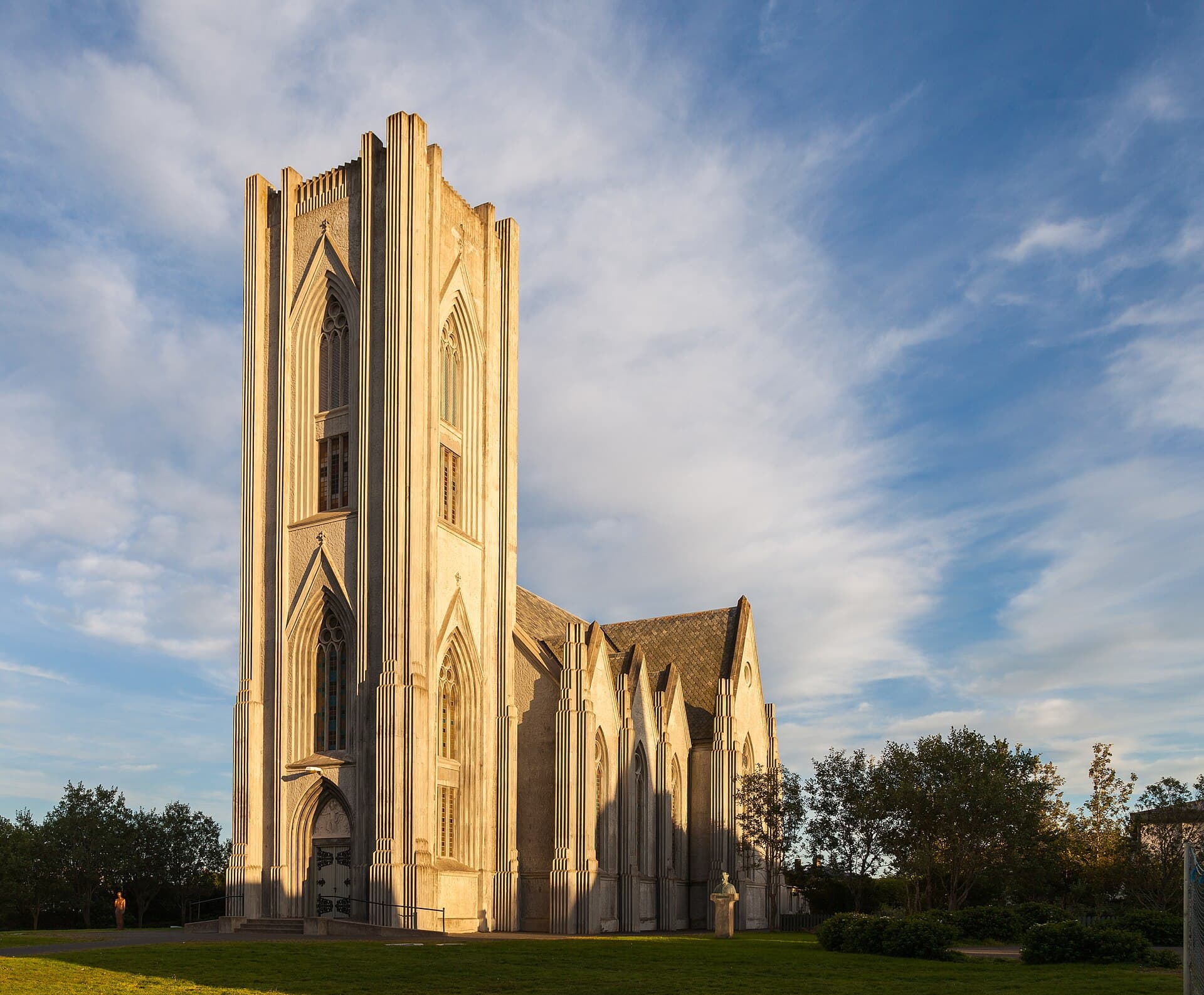 Cathedral of Christ the KingIceland's Catholic cathedral, on the Landakot hill west of central Reykjavik, co4 minutes walk4.4
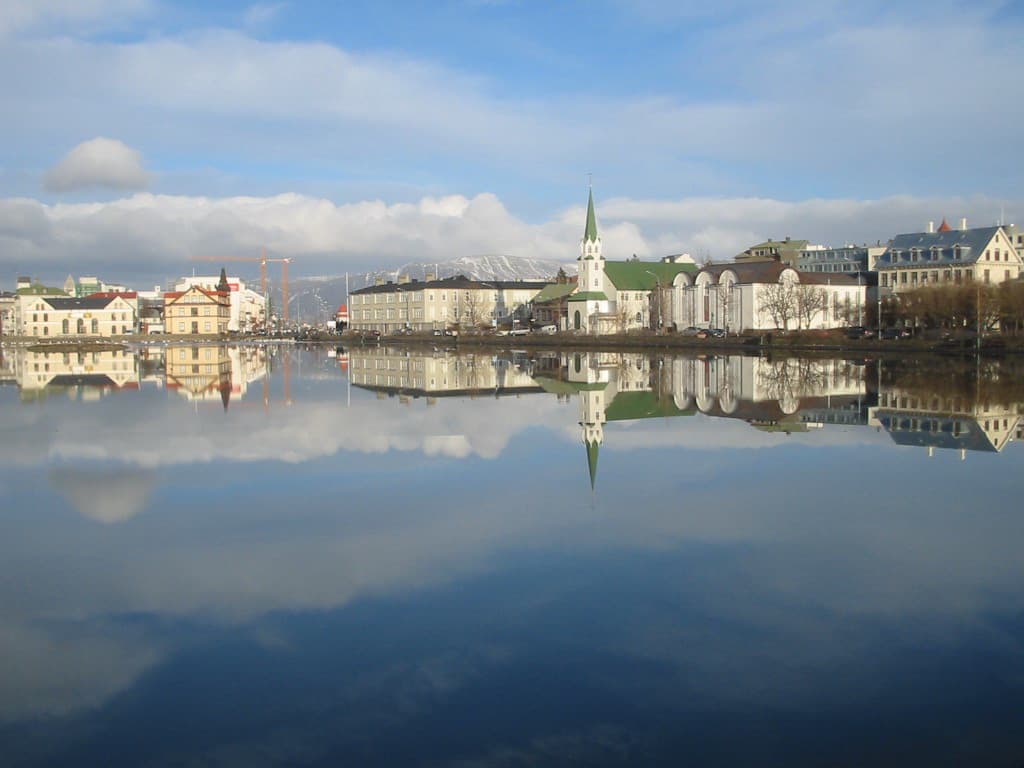 Tjörnin LakeA small lake in the immediate centre of Reykjavik, whose name means simply the p5 minutes walk4.8
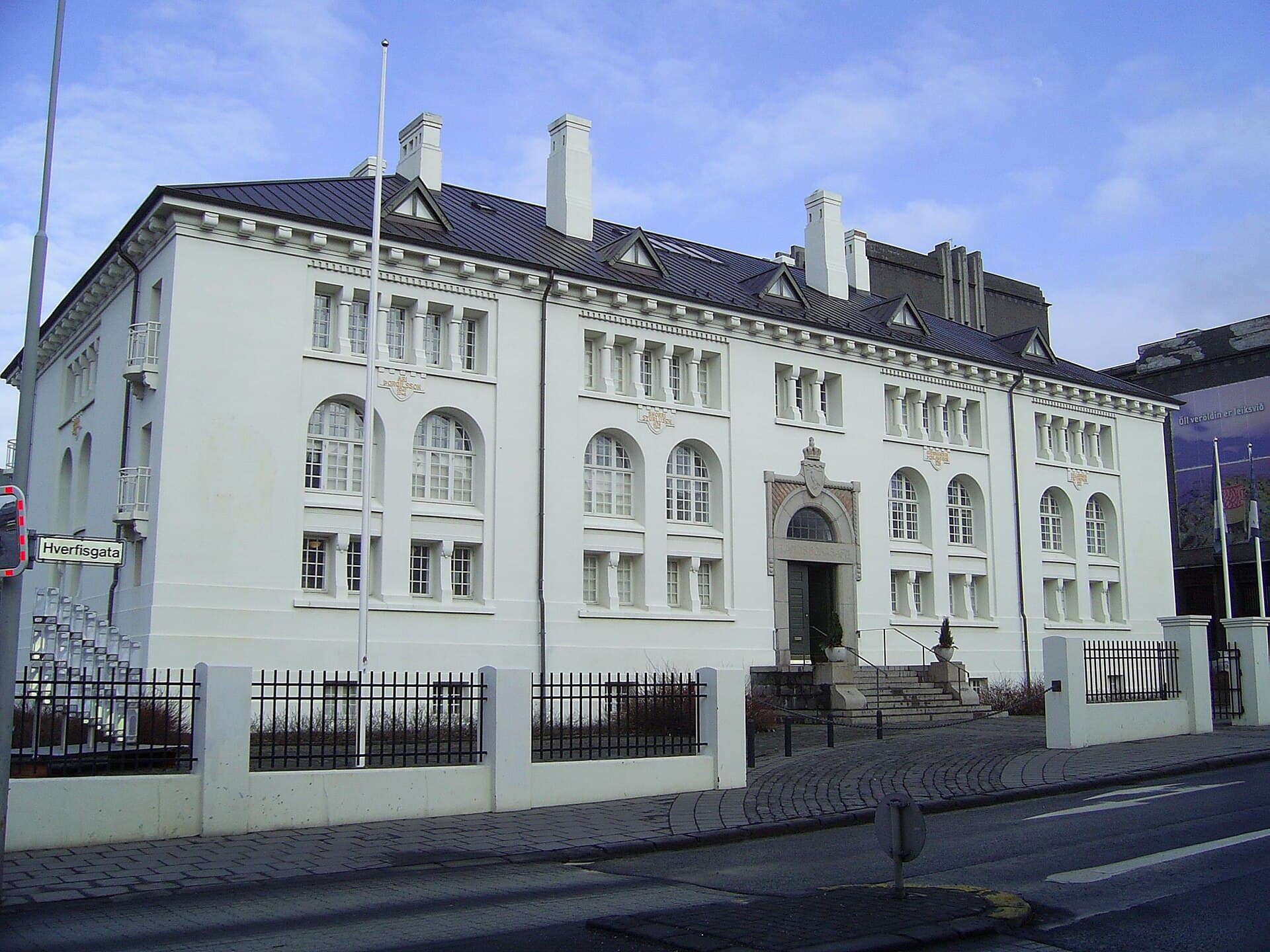 The House of CollectionsA museum in an early twentieth-century building in central Reykjavik, bringing t6 minutes walk4.0
Partly. Archaeological dating confirms that human settlement in Reykjavik began in the late ninth century, which matches the account. But the story's details — the pillars and the vow — were written down centuries after the event in the Book of Settlements, and are most likely a literary reconstruction of the city's origin rather than a record of what happened. The archaeological layer is real; the narrative around it is literature.
The Settlement Exhibition minutes away, built around the remains of a settlement-era longhouse found in place during construction work — the best place to understand the story through evidence rather than narrative. Then Laugavegur street and the city museum nearby.