
A city from a failed project
The wool workshops went bankrupt but created the capital's nucleus.
TommyBee — Public domain · Ray Swi-hymn from Sijhih-Taipei, Taiwan — CC BY-SA 2.0 · Holger Uwe Schmitt — CC BY-SA 4.0 · Holger Uwe Schmitt — CC BY-SA 4.0
The oldest surviving house in Reykjavik, dating to around 1762, working today as part of the Reykjavik City Museum with an exhibition on the city's early history. Its age is the surprise: Reykjavik is a very young city by European standards. Before the mid eighteenth century it was no more than a farm, and then wool-working workshops were established there on the initiative of Skúli Magnússon, the Icelandic official who wanted to build local industry instead of complete dependence on Danish trade. This house is one of those workshop buildings. That industrial attempt failed economically, but it created the urban nucleus that became the capital. Reykjavik was in a sense born of a failed development project. The building itself is timber clad in corrugated metal sheeting, the distinctive Icelandic pattern developed to protect wood from rain and wind, which you see throughout the city centre. Practical points: entry is ticketed and may cover the City Museum's other branches. The location is central, minutes from the Settlement Exhibition.
The wool workshops went bankrupt but created the capital's nucleus.
Corrugated cladding is the Icelandic answer to rain on wood.
Reykjavik was a farm until the mid eighteenth century.
Aðalstræti, central Reykjavik
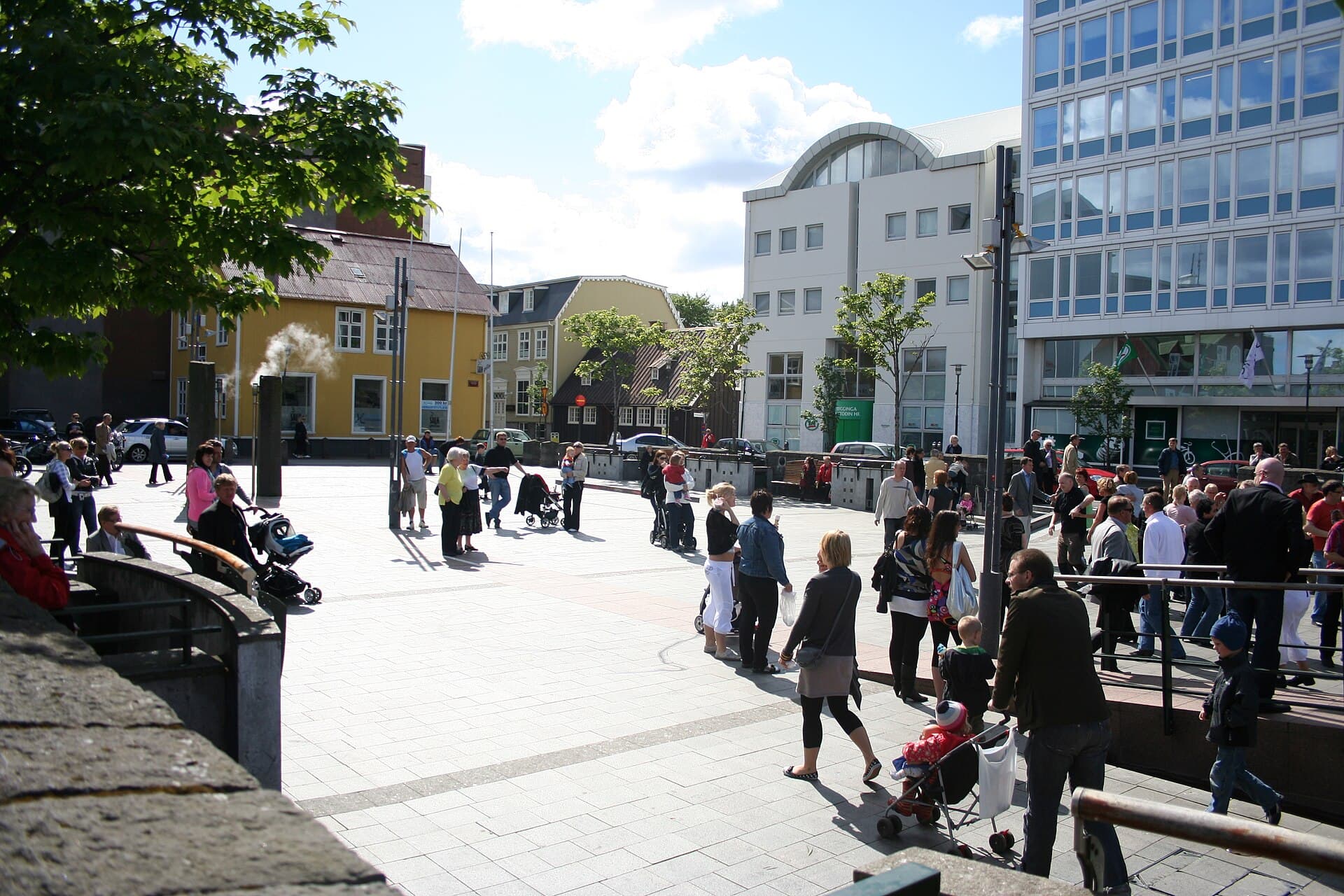 Ingólfstorg SquareAn open square in central Reykjavik, named after Ingólfur Arnarson, whom the Ice1 minute walk4.6
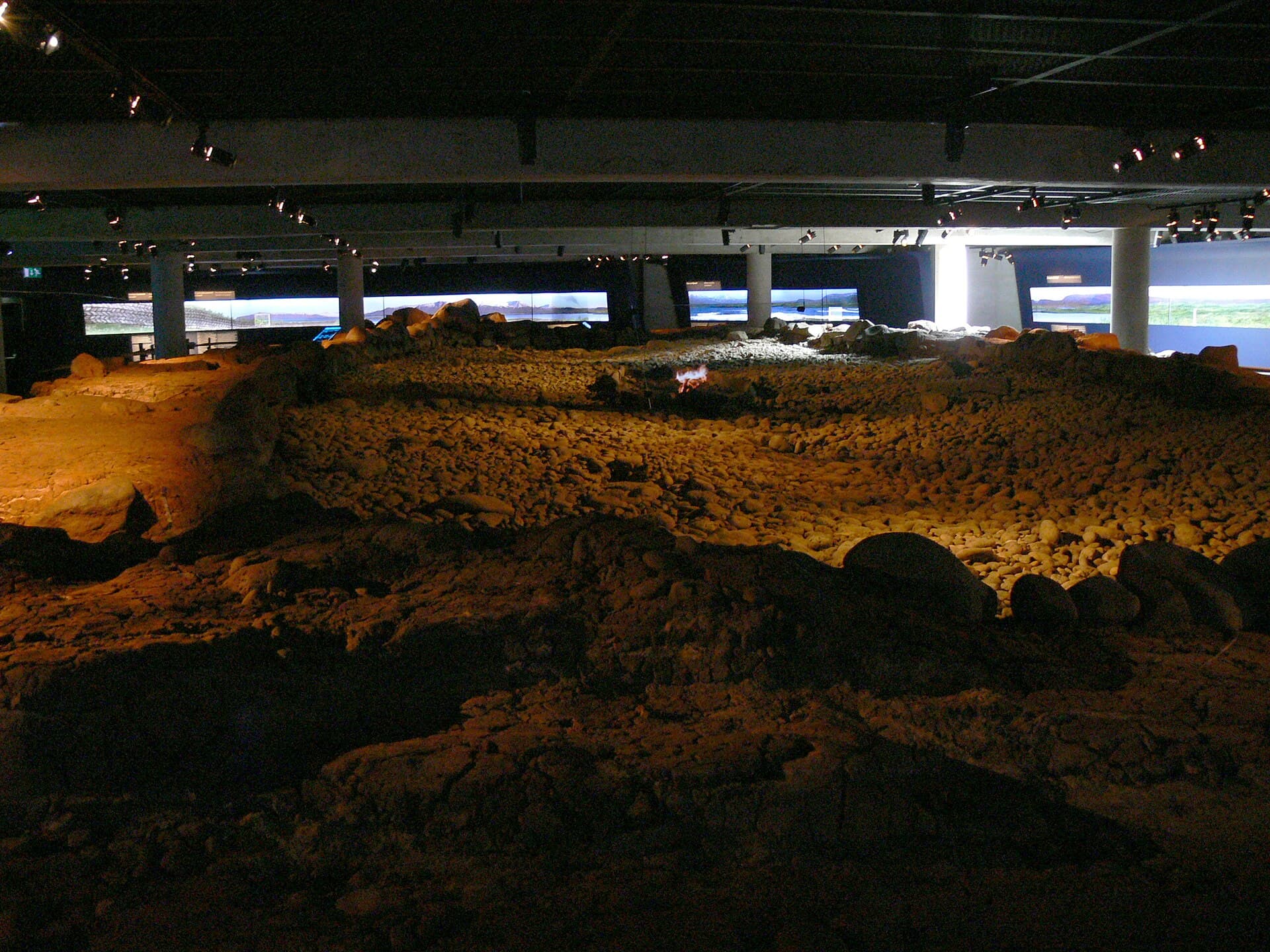 The Settlement Exhibition 871±2Reykjavik's oldest house exactly where it was found: digging hotel foundations i1 minute walk4.4
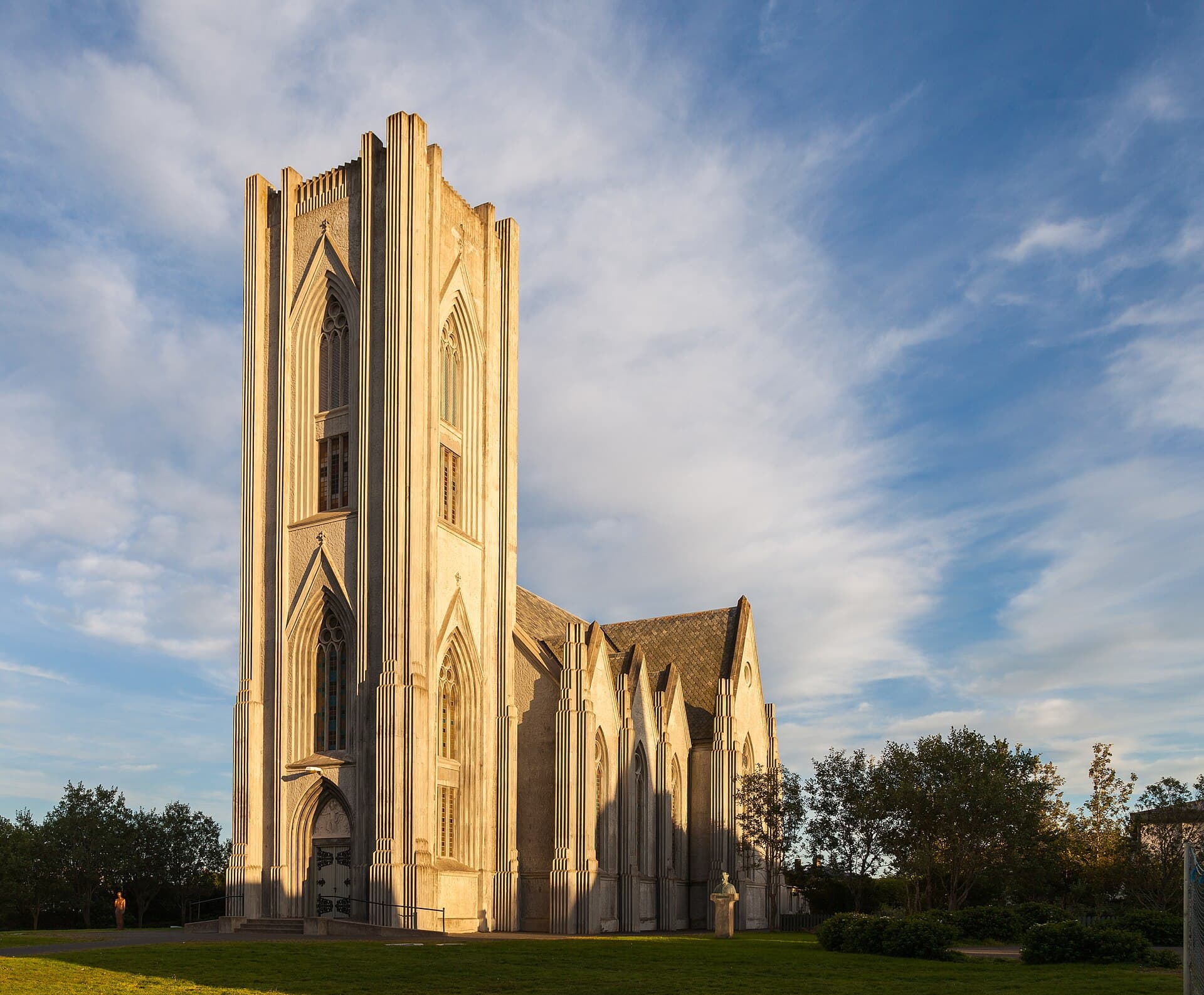 Cathedral of Christ the KingIceland's Catholic cathedral, on the Landakot hill west of central Reykjavik, co4 minutes walk4.4
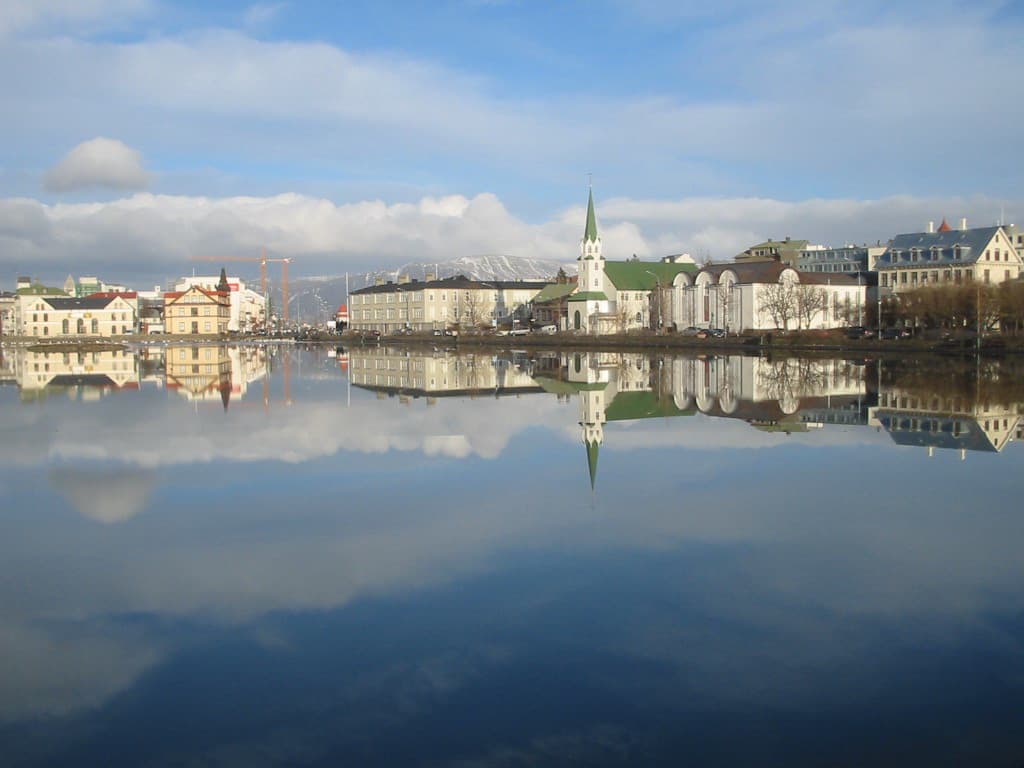 Tjörnin LakeA small lake in the immediate centre of Reykjavik, whose name means simply the p5 minutes walk4.8
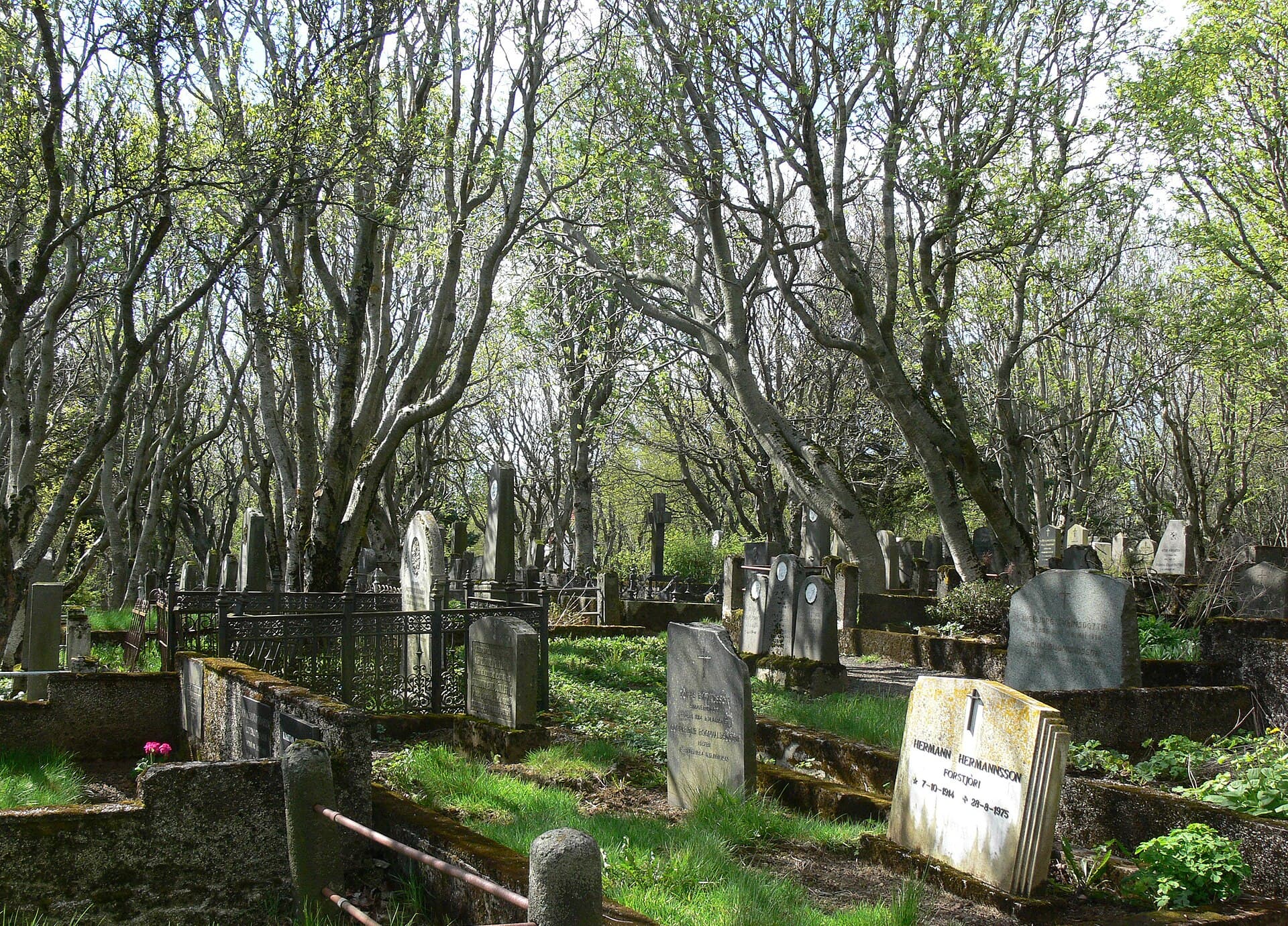 Hólavallagarður CemeteryReykjavik's oldest cemetery, opened in 1838, and today among the quietest green 6 minutes walk4.8
An eighteenth-century Icelandic official known as the father of Reykjavik. He tried to break the Danish trade monopoly that forced Iceland to buy and sell through designated merchants at punitive prices, founding a local industrial company for wool spinning and tanning in Reykjavik. The venture failed financially after some decades, but its buildings, workers and activity formed the island's first urban settlement.
The Settlement Exhibition is built around the remains of a tenth-century longhouse found in place — the era of first settlement. Aðalstræti 10 is eighteenth century — the birth of the modern town. Eight centuries separate them and they are minutes apart. Visiting in that order gives the whole story.