
The ash layer
A volcano dating the house to within two years.
Wolfgang Sauber — CC BY-SA 3.0 · Szilas — Public domain · Szilas — Public domain · Szilas — Public domain
Reykjavik's oldest house exactly where it was found: digging hotel foundations in 2001 uncovered the walls of a Viking longhouse, so the site was left in place and the museum built around it underground — the name comes from a volcanic ash layer above the house dating it precisely to 871, plus or minus two years. The turf walls and the stone hearth at the hall's centre lie directly before you, ringed by interactive screens that rebuild the house and its people and explain how they lived: smoke, livestock, weaving, food. A wraparound panoramic display shows the scene as it was: a bay and birch woods, before they vanished. Half an hour to an hour, beneath Aðalstræti in the very centre — the best answer to "how did Reykjavik begin".
A volcano dating the house to within two years.
The bay and birch woods before settlement.
Aðalstræti 16, Reykjavik
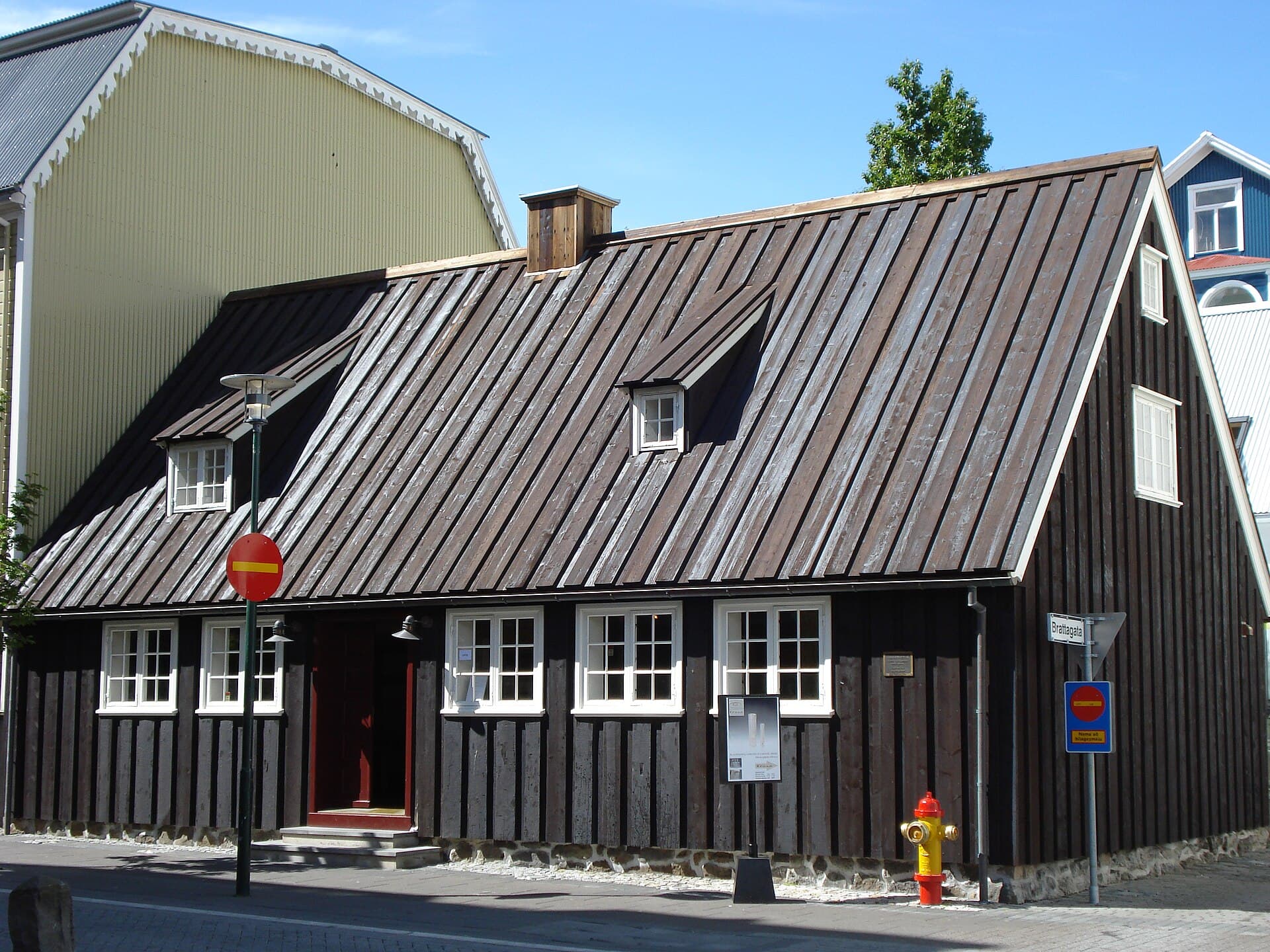 Aðalstræti 10The oldest surviving house in Reykjavik, dating to around 1762, working today as1 minute walk4.5
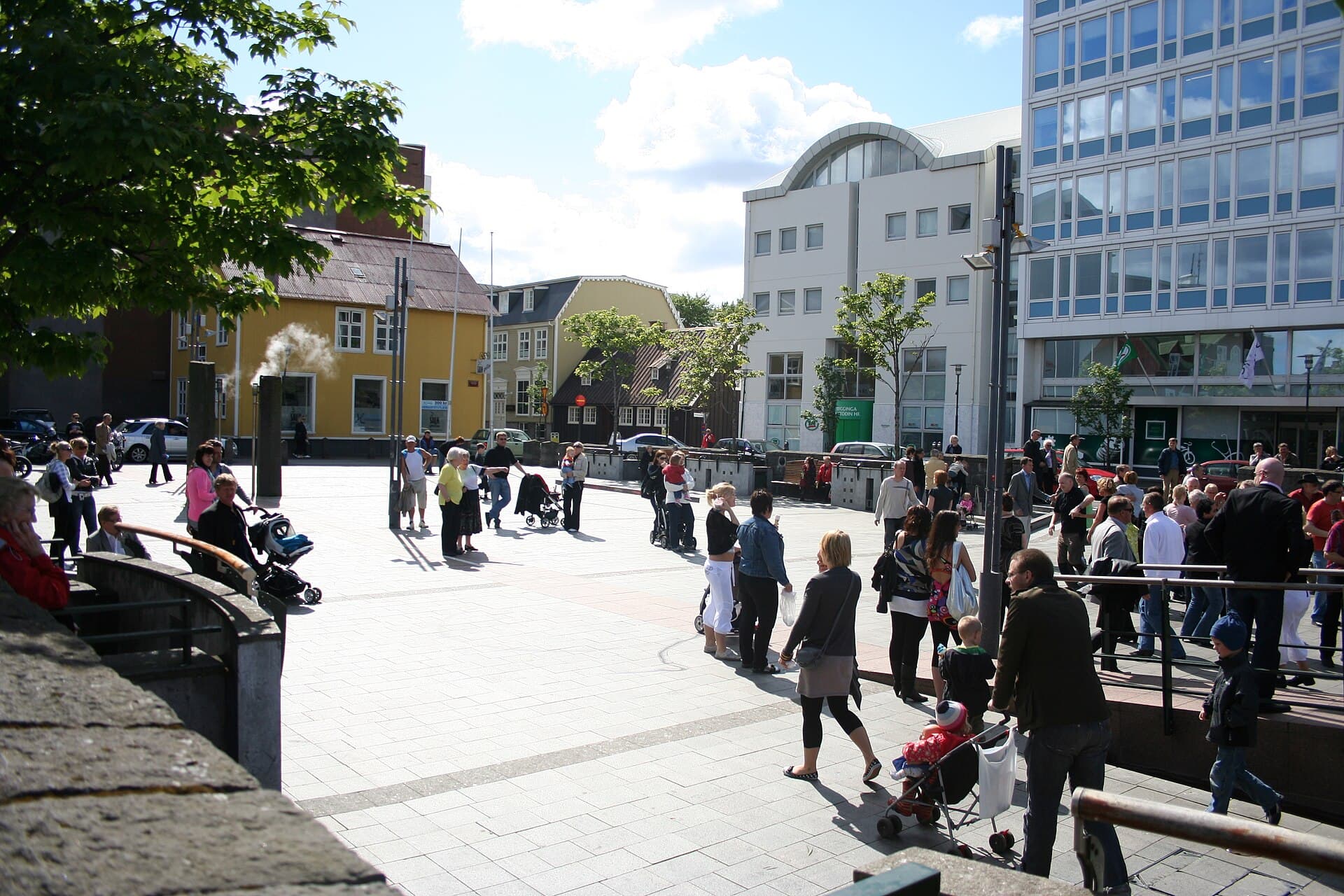 Ingólfstorg SquareAn open square in central Reykjavik, named after Ingólfur Arnarson, whom the Ice1 minute walk4.6
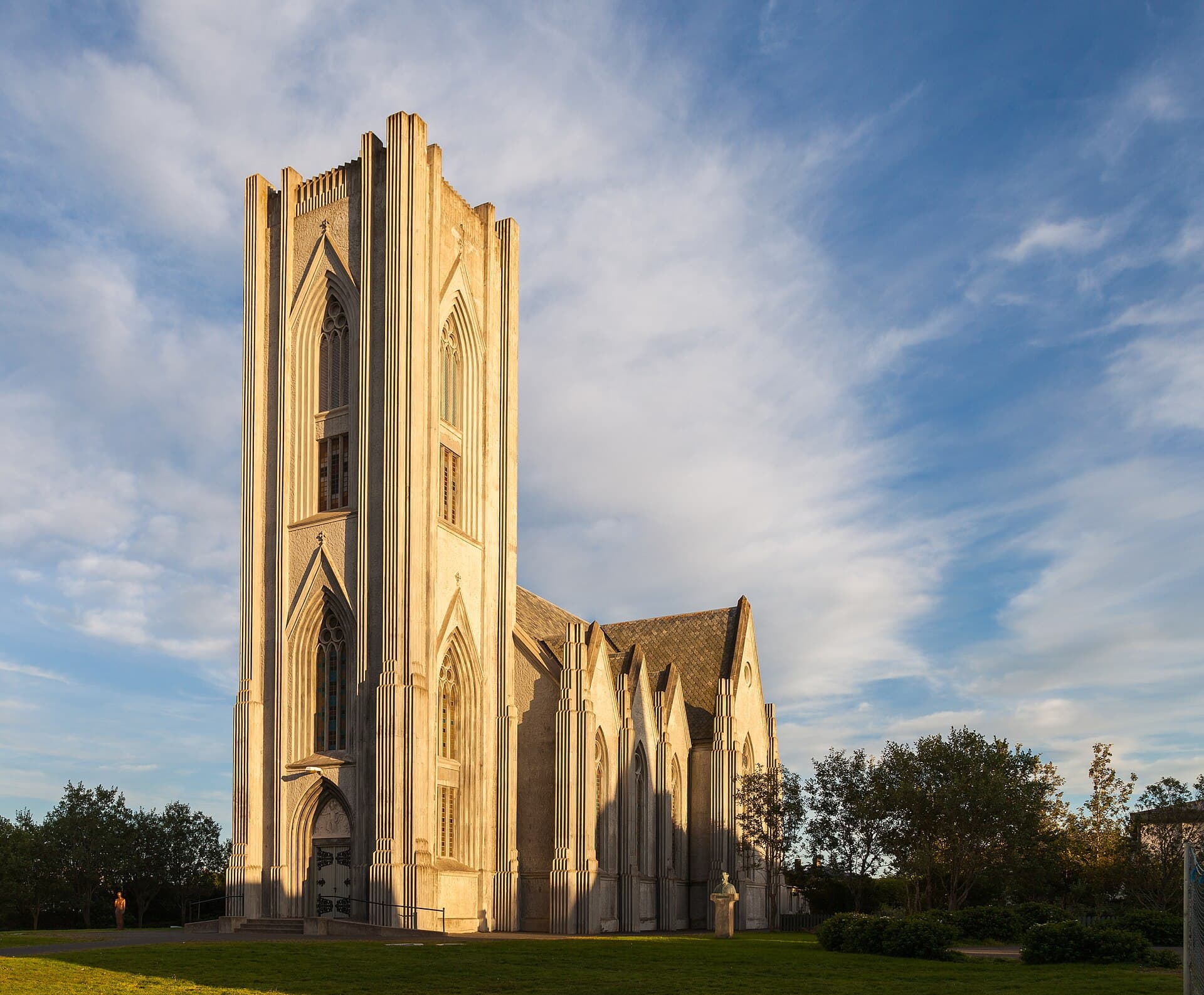 Cathedral of Christ the KingIceland's Catholic cathedral, on the Landakot hill west of central Reykjavik, co3 minutes walk4.4
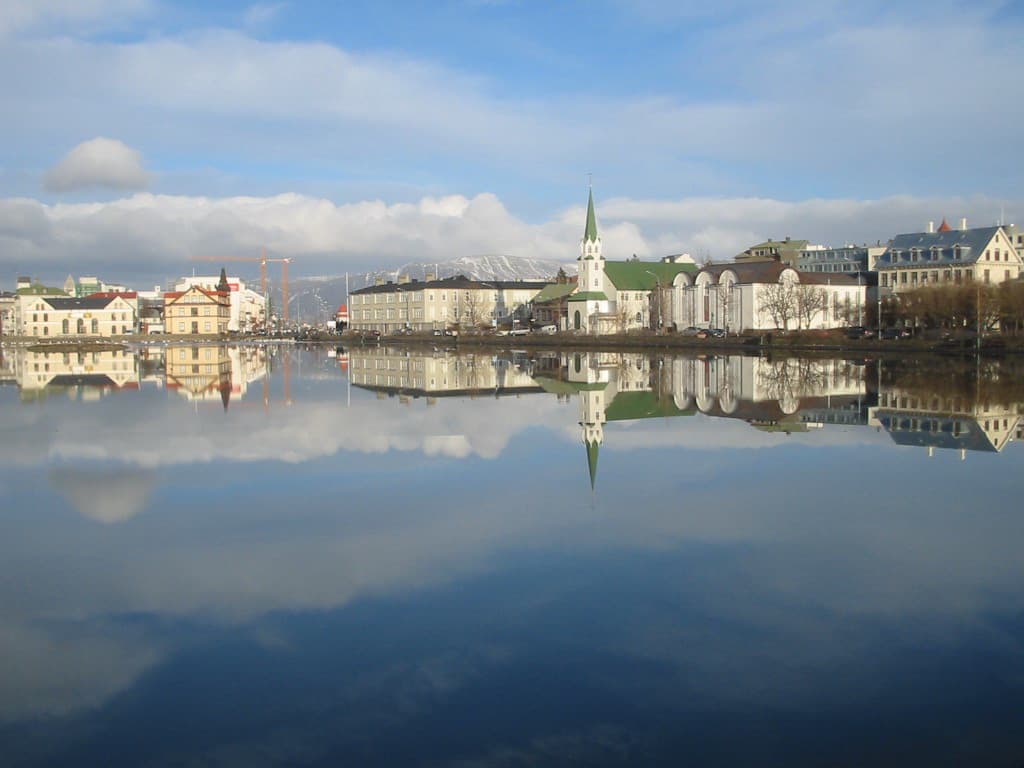 Tjörnin LakeA small lake in the immediate centre of Reykjavik, whose name means simply the p4 minutes walk4.8
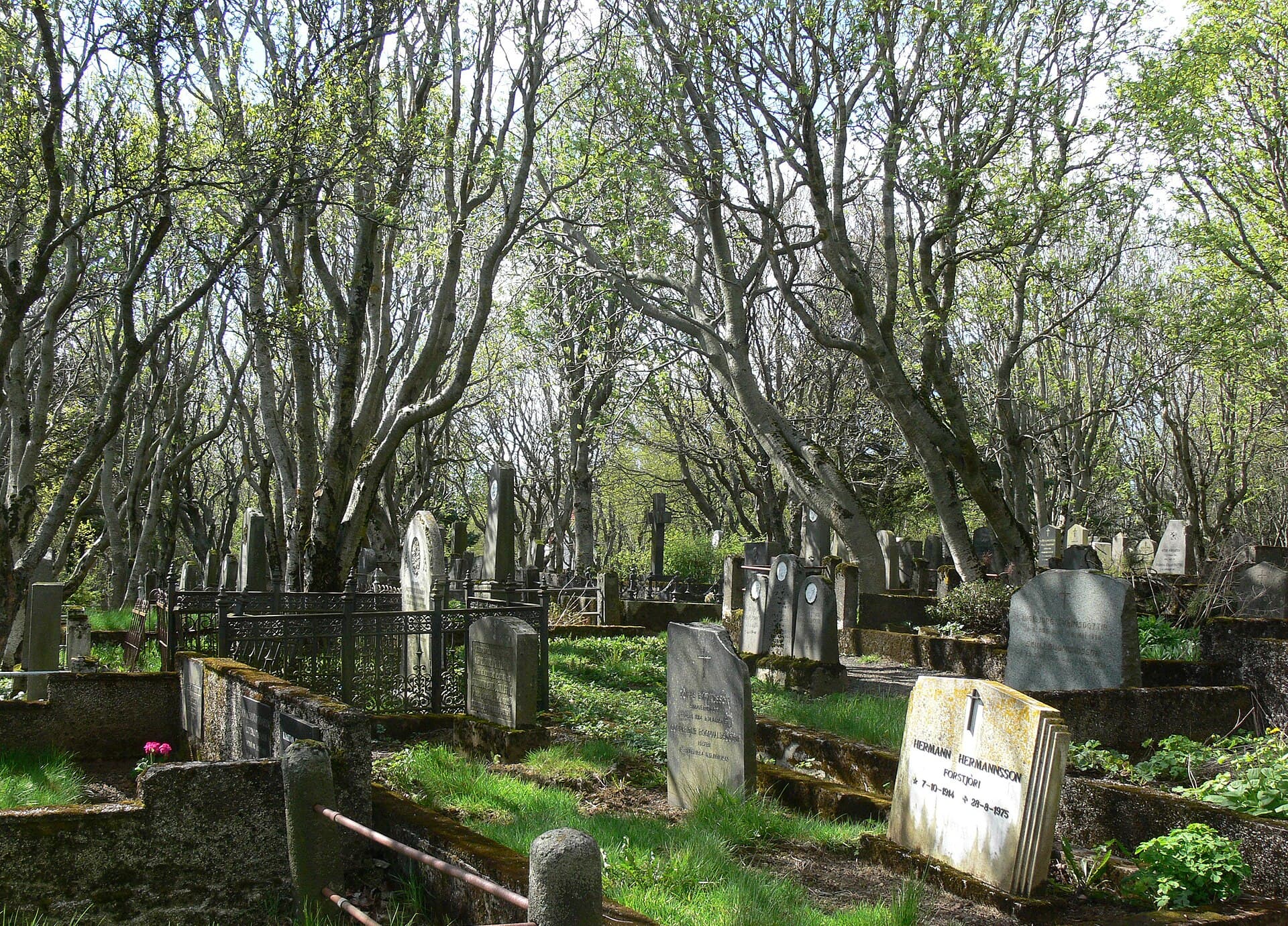 Hólavallagarður CemeteryReykjavik's oldest cemetery, opened in 1838, and today among the quietest green 5 minutes walk4.8
Yes: the interactive screens and games explain daily life, and the space is small enough not to tire.