
Hallgrímskirkja's architect
Guðjón Samúelsson designed it before Reykjavik's famous church.
Diego Delso — CC BY-SA 4.0 · Diego Delso — CC BY-SA 4.0 · Diego Delso — CC BY-SA 4.0 · Diego Delso — CC BY-SA 4.0
Iceland's Catholic cathedral, on the Landakot hill west of central Reykjavik, completed in 1929 to an unusual design mixing neo-Gothic with Icelandic plainness. The building is striking because it defies expectation: Gothic in its proportions and pointed windows, but built of grey concrete with almost no ornament, and with a flat-topped tower rather than a spire. The architect, Guðjón Samúelsson, later designed the far better-known Hallgrímskirkja, and his early thinking can be seen here. The religious context is worth stating: Iceland has been Lutheran since the Reformation in the sixteenth century, and Catholicism was legally banned for centuries. It was permitted again only in the nineteenth century, and this church was the largest building in Iceland when it was finished — an architectural statement by a small returning minority. The church is in use, with masses in several languages including Polish, reflecting Iceland's large Polish community. Practical points: entry is normally free outside mass times. Respect that it is a working church: quiet, modest dress, and no photography during services.
Guðjón Samúelsson designed it before Reykjavik's famous church.
Gothic proportions without ornament and a flat-topped tower.
Catholicism was legally banned in Iceland for centuries.
Landakot, west of central Reykjavik
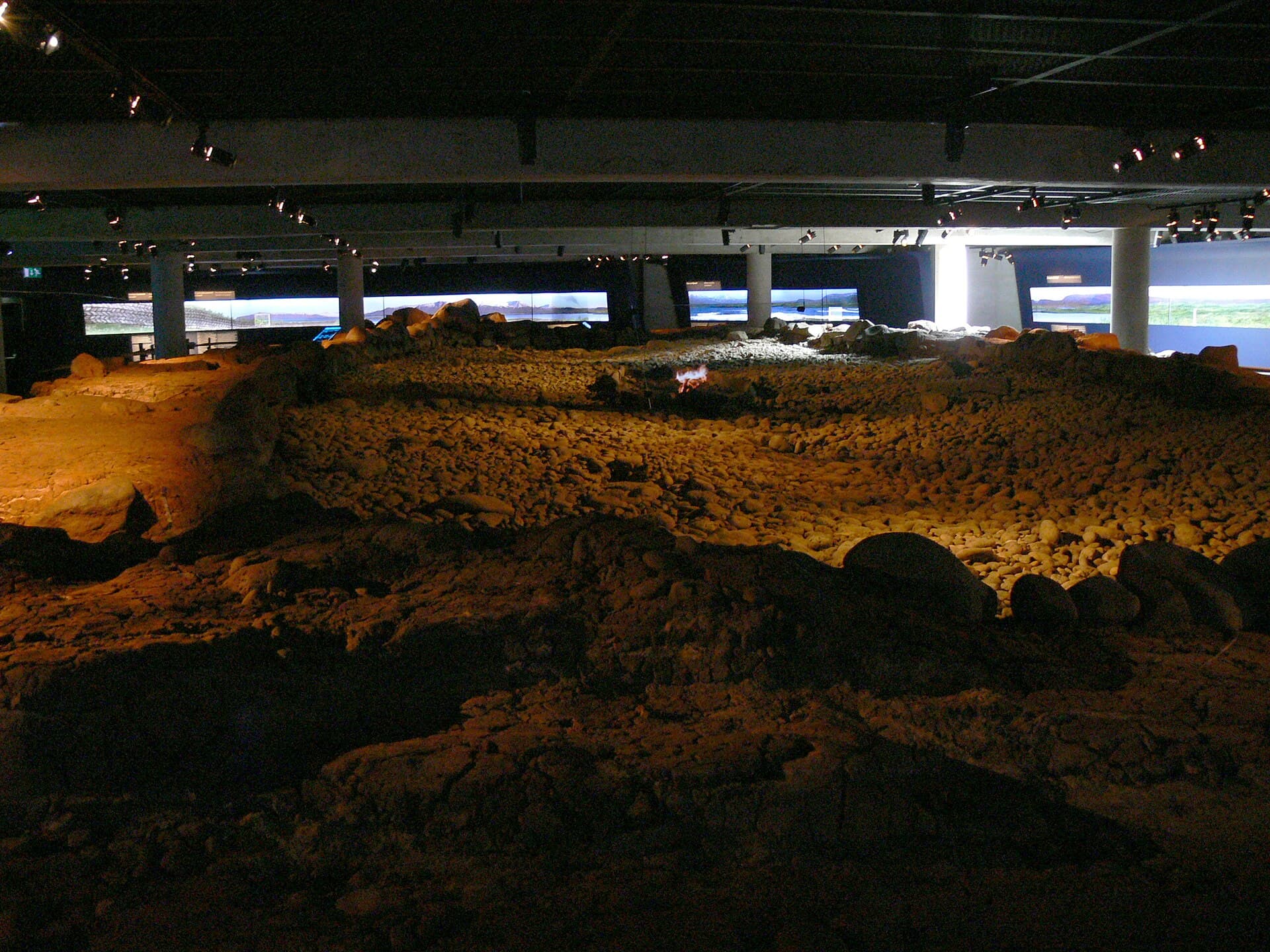 The Settlement Exhibition 871±2Reykjavik's oldest house exactly where it was found: digging hotel foundations i3 minutes walk4.4
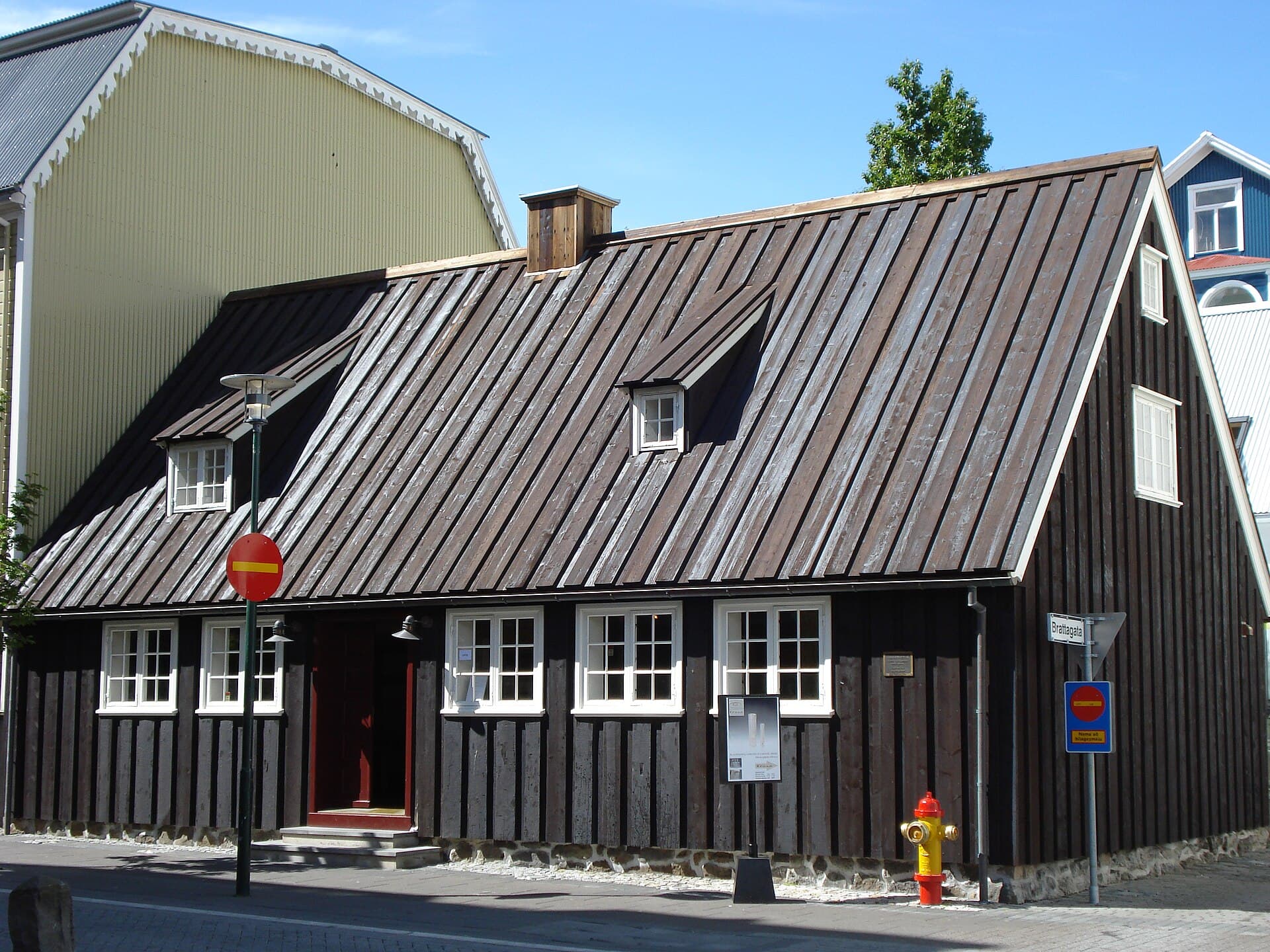 Aðalstræti 10The oldest surviving house in Reykjavik, dating to around 1762, working today as4 minutes walk4.5
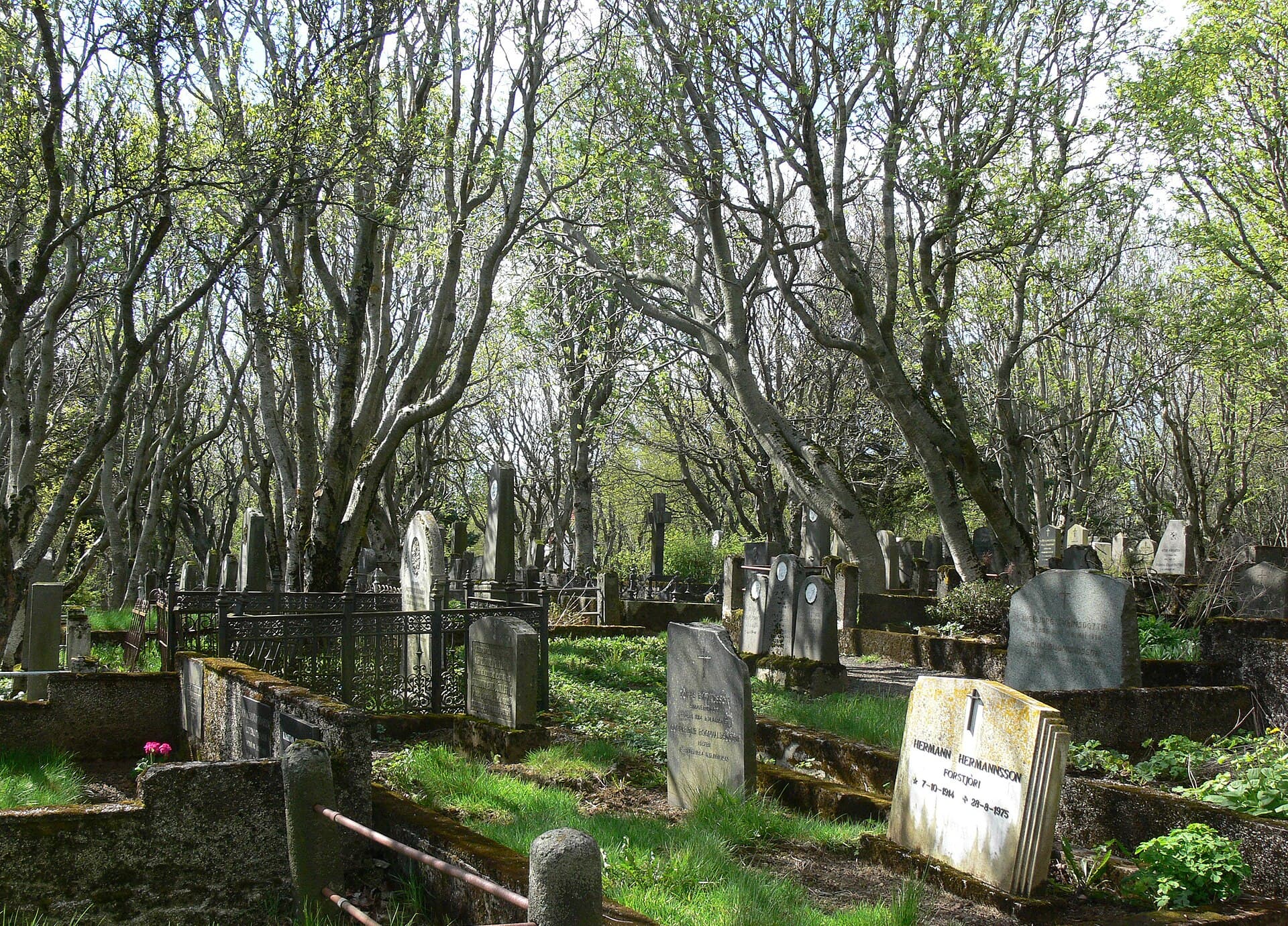 Hólavallagarður CemeteryReykjavik's oldest cemetery, opened in 1838, and today among the quietest green 4 minutes walk4.8
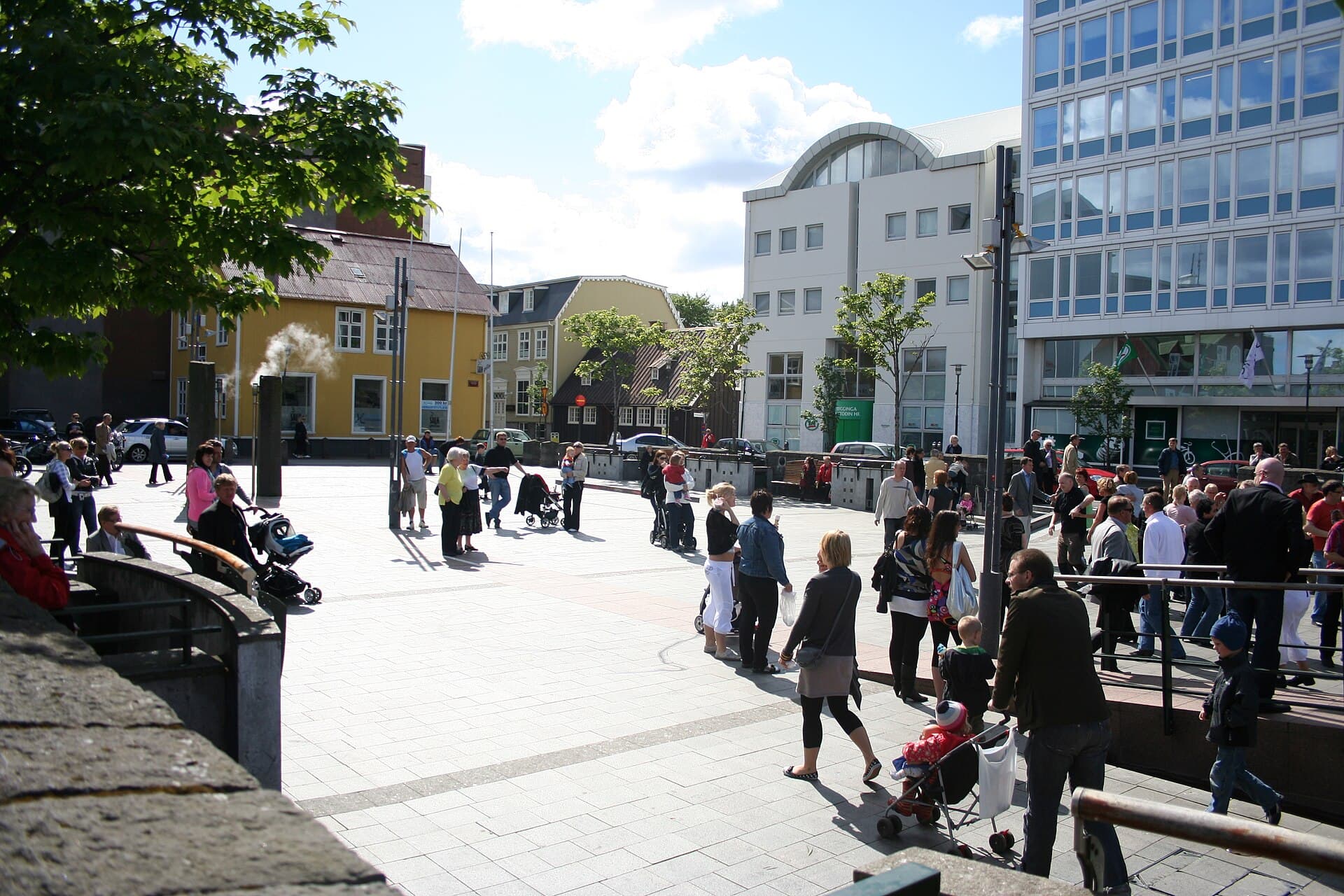 Ingólfstorg SquareAn open square in central Reykjavik, named after Ingólfur Arnarson, whom the Ice4 minutes walk4.6
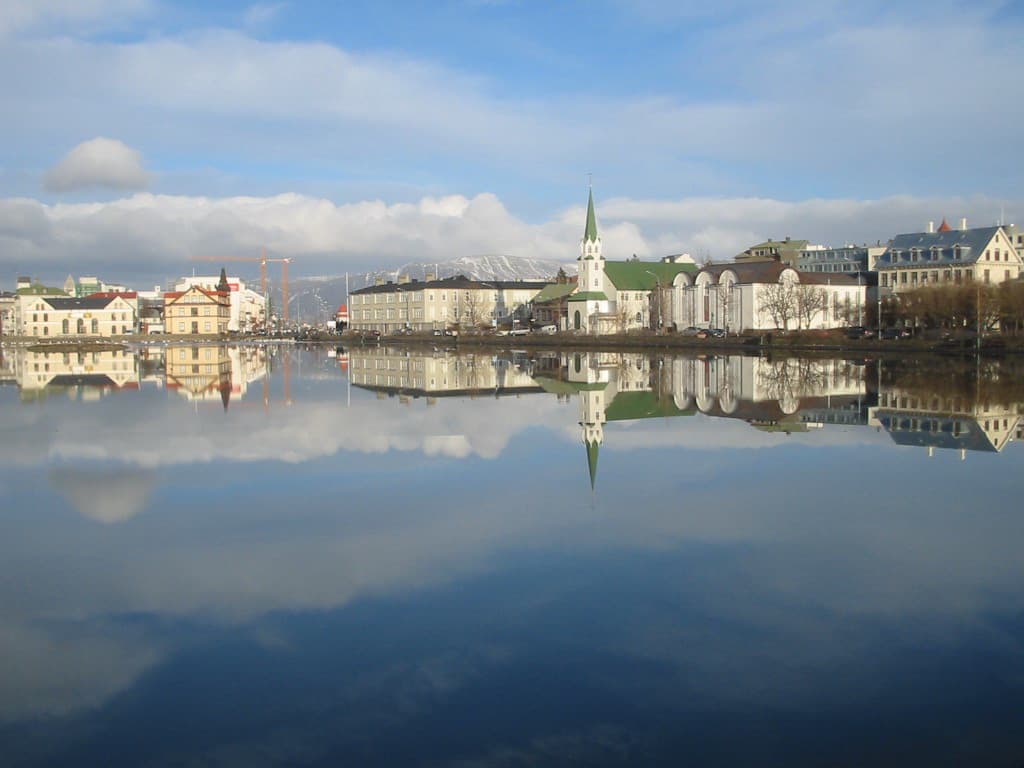 Tjörnin LakeA small lake in the immediate centre of Reykjavik, whose name means simply the p5 minutes walk4.8
Because the Protestant Reformation was imposed on Iceland in the mid sixteenth century by decree of the Danish king, and was met with resistance that ended in the execution of the last Icelandic Catholic bishop in 1550. Lutheranism then became the state religion and Catholicism was legally prohibited. The ban was lifted gradually in the nineteenth century with freedom of religion.
Hallgrímskirkja is far larger and better known, with a tower, a lift and a paid viewing platform, and a facade drawn from basalt columns. Landakot is smaller, quieter, free and almost empty of visitors. The architect is the same, and seeing both shows his thinking develop across two decades.