
The mosaic floor
Geometric patterns and birds under a glass roof.
Realsteel007 — CC BY-SA 3.0 · Vladislav Nedelev — CC BY 4.0 · Vladislav Nedelev — CC BY 4.0 · Vladislav Nedelev — CC BY 4.0
The Small Basilica is a church of the fifth and sixth centuries found during building work in 1988, and now stands under a modern glass roof that protects it and lets it be seen whole from above. Its value is in the **floors**: coloured mosaic covering wide areas in geometric patterns, birds and plant forms, with Greek inscriptions naming those who paid for each section — an old custom in which a donor was recorded directly above what they had given. That makes the floor a social record rather than only decoration. Beside it is a **baptistery** with a cross-shaped font and a mosaic of a deer at water, an early Christian image taken from the psalms. The site is small and takes half an hour, and the display is modern and well arranged with boards in English and Bulgarian. **Charges are low**, and it is a few minutes' walk from Plovdiv's other Roman remains.
Geometric patterns and birds under a glass roof.
A cross-shaped font and a deer at water in mosaic.
Bulevard Maria Luiza 31, Plovdiv
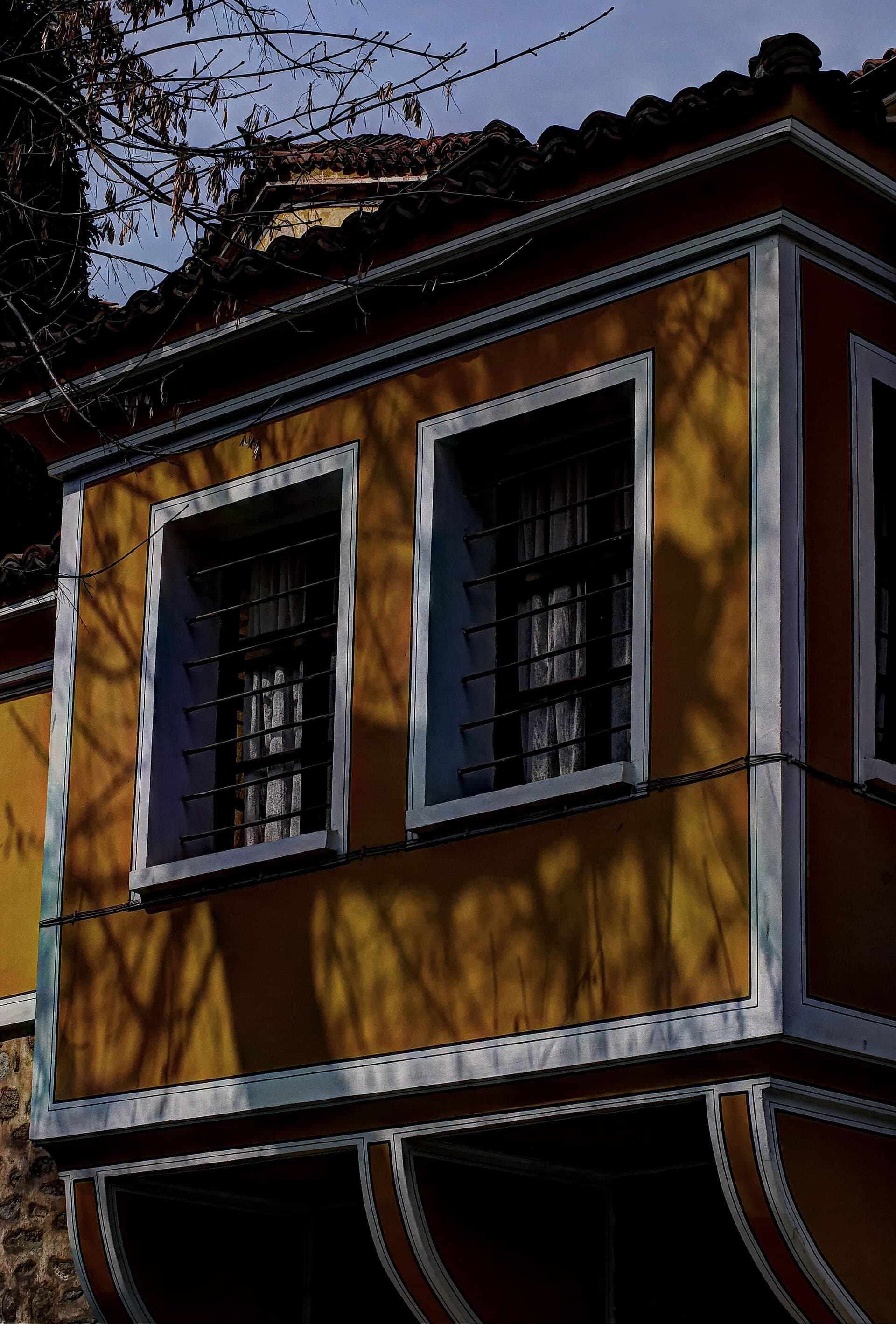 The Nedkovich HouseThe Nedkovich House is among the best preserved of Plovdiv's old houses, built i7 minutes walk4.3
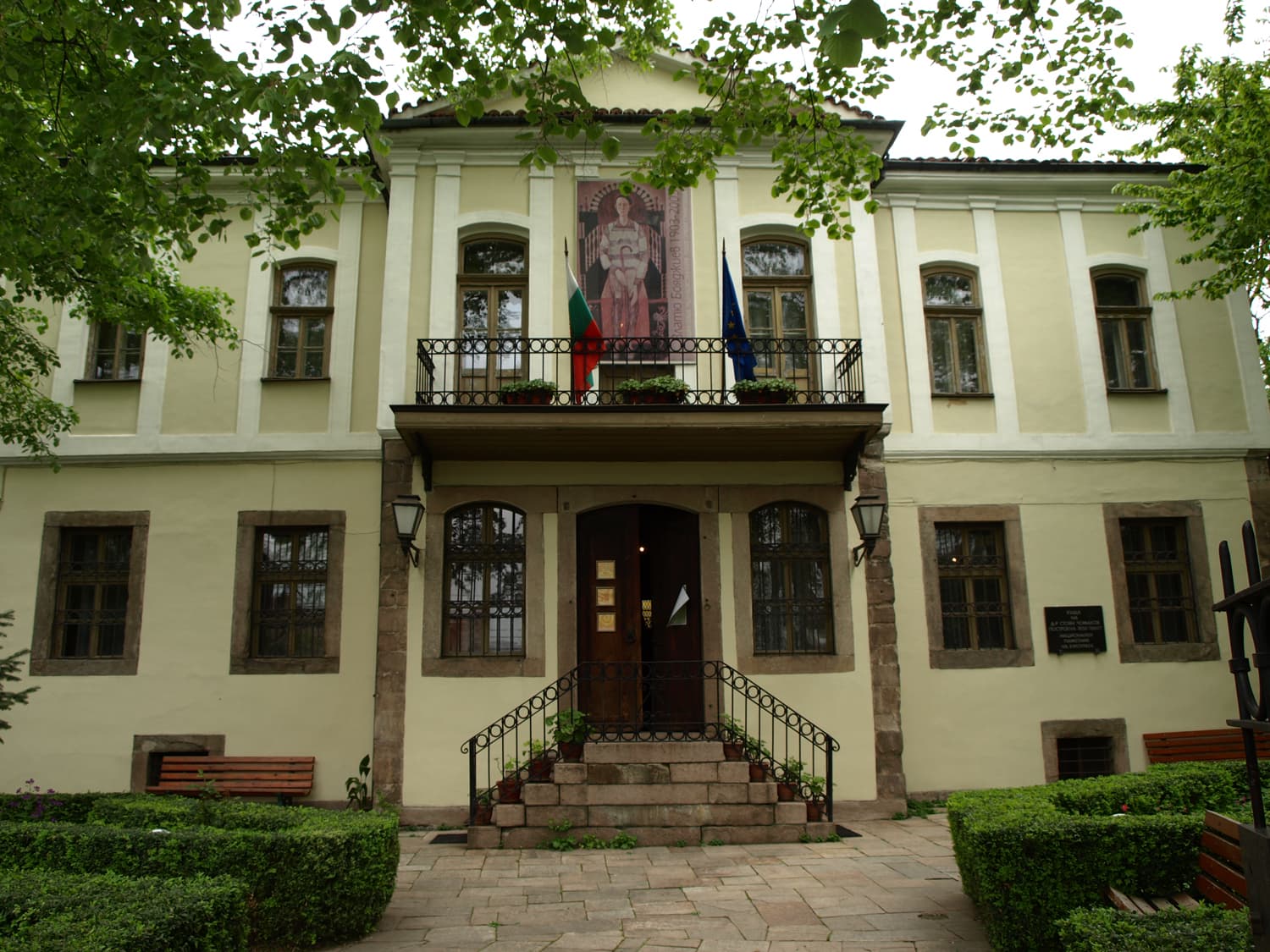 The Zlatyu Boyadzhiev Permanent ExhibitionA permanent exhibition of the work of the Bulgarian painter Zlatyu Boyadzhiev, i7 minutes walk4.9
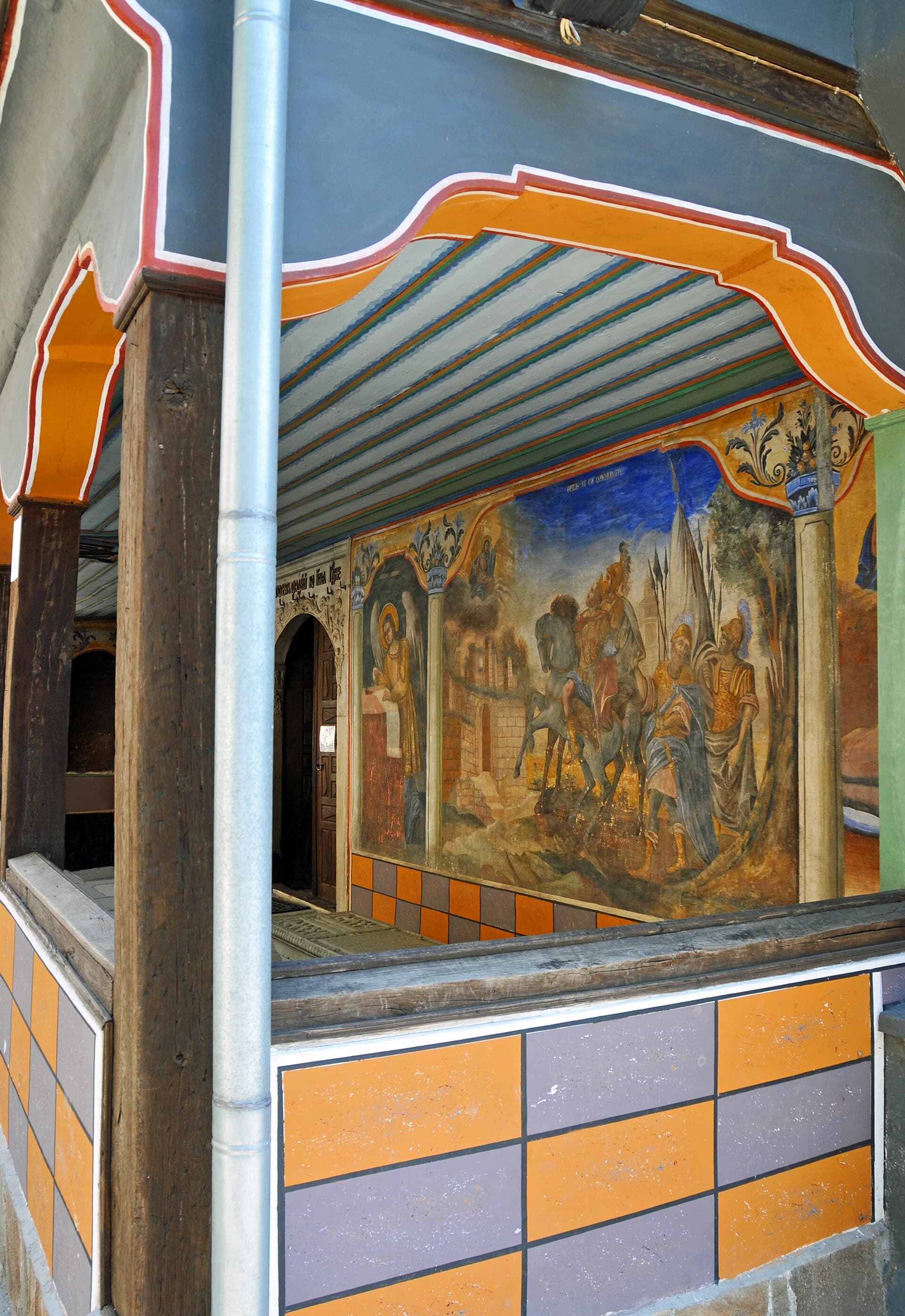 The Church of Saints Constantine and HelenaThe Church of Saints Constantine and Helena is the oldest in Plovdiv and the ric7 minutes walk4.7
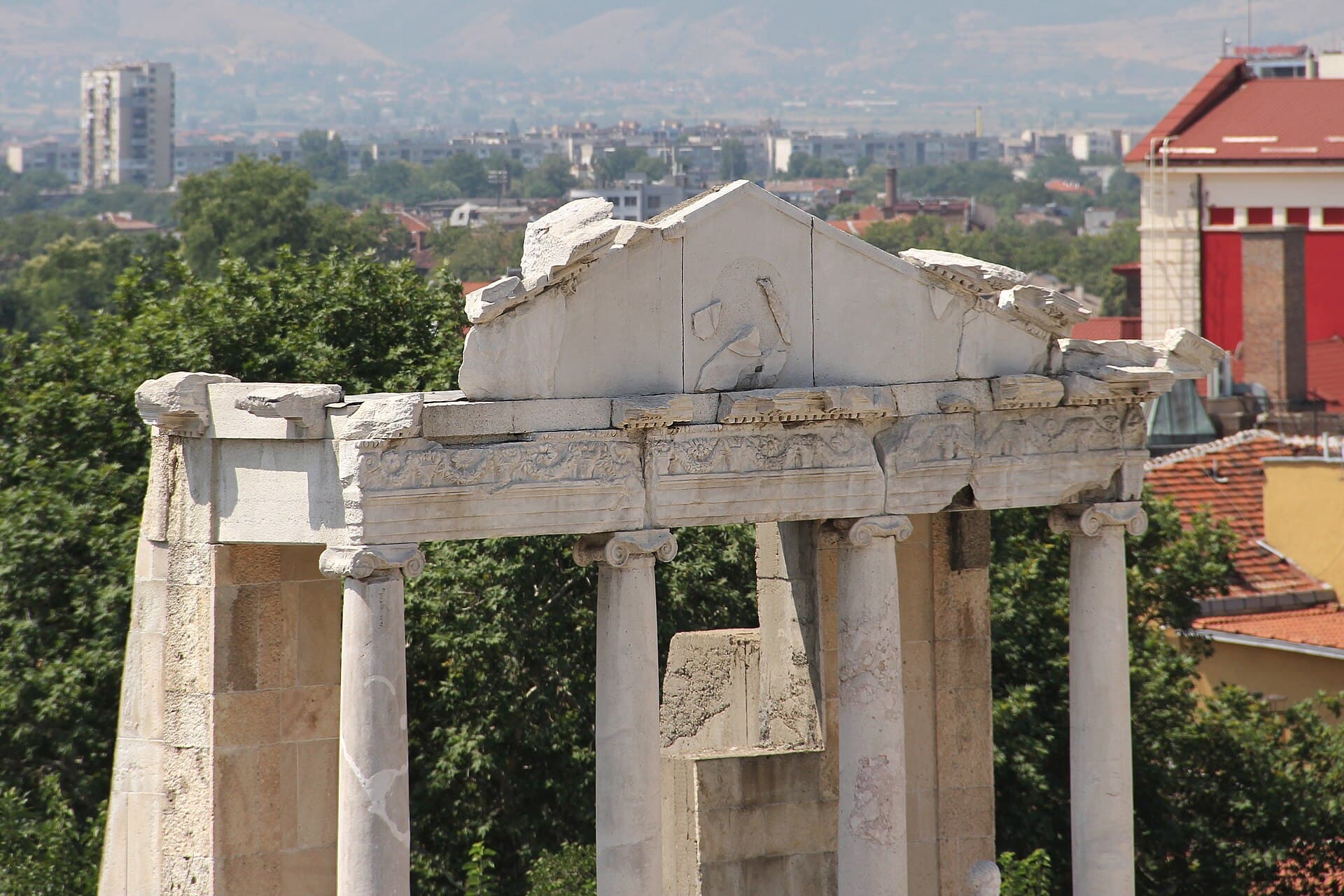 The Ancient Roman TheatreThe Ancient Roman Theatre is uncontested Plovdiv's most stunning relic: carved d7 minutes walk4.8
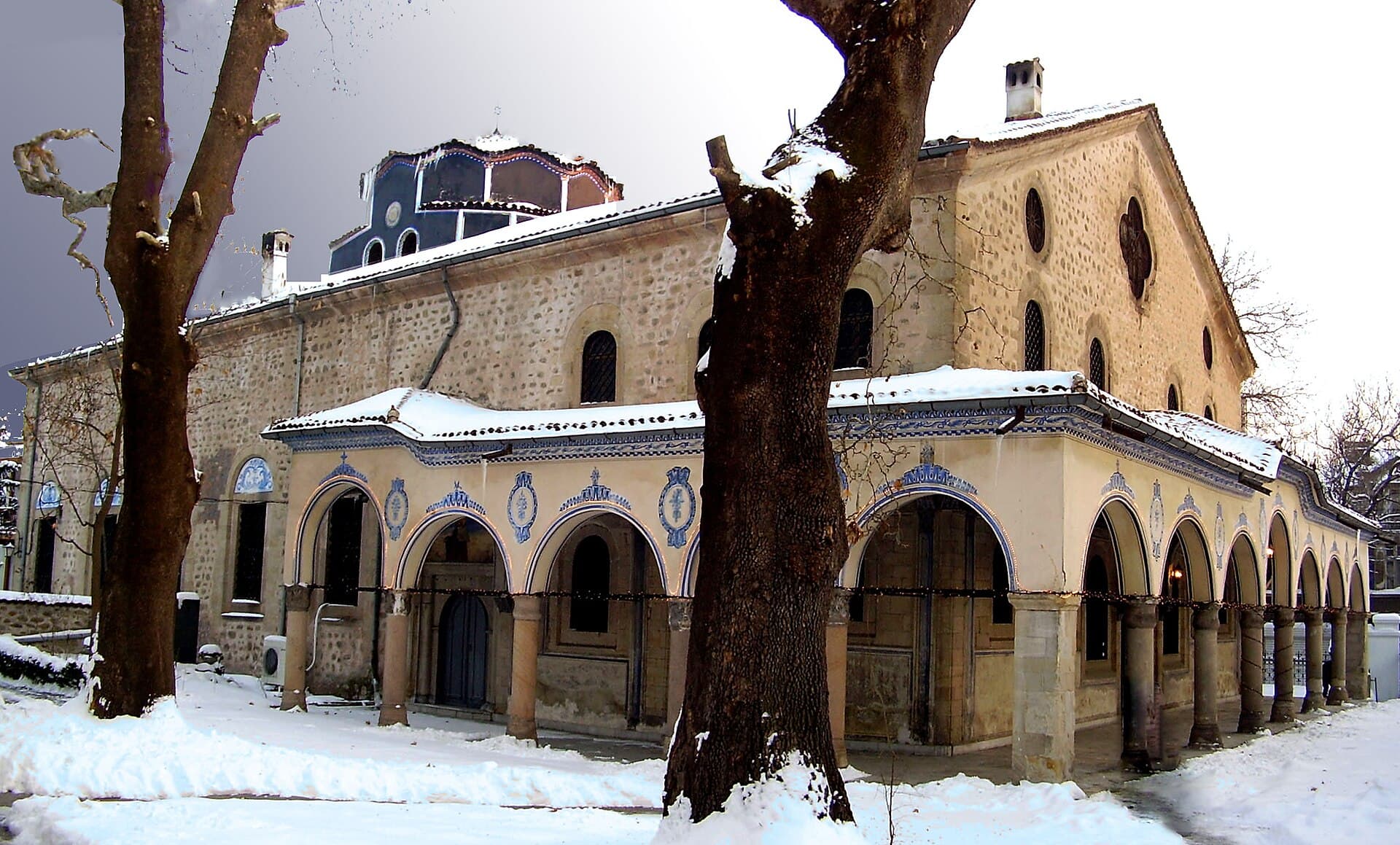 The Church of St MarinaAn Orthodox church in Plovdiv's old town, built in its present form in 1854 on t8 minutes walk4.9
Plovdiv is among the oldest continuously inhabited cities in Europe — settlement goes back six thousand years. Philip of Macedon, Alexander's father, named it **Philippopolis** in the fourth century BC; before him it was a Thracian settlement called Eumolpias. It then became capital of the Roman province of Thrace, with its theatre, stadium and forum; then a Byzantine city of churches, this basilica among them; then Ottoman with its mosques and baths; then a centre of the Bulgarian Revival with the painted houses of the old town. All those layers are visible today within minutes of one another.