
The restored columns
The stage as Romans themselves saw it.
BrankaVV — CC BY-SA 4.0 · Hans Birger Nilsen — CC BY-SA 2.0 · Hans Birger Nilsen — CC BY-SA 2.0 · CivArmy — CC BY 4.0
The Ancient Roman Theatre is uncontested Plovdiv's most stunning relic: carved directly into the hill's natural rock (1st-2nd century AD) under Emperor Trajan, seating six thousand on near-perfectly preserved marble tiers — buried by a landslide for centuries until discovered by chance (1968) and excavated and restored with exceptional precision, making it, without exaggeration, one of the world's best-preserved Roman theatres. The restored original marble columns behind the stage (skene) recreate the full scene exactly as Romans themselves saw it — and the theatre's stunning natural backdrop: the Rhodope Mountains looming beyond the columns on the distant horizon, a rare balance of human architecture and nature. Most importantly: it still genuinely operates today — hosting opera, summer music evenings and theatrical performances on the very Roman tiers Philippopolis' people sat upon two thousand years ago, a rare experience joining a living relic directly with contemporary art.
The stage as Romans themselves saw it.
Natural mountains behind Roman architecture.
Between Dzhambaz Tepe and Taksim Tepe hills, 4000 Plovdiv
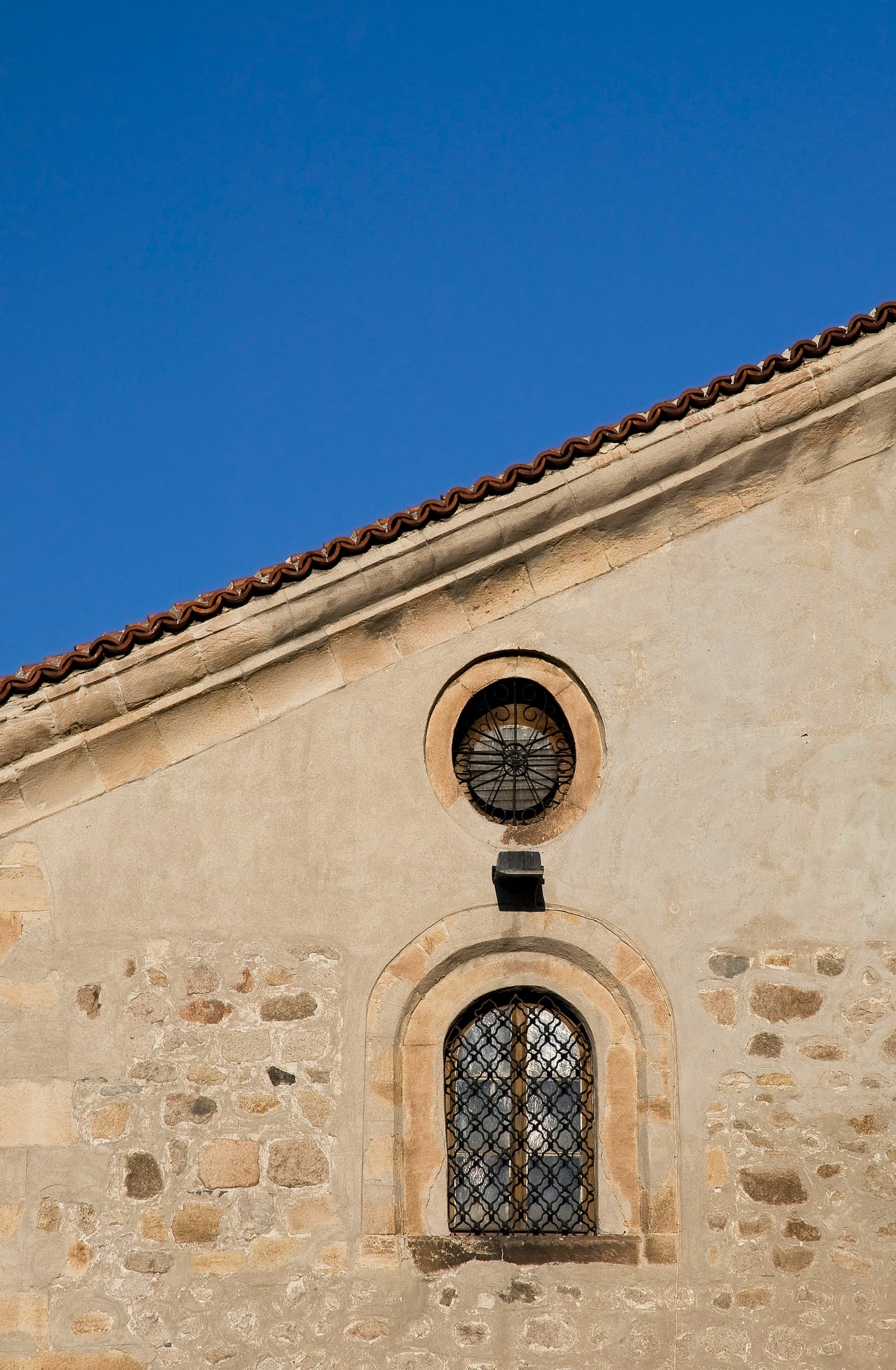 The Church of the Dormition of the TheotokosAn Orthodox church in old Plovdiv whose site is medieval, though the present bui1 minute walk4.7
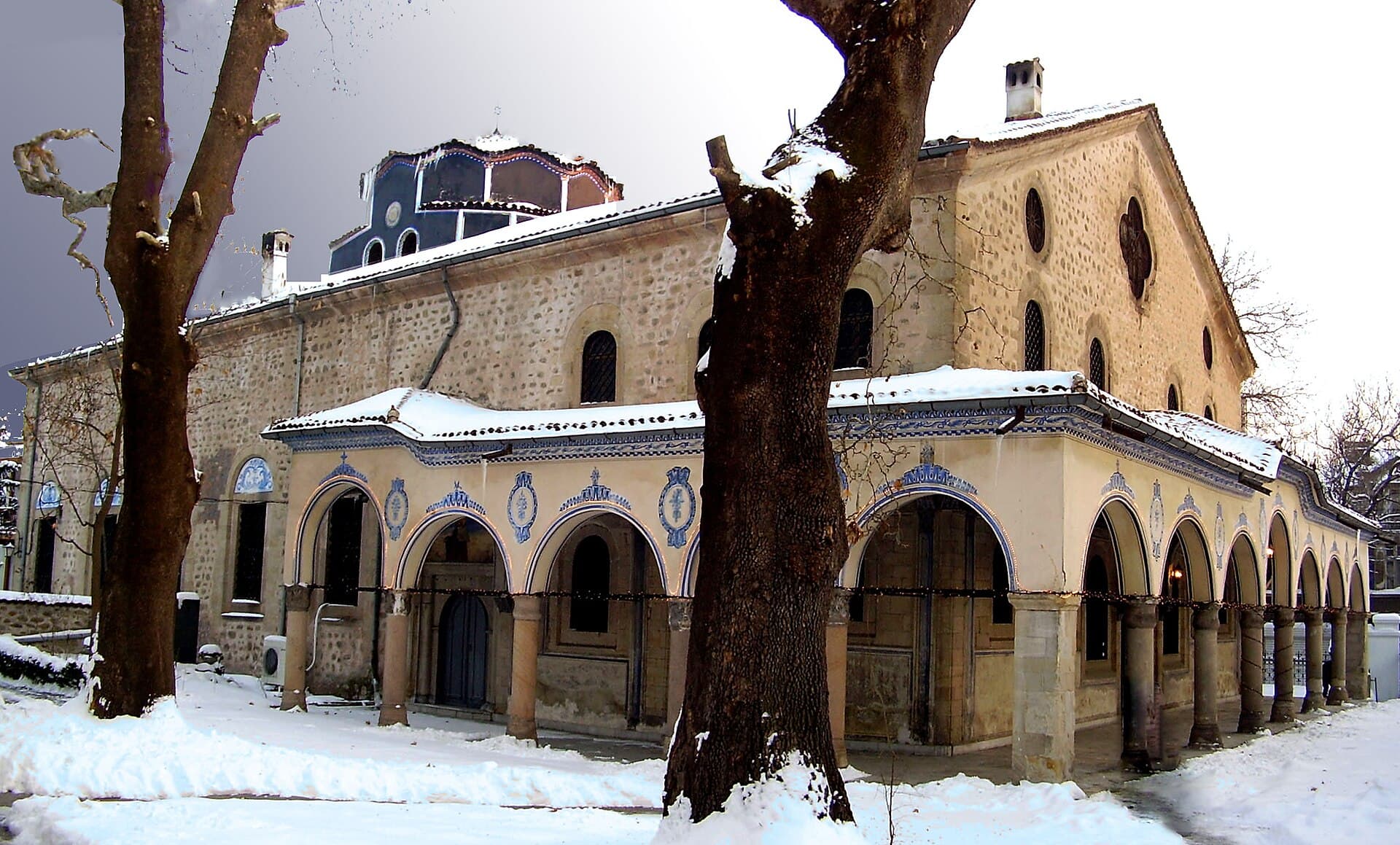 The Church of St MarinaAn Orthodox church in Plovdiv's old town, built in its present form in 1854 on t2 minutes walk4.9
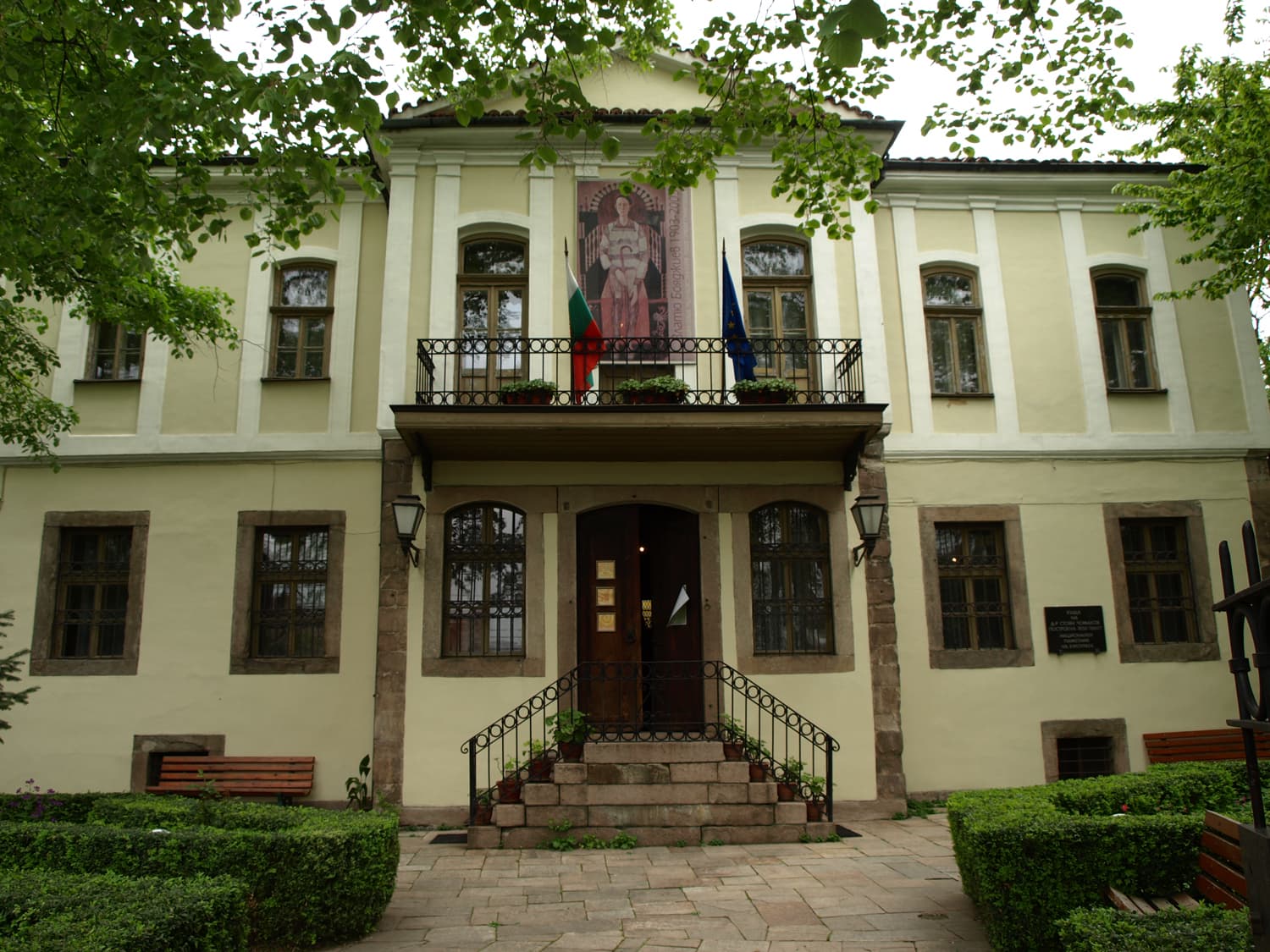 The Zlatyu Boyadzhiev Permanent ExhibitionA permanent exhibition of the work of the Bulgarian painter Zlatyu Boyadzhiev, i3 minutes walk4.9
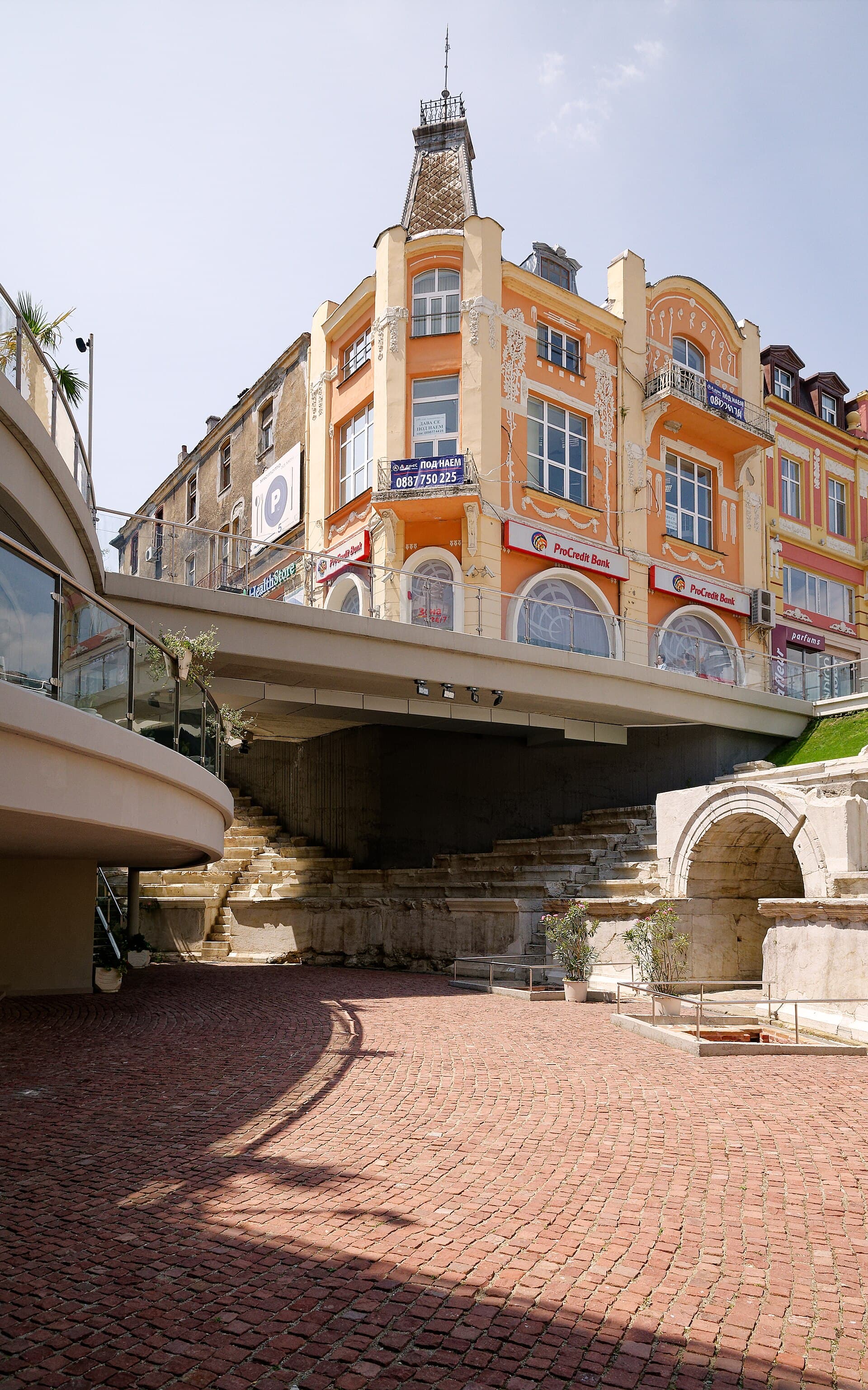 The Roman Stadium of PhilippopolisThe Stadium of Philippopolis is the archaeological surprise appearing suddenly b3 minutes walk4.6
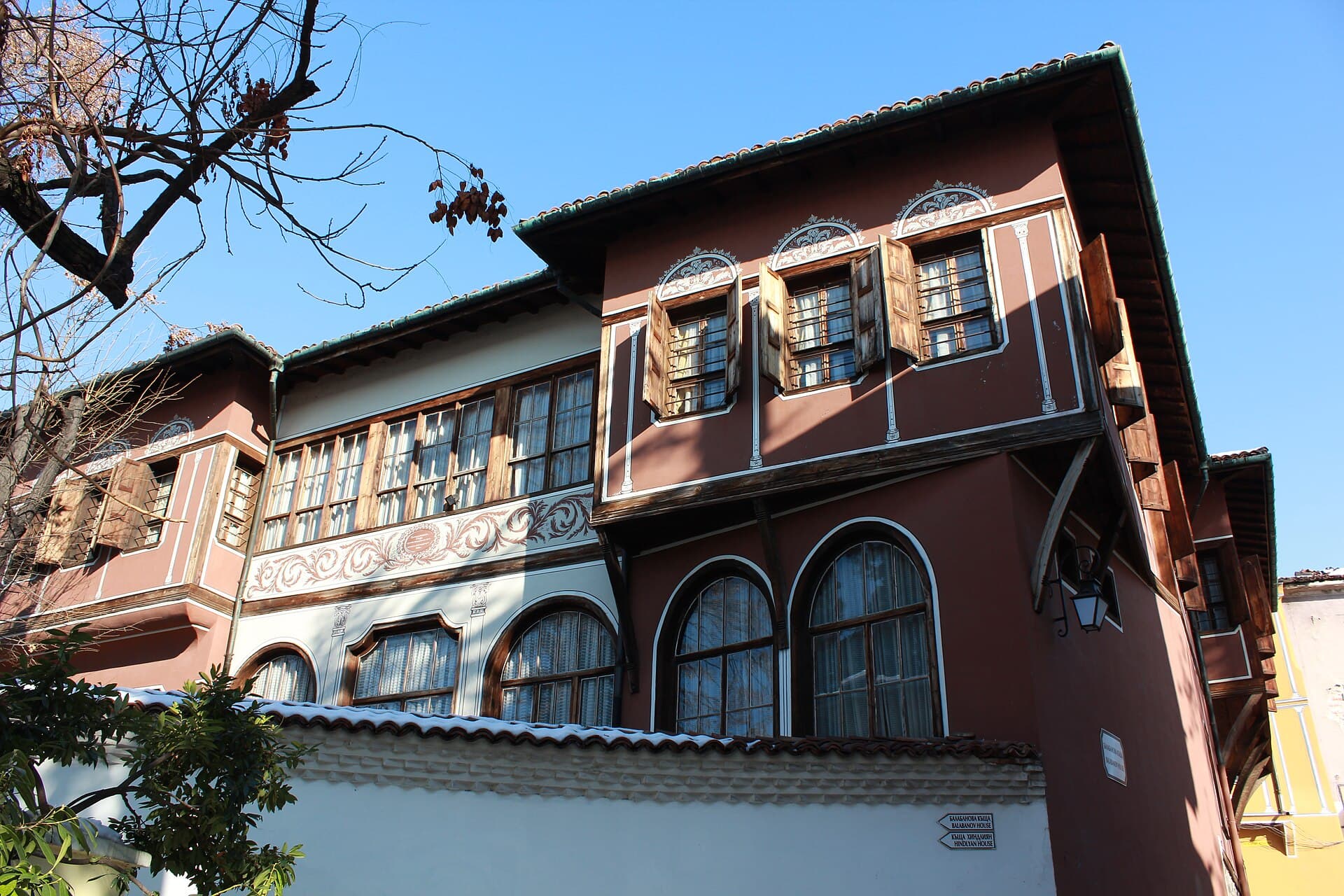 The Old Town & Balabanov's HousePlovdiv's Old Town is an open-air museum of Bulgarian National Revival architect4 minutes walk4.4
Its near-complete burial under an ancient landslide — a disaster at the time — actually protected it from looting, deliberate destruction and weather erosion across centuries while other exposed Roman theatres worldwide gradually crumbled, so when rediscovered (1968) it was found exceptionally preserved, allowing precise restoration that actually operates it again today — the irony that catastrophic burial became the ultimate cause of survival.