
Insect-like legs
A form drawn from the paintings of Salvador Dalí.
Martin Strachoň — CC BY-SA 4.0 · Radler59 (talk) — CC BY-SA 4.0 · Palickap — CC BY-SA 4.0 · Ben Skála — CC BY-SA 4.0
An equestrian statue on Moravian Square in Brno, unveiled in 2015, depicting Jobst of Luxembourg, Margrave of Moravia and elected King of the Romans. The statue provoked wide controversy because it is not a conventional equestrian monument. Jaroslav Róna designed it with extremely long, disproportionate horse's legs — close to an insect's — a lowered head, and the rider upright above. The form draws on the paintings of Salvador Dalí. Its official name is Courage, not Jobst, and the sculptor said the work is about the virtue rather than the man. Brno divided sharply over it: some saw a bold work fitting a city proud of its modernity, others found it deformed and mocked it with several popular nicknames. The controversy itself has become part of the statue's fame. Jobst ruled Moravia in the late fourteenth century and was elected King of the Romans in 1410, but died four months later. A public square, free to see.
A form drawn from the paintings of Salvador Dalí.
Brno divided over it and gave it several mocking nicknames.
Jobst was elected King of the Romans in 1410 and died soon after.
Moravian Square, central Brno
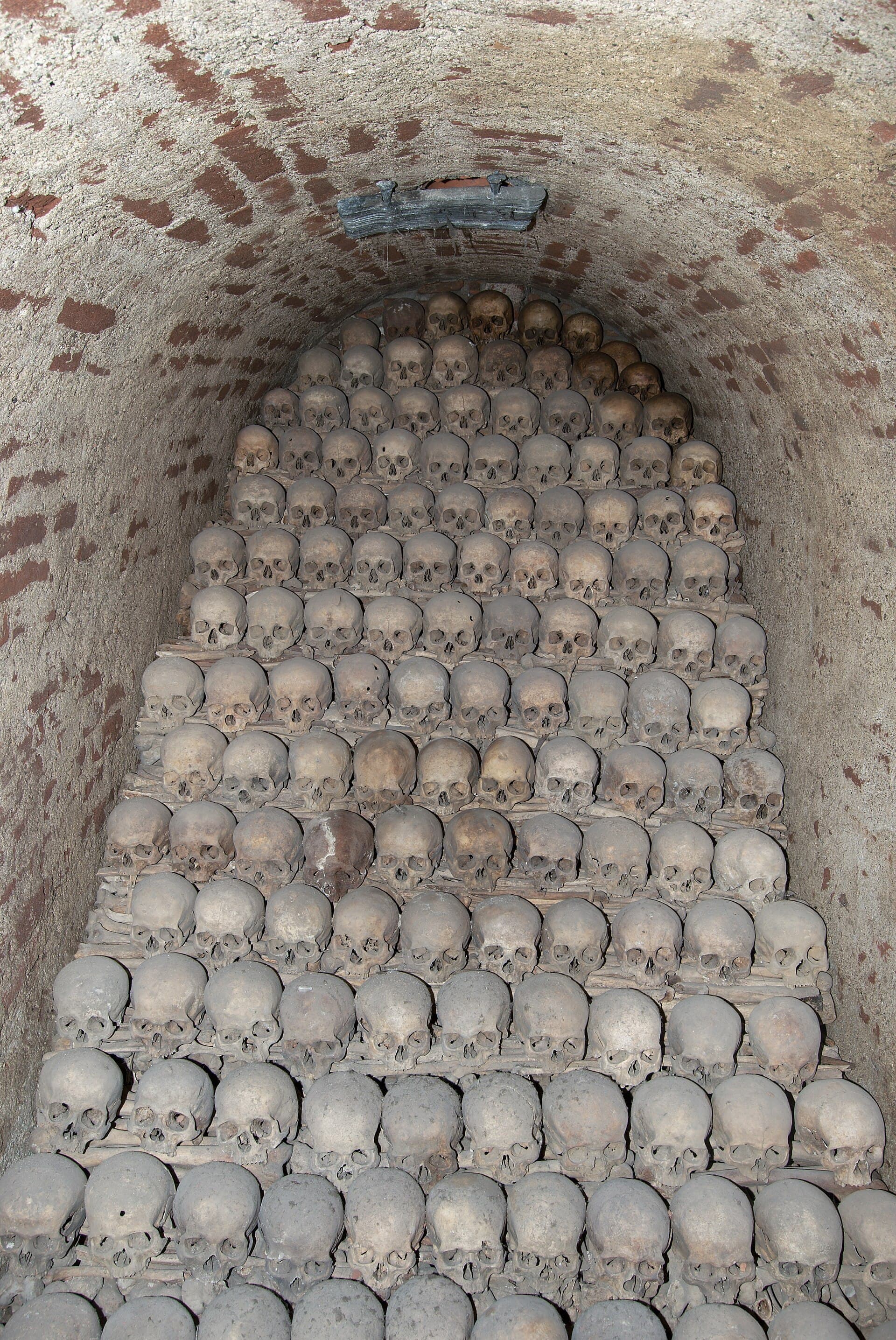 The Brno OssuaryDirectly beneath James Square sleep fifty thousand: Europe's second-largest ossu2 minutes walk4.4
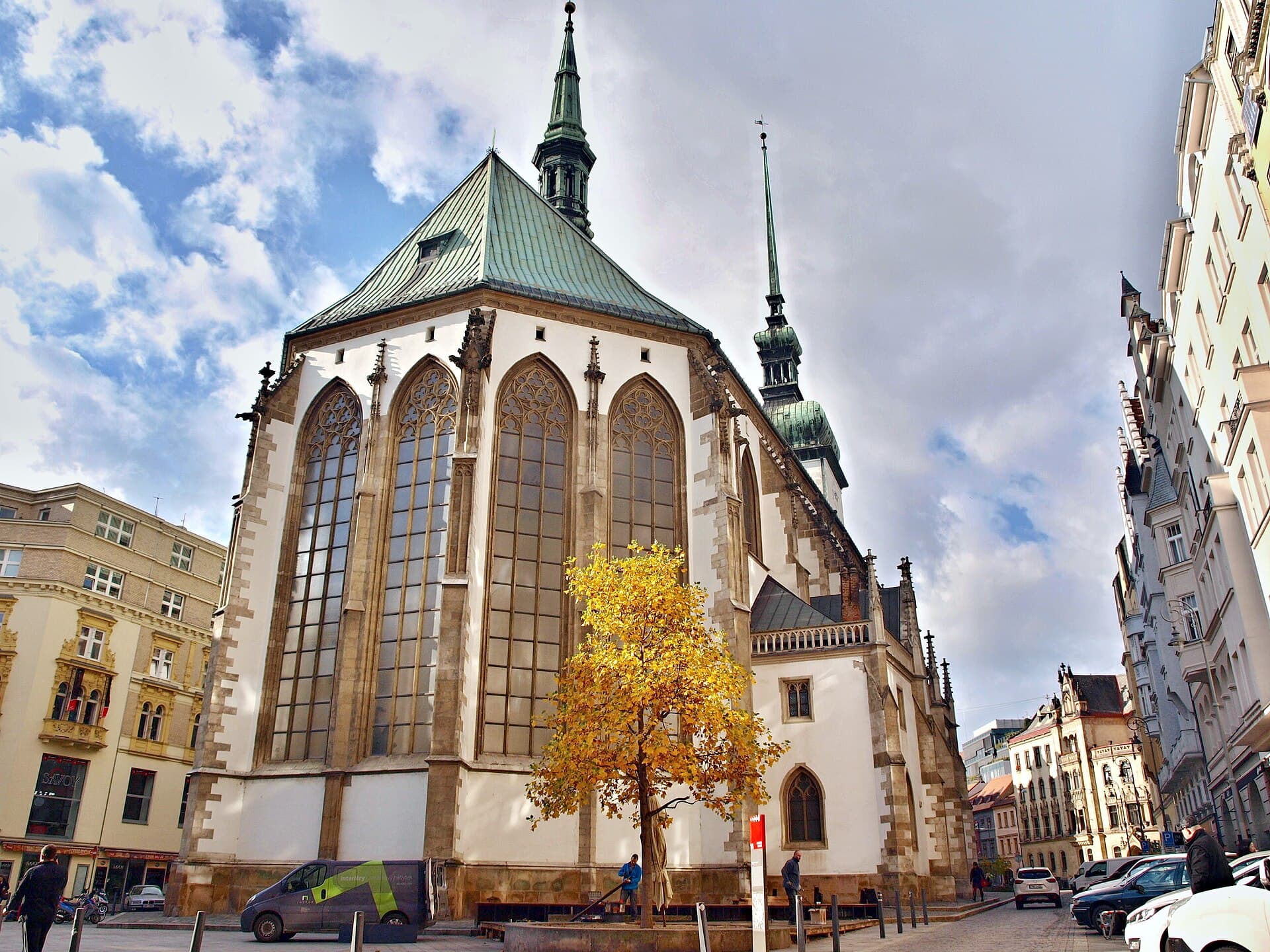 St James's SquareA square in the northern part of old central Brno around the Gothic church of St2 minutes walk4.8
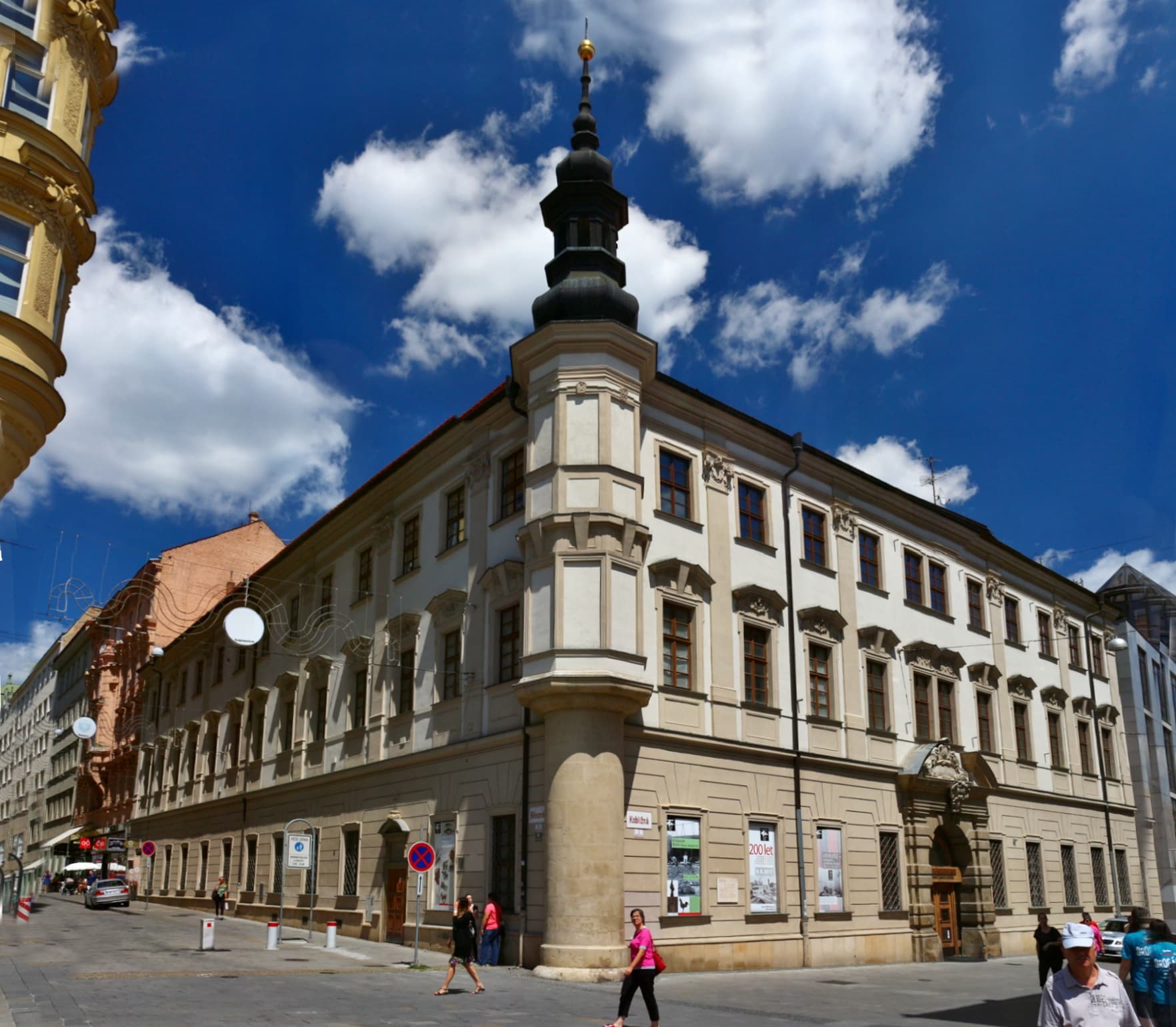 The Palace of the Noble LadiesA Baroque palace in central Brno, built in the seventeenth century to house the 3 minutes walk4.6
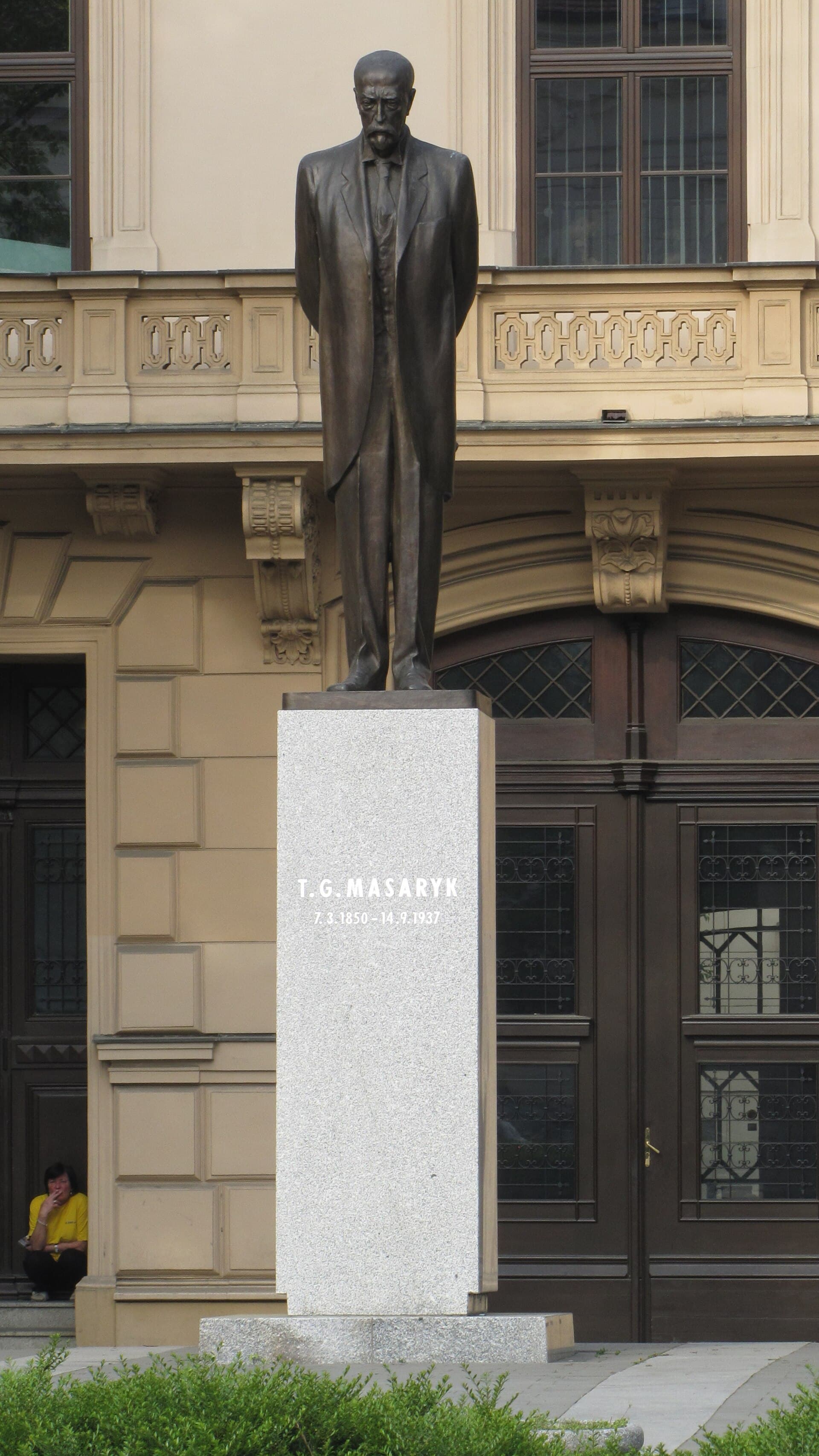 Statue of Tomáš Garrigue MasarykA statue of Tomáš Garrigue Masaryk, the first president of Czechoslovakia, in ce4 minutes walk4.7
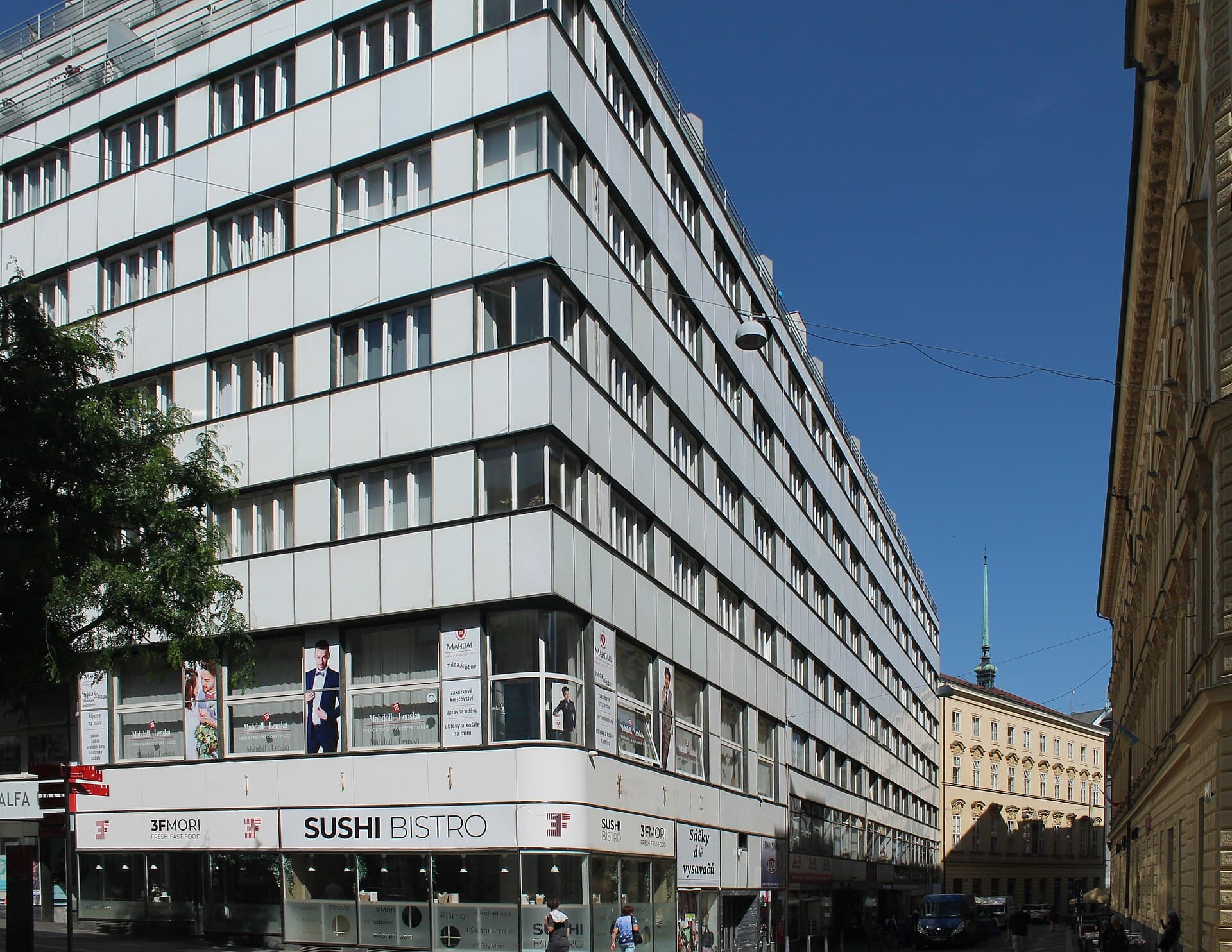 Alfa PalaceA functionalist building of the 1930s in central Brno, containing a covered shop5 minutes walk4.1
A nephew of Emperor Charles IV, he ruled Moravia from 1375 and was a principal player in the Luxembourg family's power struggles in central Europe. He allied with and fought his cousin King Wenceslaus IV repeatedly, and once imprisoned him. He was elected King of the Romans in 1410 — the highest office in the Holy Roman Empire — but died in January 1411 before his coronation, and is suspected of having been poisoned. He is buried in Brno.
Brno is known for boldness in public art. Its most famous is the Brno astronomical clock on Freedom Square — a black granite column that releases a glass marble every noon, caught by whoever stands at the right opening, and whose shape is the subject of permanent mockery. There is also the Parnas baroque fountain. The city runs street art festivals regularly.