
The baroque pulpit
Given by Hanseatic merchants in 1676.
Svein Harkestad — CC BY-SA 4.0 · CC BY-SA 2.5 · Alberto-g-rovi — CC BY 4.0 · Bahnfrend — CC BY-SA 4.0
Mariakirken is the oldest surviving building in Bergen: built between about 1130 and 1170 in the Romanesque manner, with two square towers, thick stone walls and small windows — and it survived the repeated fires that erased wooden Bergen again and again. Its history is bound to the Bryggen quarter beside it. When the Hanseatic League took control of Bergen's trade, this became the German merchants' church, and services were held in it **in German for some two hundred and fifty years** until 1868 — in the middle of a Norwegian city. That explains what is inside: an elaborate baroque pulpit of 1676 given by Hanseatic merchants, a fifteenth-century winged altarpiece from a north German workshop, and gravestones carrying German names. The church went through a long restoration and reopened within the last decade. Entry costs a token fee and takes half an hour, and it is minutes from Bryggen.
Given by Hanseatic merchants in 1676.
A 15th-century winged panel from north Germany.
Dreggen 15, 5003 Bergen
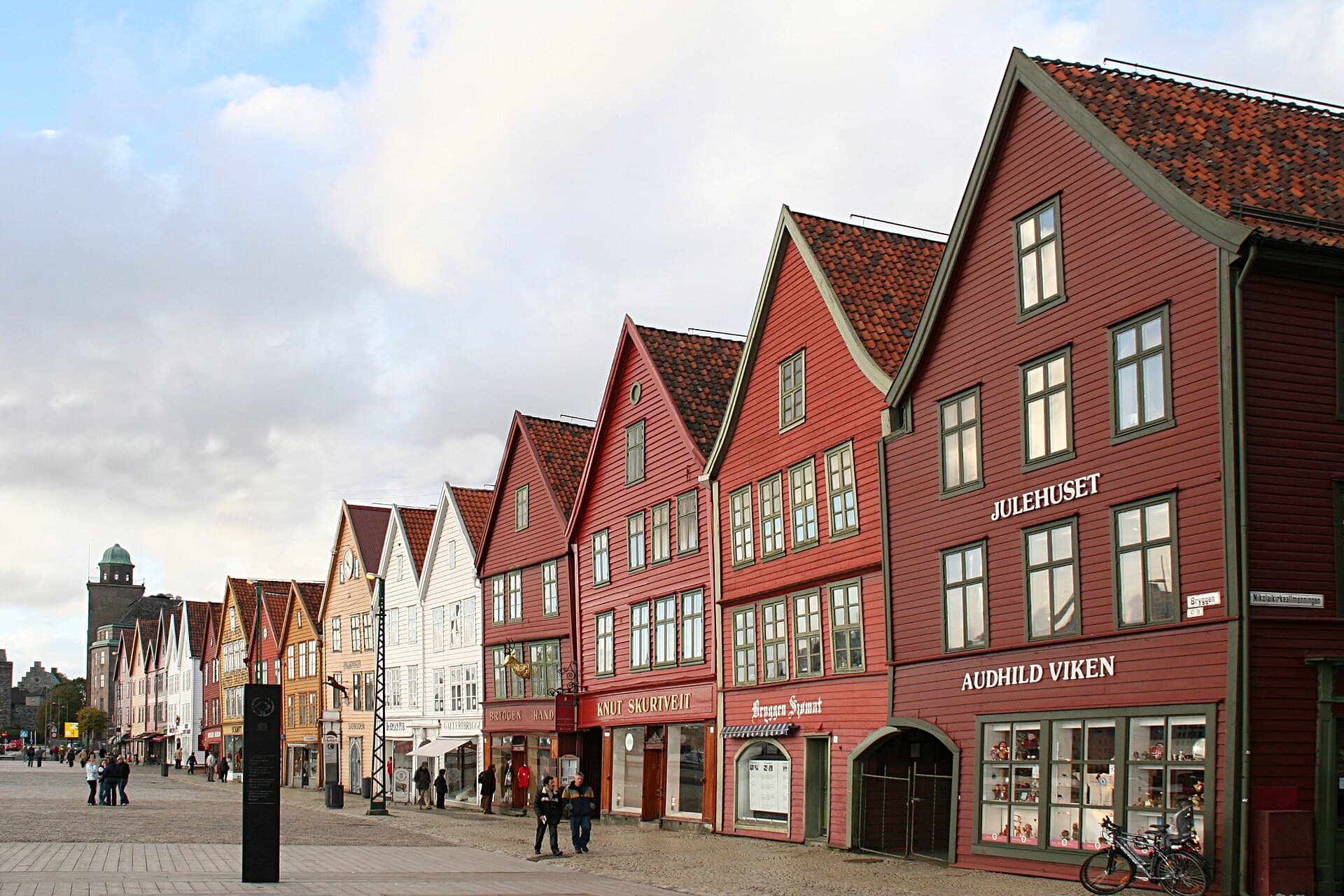 Bryggen — the Hanseatic WharfBryggen is the entire remaining commercial face of the Hanseatic trading league:2 minutes walk4.6
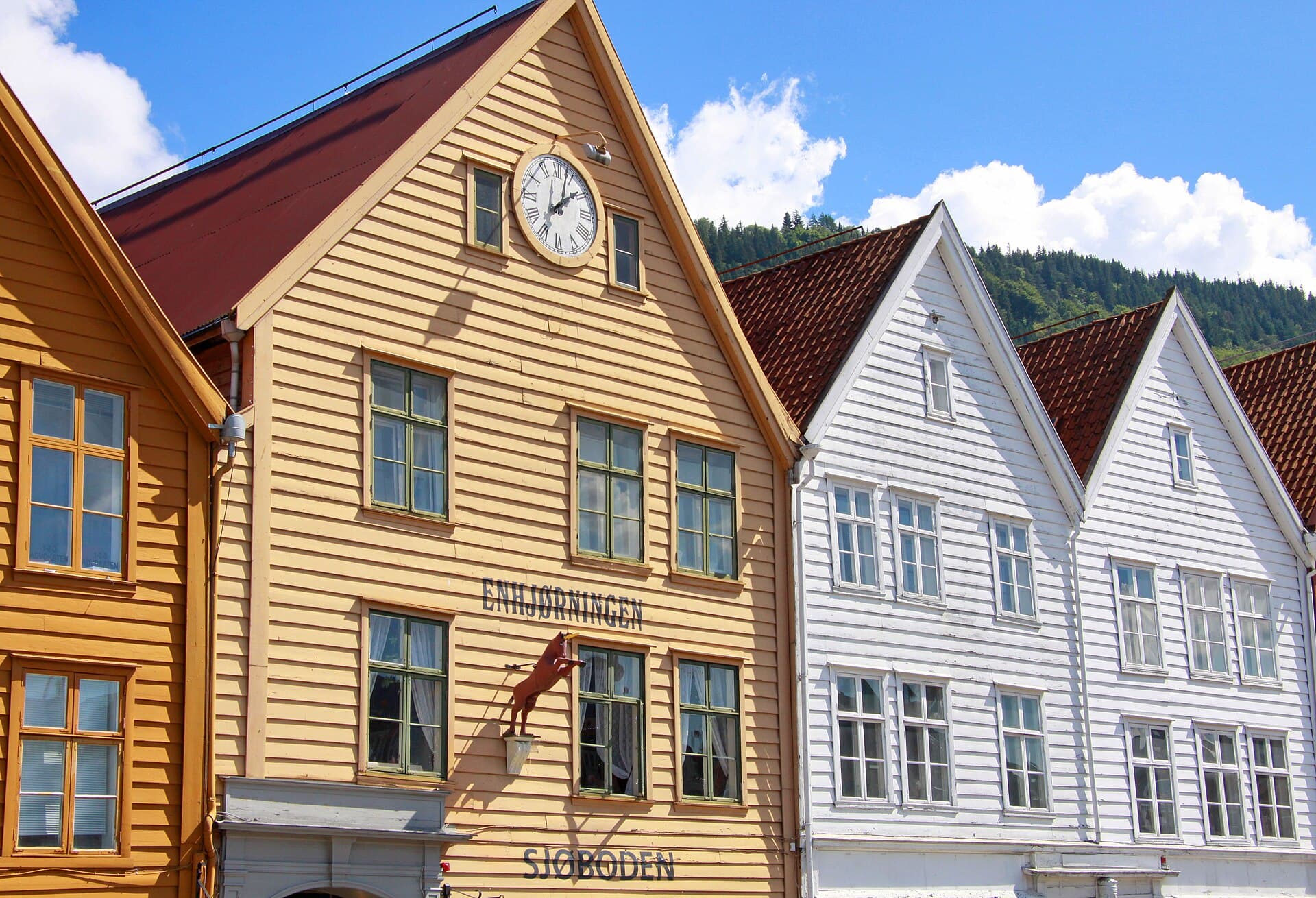 The Theta MuseumThe Theta Museum is a single room in the attic of a wooden building in Bryggen, 2 minutes walk4.5
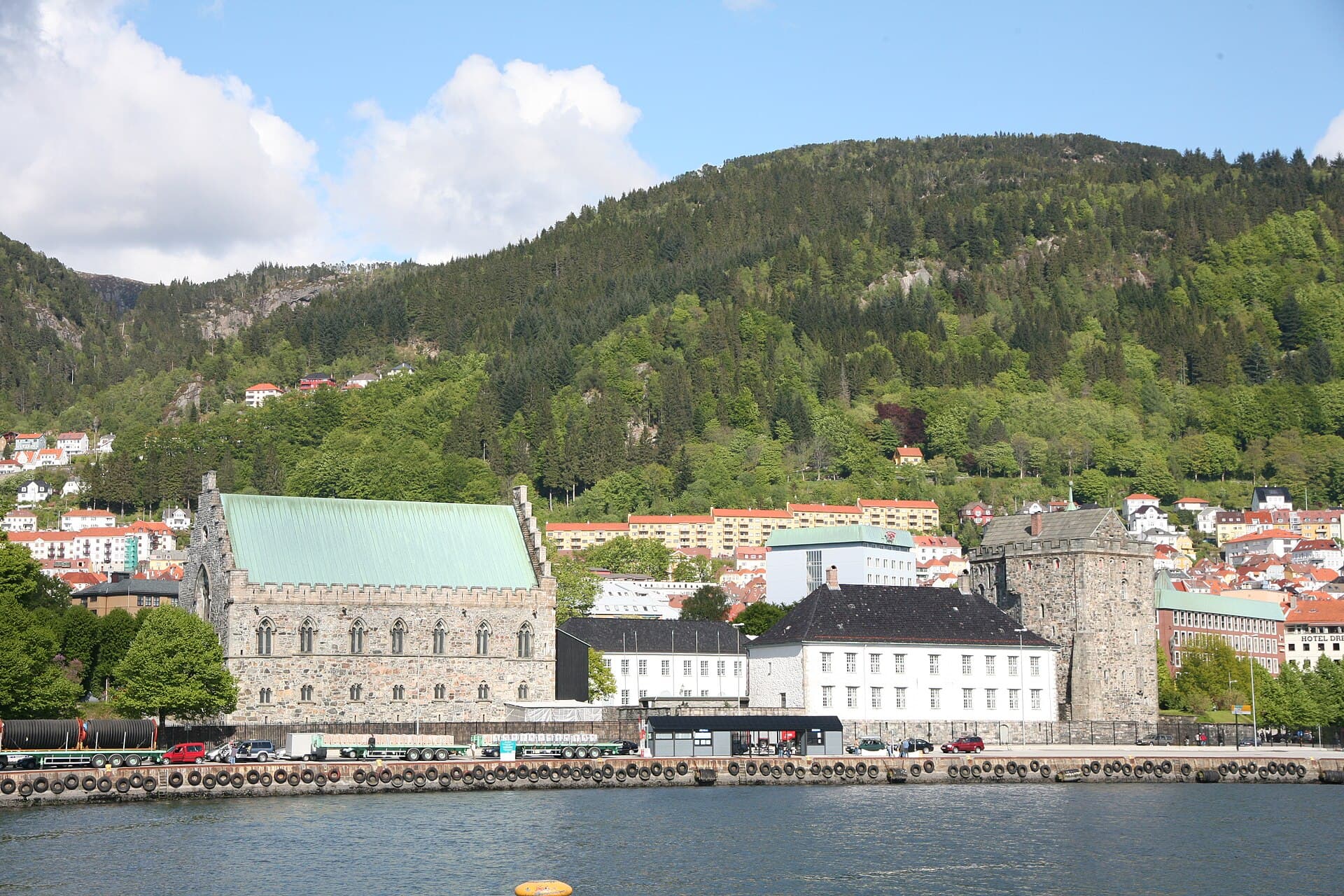 Bergenhus Fortress & Rosenkrantz TowerBergenhus is Bergen's oldest working royal complex: a fortress at the harbour mo4 minutes walk4.5
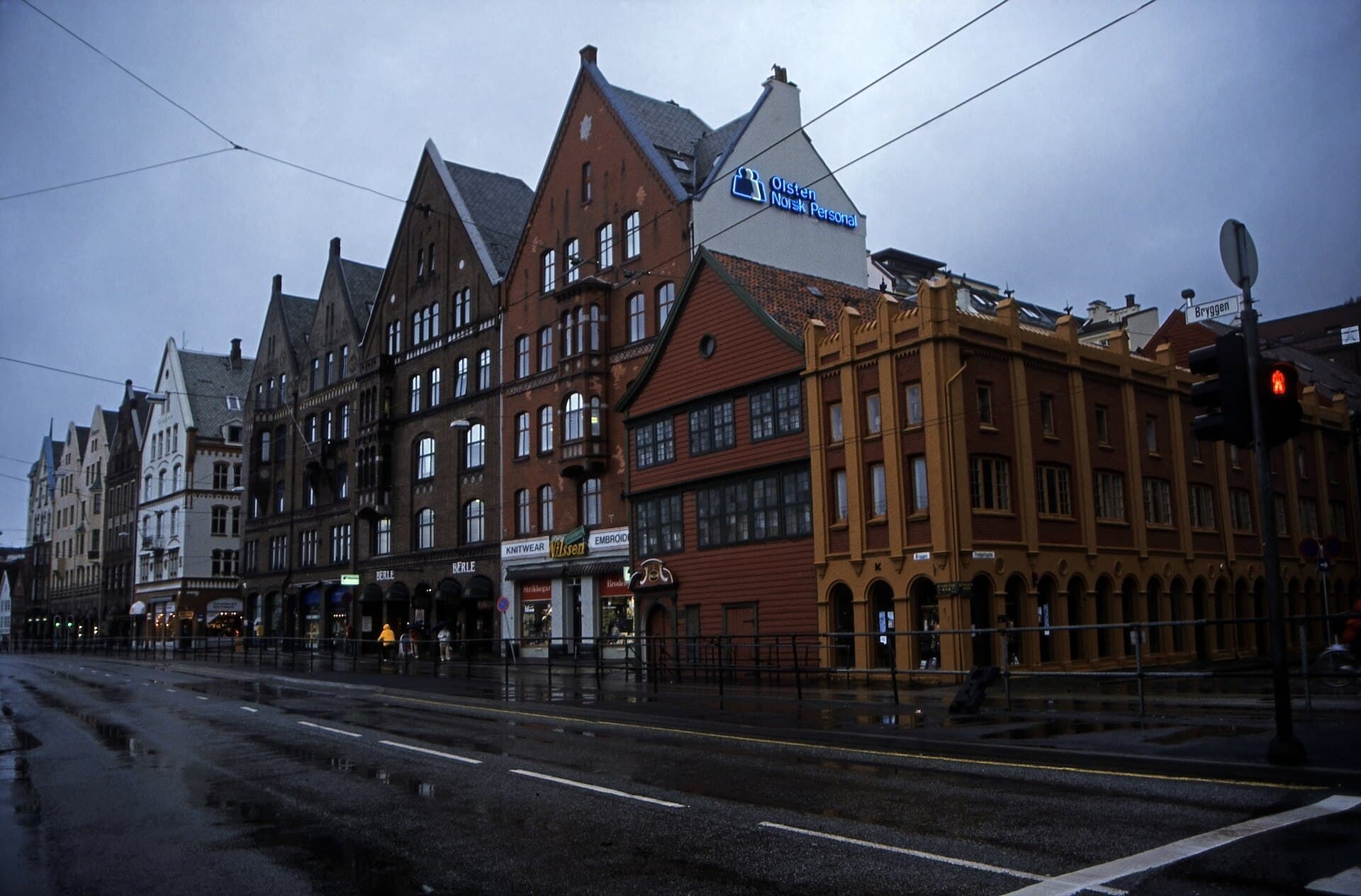 The Hanseatic Museum & SchøtstueneThe Hanseatic Museum is the sole chance to enter a real German merchant's house 4 minutes walk4.4
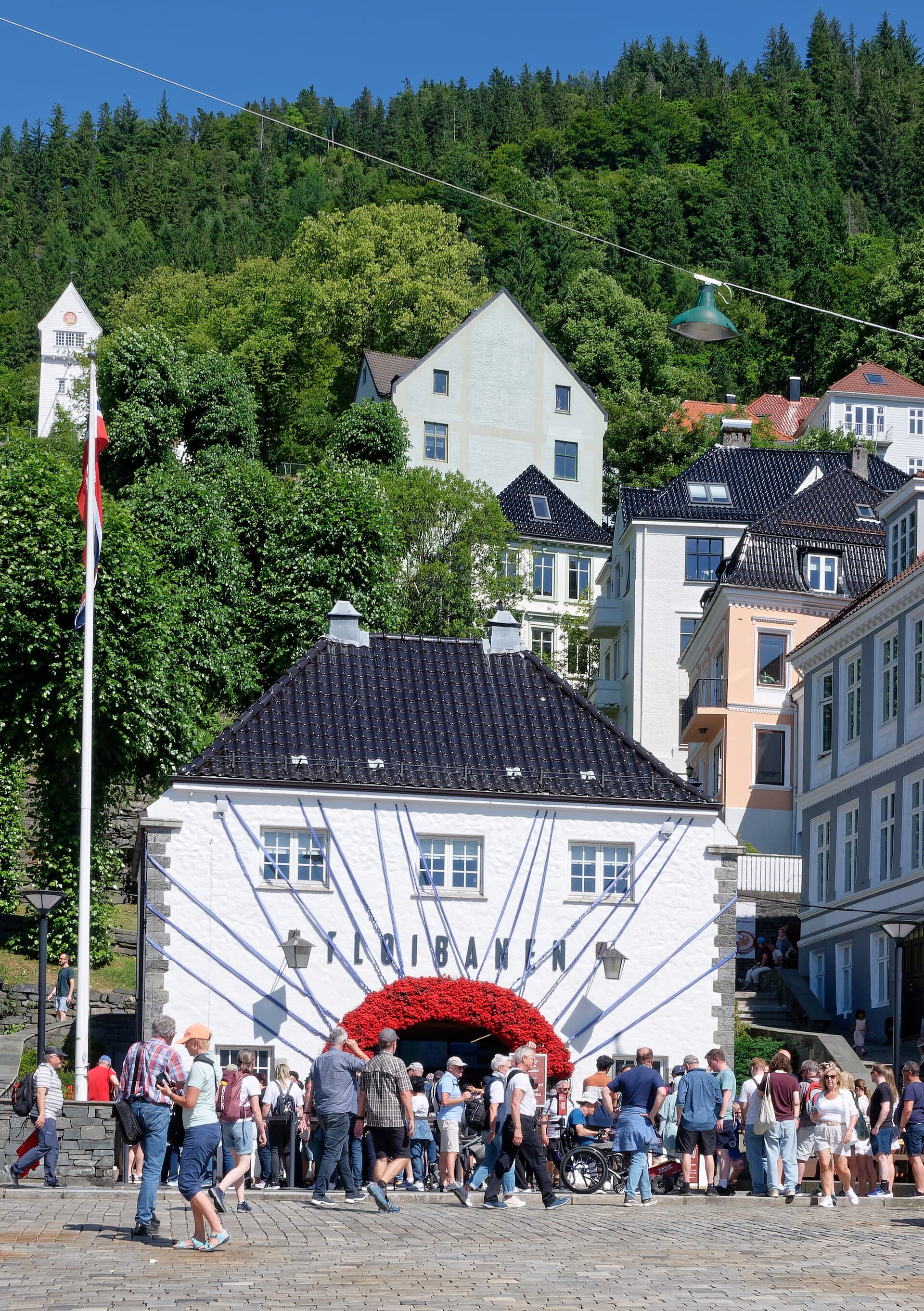 Fløibanen — the Mount Fløyen FunicularFløibanen is Bergen's most famous elevator to the sky: a venerable funicular (195 minutes walk4.8
A trading alliance of north German cities that controlled North Sea and Baltic commerce from the thirteenth to the sixteenth century. It established in Bergen one of its four great overseas stations — a Kontor — and monopolised the trade in dried cod from northern Norway. The German merchants lived in Bryggen as a closed community with its own laws, language and church, and were not permitted to marry locally. Their mark is still in the architecture, the food and the family names.