
Nice was not French
It joined France in 1860 by referendum, a century after Masséna's birth.
V4nco — CC BY-SA 4.0 · Mehdi Mhenni — CC BY-SA 3.0 · kajikawa — CC BY 3.0 · Finoskov — CC BY-SA 4.0
A bronze statue of Marshal André Masséna, one of Napoleon's commanders, born in Nice in 1758 and among the leading generals of the French Republic and Empire. His story explains something about Nice itself. When Masséna was born, Nice was not French but part of the Kingdom of Sardinia-Piedmont, and it joined France definitively only in 1860, by referendum after an agreement with Italy. So the most famous French general from Nice was born a subject of an Italian king. That tension between two identities runs through the whole city: street and district names, the food and the local dialect all carry a clear Italian trace, and the old town is closer in form to Genoa than to Lyon. A plain practical point: a statue in a public space on the promenade route. Free and always open, and the visit is two minutes. You pass it walking the seafront — learn the story and carry on.
It joined France in 1860 by referendum, a century after Masséna's birth.
Names, dialect, food and the old town are all closer to Genoa.
A point on your walk rather than a destination.
Near the Promenade des Anglais, Nice
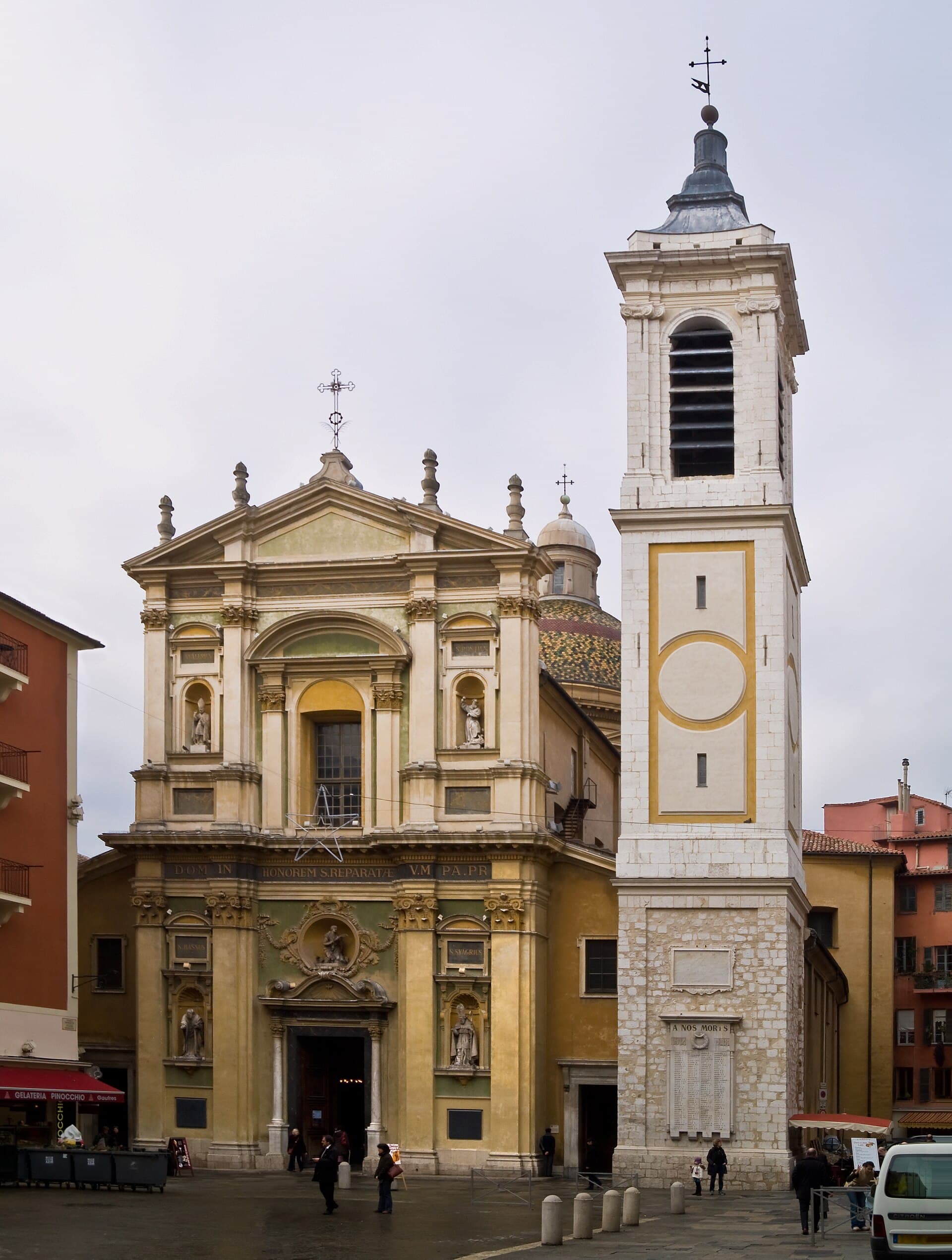 Cathédrale Sainte-RéparateIn old Nice's lane-maze, Place Rossetti opens suddenly onto a Baroque cathedral 2 minutes walk4.7
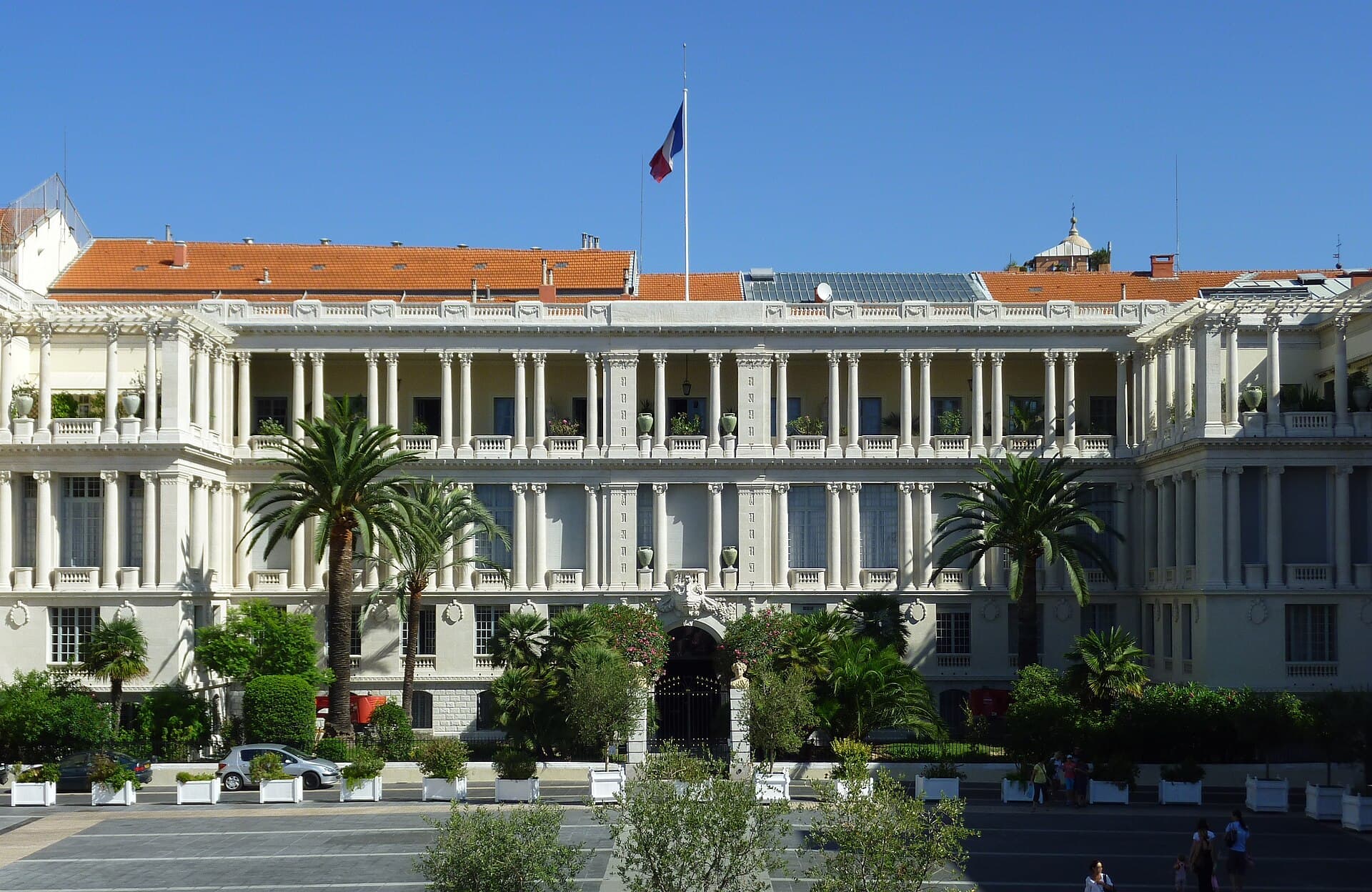 The Prefectoral PalaceA palace at the edge of old Nice, once the residence of the rulers of Savoy and 3 minutes walk4.6
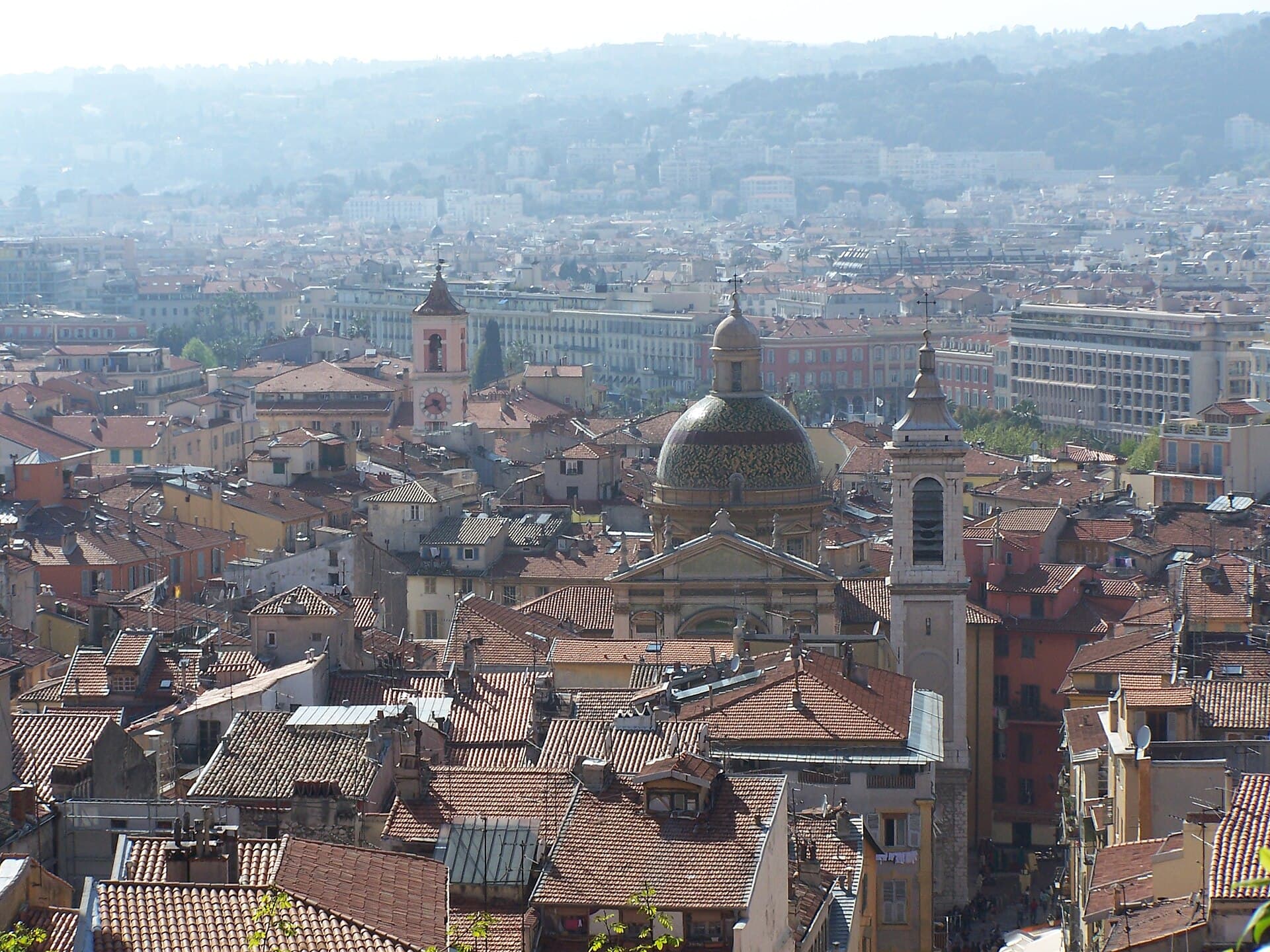 Old NiceOld Nice is the maze between the castle hill and the sea: a dense network of nar3 minutes walk
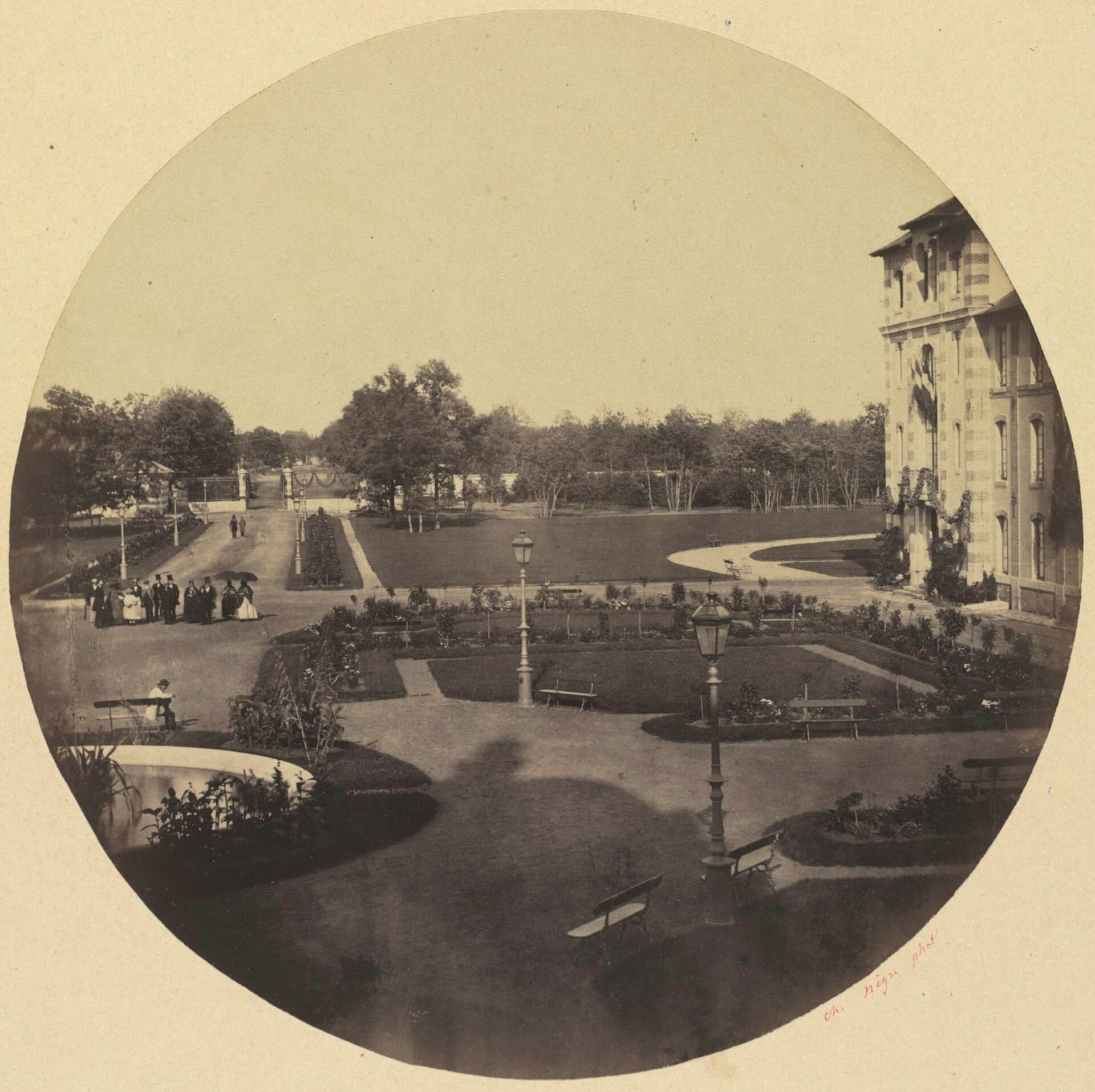 Charles Nègre Photography MuseumThe Charles Nègre museum is Nice's museum of photography, in a seventeenth-centu3 minutes walk4.5
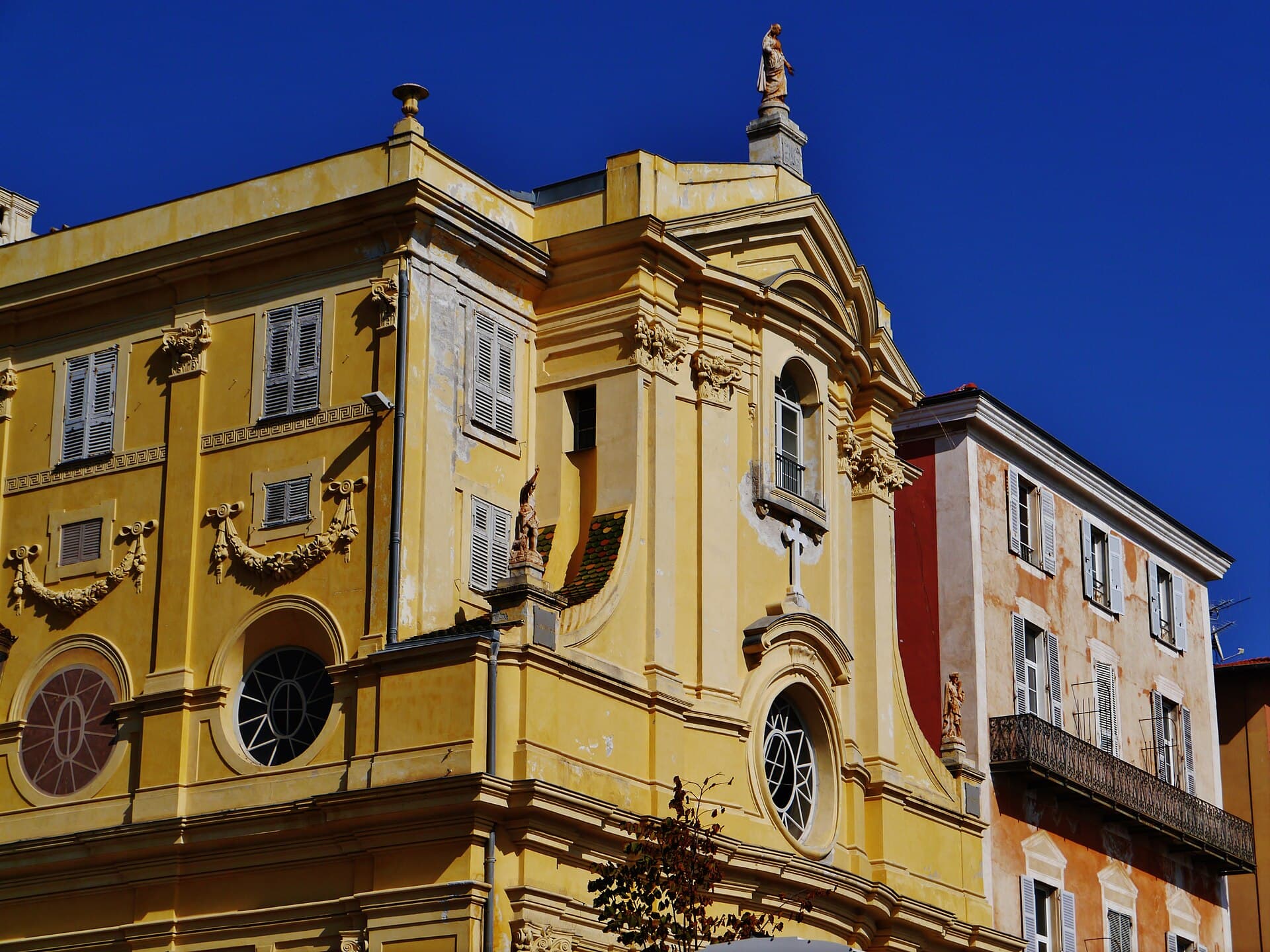 The Chapel of MercyA small church on the Cours Saleya in old Nice, built between 1740 and 1786, and3 minutes walk4.4
In 1860, under an agreement between France and the Kingdom of Sardinia-Piedmont followed by a local referendum. Before that the city belonged to the Italian world for centuries, which explains the names, food and architecture that feel closer to Liguria than to Provence.
In the old town: the narrow streets, coloured facades and Baroque churches are all from the Sardinian period. In the food: socca, pissaladière and farcis are local dishes rather than French in the Parisian sense. And in the family names above the shops.