
The Golden Hall
Mosaic walls narrating Swedish history.
Arild Vågen — CC BY-SA 3.0 · ArildV — CC BY-SA 4.0 · Ray Swi-hymn from Sijhih-Taipei, Taiwan — CC BY-SA 2.0 · Ray Swi-hymn from Sijhih-Taipei, Taiwan — CC BY-SA 2.0
Stockholm City Hall is the building you recognise from pictures of the city even without knowing its name: a mass of eight million red bricks at the water's edge, topped by a hundred-and-six-metre tower crowned with three golden crowns, Sweden's emblem. It was completed in 1923 to Ragnar Ostberg's design in the National Romantic style, blending Gothic, Byzantine and Swedish craft traditions. Its global fame rests on a single annual event: the Nobel Prize banquet held in the Blue Hall every tenth of December, where thirteen hundred guests dine before climbing the staircase to the Golden Hall to dance. The irony is that the Blue Hall is not blue at all — the architect decided to leave the red brick bare once he liked its texture, but the name had already stuck. The Golden Hall above is covered with eighteen million gilded mosaic tiles narrating Swedish history across its walls, centred on the Queen of Lake Malaren in a deliberately Byzantine style. Entry to the building is by guided tour only; the tower is a separate summer ticket, climbed on foot for the broadest view over the old town.
Mosaic walls narrating Swedish history.
106 metres and a view over the old town.
Hantverkargatan 1, 111 52 Stockholm
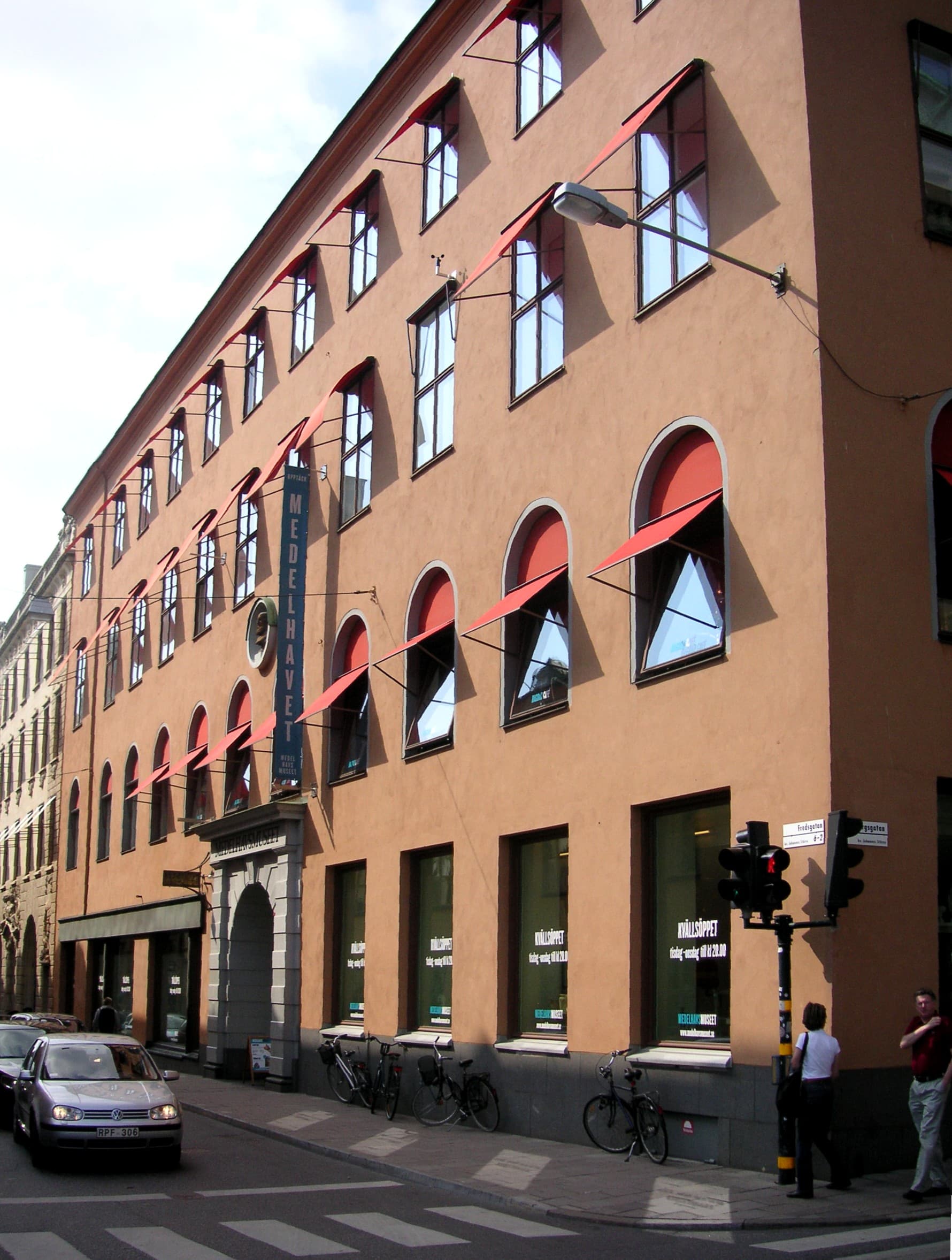 The Museum of Mediterranean and Near Eastern AntiquitiesMedelhavsmuseet is Stockholm's museum of Mediterranean and Near Eastern archaeol9 minutes walk4.3
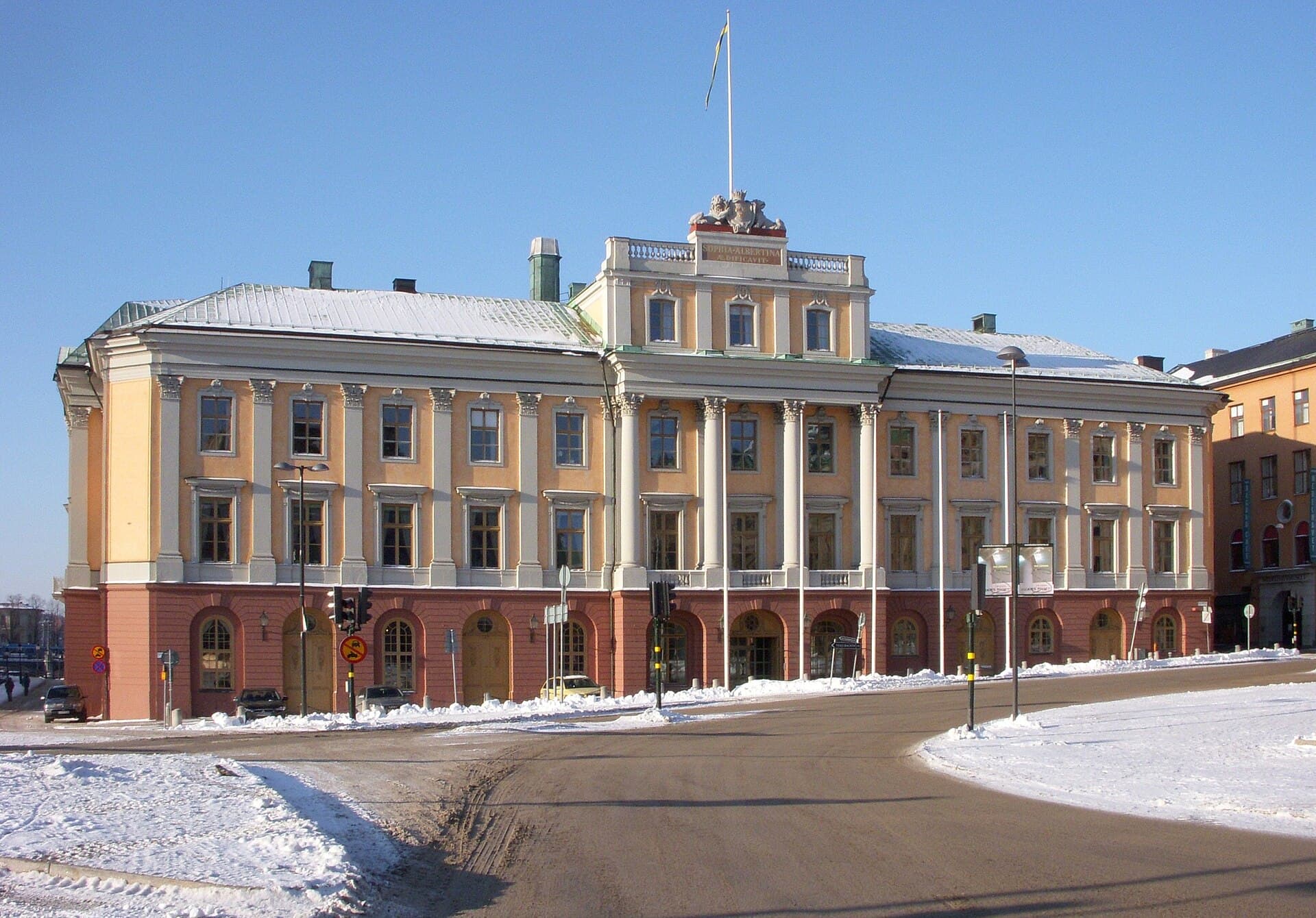 Arvfurstens palatsThe Hereditary Prince's Palace stands on **Gustav Adolfs torg** in central Stock10 minutes walk4.5
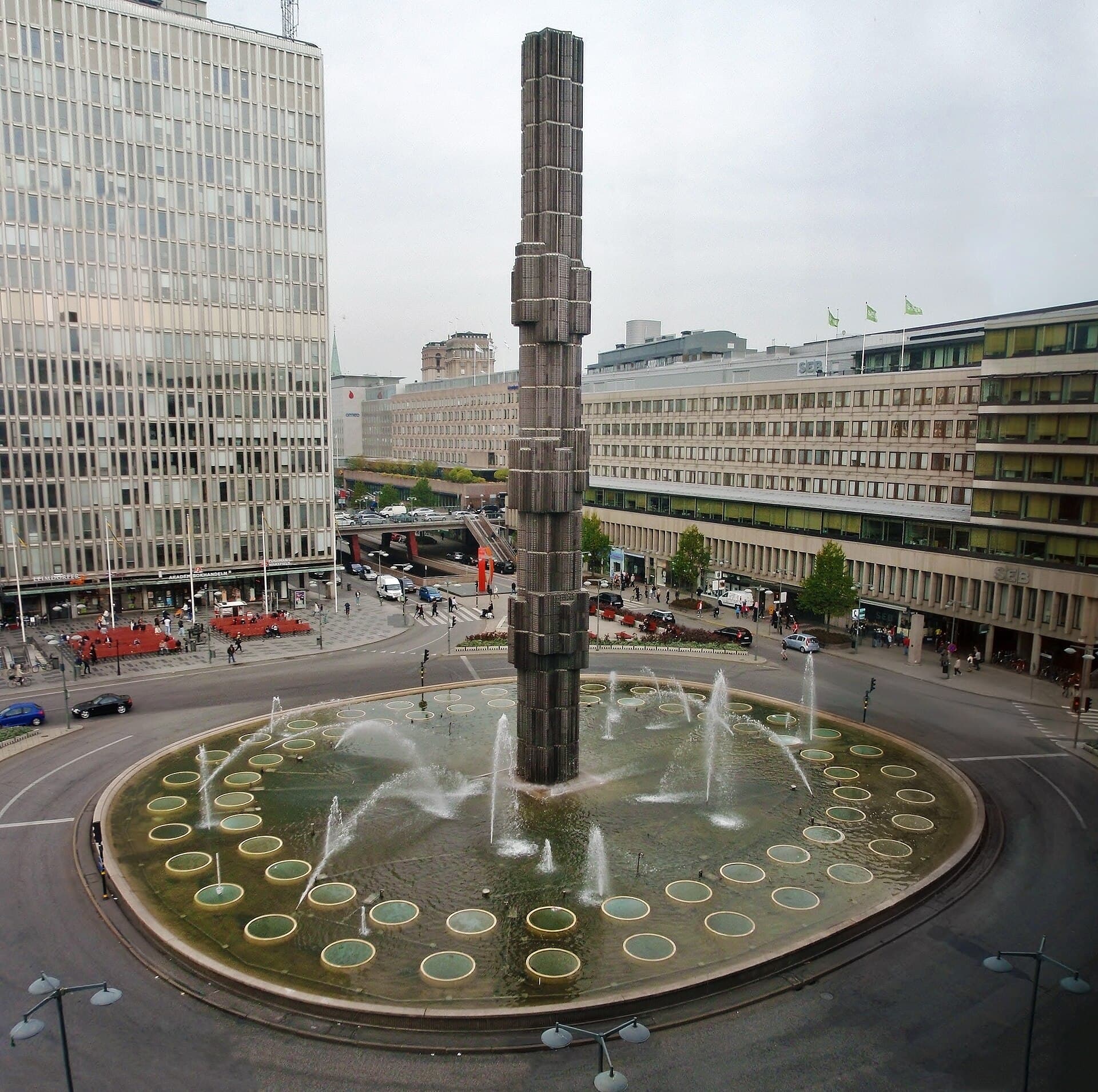 Sergels TorgSergels Torg is the heart of modern Stockholm and the exact opposite of Gamla St10 minutes walk4.2
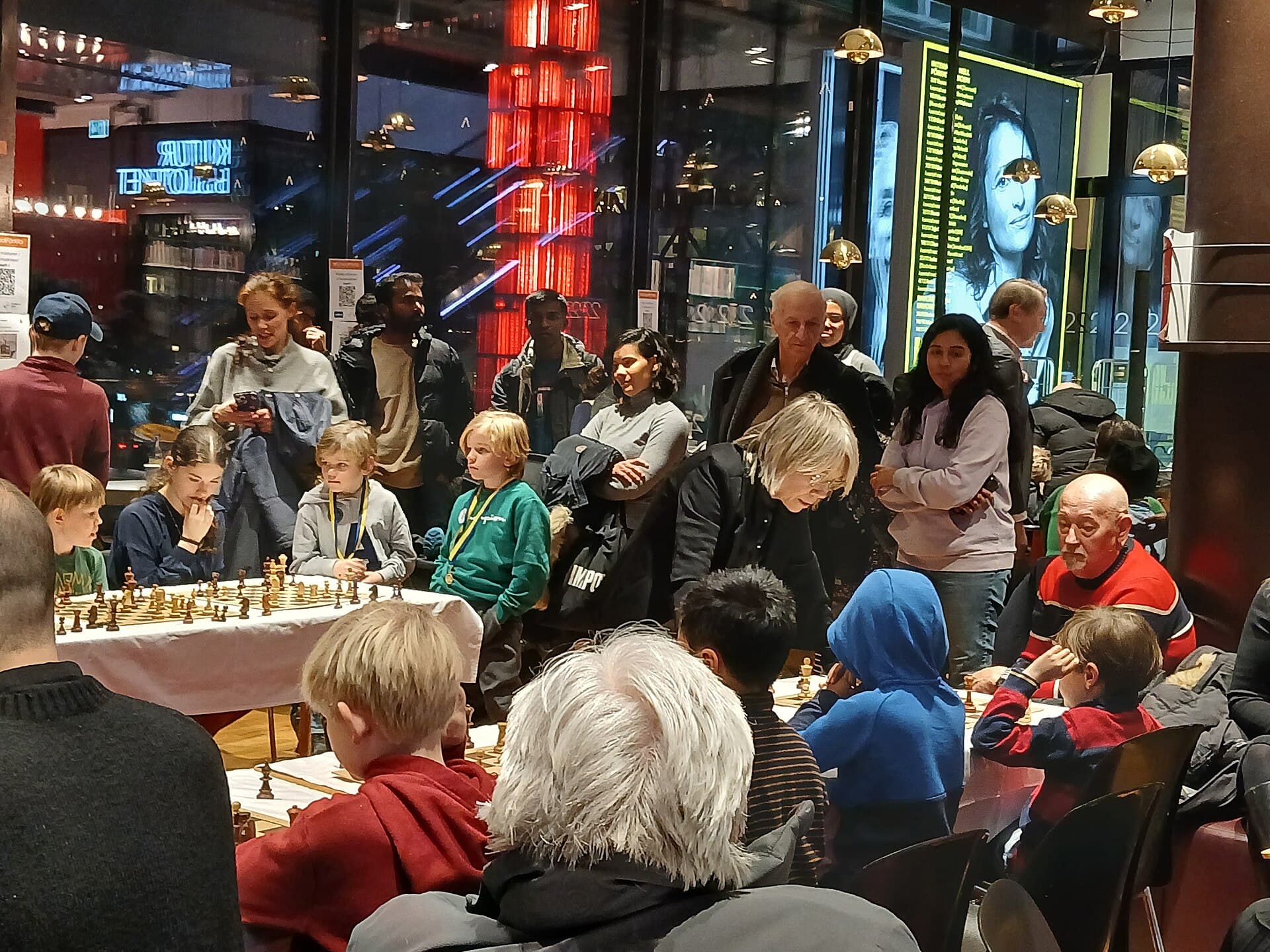 Kulturhuset StadsteaternA cultural centre and city theatre in a glass building on Sergels torg in centra10 minutes walk4.2
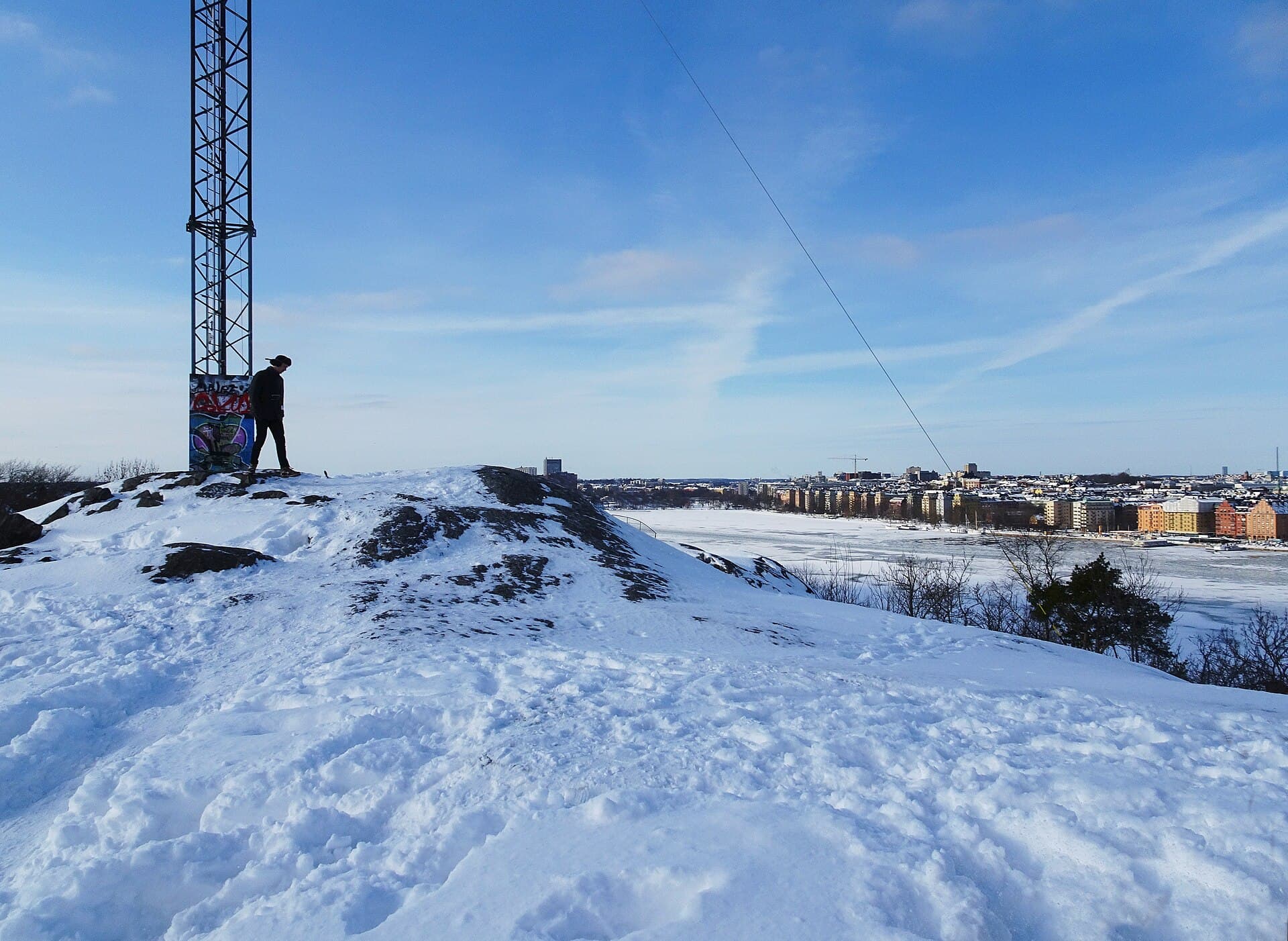 SkinnarviksbergetSkinnarviksberget is the highest natural point in central Stockholm: a bare rock11 minutes walk4.8
The original design called for the brick to be faced in polished blue, but architect Ragnar Ostberg stood before the bare walls during construction, liked the brick's colour and rough texture, and cancelled the facing — the name had already circulated among workers and press for years, so it stayed in flat contradiction of the reality.