
Selamlik and harem
Two wings, two courtyards.
Dexmorgan23 — CC BY-SA 4.0 · Argo Navis — CC BY-SA 4.0 · Whitepixels — CC0 · Argo Navis — CC BY-SA 4.0 · Whitepixels — CC0 · Whitepixels — CC0 · Argo Navis — CC BY-SA 4.0 · Argo Navis — CC BY-SA 4.0
An Ottoman family house in the old quarter north of Baščaršija, built in its present form in the 18th century and now a branch of the Museum of Sarajevo. It is one of the best surviving examples of how a wealthy Bosnian Muslim family built and lived in the 18th and 19th centuries. It is made up of four separate buildings, the men's house, the older women's house, the young women's house and the bachelors' house, with two courtyards and two gardens, as the house divides the men's quarters (selamlik) from the women's (harem), each with its own courtyard. The rooms are furnished as they were: low divans along the walls, hand-woven carpets, brass tables, carved wooden cupboards and a kitchen with an old stove. The house is built largely of wood, a method no longer common in the region, and it is in excellent condition. Visits are self-guided, with leaflets in several languages. Tickets are about 3 KM, and it opens Monday to Friday 10:00-16:00 and Saturday 10:00-15:00, per visitor guides; a combined ticket for the five Museum of Sarajevo sites is about 10 KM.
Two wings, two courtyards.
And hand-woven carpets.
Decorated woodwork.
Old quarter north of Baščaršija
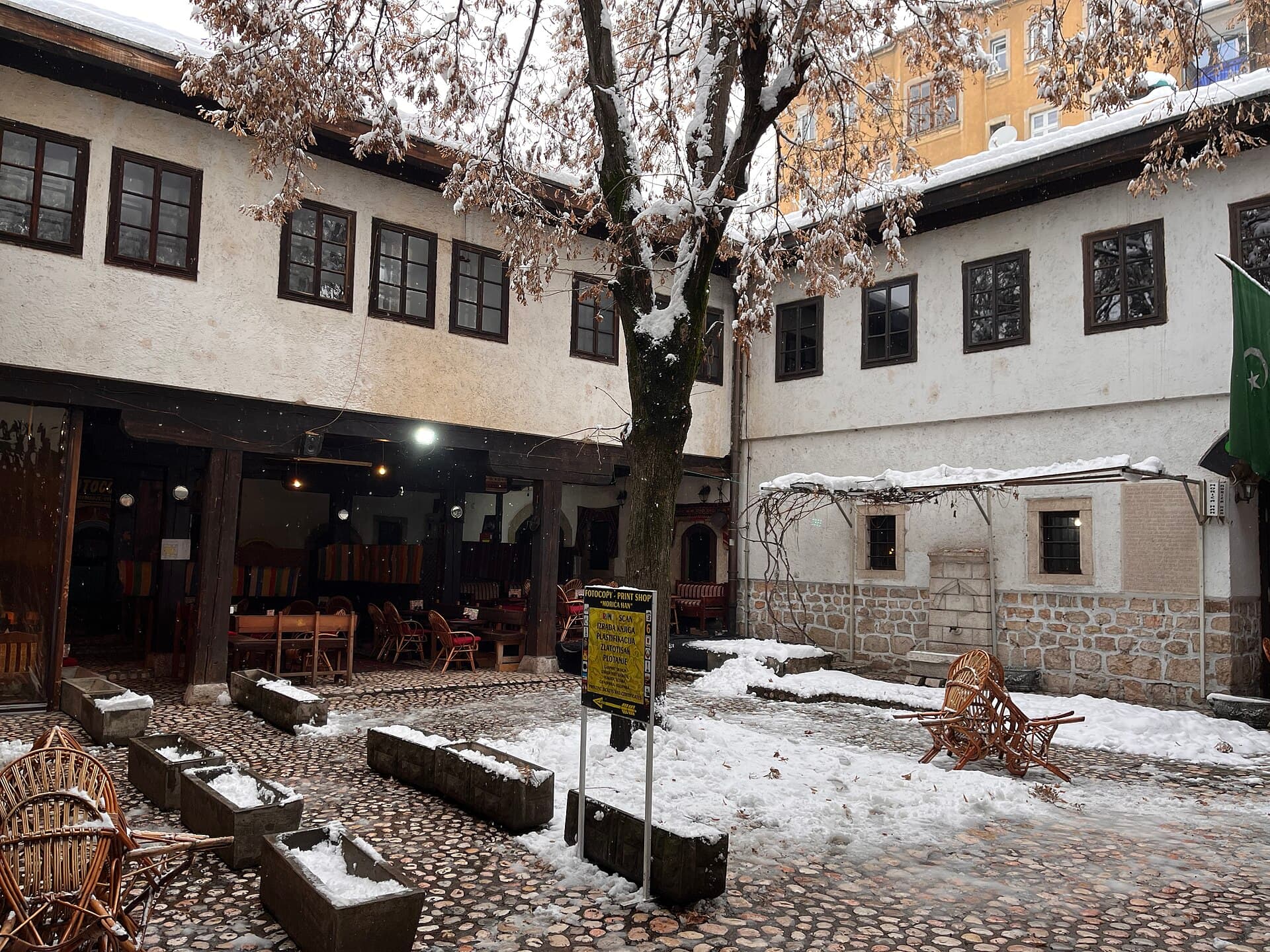 Morića HanAn Ottoman caravanserai built in 1551 and the only one of Sarajevo's old hans st4 minutes walk4.4
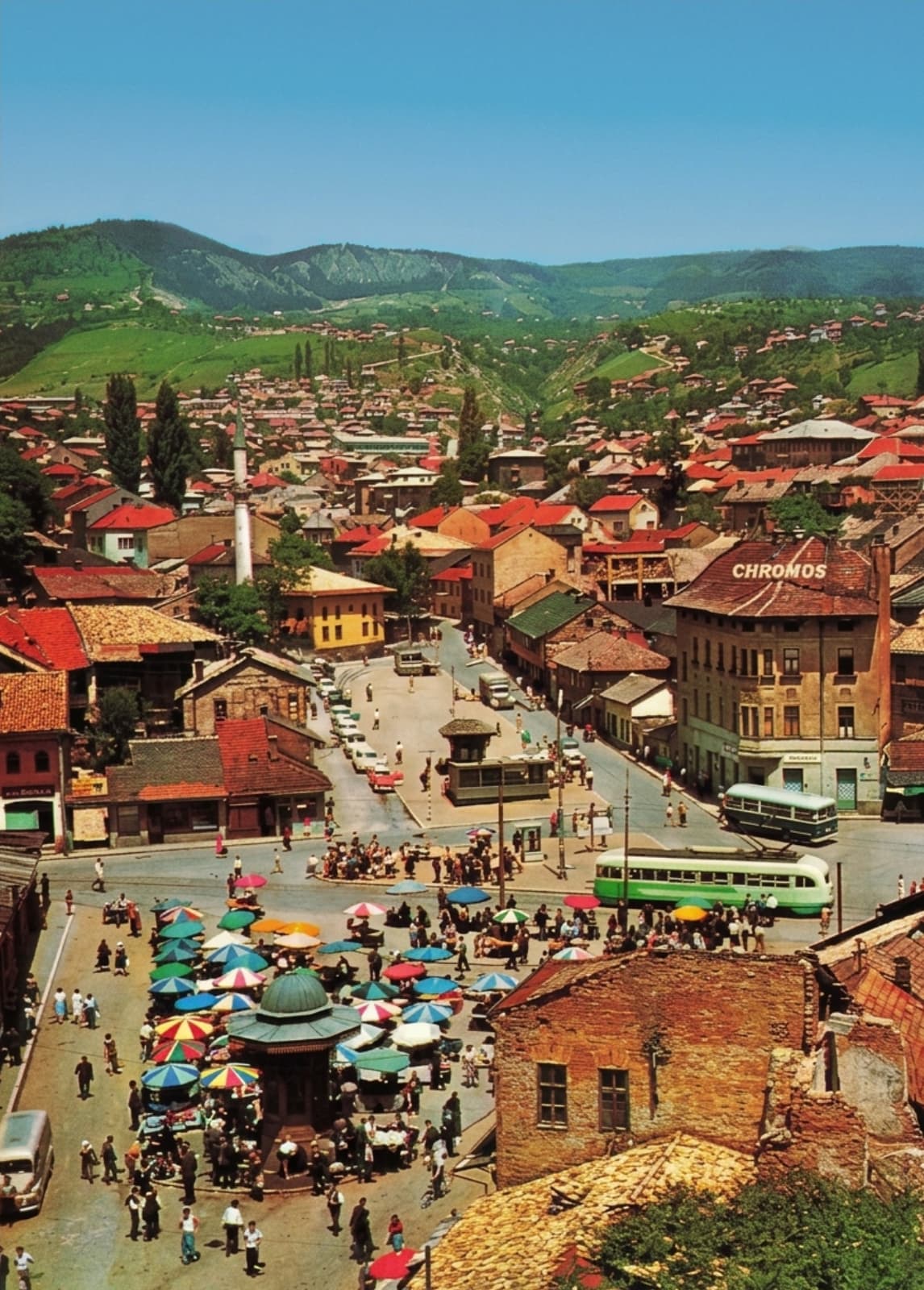 Baščaršija and the SebiljSarajevo's old bazaar and the historic and cultural heart of the city, on the no4 minutes walk4.9
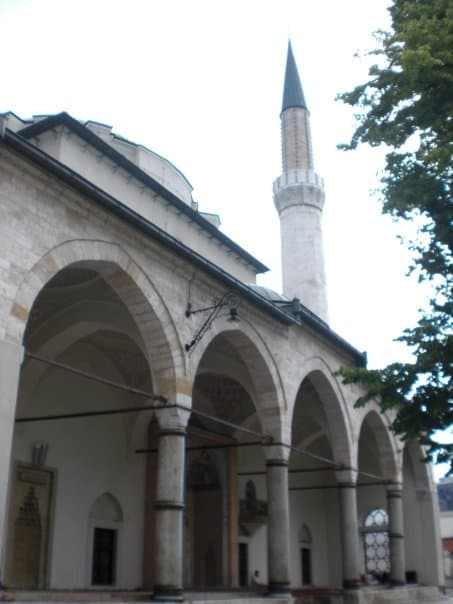 Gazi Husrev-beg MosqueThe largest historic mosque in Bosnia and Herzegovina and one of the finest Otto5 minutes walk4.7
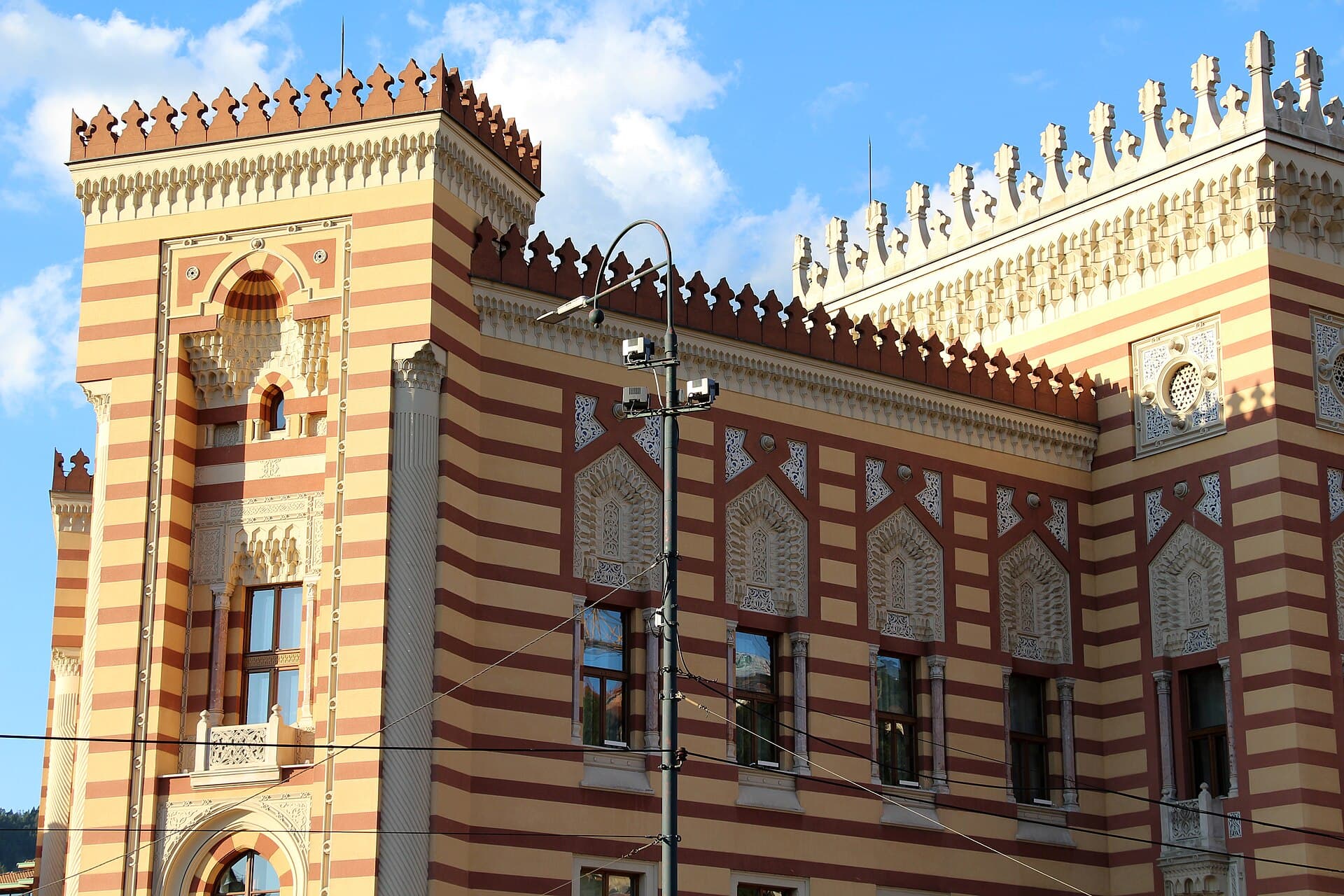 Sarajevo City Hall (Vijećnica)The finest building of the Austro-Hungarian period in Sarajevo and its largest w6 minutes walk4.6
 Latin BridgeAn Ottoman stone bridge over the Miljacka river and, judging by its foundations,7 minutes walk4.7
An 18th-century Ottoman house of four buildings and two courtyards, divided into men's and women's quarters, with rooms furnished as they were, with divans, carpets and carved cupboards, showing the life of a wealthy Bosnian Muslim family.