
Red-brick buildings
Of the missions.
Augustokremo — CC BY-SA 4.0 · Augustokremo — CC BY-SA 4.0 · Augustokremo — CC BY-SA 4.0 · Augustokremo — CC BY-SA 4.0 · Howchou — CC BY 3.0 · Augustokremo — CC BY-SA 4.0 · Augustokremo — CC BY-SA 4.0 · Augustokremo — CC BY-SA 4.0
A quiet historic street in the north of old Wuchang that took shape after the city was enlarged in 1371 under the Ming; it runs about 1,221 metres between Huayuan and Pangxie hills, with small old lanes branching off it. In the late nineteenth and early twentieth centuries European missions built schools, hospitals and houses here, so red-brick Western-style buildings stand among traditional Chinese homes, including a Swedish mission building of 1890. Today the street is Wuhan's quarter for artists and young people, full of small cafés, painting studios, galleries and craft and book shops, its walls bright with murals, perfect for a slow wander away from the busy shopping streets. The street is free and always open, per visitor guides. The afternoon is the loveliest time, and it lies a short distance from the Yellow Crane Tower and the Red Building.
Of the missions.
An artists' quarter.
Branching off.
North of old Wuchang, Wuchang District, Wuhan
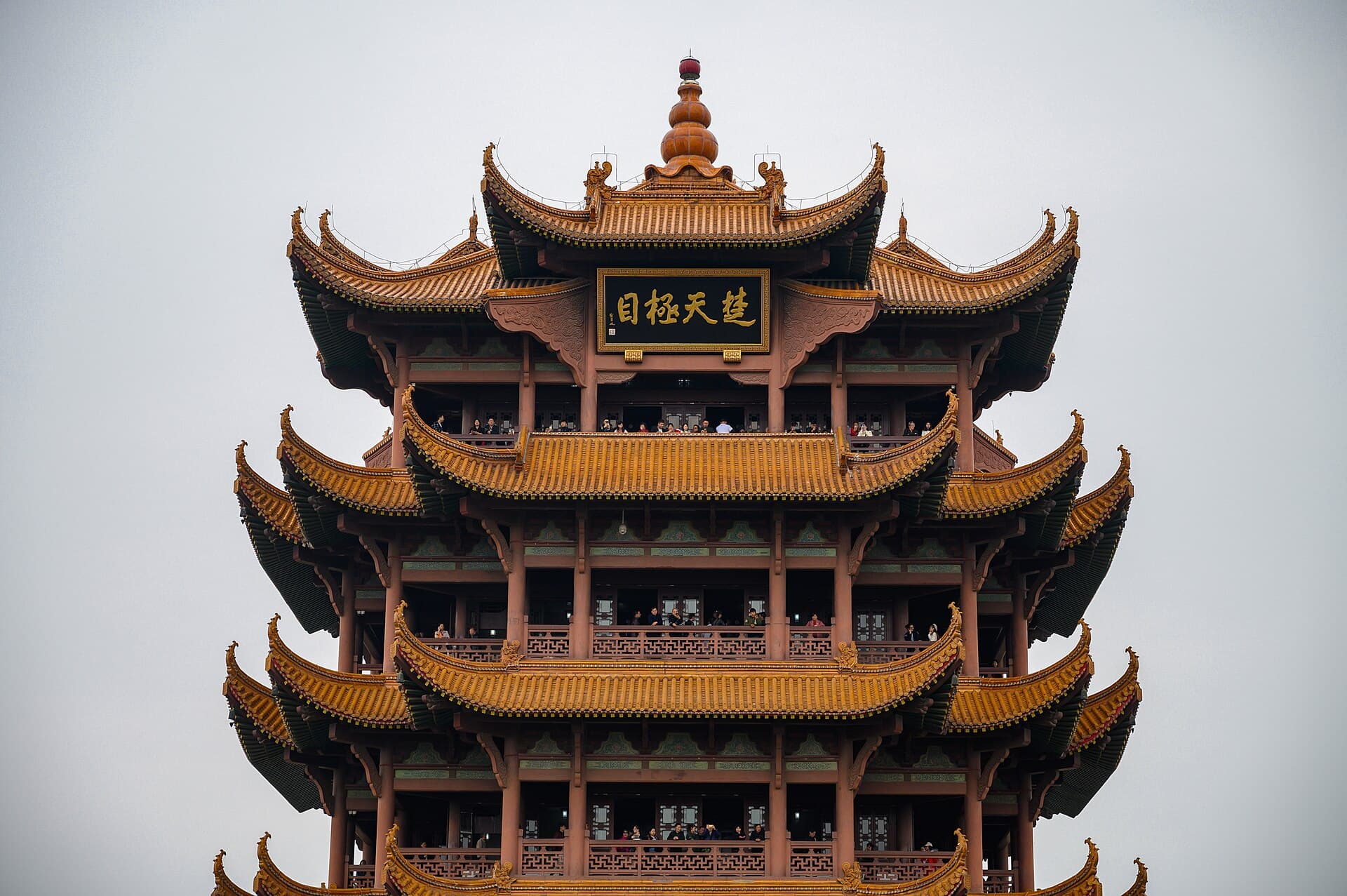 Yellow Crane TowerWuhan's best-known symbol and one of the most famous towers in Chinese history, 13 minutes walk
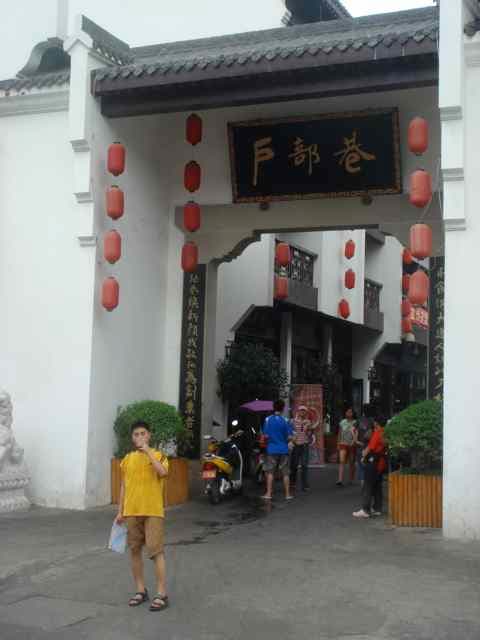 Hubu AlleyWuhan's best-known food alley, an old lane of the Ming and Qing eras 150 metres 13 minutes walk
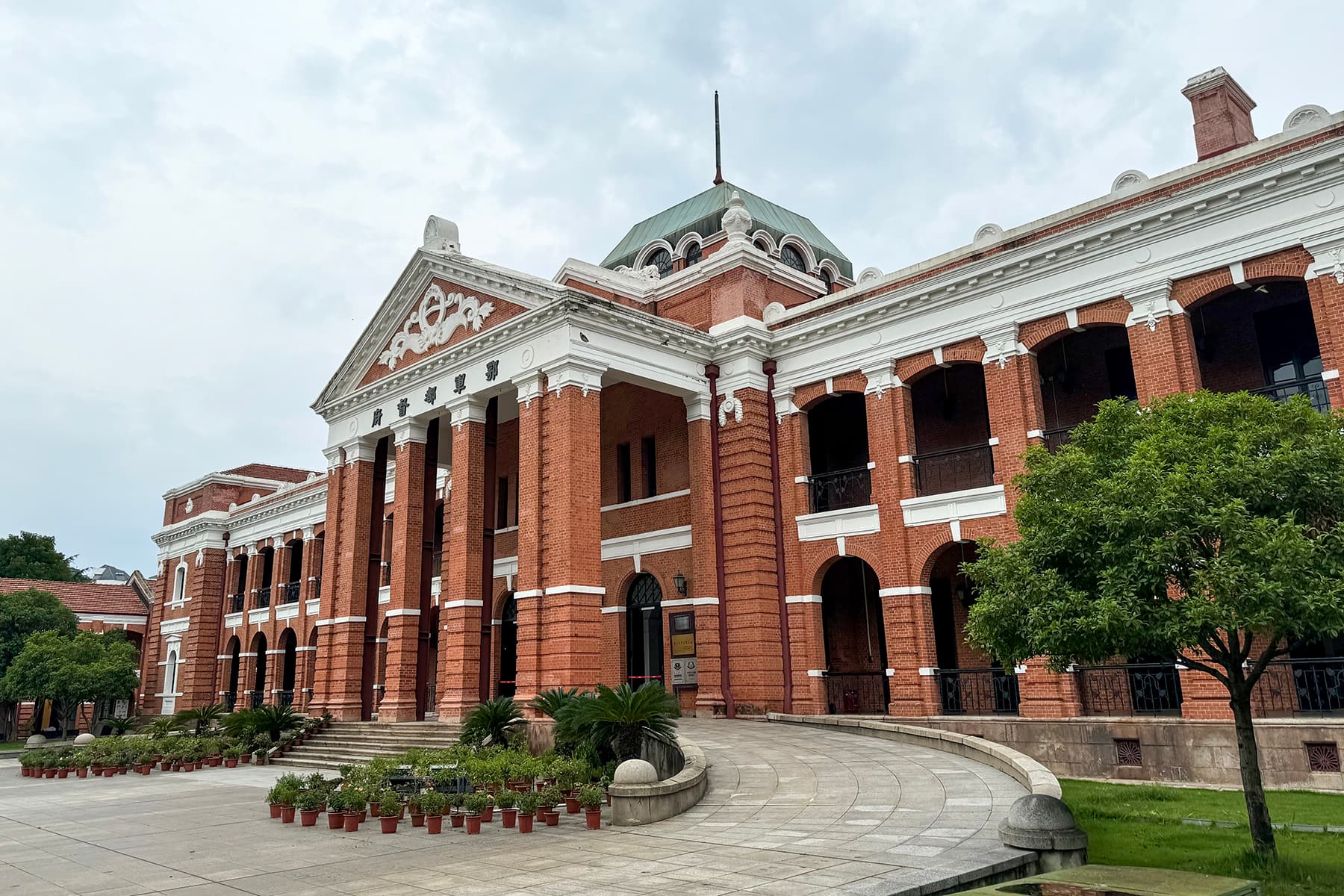 Red Building: Wuchang Uprising MemorialThe building where the Chinese republic was born, a red two-storey Western-style15 minutes walk
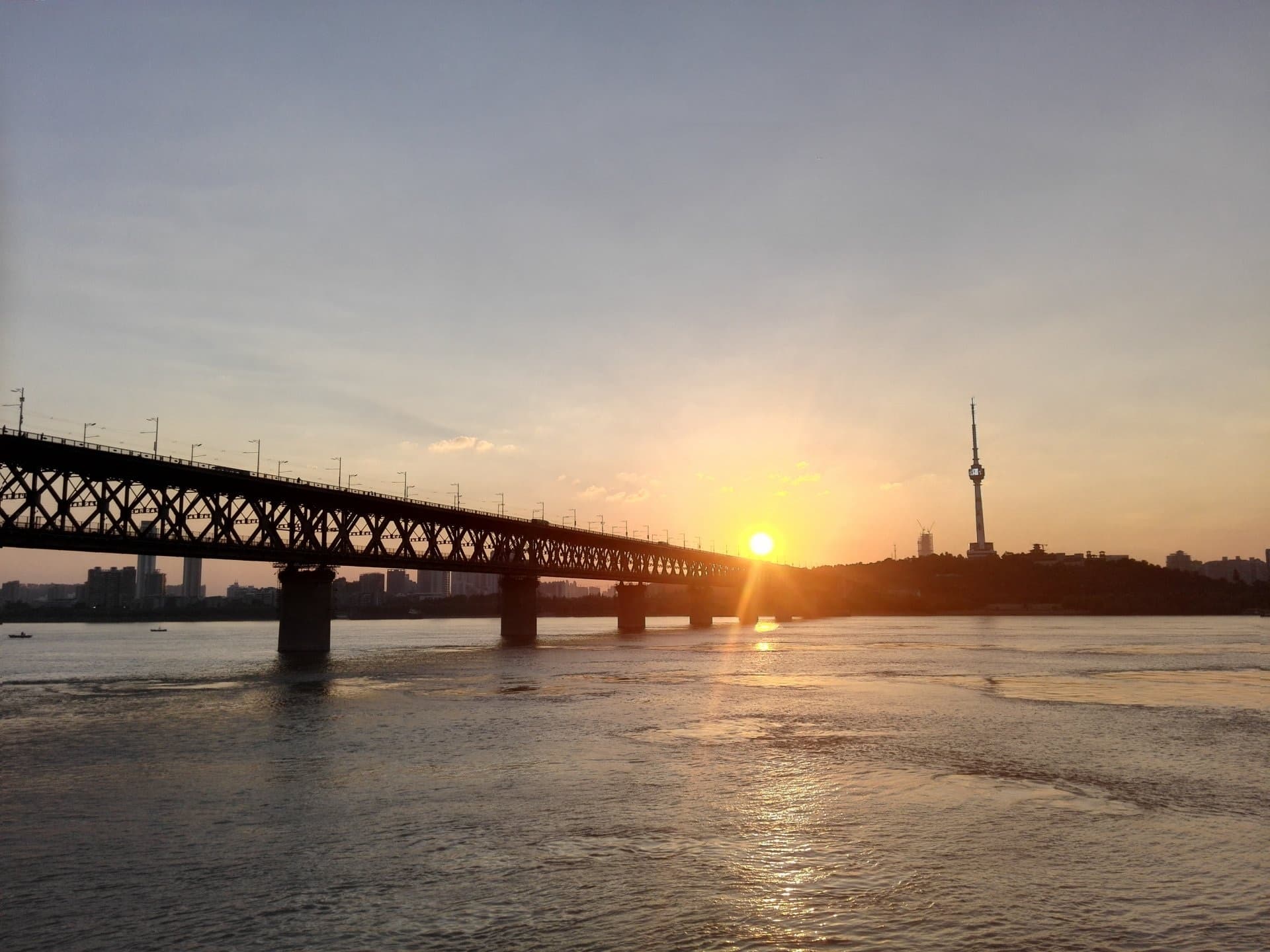 Wuhan Yangtze River BridgeThe first bridge across the Yangtze in Chinese history, opened in 1957 after pla23 minutes walk
Yes, for a quiet wander among old buildings, cafés and artists' studios; the street is free and close to the Yellow Crane Tower, per visitor guides.