
Yellow roofs
In many layers.
xiquinhosilva — CC BY 2.0 · Gary Todd from Xinzheng, China — CC0 · BluesyPete — CC BY-SA 3.0 · Nature42 — CC0 · xiquinhosilva — CC BY 2.0 · xiquinhosilva — CC BY 2.0 · Uuongkinghe — CC BY-SA 4.0 · The original uploader was Dice at Chinese Wikipedia. — CC BY-SA 3.0
Wuhan's best-known symbol and one of the most famous towers in Chinese history, a traditional five-storey tower 51.4 metres high on Snake Hill above the Yangtze; it is first recorded in AD 223 and was destroyed or burned twelve times over the centuries. The present tower was built between 1981 and 1985, about a kilometre from the original site, with layered, upturned yellow-tiled roofs; inside, exhibitions trace the towers that came before it with models and paintings, and its upper balconies look out over the river, its bridges and the city. The tower is famous in Chinese poetry: the best-known poem about it, by the Tang poet Cui Hao, speaks of the yellow crane that flew away and never returned, and Li Bai wrote a farewell poem for a friend here, so it has long drawn writers and lovers of poetry. Tickets are about CNY 70, with daytime entry from 8:30 to 17:20, per visitor guides. A large park covers the hill around the tower, and you can climb to the top by the stairs or the lift.
In many layers.
And its bridges.
From the Tang.
Snake Hill, Wuchang District, on the Yangtze, Wuhan
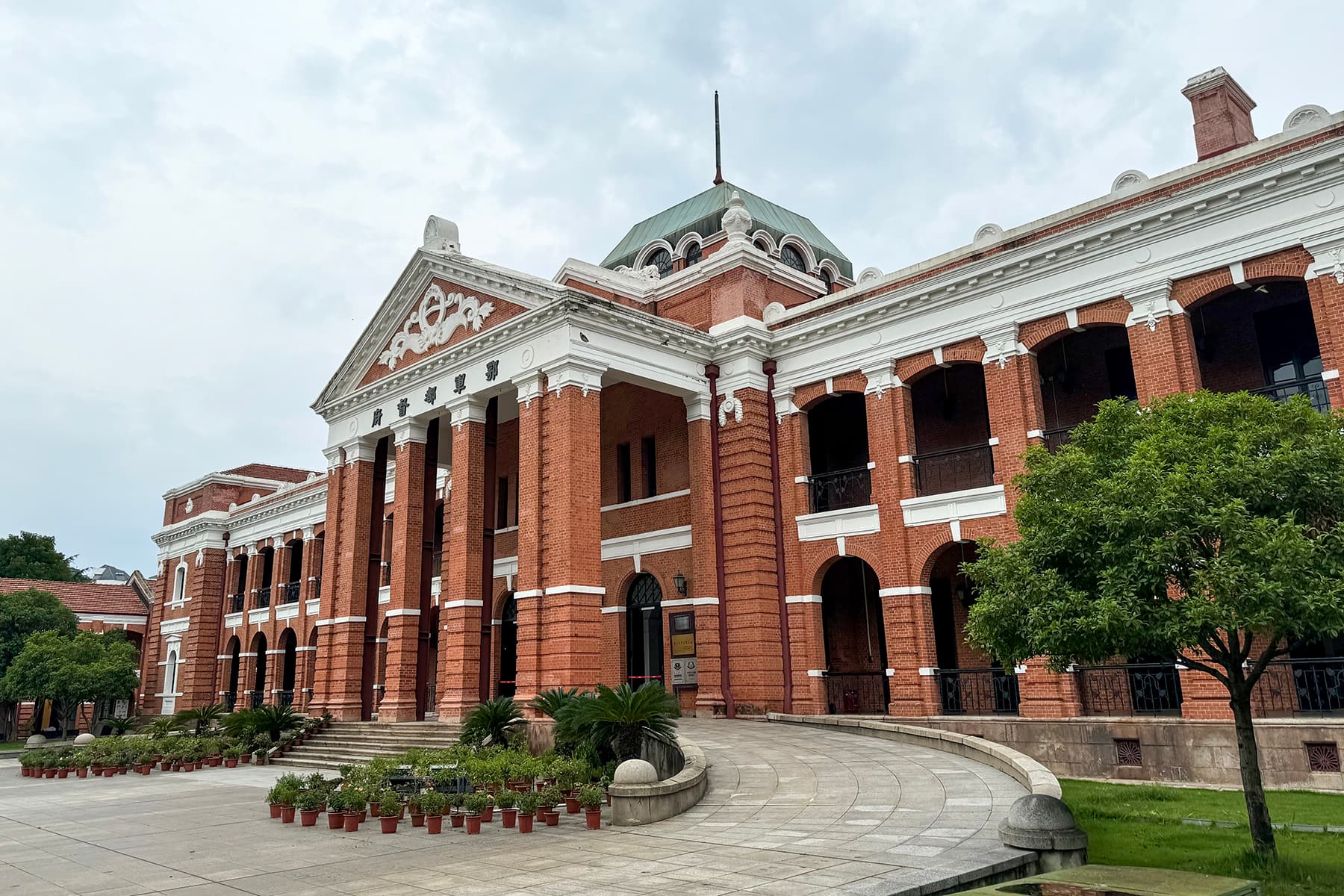 Red Building: Wuchang Uprising MemorialThe building where the Chinese republic was born, a red two-storey Western-style6 minutes walk
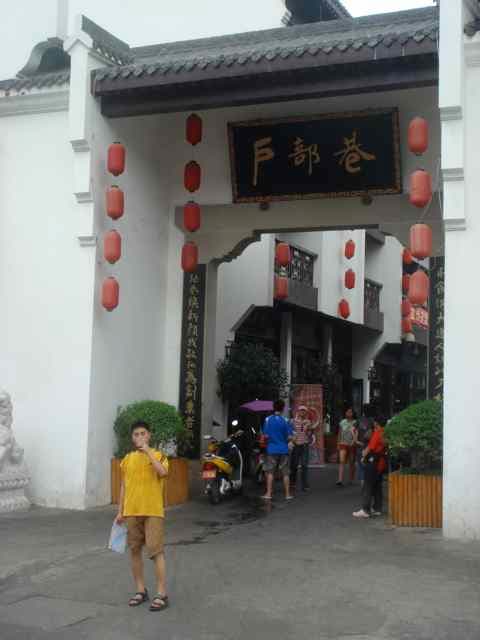 Hubu AlleyWuhan's best-known food alley, an old lane of the Ming and Qing eras 150 metres 6 minutes walk
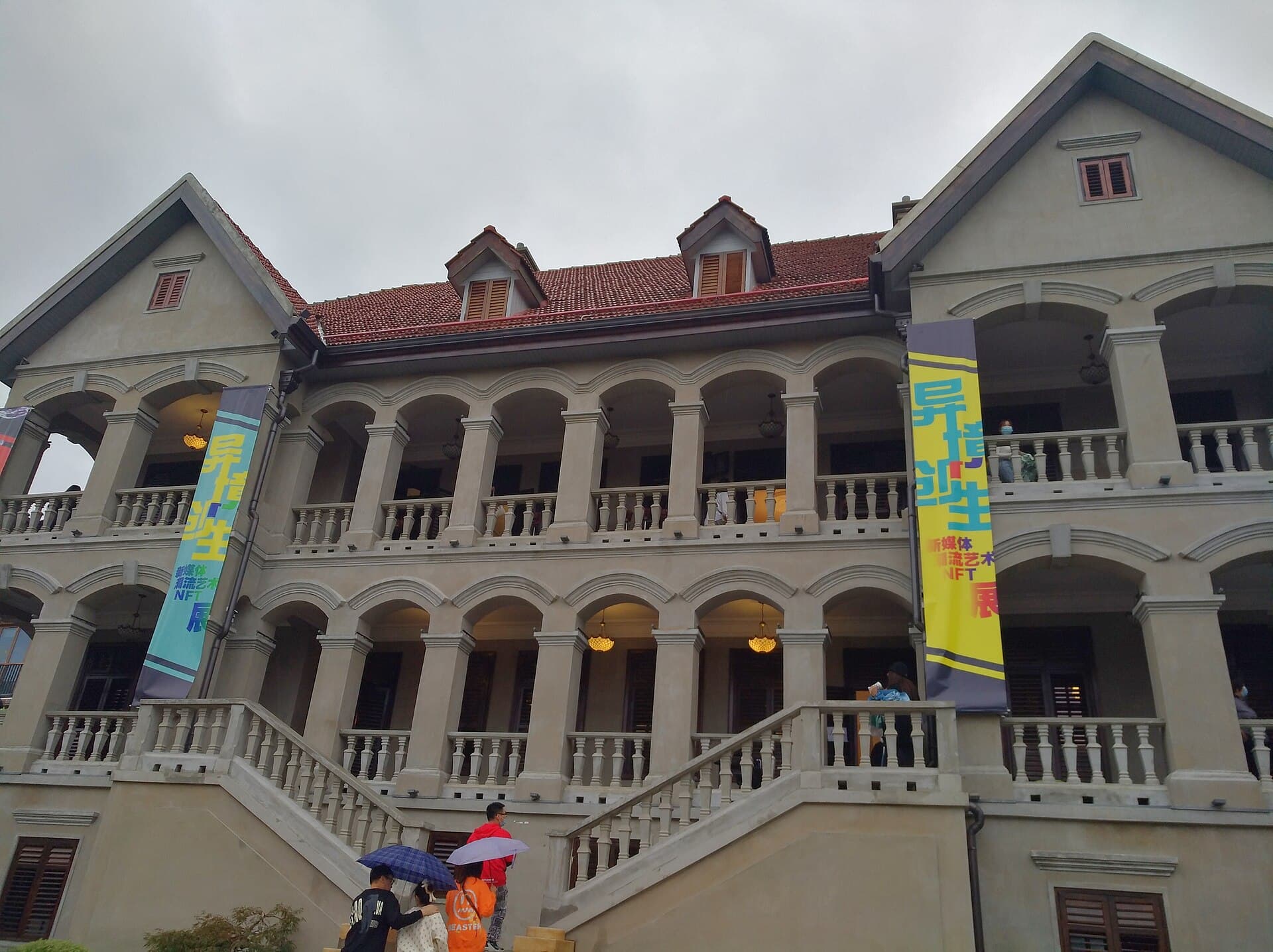 Tanhualin Historic StreetA quiet historic street in the north of old Wuchang that took shape after the ci13 minutes walk
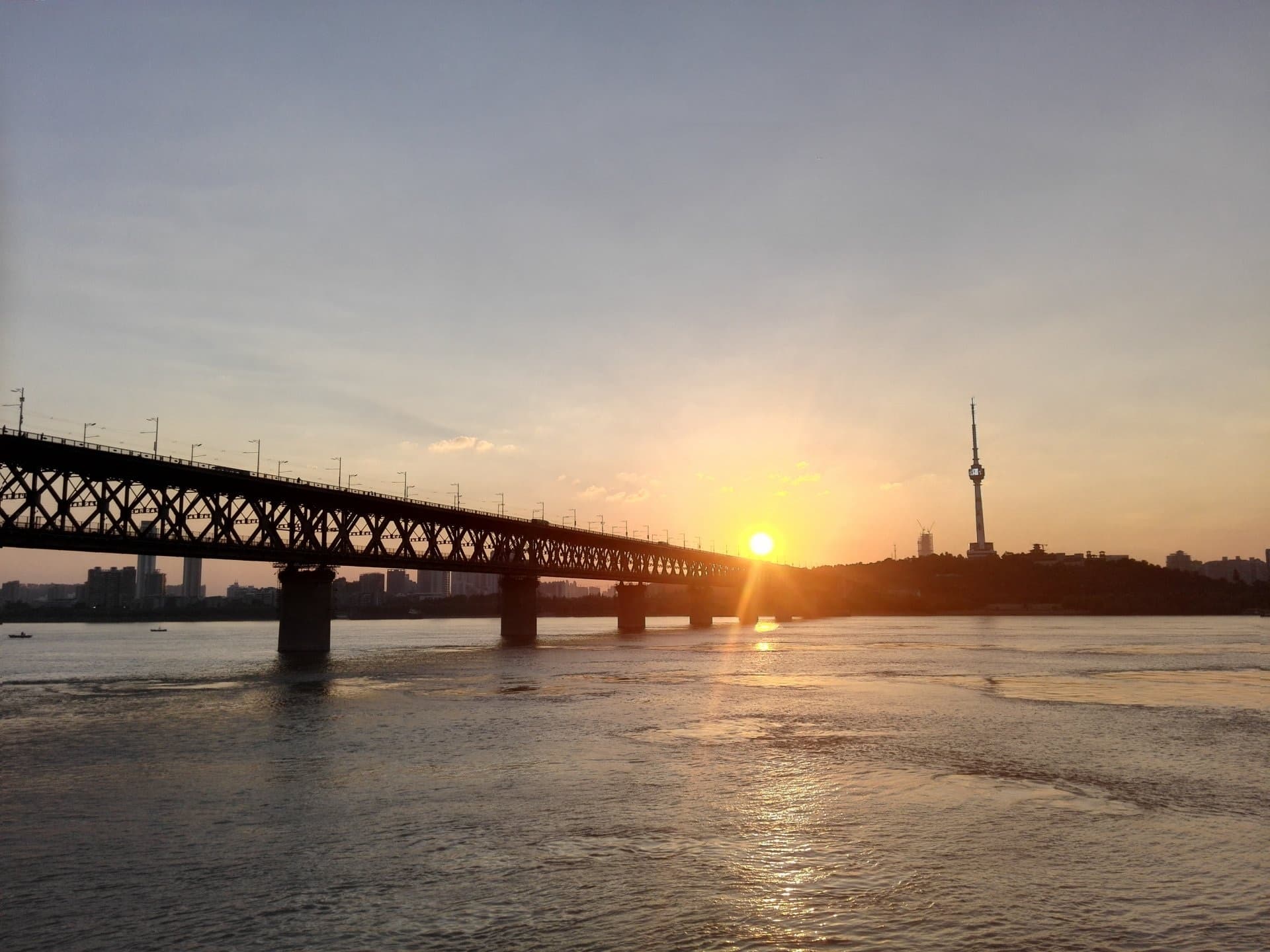 Wuhan Yangtze River BridgeThe first bridge across the Yangtze in Chinese history, opened in 1957 after pla18 minutes walk
About CNY 70, with daytime entry from 8:30 to 17:20, per visitor guides.