
Red Building
From 1910.
Windmemories — CC BY-SA 4.0 · Windmemories — CC BY-SA 4.0 · Huanokinhejo — CC BY-SA 4.0 · Windmemories — CC BY-SA 4.0 · User:Vmenkov — CC BY-SA 3.0 · ScareCriterion12 — CC BY-SA 4.0 · Doraemon.tvb — CC BY-SA 3.0 · User:Vmenkov — CC BY-SA 3.0
The building where the Chinese republic was born, a red two-storey Western-style building at the south foot of Snake Hill, built in 1909–10 to house the Hubei provincial consultative assembly in the last years of the Qing dynasty. After the Wuchang Uprising of 10 October 1911, revolutionaries and soldiers gathered here the next day and proclaimed the Hubei Military Government; the revolution spread across China's provinces until imperial rule, more than two thousand years old, fell and the Republic of China was founded. The building is now a national first-class museum showing its original halls and offices and the story of those days; before it lies a wide square centred on a bronze statue of Sun Yat-sen cast in 1931, with a modern museum of the 1911 Revolution at its southern end. Entry is free with a booking; it opens Tuesday to Sunday from 9:00 to 17:00 and closes on Mondays, per visitor guides. It is a few minutes from the Yellow Crane Tower.
From 1910.
And offices.
Sun Yat-sen statue.
1 Wuluo Road, south foot of Snake Hill, Wuchang District, Wuhan
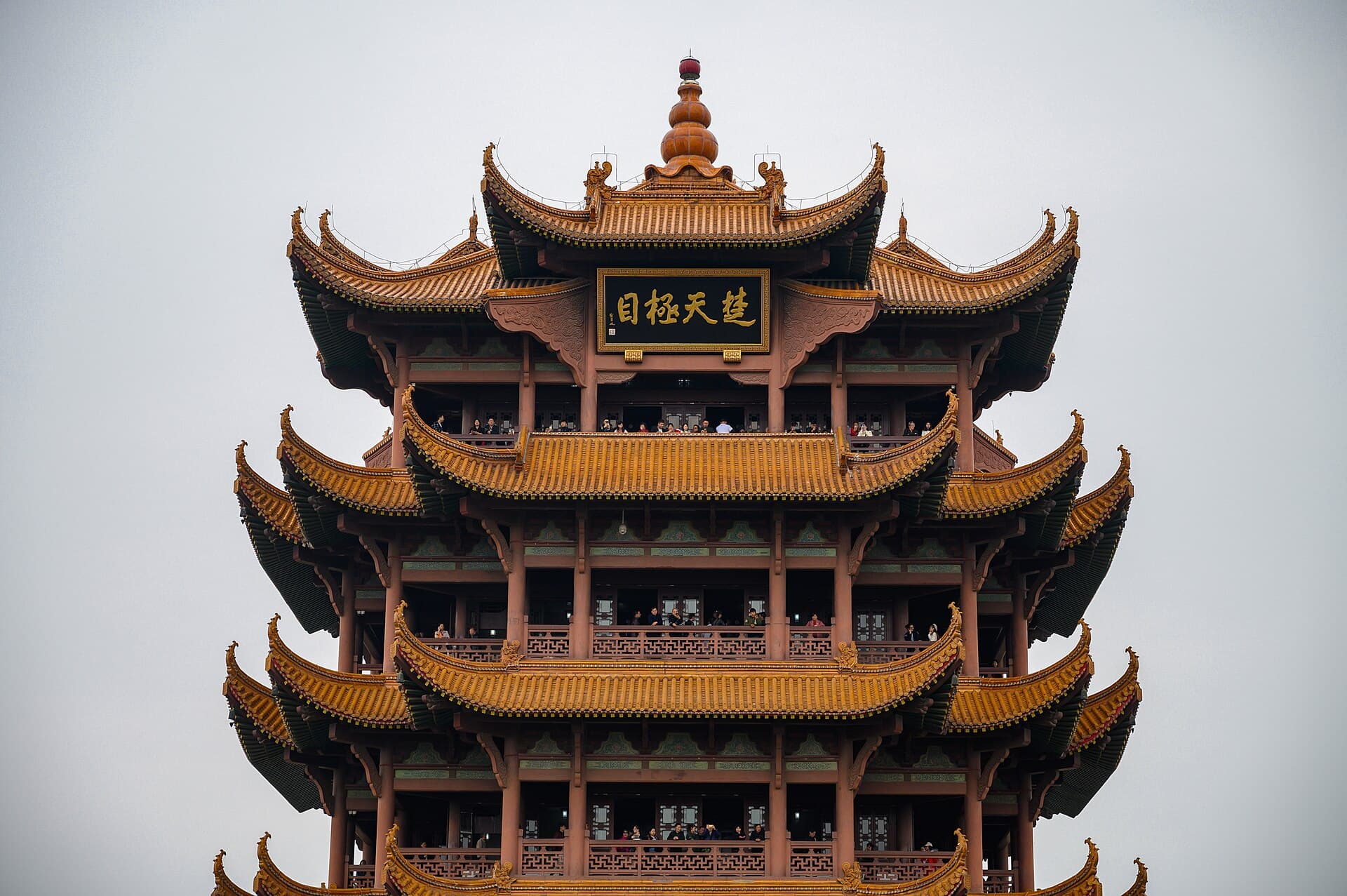 Yellow Crane TowerWuhan's best-known symbol and one of the most famous towers in Chinese history, 6 minutes walk
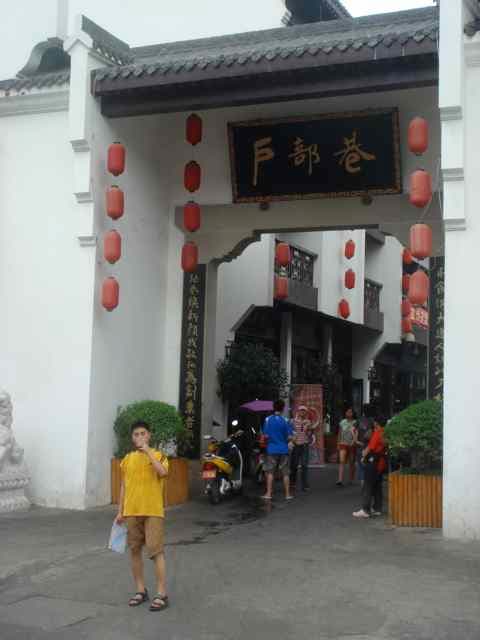 Hubu AlleyWuhan's best-known food alley, an old lane of the Ming and Qing eras 150 metres 12 minutes walk
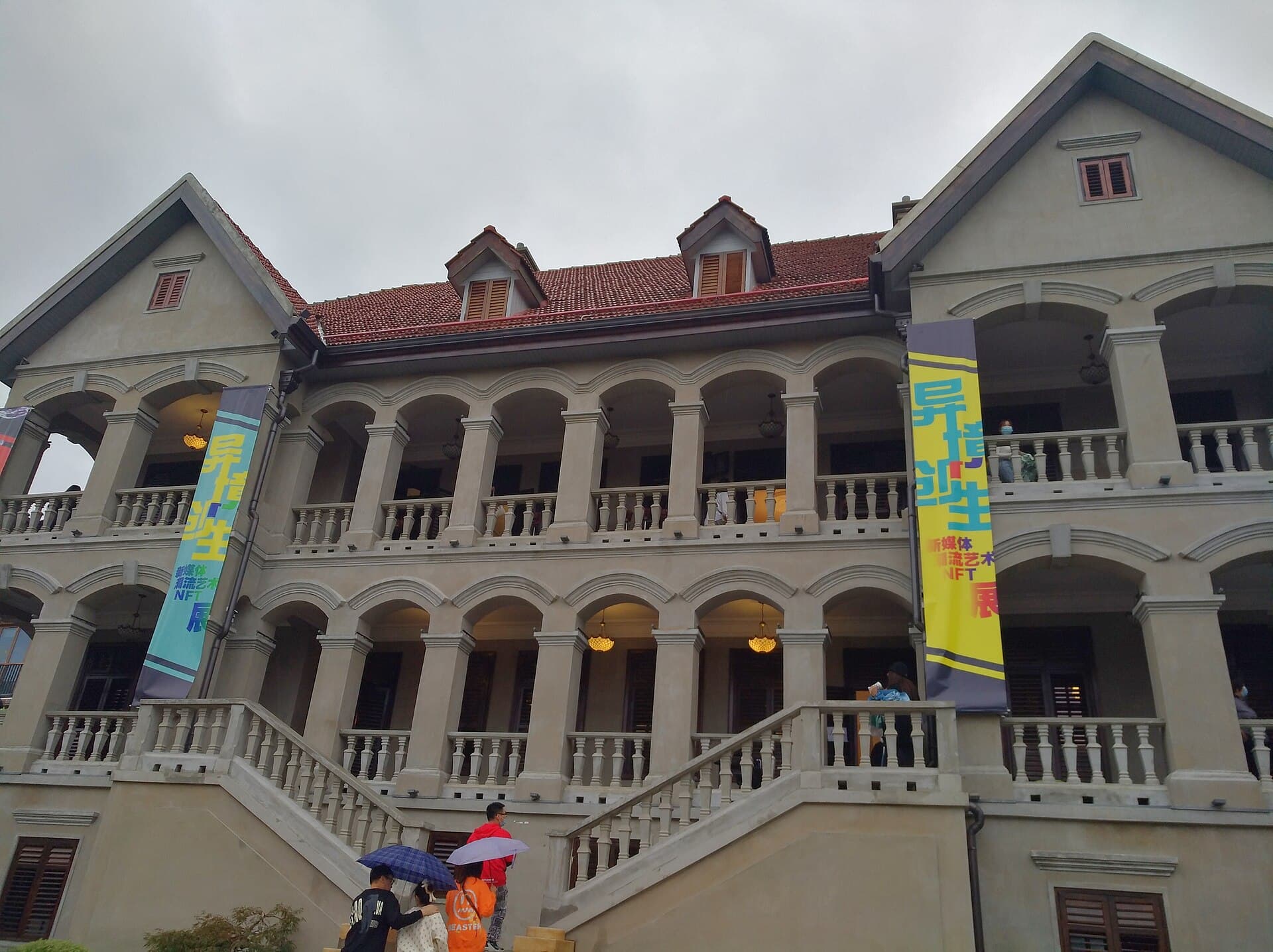 Tanhualin Historic StreetA quiet historic street in the north of old Wuchang that took shape after the ci15 minutes walk
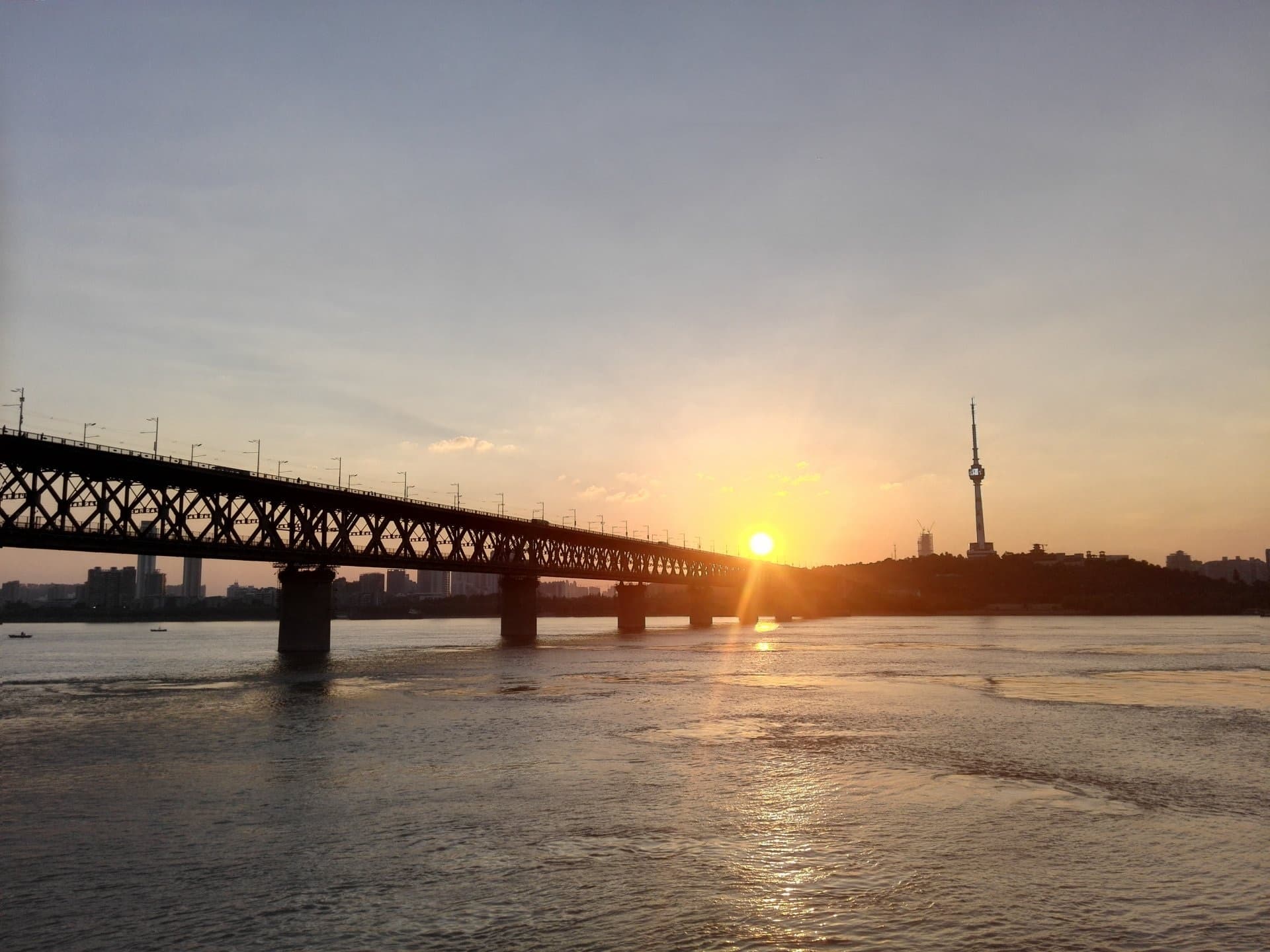 Wuhan Yangtze River BridgeThe first bridge across the Yangtze in Chinese history, opened in 1957 after pla23 minutes walk
The Hubei Military Government was proclaimed here after the Wuchang Uprising of October 1911, which ended imperial rule and founded the Republic of China; entry is free with a booking.