
Hot dry noodles
With sesame paste.
Howchou — CC BY-SA 3.0 · Howchou — CC BY-SA 3.0 · Howchou — CC BY-SA 3.0 · Howchou — CC BY-SA 3.0 · Howchou — CC BY-SA 3.0 · Howchou — CC BY-SA 3.0 · Howchou — CC BY-SA 3.0 · fllee — CC BY-SA 3.0
Wuhan's best-known food alley, an old lane of the Ming and Qing eras 150 metres long and 4 metres wide near the Yellow Crane Tower and the river wharves; locals call it «the first alley of Wuhan-style breakfast». Wuhan has a custom it calls guozao, eating breakfast out, and the local saying goes «breakfast in Hubu Alley, dinner on Jiqing Street»; the alley has been known for its stalls for centuries thanks to its closeness to the river ports and the crowds of travellers and traders. It was restored in 2002 in the old style and is now lined with snack shops, the most famous dishes being hot dry noodles with sesame paste, fried rice-flour rings, doupi with sticky rice and soup dumplings. The alley is free and busy from morning till night, per visitor guides. Many dishes here contain pork, doupi usually included, so ask before ordering; noodle shops run by Hui Muslims around the city are the easiest halal option.
With sesame paste.
Breakfast out.
Near the tower.
Wuchang District, near the Yellow Crane Tower, Wuhan
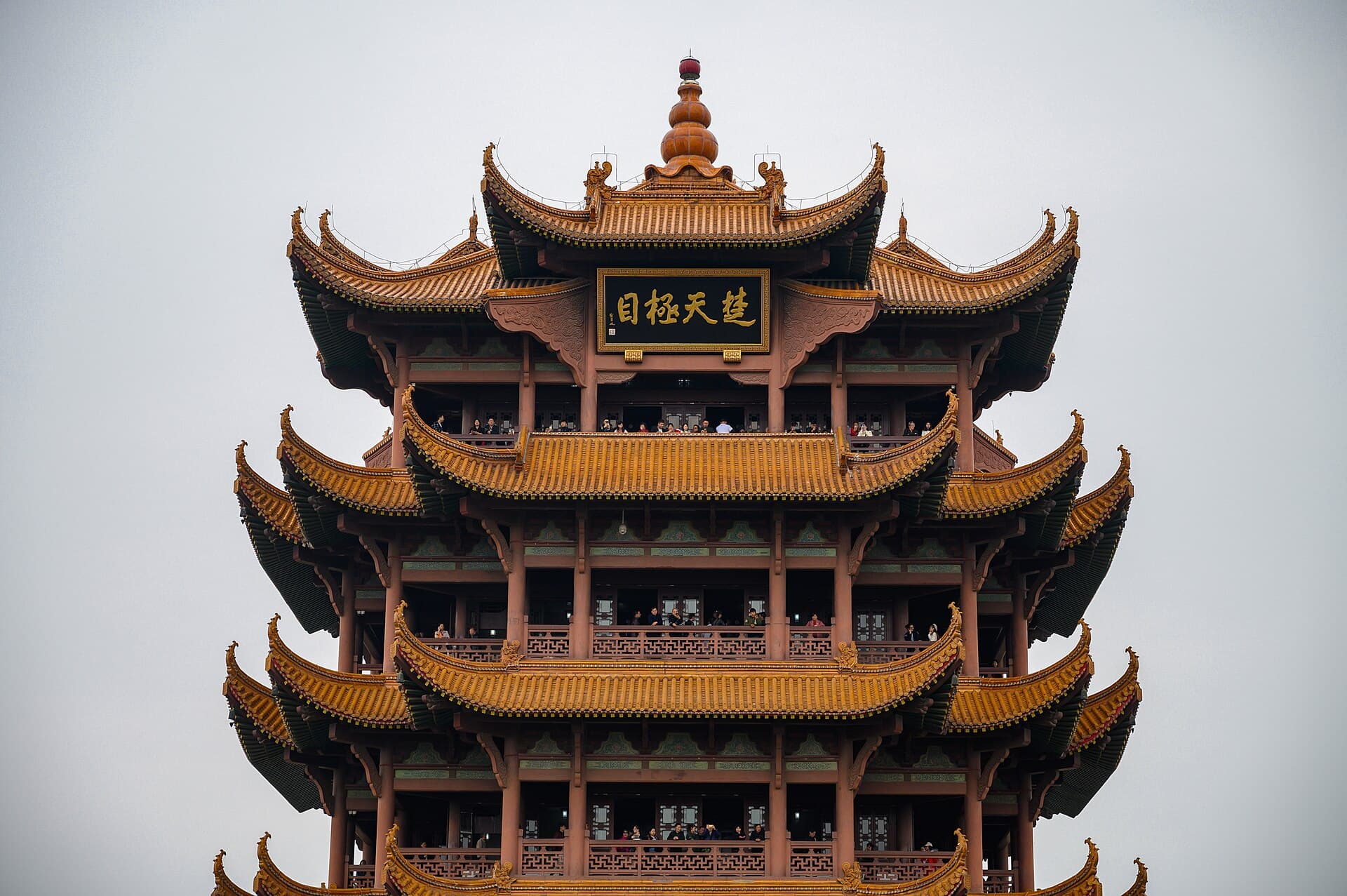 Yellow Crane TowerWuhan's best-known symbol and one of the most famous towers in Chinese history, 6 minutes walk
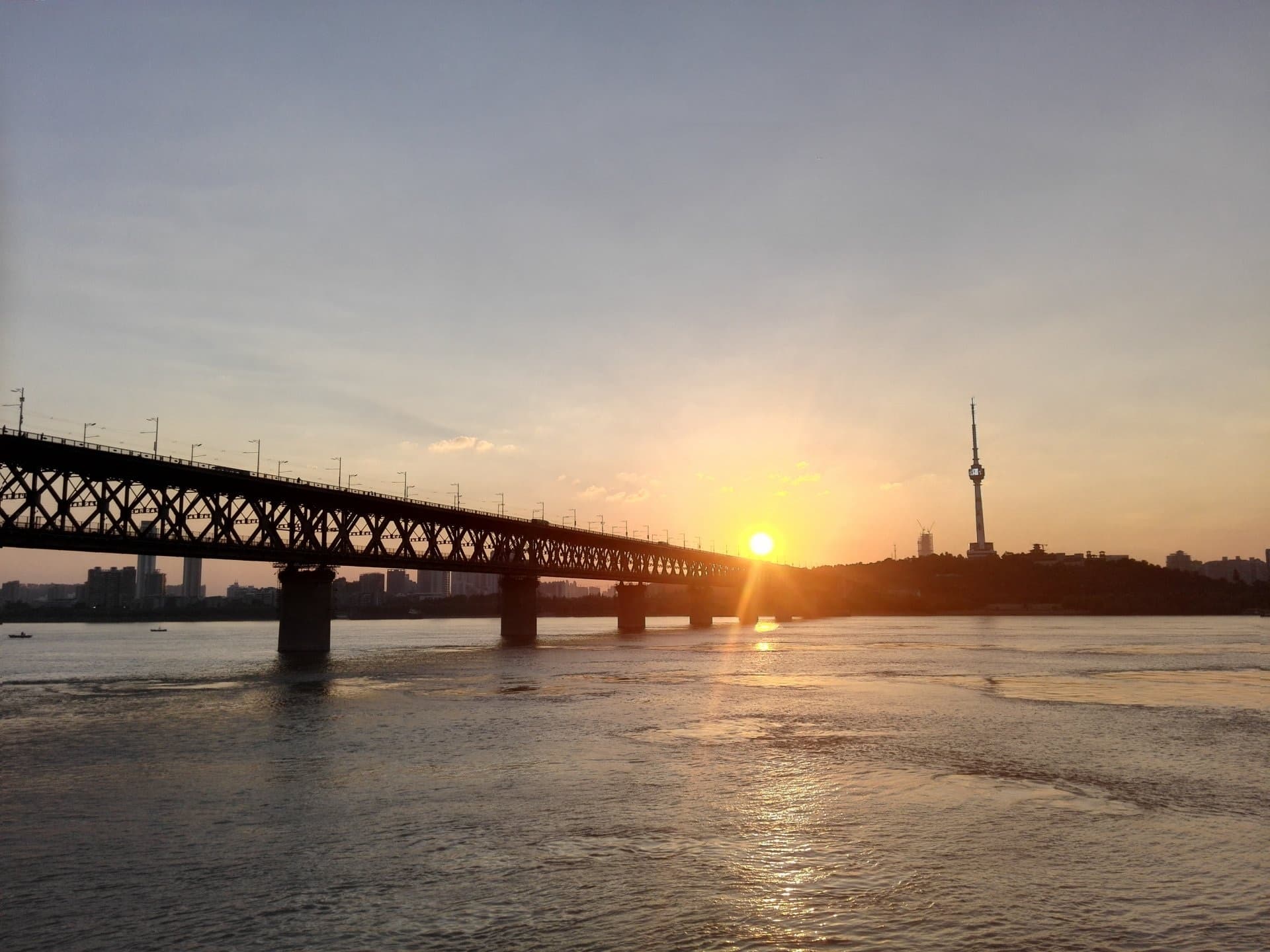 Wuhan Yangtze River BridgeThe first bridge across the Yangtze in Chinese history, opened in 1957 after pla11 minutes walk
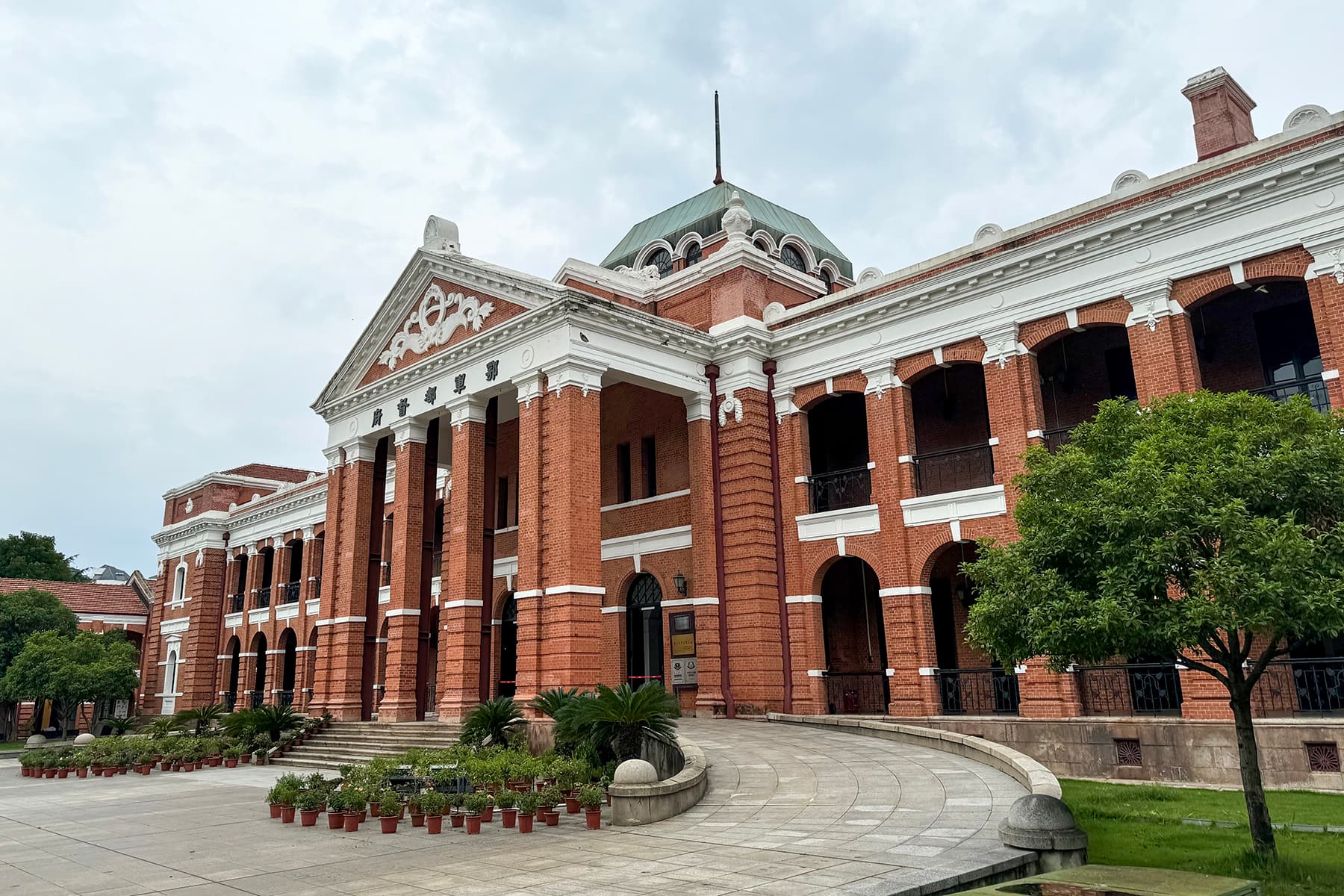 Red Building: Wuchang Uprising MemorialThe building where the Chinese republic was born, a red two-storey Western-style12 minutes walk
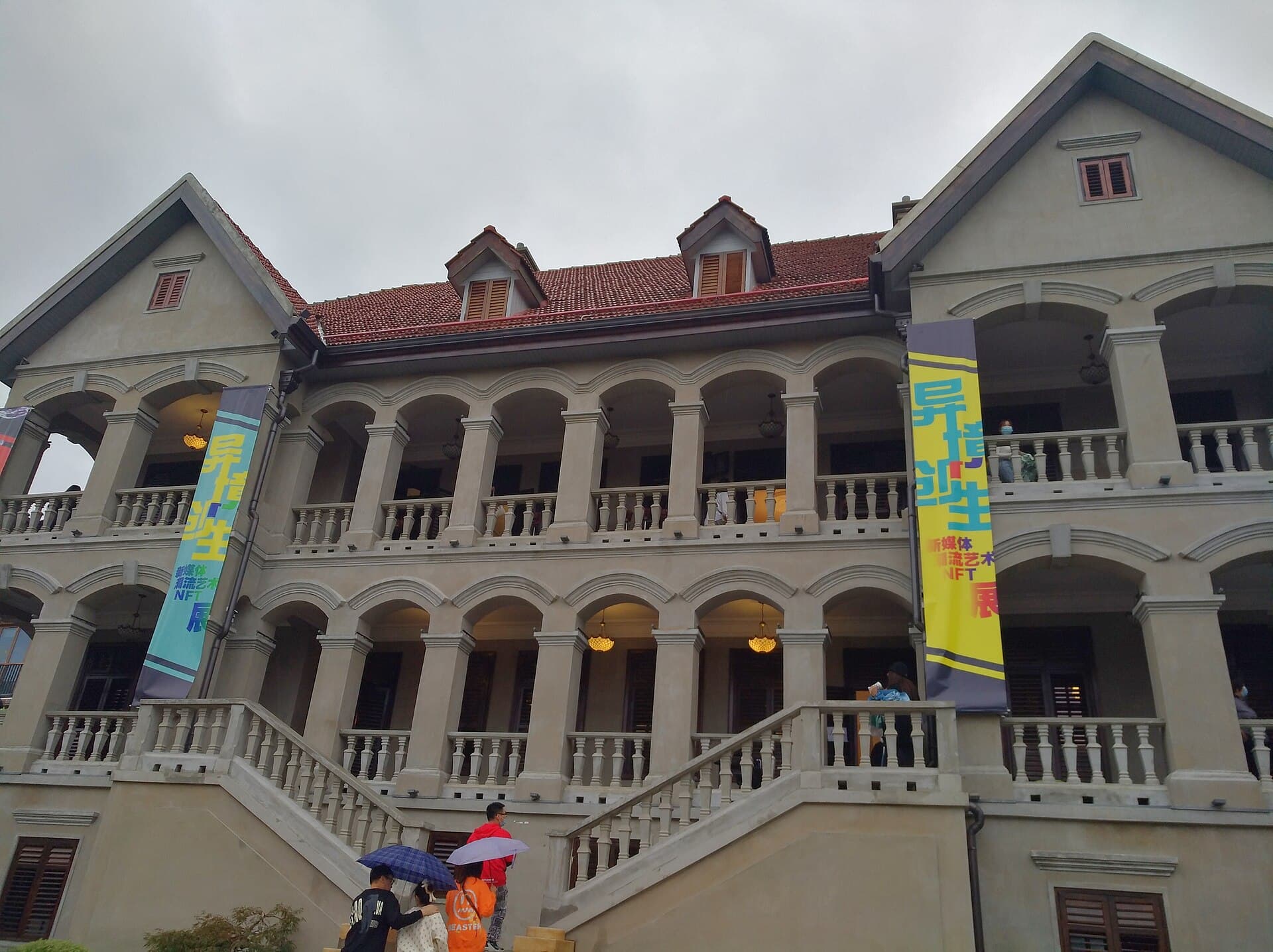 Tanhualin Historic StreetA quiet historic street in the north of old Wuchang that took shape after the ci13 minutes walk
Many dishes contain pork, doupi usually included, so ask before ordering; noodle shops run by Hui Muslims around the city are the easiest halal option, per visitor guides.