
Ceiling paintings
Homero Massena.
Paul R. Burley — CC BY-SA 4.0 · Rafael Deminicis — CC BY-SA 4.0 · Paul R. Burley — CC BY-SA 4.0 · Paul R. Burley — CC BY-SA 4.0 · Paul R. Burley — CC BY-SA 4.0
The Theatro Carlos Gomes stands on Praça Costa Pereira in central Vitória, capital of Espírito Santo. It opened on 5 January 1927, inspired by La Scala in Milan, and was designed by the Italian architect André Carloni in an eclectic style dominated by neoclassicism. It is named after Antônio Carlos Gomes, Brazil's best-known opera composer. The theatre was born of a fire: in 1923 the Melpômene, the city's only theatre, burned down and was demolished to open a street and widen the square, so the state government promised the city a new theatre. The cast-iron columns that survived from the old theatre were reused and still hold up its balconies and galleries today, while the ceiling paintings are by the artist Homero Massena. It went through hard times after the 1929 coffee crash, when it was leased out and also ran as a cinema, until the state took it back in 1970 and restored it extensively. You can see it from the square outside, and get in with tickets for shows according to the programme.
Homero Massena.
From the old theatre.
Downtown's heart.
Praça Costa Pereira, central Vitória
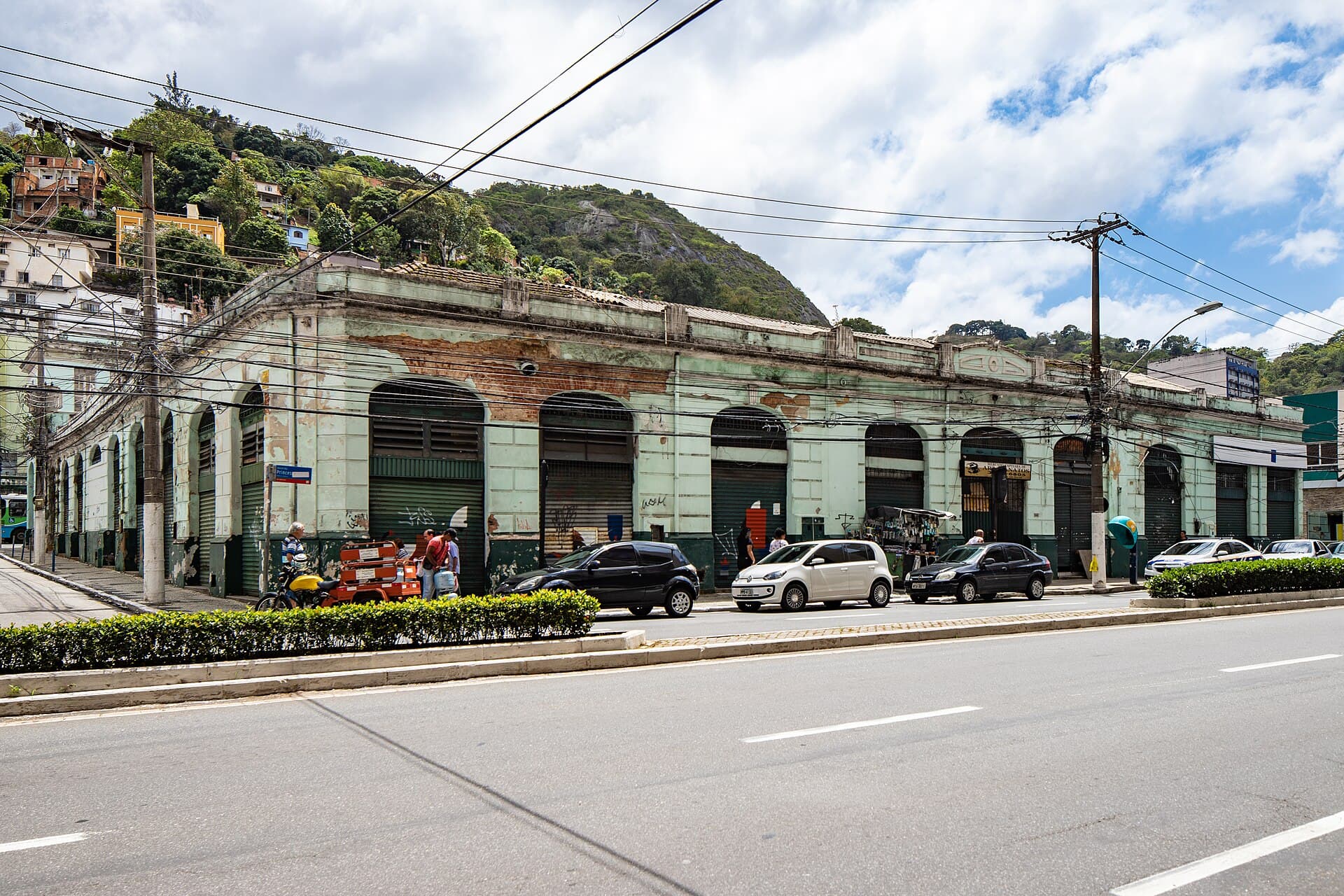 Mercado da CapixabaThe Capixaba Market is a historic building in central Vitória, capital of Espíri3 minutes walk4.4
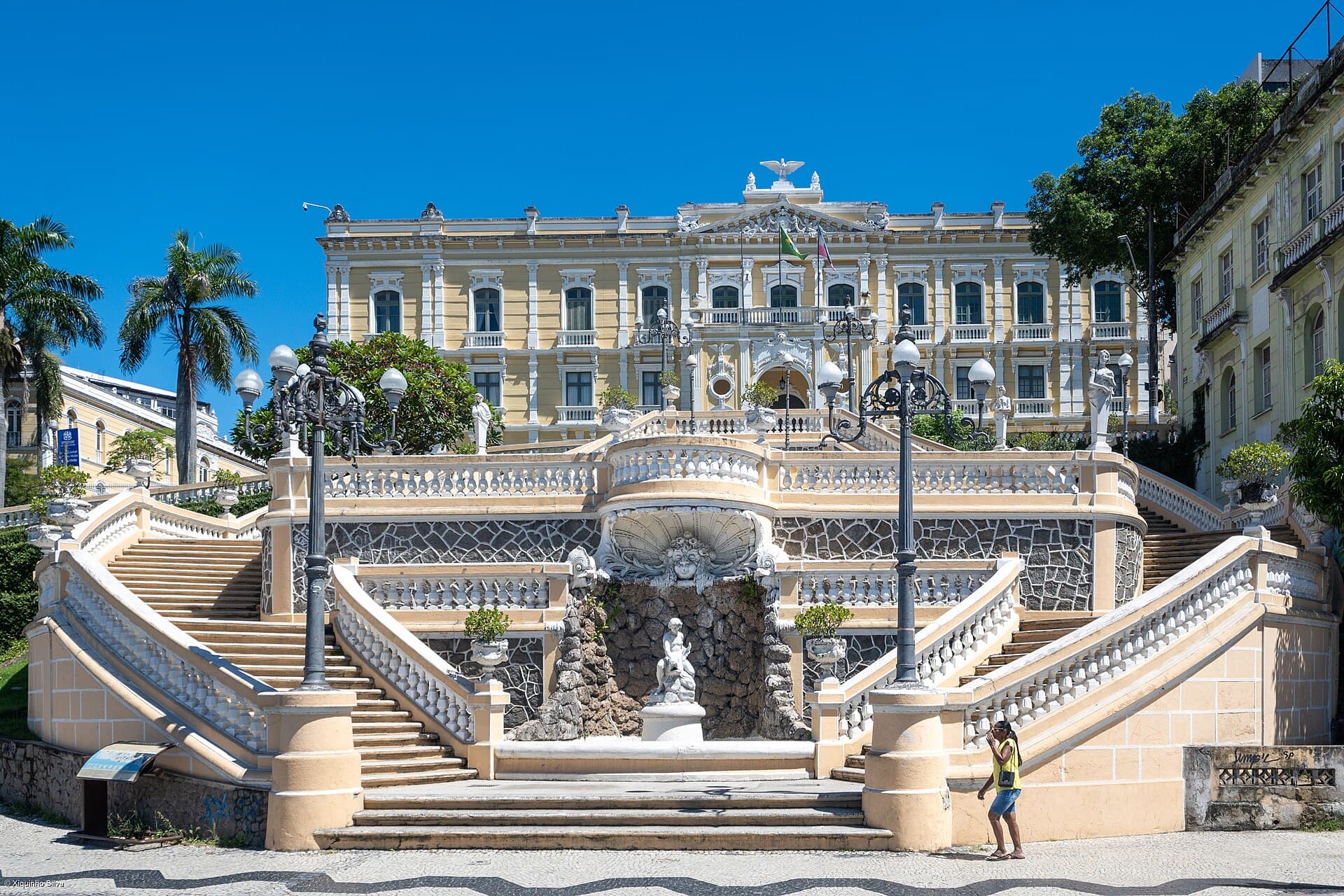 Anchieta PalaceAnchieta Palace is the seat of Espírito Santo's state executive, facing the Port6 minutes walk4.7
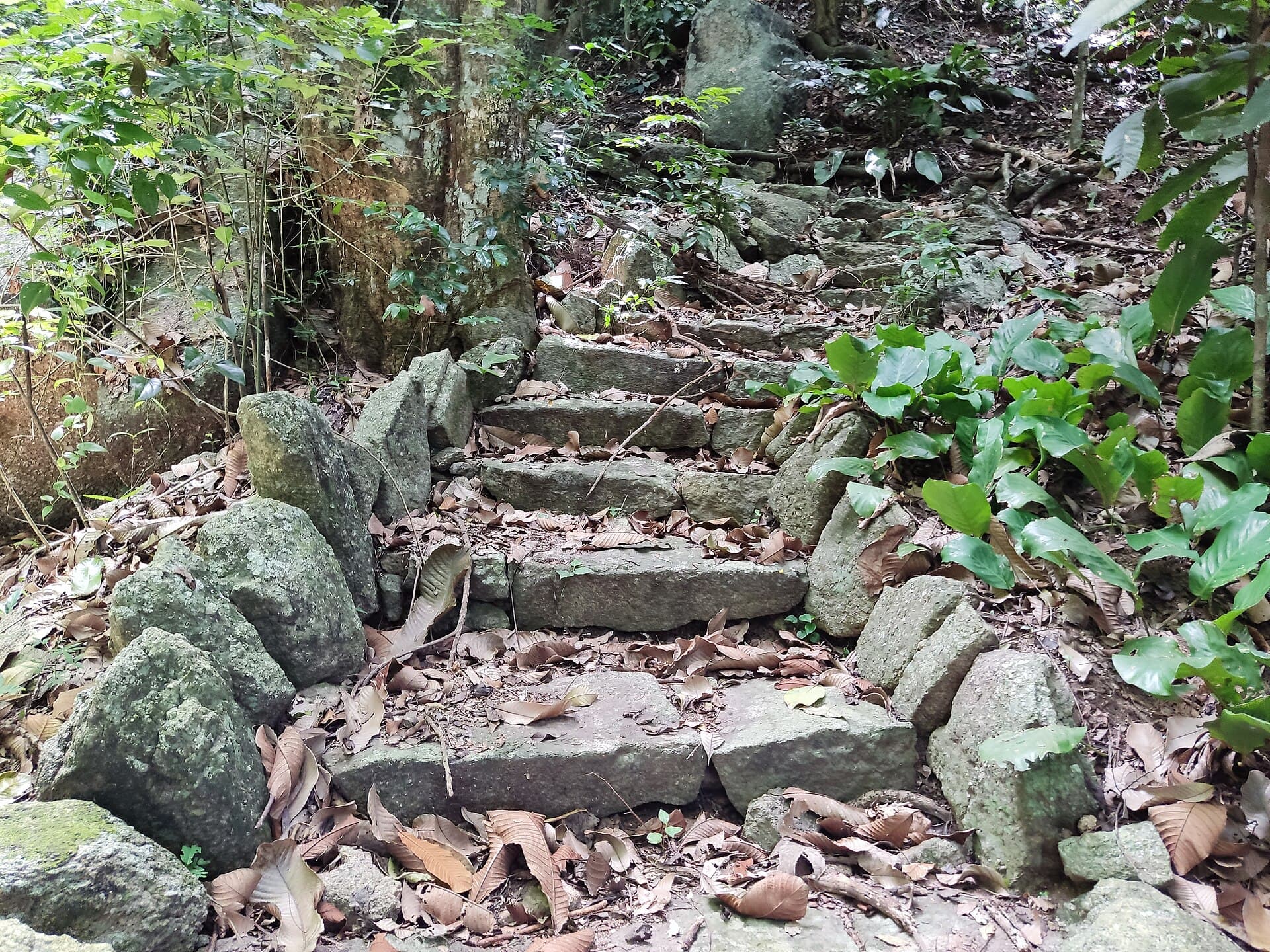 Parque Gruta da OnçaThe Gruta da Onça Park, the «Jaguar's Cave», is a municipal park in central Vitó8 minutes walk4.1
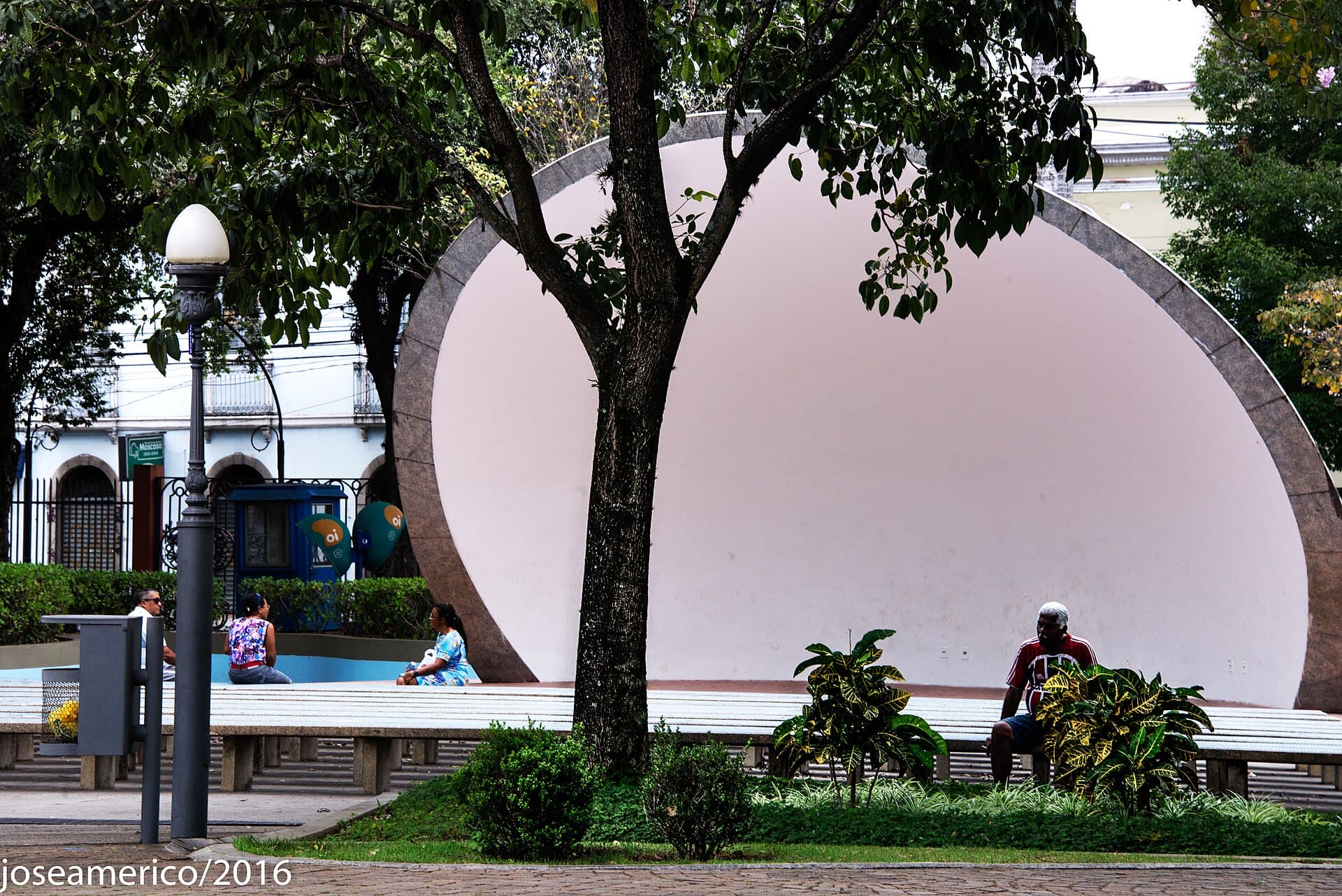 Parque Moscoso and its Concha AcústicaMoscoso Park is a historic park in central Vitória, opened in 1912, best known f10 minutes walk
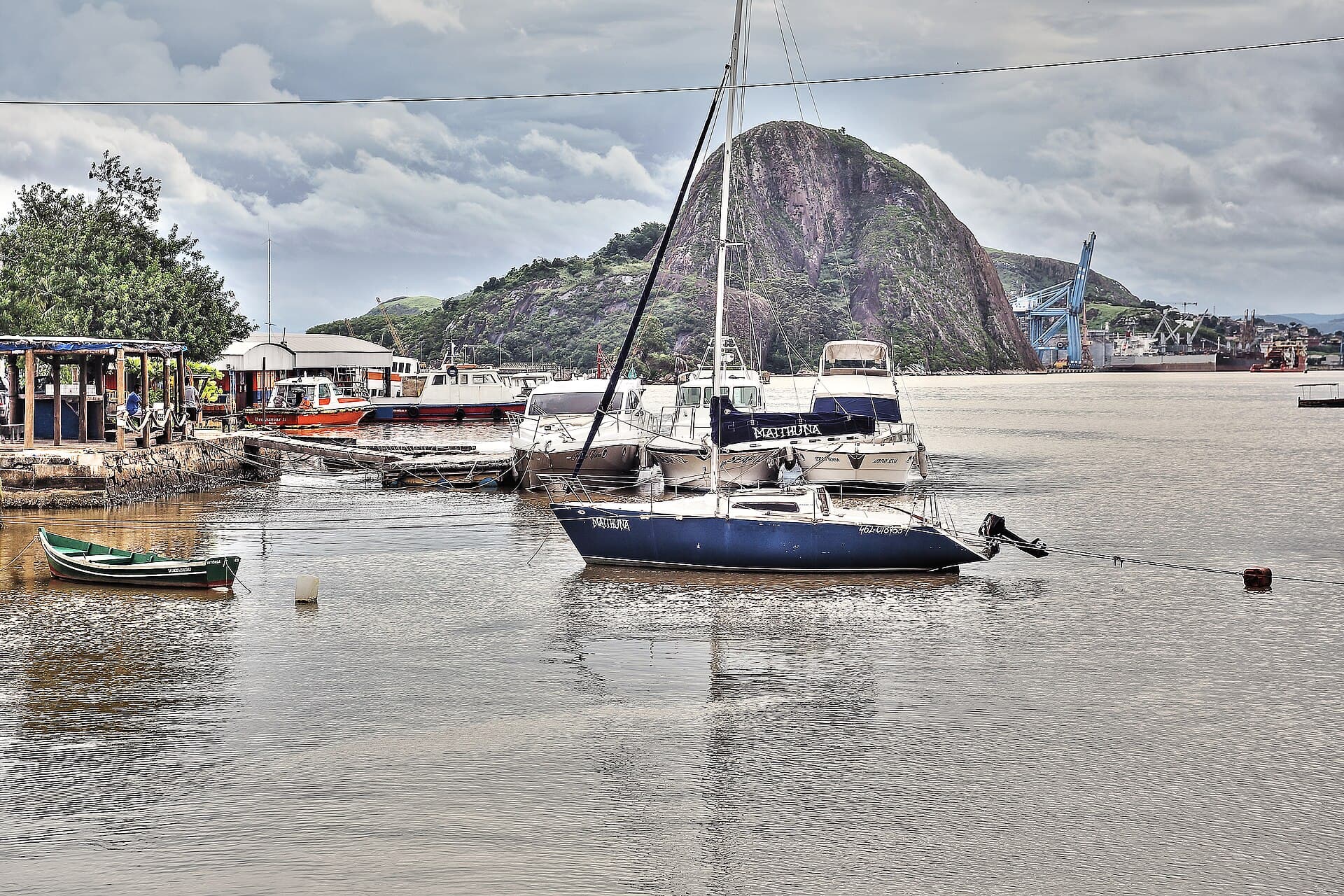 PenedoPenedo is a granite mass rising about 135 metres from the waters of Vitória Bay 16 minutes walk4.6
La Scala in Milan; it was designed by the Italian architect André Carloni.