
The private rooms
Heuss's library and desk kept close to how he left them.
Sbth — CC BY-SA 4.0 · Photo: Andreas Praefcke — Public domain · Photo: Andreas Praefcke — Public domain · Photo: Andreas Praefcke — Public domain
This was the house of Theodor Heuss, the first President of the Federal Republic of Germany, who lived here after leaving office in 1959 until his death here in 1963. It is now a museum and the seat of a foundation bearing his name, standing on the slope of Feuerbacher Weg above the city. There are three permanent exhibitions. The first is about the office of head of state and how Heuss shaped it out of nothing after 1949, when the post had no precedent in a brand-new republic. The second covers the private rooms, kept close to how he used them, with his library and his desk. The third treats democracy as a way of life and deals with Heuss together with his wife Elly Heuss-Knapp, a politician in her own right who founded the mothers' convalescence charity. Heuss was among the few who voted for the Enabling Act in 1933 and later wrote about that, and the museum neither hides the fact nor evades it. Tickets are two euros for adults and entry is free for anyone under eighteen, and the museum opens Tuesday to Sunday from ten in the morning to six in the evening, closing on Mondays. An hour to an hour and a half is enough. You reach it on an uphill walk from the centre or a short bus ride. The material is largely German with some English. The garden and the view over the city are part of the visit rather than an extra.
Heuss's library and desk kept close to how he left them.
A whole section on his wife, a politician in her own right.
Feuerbacher Weg 46, 70192 Stuttgart
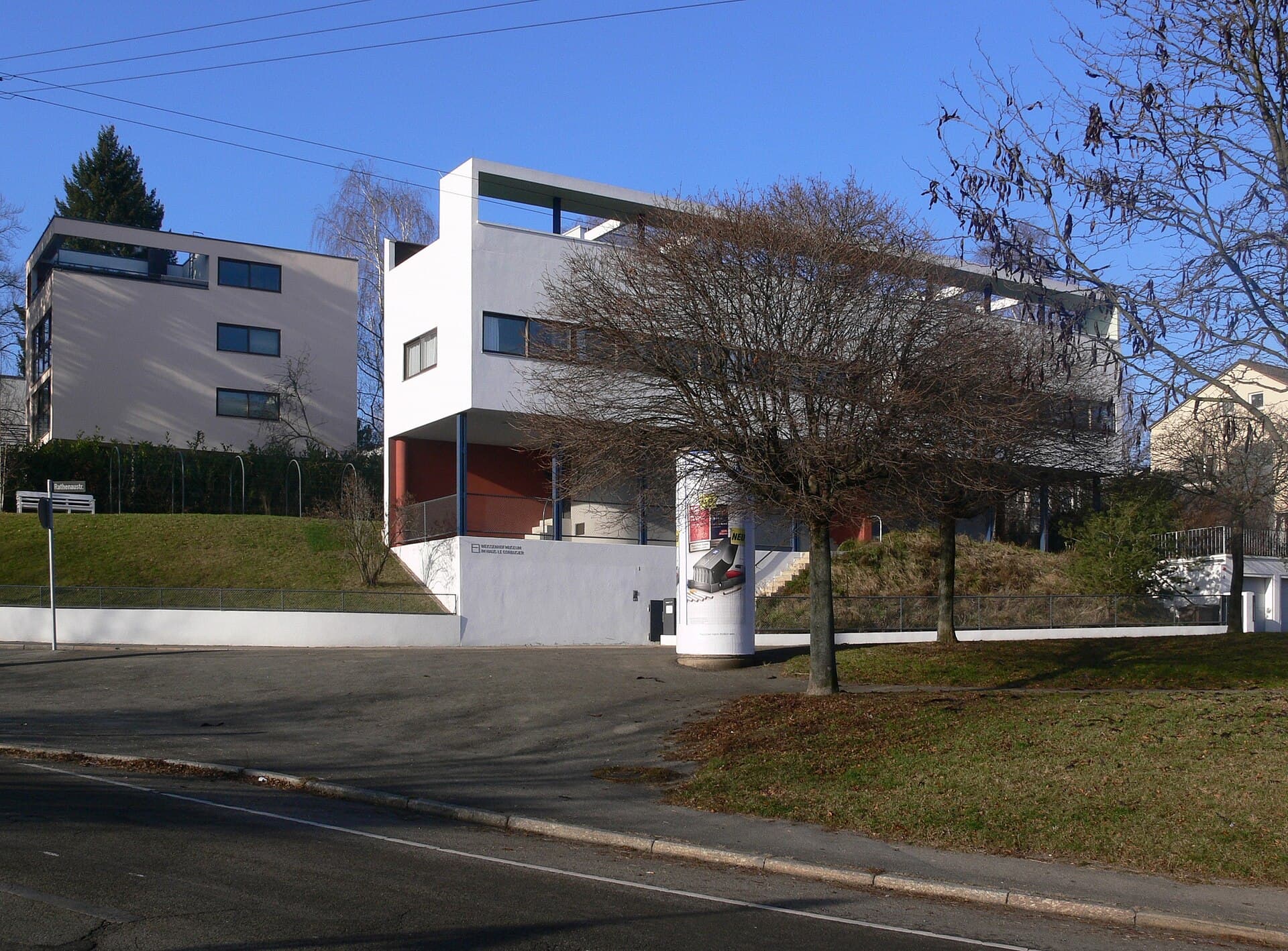 Weissenhof MuseumThe Weissenhof Museum is housed in a building designed by the Franco-Swiss archi12 minutes walk4.7
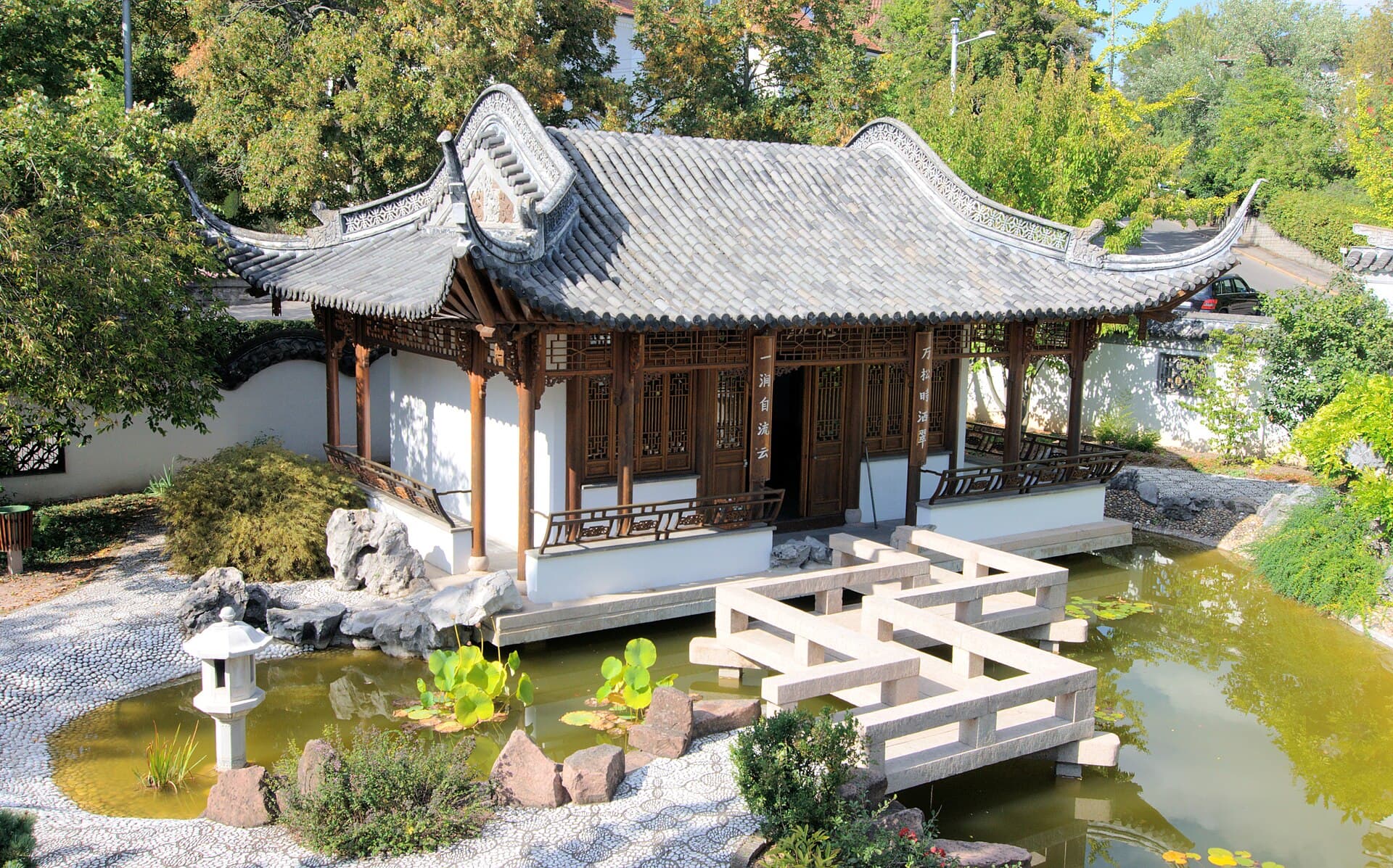 Chinese Garden StuttgartA small Chinese garden on a terrace of the slope between central Stuttgart and t12 minutes walk4.1
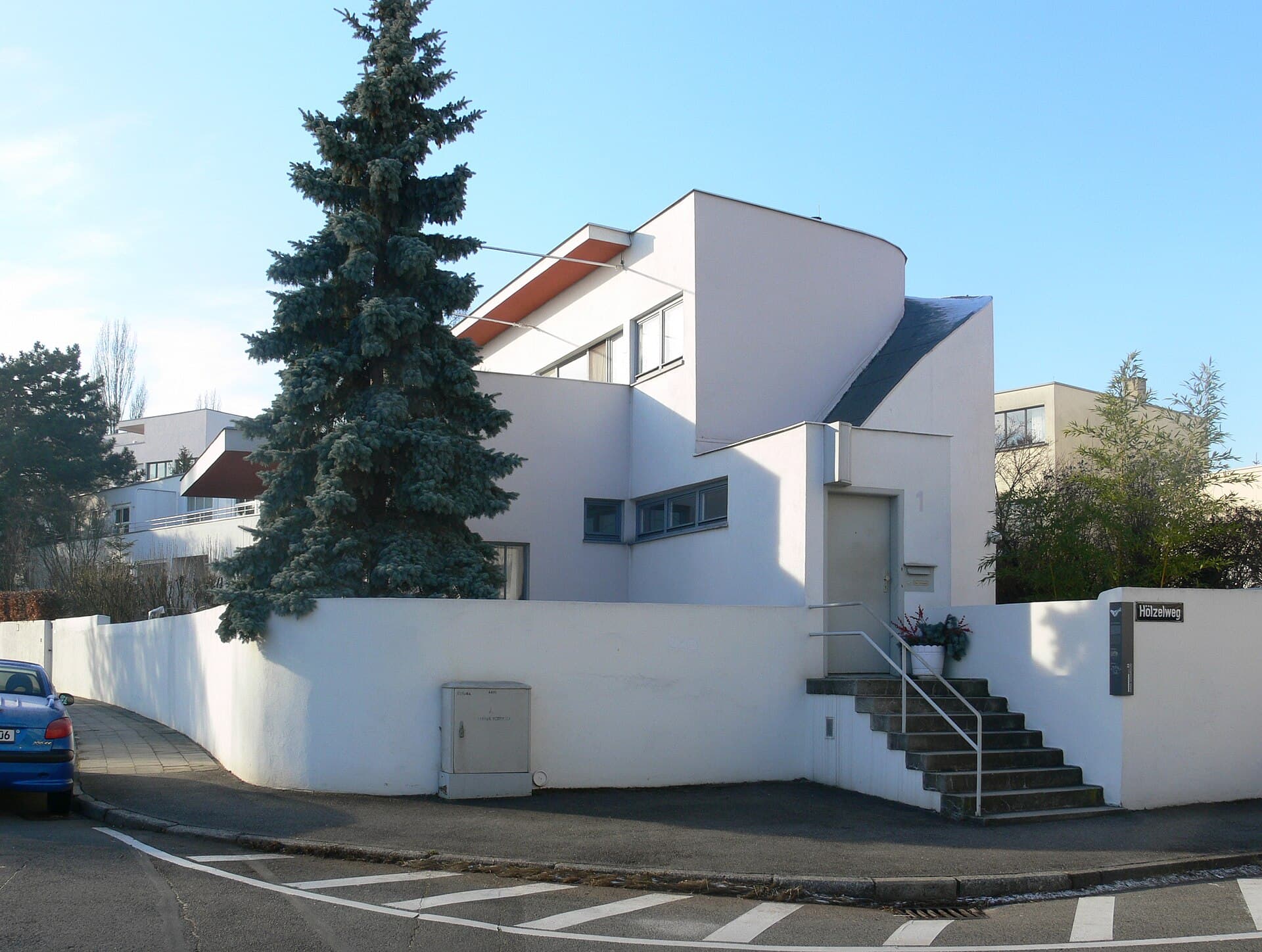 The Weissenhof EstateThe Weissenhof is not a single building but a complete architectural experiment 13 minutes walk4.4
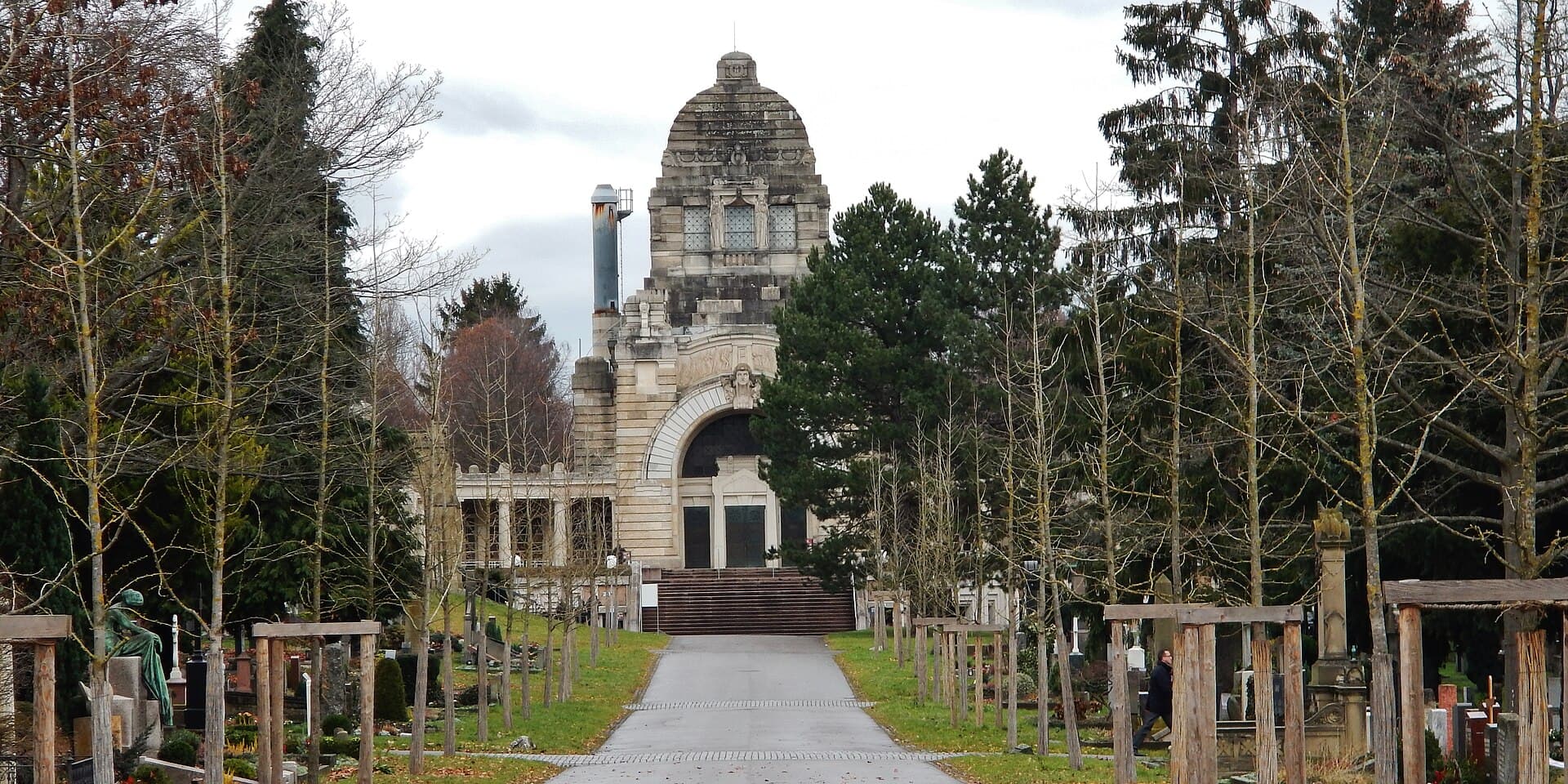 PragfriedhofOpened in 1873 on the Prag hill north of central Stuttgart, this is the city's t16 minutes walk4.5
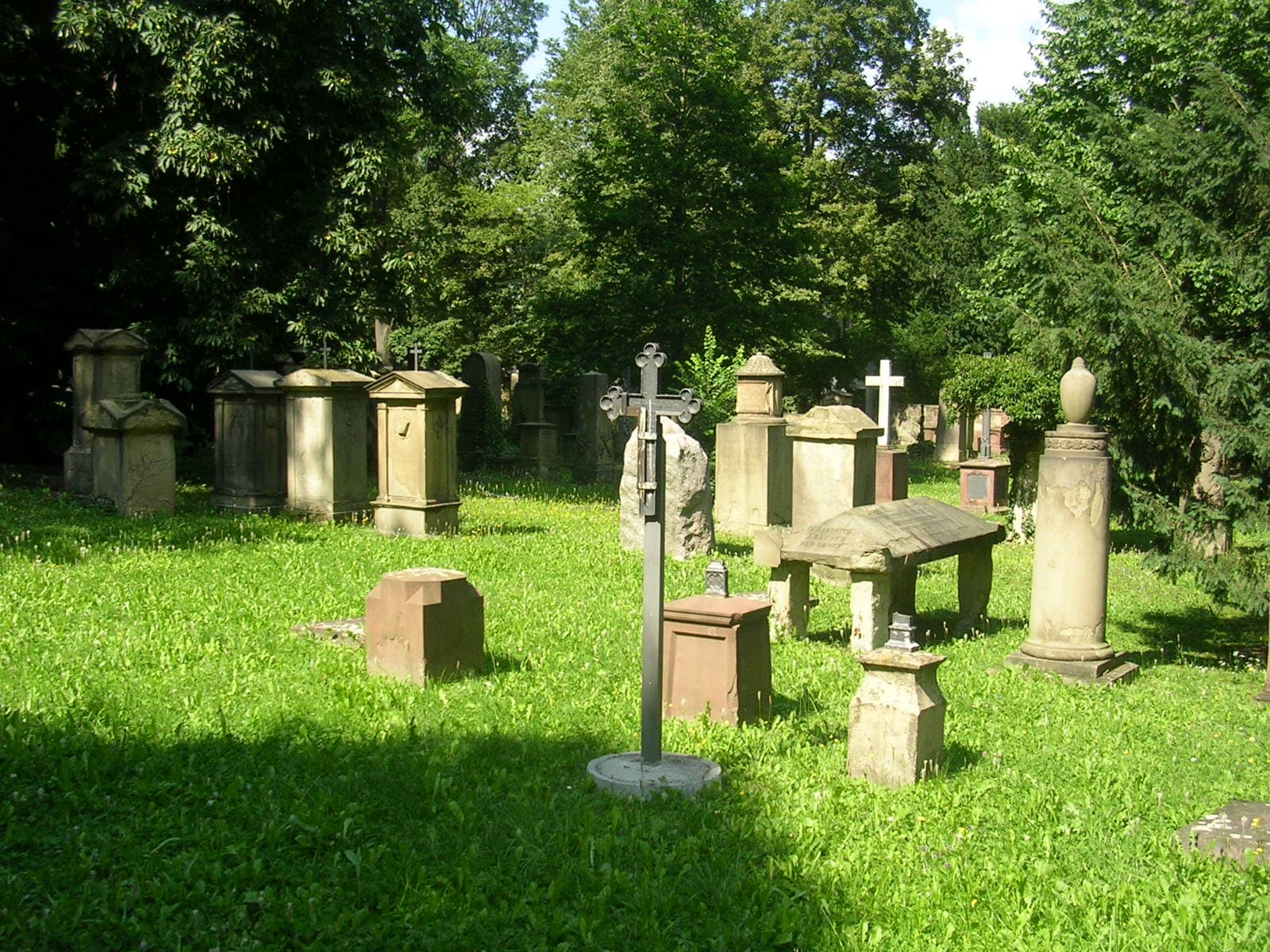 Hoppenlau CemeteryThis is the oldest surviving cemetery in Stuttgart, laid out in 1626 outside the17 minutes walk4.6
A liberal journalist and politician who became the first President of West Germany in 1949 and held the post for ten years, defining it as a moral rather than a governing authority. He was a Swabian from this region, retired to this Stuttgart house, and died here in 1963.