
Defence in depth
A logic that traps an attacker rather than blocking him.
GilPe — CC BY-SA 3.0 · GilPe — CC BY-SA 3.0 · GilPe — CC BY-SA 3.0 · Zinneke — CC BY-SA 3.0
The Three Towers gate is the oldest surviving element of Luxembourg's defences: three stone towers in a line, built in the fourteenth century as part of the city's third wall, left standing while everything around them was pulled down. The design explains the logic of medieval warfare: the gate is not one opening but three successive gates separated by two enclosed courtyards. An attacker who breaks the first finds himself trapped in a narrow space under fire from every side before reaching the second. Defence in depth rather than by a single wall. The towers stand today in open ground near the Kirchberg approach and the municipal gardens, their surroundings laid out as a small park. They are not usually entered, but they can be seen and photographed from every side free of charge. A short visit that folds into the walk between the old town and the Kirchberg plateau.
A logic that traps an attacker rather than blocking him.
14th-century work that survived the 1867 demolition.
Rue de la Porte Neuve, 1229 Luxembourg
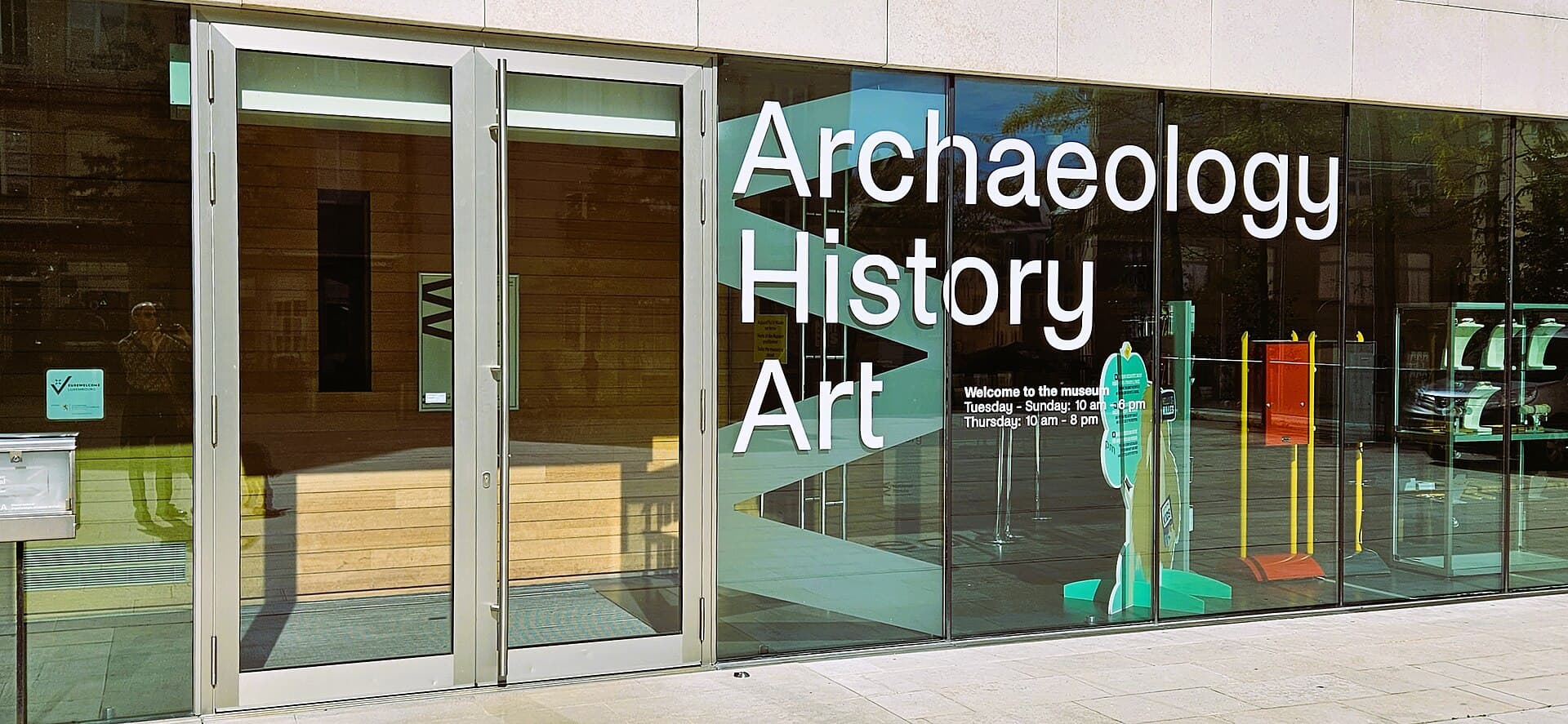 The National Museum of History and ArtThe National Museum of History and Art is Luxembourg's largest and most comprehe1 minute walk4.5
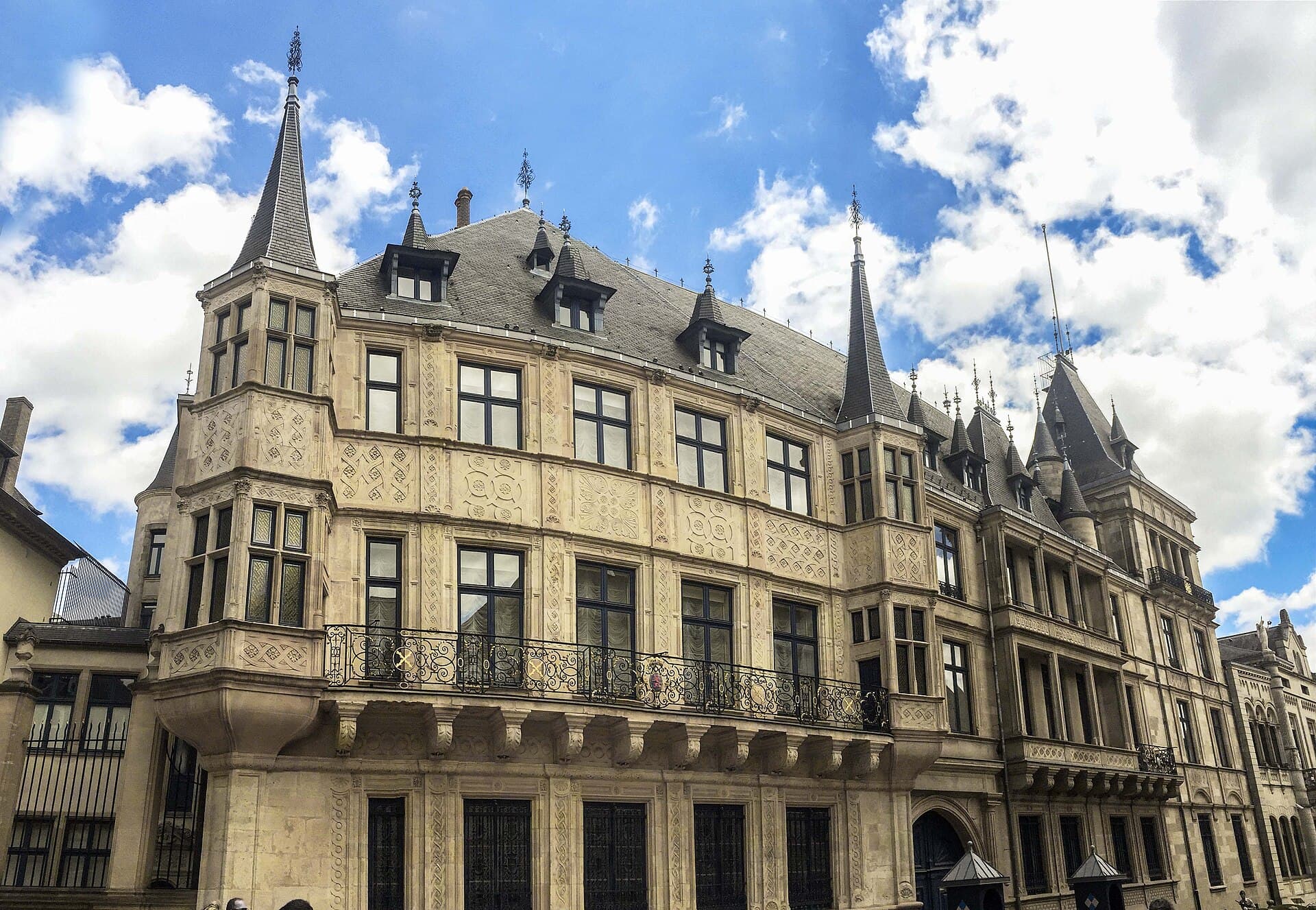 The Grand Ducal PalaceThe Grand Ducal Palace is the working residence of the Grand Duke, Luxembourg's 2 minutes walk4.5
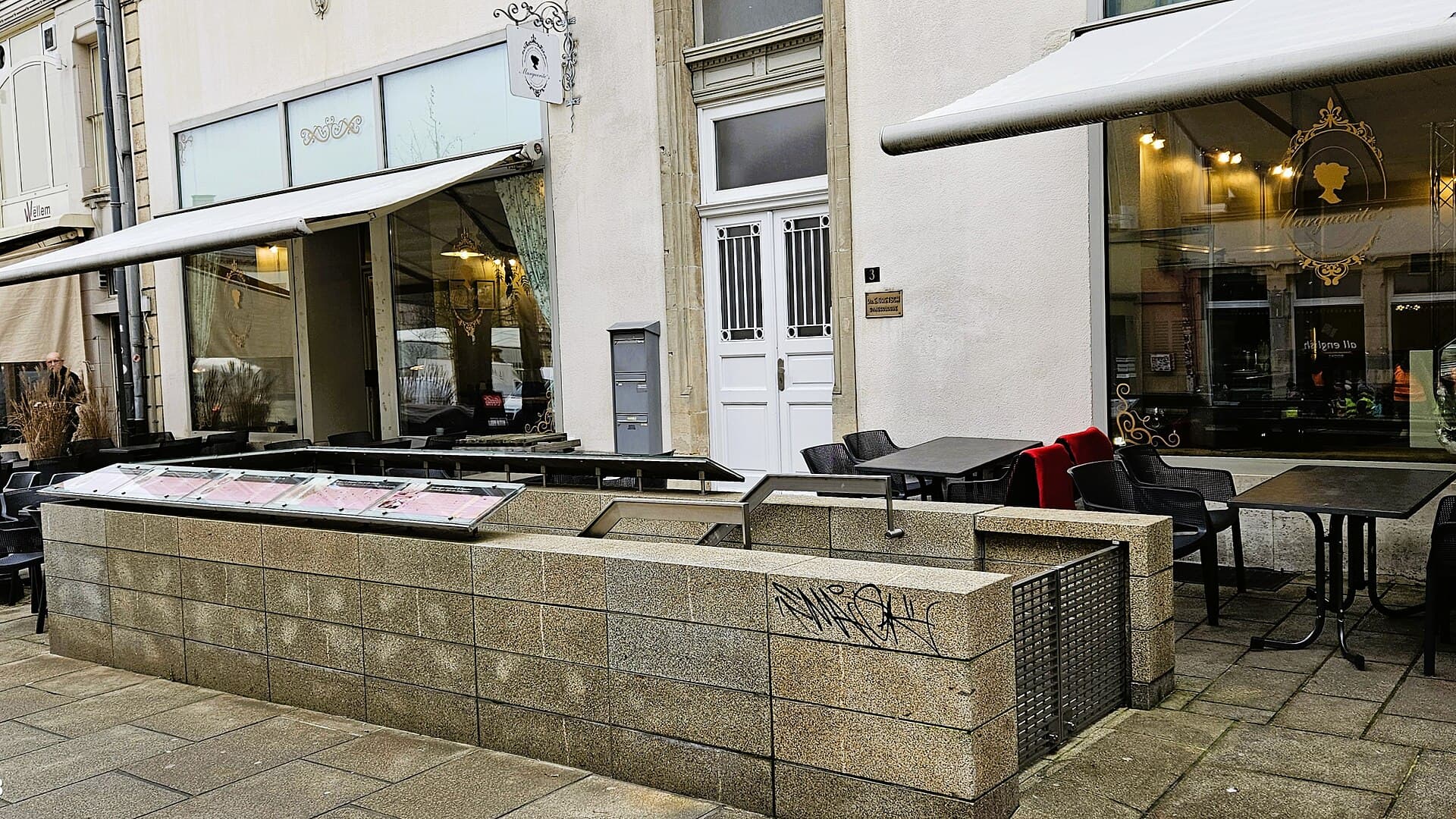 The Archaeological CryptAn underground archaeological chamber at the Bock promontory, showing the remain3 minutes walk4.4
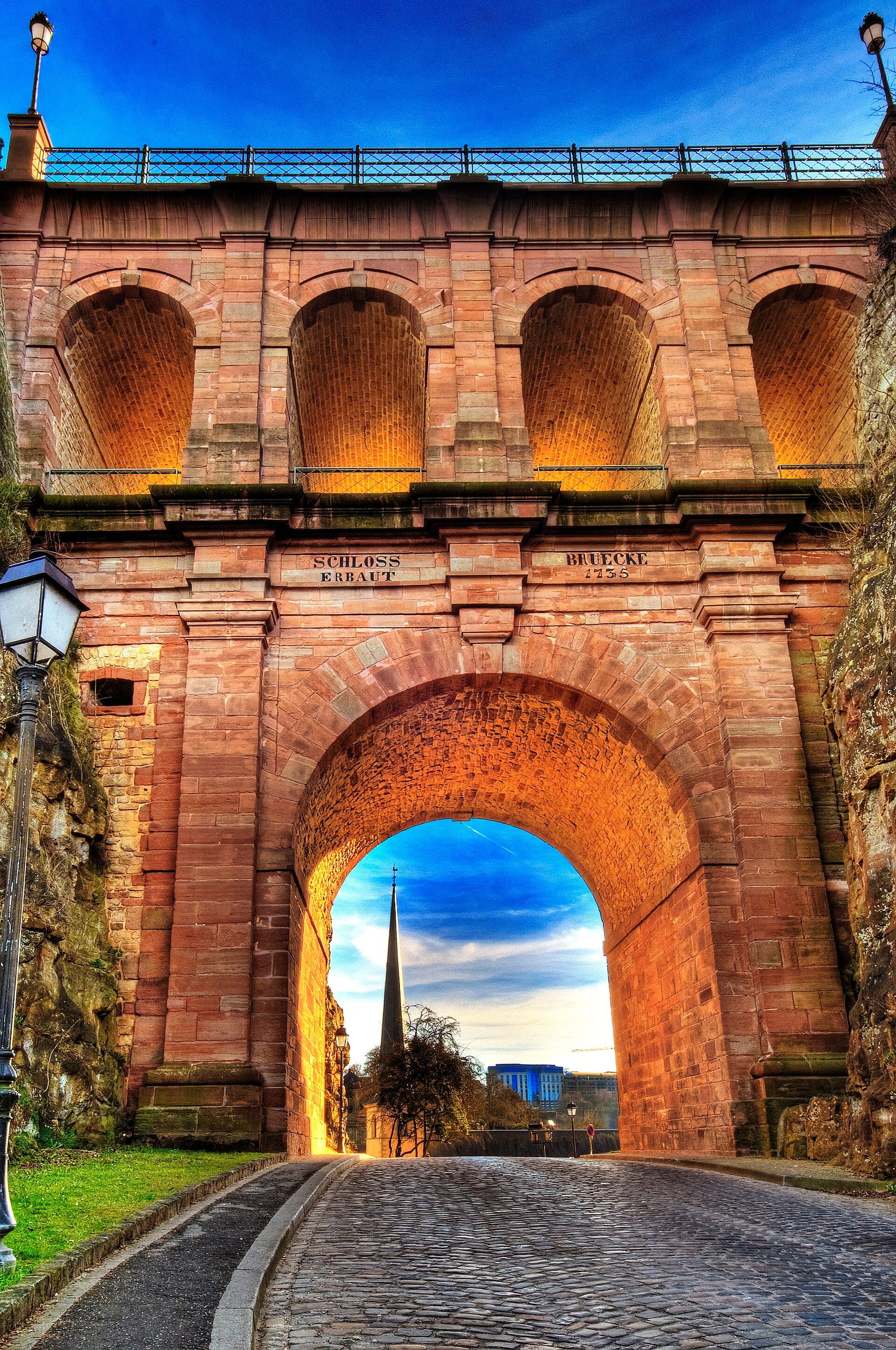 The Castle BridgeA short stone bridge linking the upper town to the Bock promontory, and the only3 minutes walk4.6
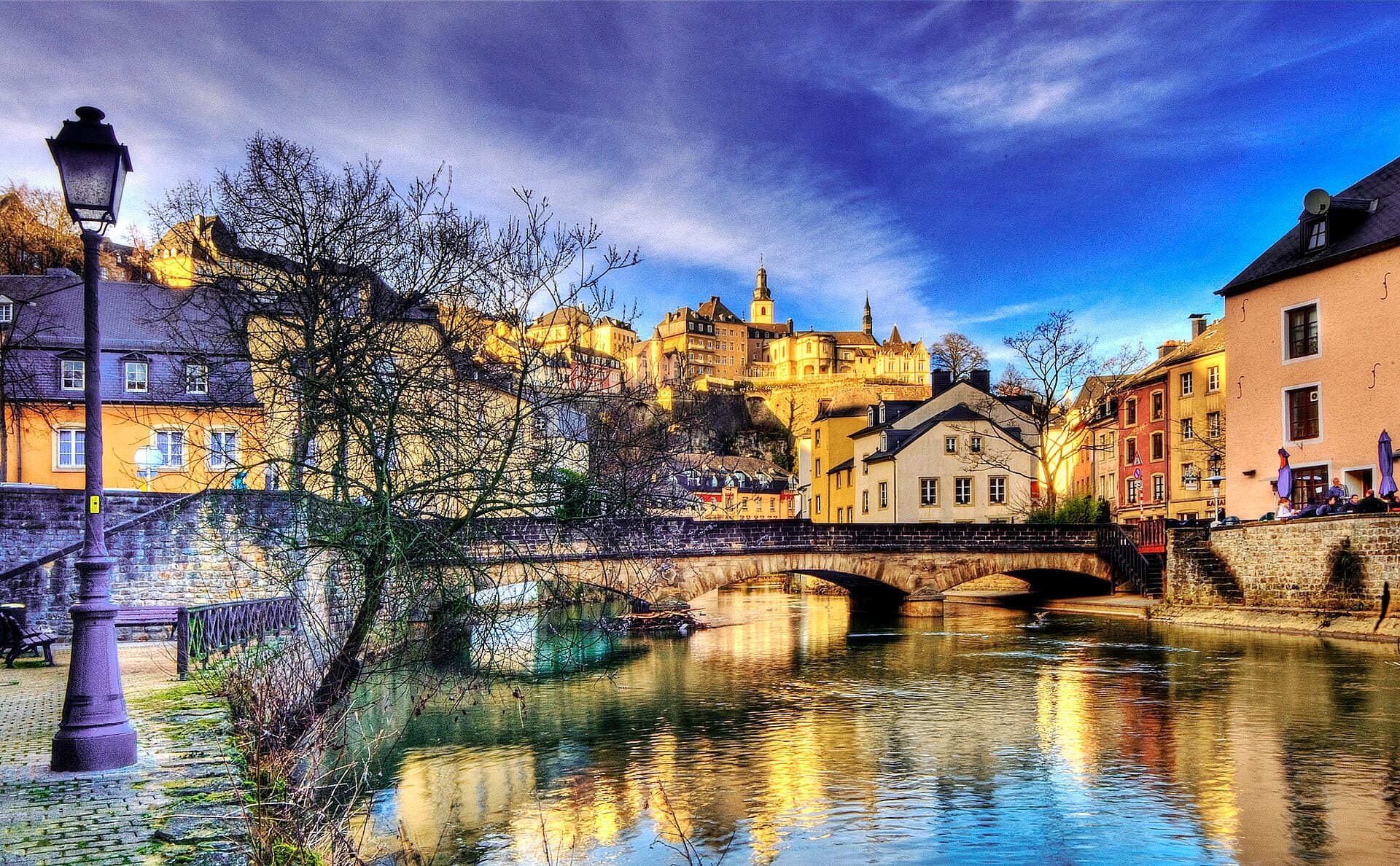 The GrundThe Grund is the quarter in the valley floor directly beneath the upper town, on3 minutes walk
More than you would expect, because the demolition targeted what was militarily usable rather than every stone. The underground casemates survived because filling them threatened the city, sections of wall survived because they hold up the plateau itself, and this gate survived because it had ended up inside the city rather than on its defensive perimeter. Together it was enough for the whole city centre to be inscribed on the World Heritage list in 1994.