
A state from a bargain
A 963 deal over a rock produced a city, then a country named for its fort.
GilPe — CC BY-SA 4.0 · GilPe — CC BY-SA 4.0 · GilPe — CC BY-SA 4.0 · GilPe — CC BY-SA 4.0
An underground archaeological chamber at the Bock promontory, showing the remains of the city's earliest fortifications on the spot where Luxembourg itself began. The city has a specific founding moment: in 963 Count Siegfried acquired the Bock rock in exchange for other land and built a small castle on it called Lucilinburhuc, the little fortress. From that castle the city grew, and from its name came the name of the country. An entire state traces back to a deal over a rock. The crypt shows what survives of that early foundation along with later layers of fortification built above it over nine centuries, until most of the fortress of Luxembourg was dismantled under the 1867 Treaty of London, which imposed the country's neutrality and the demolition of its defences. Practical points: entry is ticketed and hours are seasonal, possibly only certain months — check before going. The visit is short, half an hour to an hour. The space is underground and can be damp and cold. Do not confuse it with the neighbouring Bock casemates, which are longer tunnels on a separate ticket.
A 963 deal over a rock produced a city, then a country named for its fort.
Lucilinburhuc — the name that became Luxembourg.
The Treaty of London imposed neutrality and the demolition of most defences.
The Bock promontory, Luxembourg City
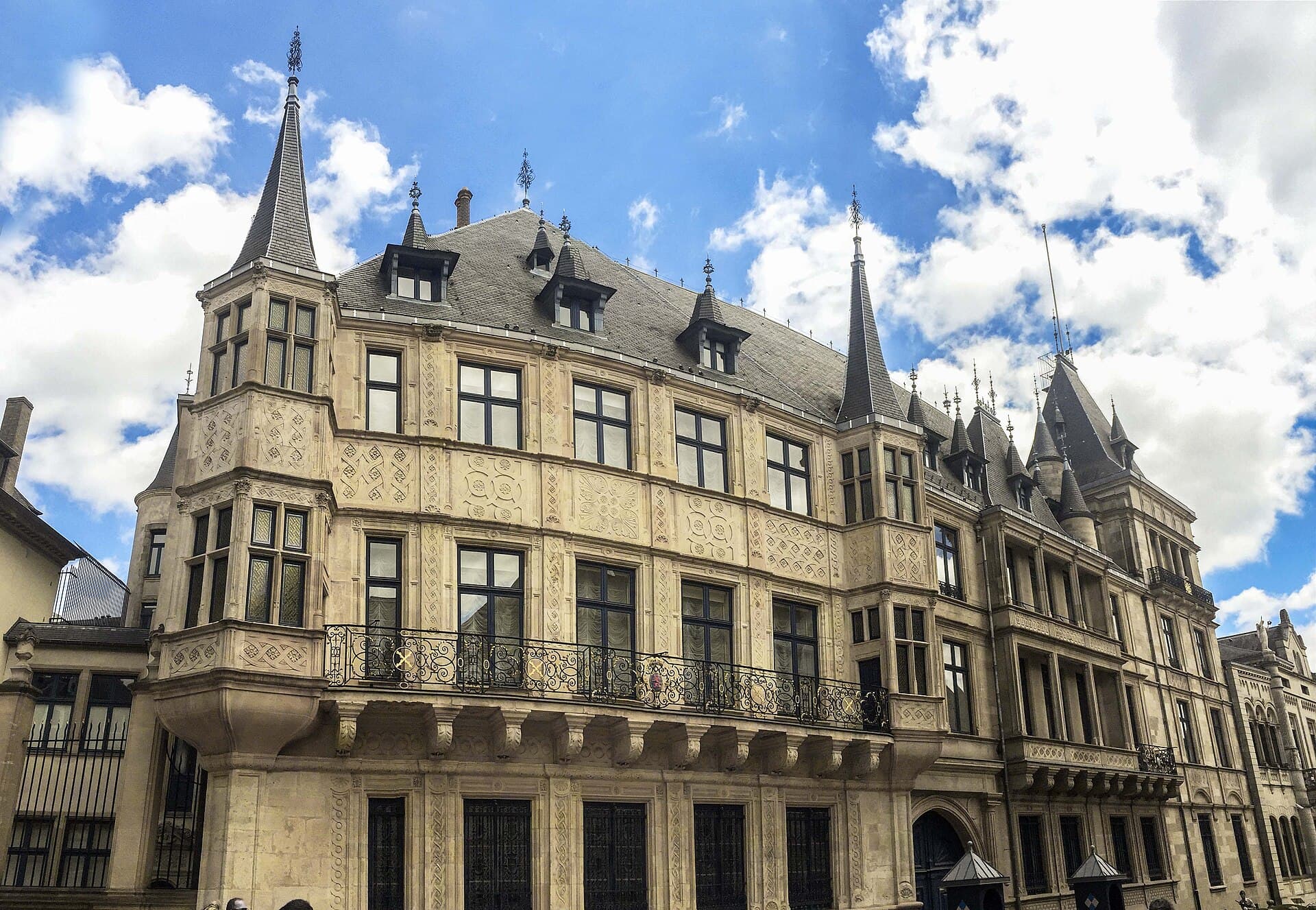 The Grand Ducal PalaceThe Grand Ducal Palace is the working residence of the Grand Duke, Luxembourg's 1 minute walk4.5
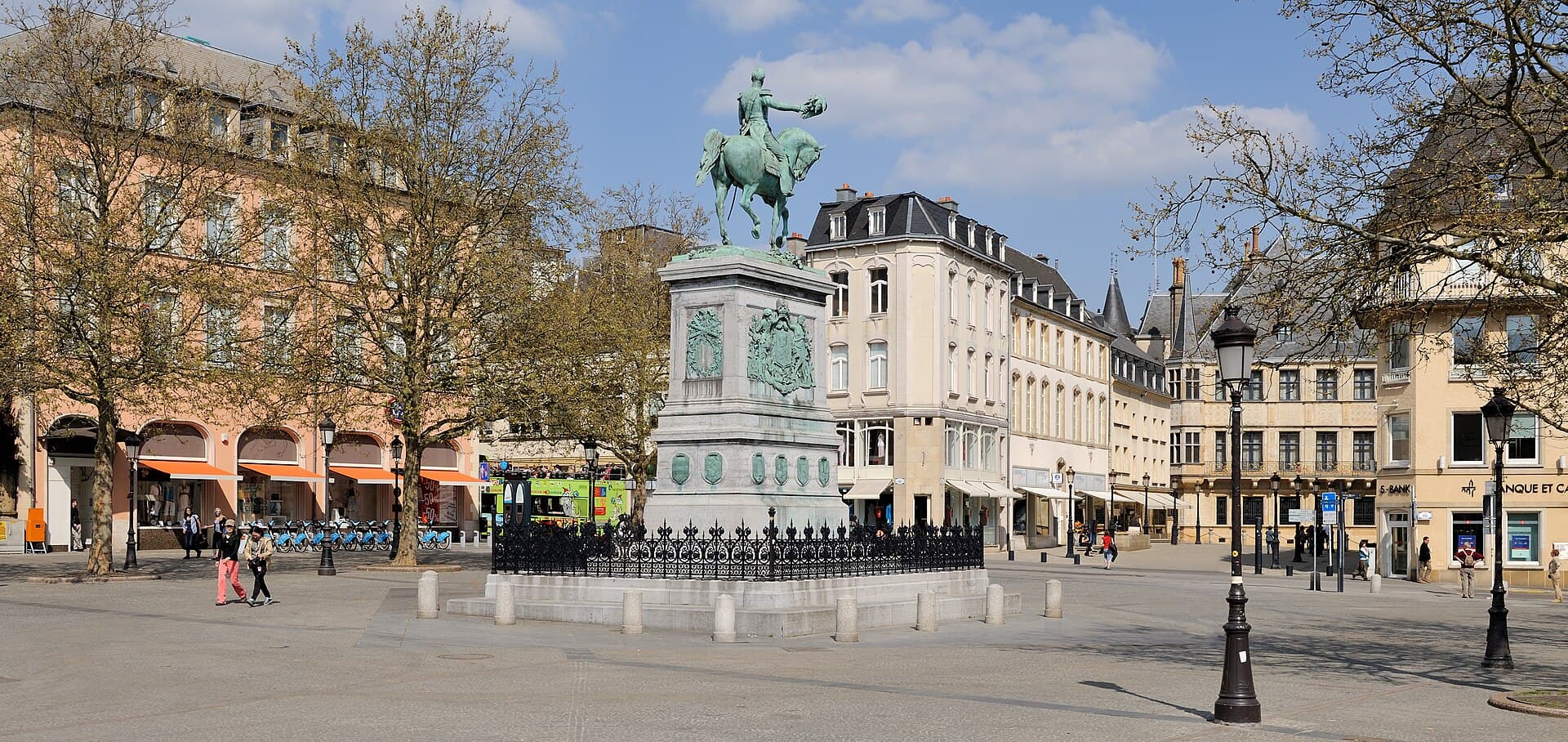 Place Guillaume IIPlace Guillaume II is the central square of the old town, and Luxembourgers call2 minutes walk4.5
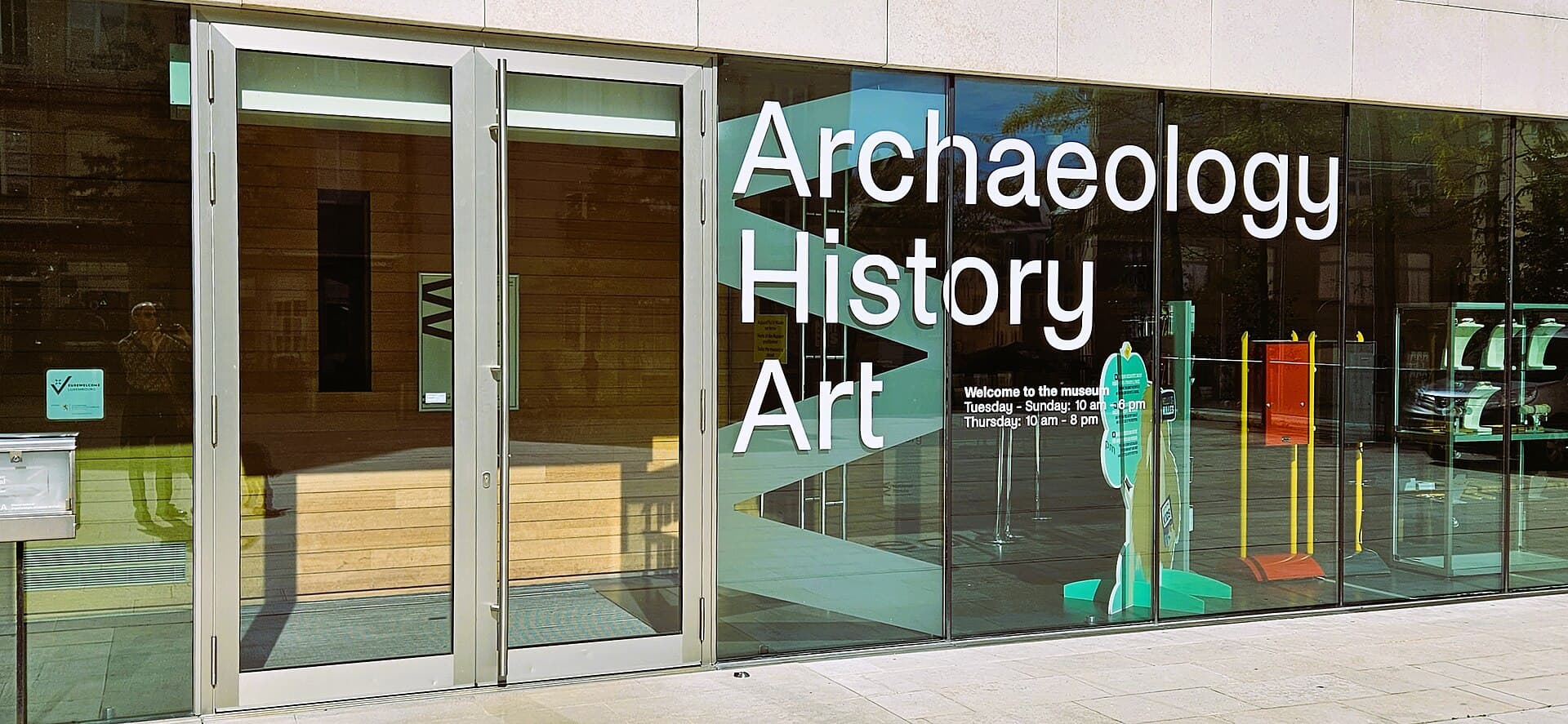 The National Museum of History and ArtThe National Museum of History and Art is Luxembourg's largest and most comprehe2 minutes walk4.5
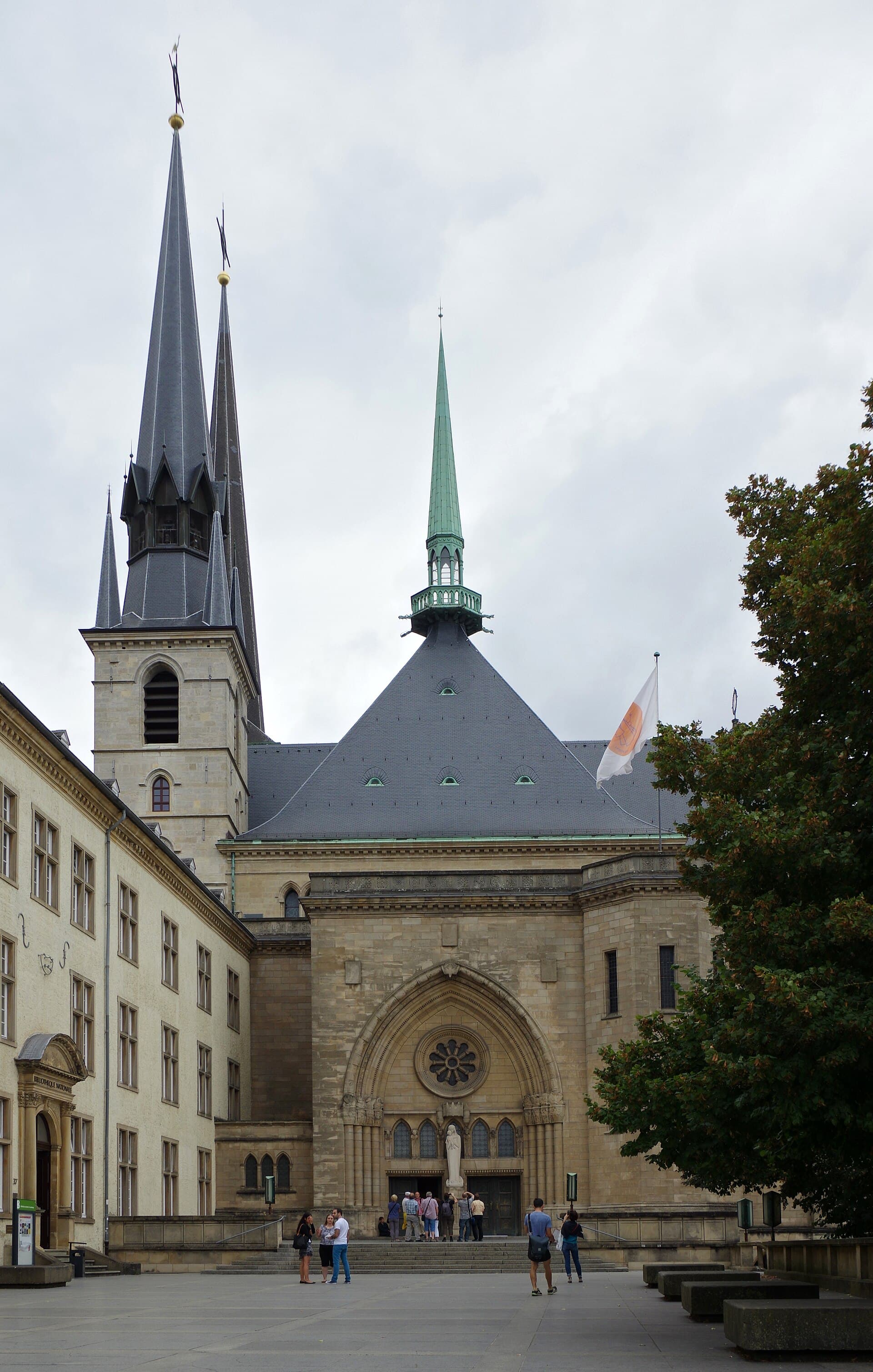 Notre-Dame CathedralNotre-Dame is Luxembourg's principal church, built originally in 1613 as the chu2 minutes walk4.5
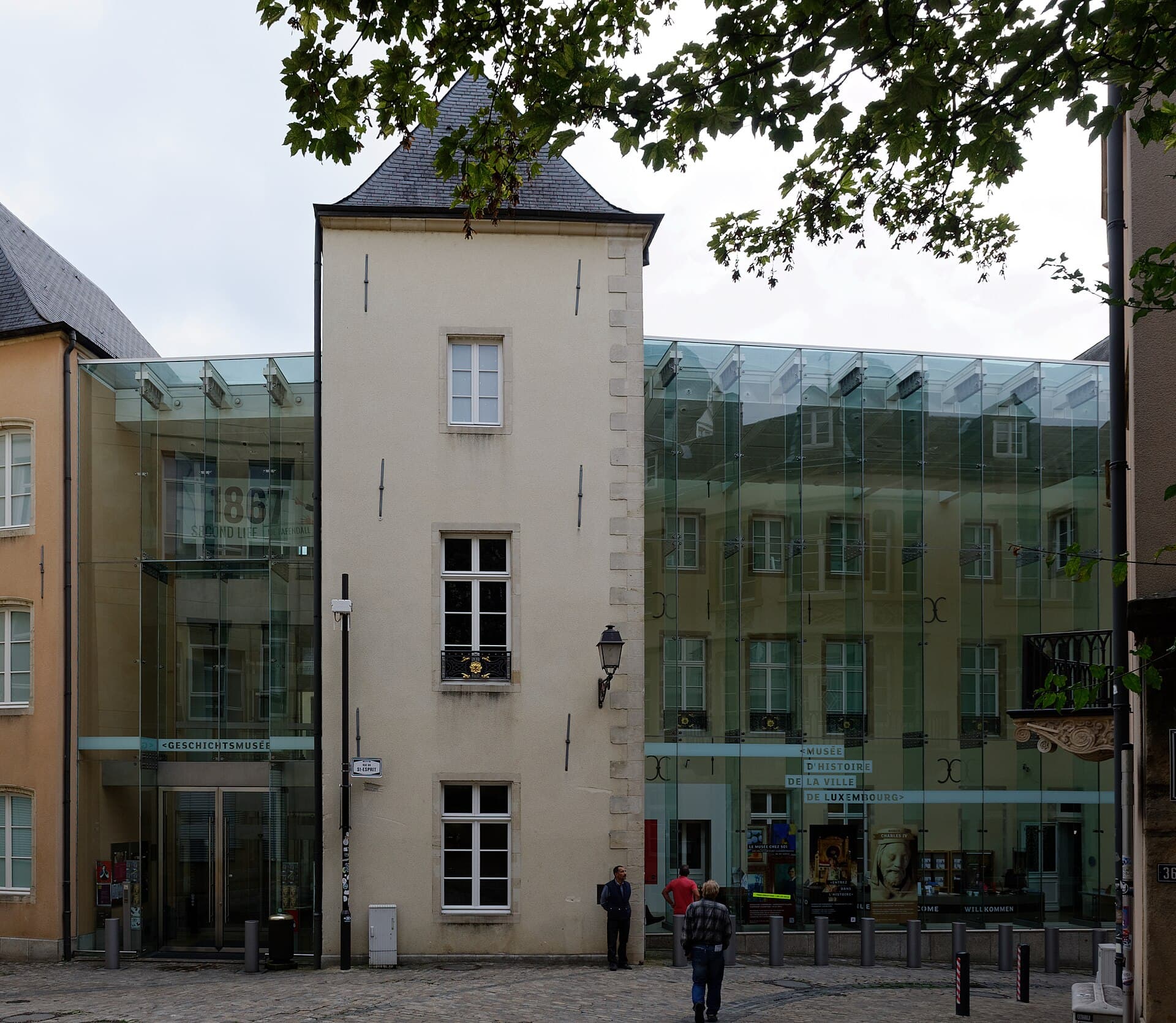 The Luxembourg City History MuseumThe City History Museum occupies four adjoining historic houses in the upper tow2 minutes walk4.7
The archaeological crypt is a small chamber showing the first castle's foundations and its layers, a half-hour visit. The Bock casemates are a long network of tunnels cut into the rock that you walk through, a longer and more visually striking visit. Each has its own ticket. With time for one, the casemates are the better known and larger; the crypt is the deeper history.
Because the European powers agreed in the 1867 Treaty of London to end the dispute over the country by making it permanently neutral, on condition that its fortress — among the strongest in Europe — was dismantled. The demolition took years, and what you see today, the casemates and surviving walls, is what could not be removed because it was cut into the rock.