
The Roman archaeology
Its strongest section — a densely settled region.
GilPe — CC BY-SA 4.0 · Yourusernamewillbepublic2 — CC0 · RG72 — CC BY-SA 4.0 · RG72 — CC BY-SA 4.0
The National Museum of History and Art is Luxembourg's largest and most comprehensive museum, on the Marché-aux-Poissons, the fish market — the city's oldest square, where the Roman roads crossed at which the first settlement grew. The building is itself an architectural lesson: the facades of historic houses on the square conceal a modern extension descending six floors into the rock behind. You enter through an eighteenth-century house and find yourself in a wide contemporary volume — and the museum is visited from the bottom upwards, from the deepest archaeological layers to modern art at the top. The order is strictly chronological: prehistoric tools, then Roman finds from Luxembourg's many sites, then mosaics and sculpture, then the medieval period, then European fine art with Dutch, Flemish and German works, then modern art. The Roman archaeology is the strongest section — the region was densely settled under Rome and its frontier position has made it rich in finds.
Its strongest section — a densely settled region.
From the deepest layer up to modern art.
Marche-aux-Poissons, 2345 Luxembourg
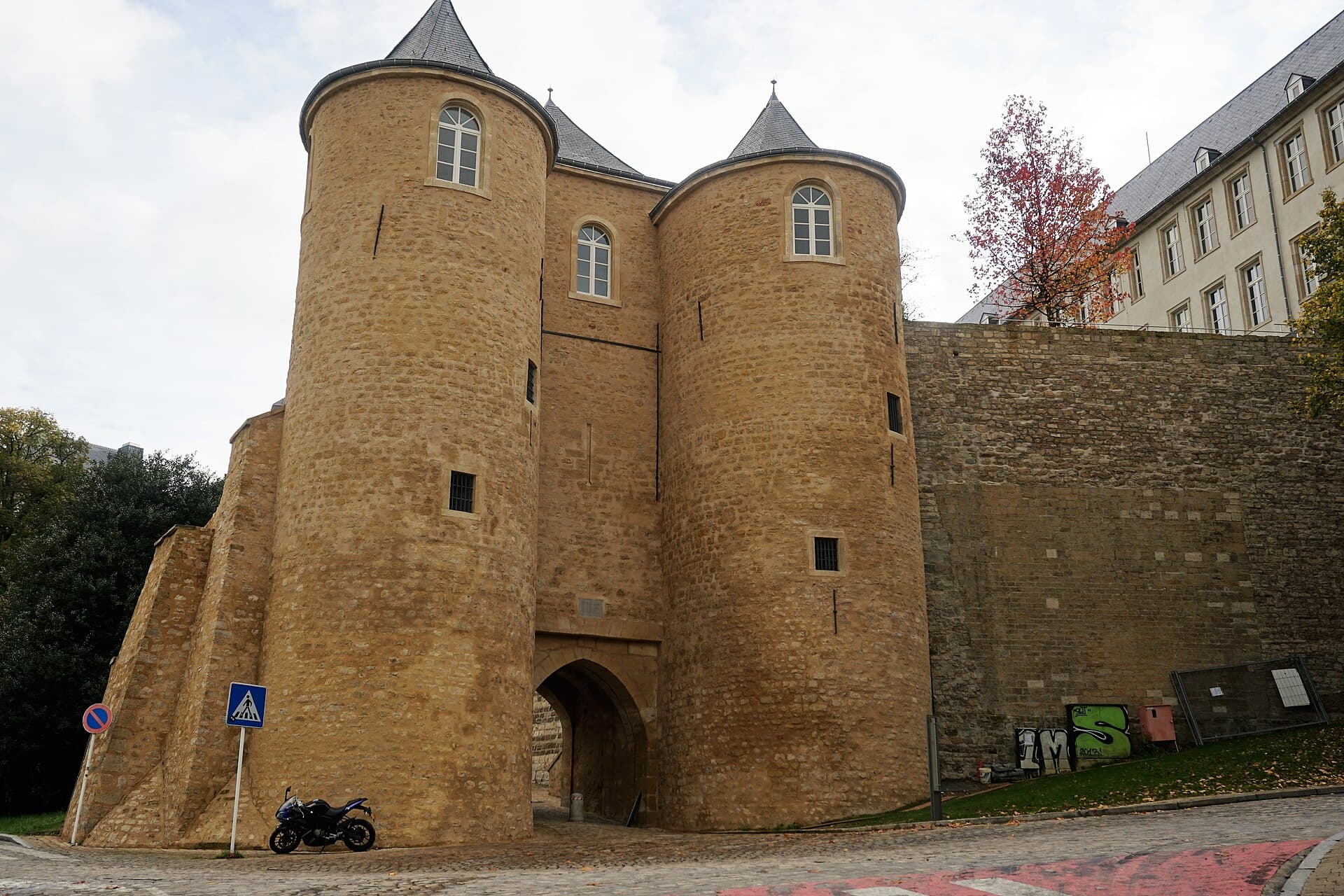 The Three Towers GateThe Three Towers gate is the oldest surviving element of Luxembourg's defences: 1 minute walk4.7
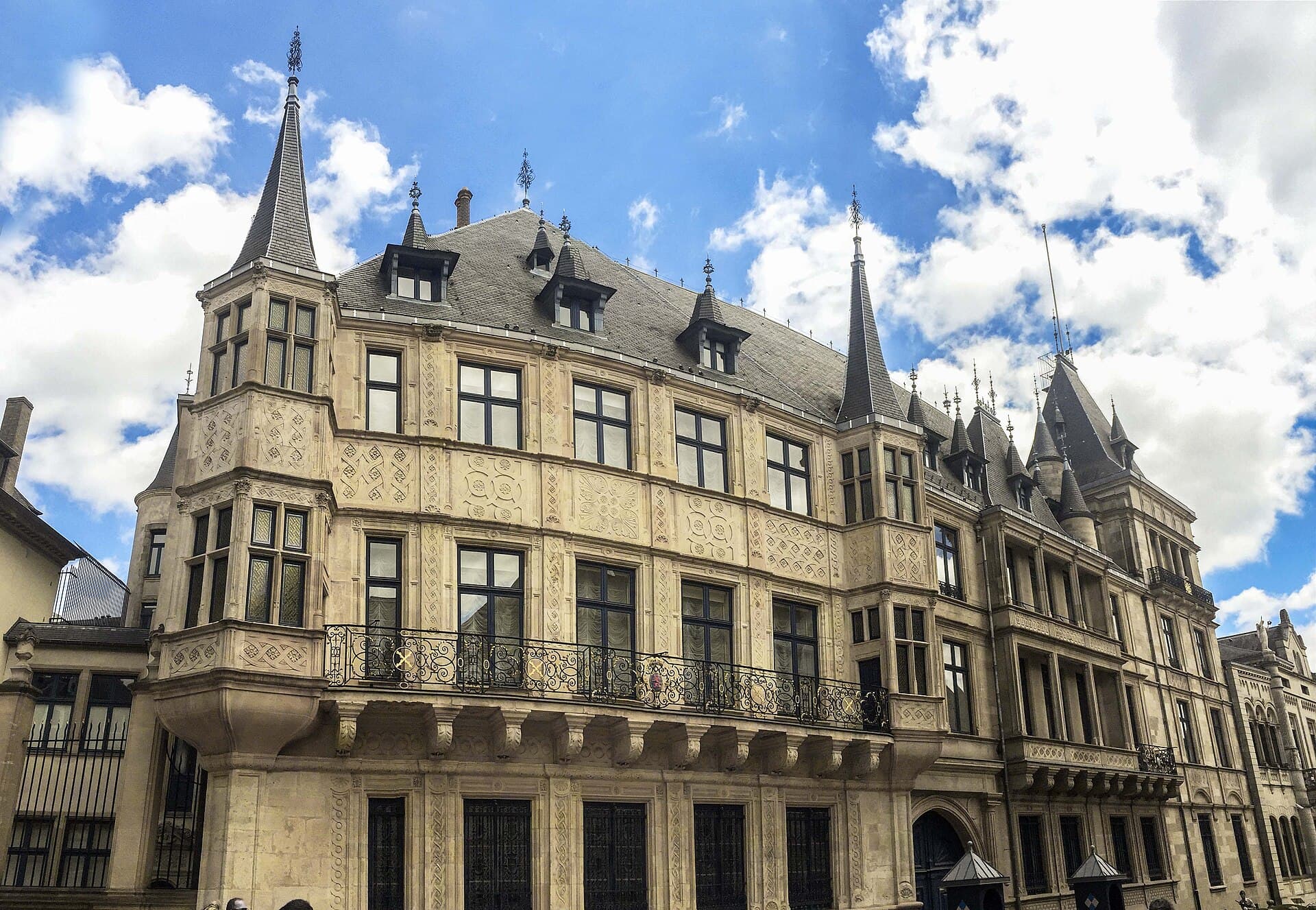 The Grand Ducal PalaceThe Grand Ducal Palace is the working residence of the Grand Duke, Luxembourg's 1 minute walk4.5
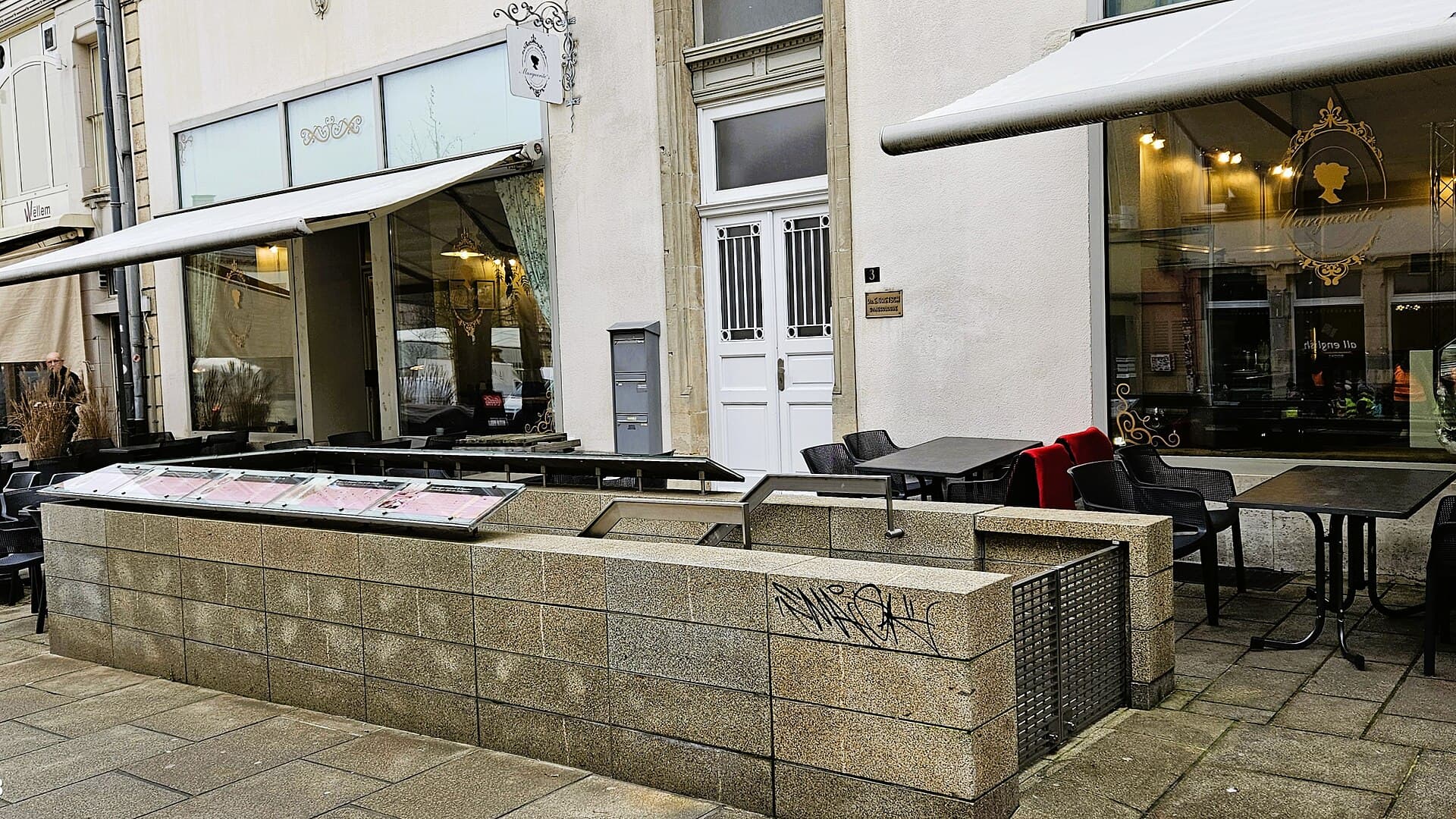 The Archaeological CryptAn underground archaeological chamber at the Bock promontory, showing the remain2 minutes walk4.4
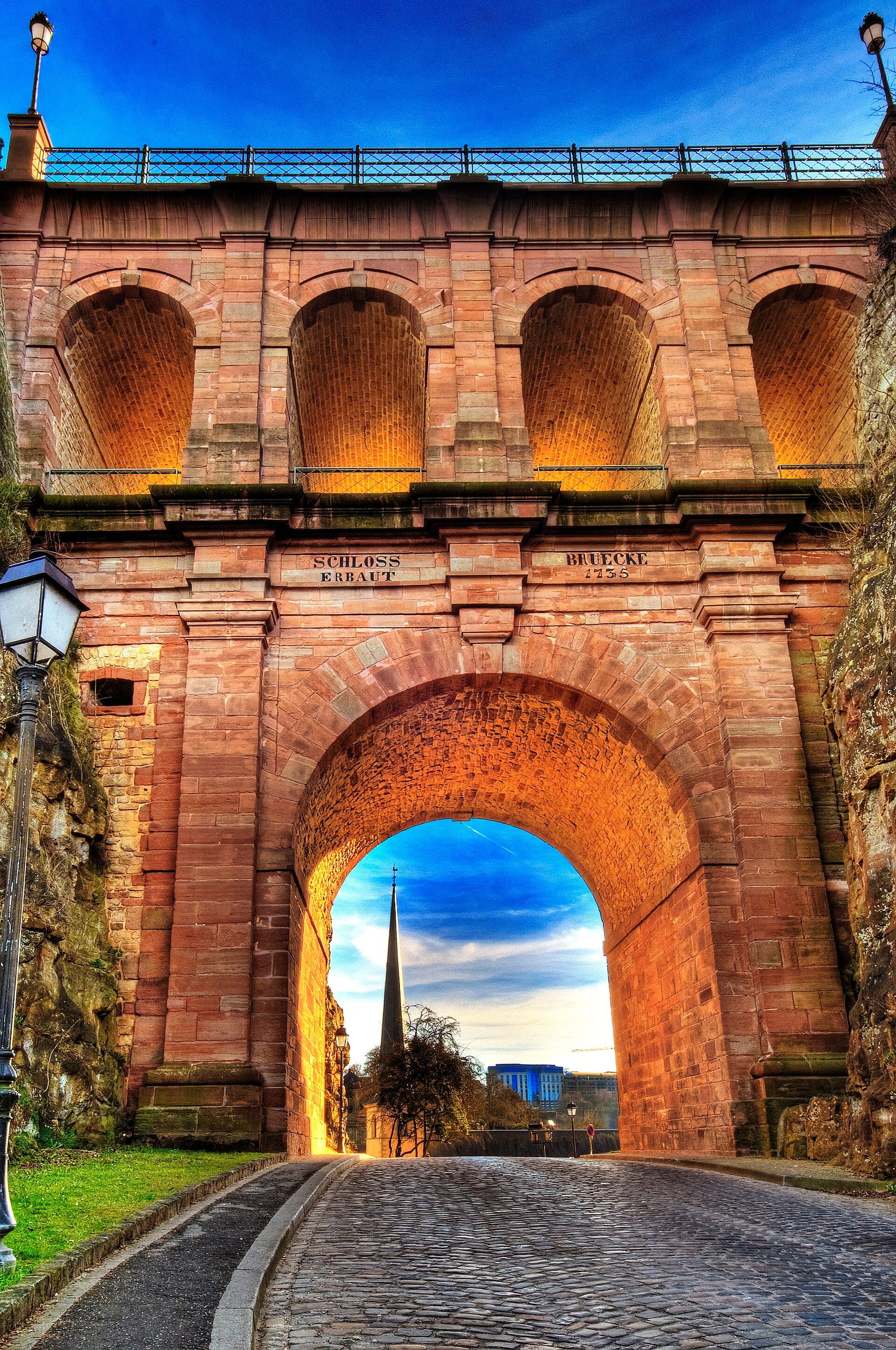 The Castle BridgeA short stone bridge linking the upper town to the Bock promontory, and the only3 minutes walk4.6
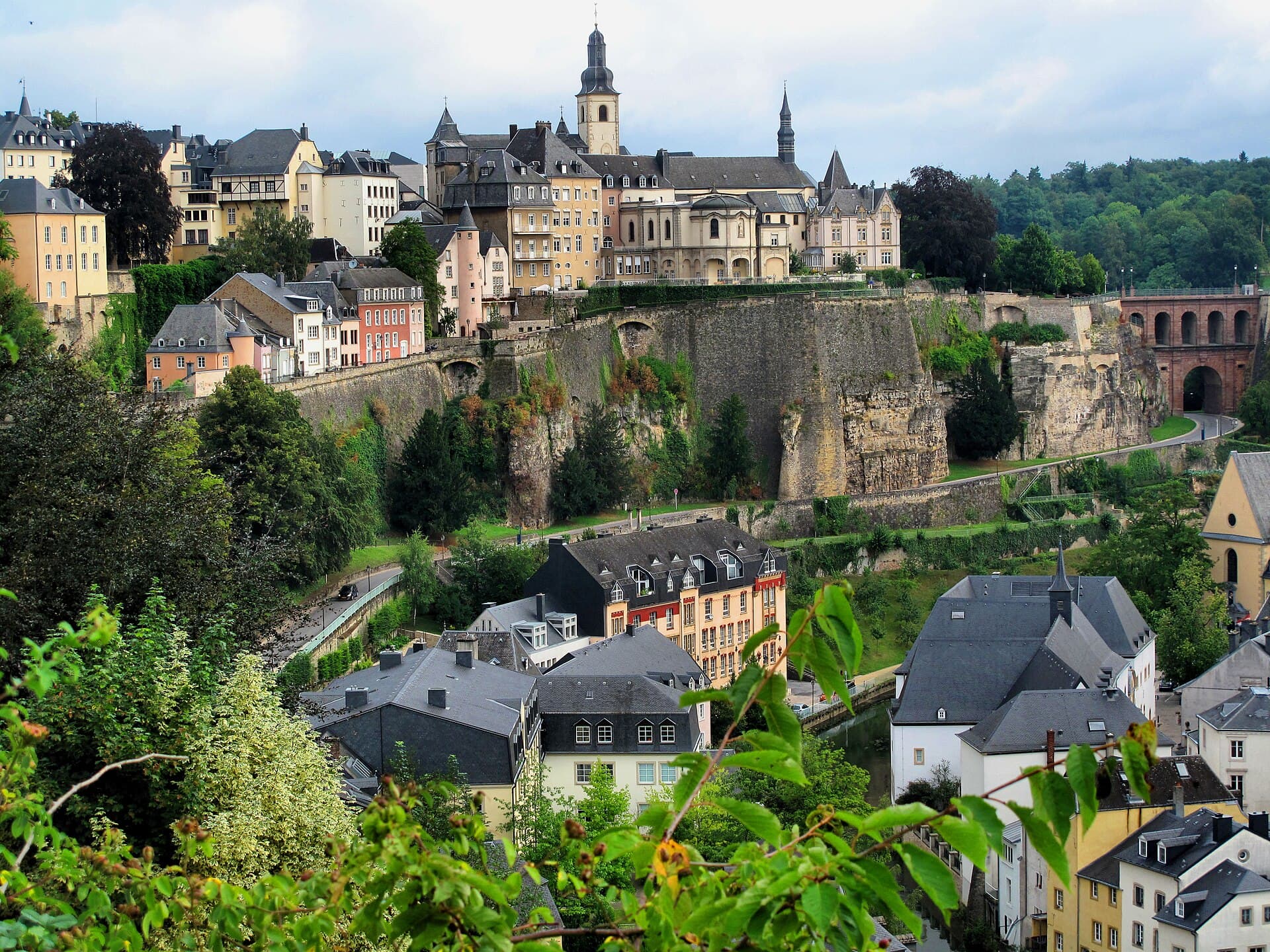 The Chemin de la CornicheThe Chemin de la Corniche is a short walk running along the top of the old rampa3 minutes walk
Four in the capital covering entirely different things: this one for history and art across the ages, the City History Museum for how the city itself grew, Mudam for contemporary art on Kirchberg, and the Dräi Eechelen museum in Fort Thüngen for the independence story. For children add the natural history museum. Two days in the capital covers three of them alongside walking the old town.