
The prayer hall
The original domed Ottoman space, now the gallery.
George E. Koronaios — CC BY-SA 4.0 · A.Savin — CC BY-SA 3.0 · Jean Housen — CC BY-SA 4.0 · Jean Housen — CC BY-SA 4.0
It stands directly on **Monastiraki Square**, and is among the clearest survivals in Athens of the **four Ottoman centuries** — a period most visitors pass over, because the city presents itself as classical above all. The Ottoman governor **Mustafa Agha Tzistarakis** built it in **1759**, and the story of its building is well known in Athens: needing lime for the mortar, he ordered a column of the **Temple of Olympian Zeus** pulled down and burned to make it. The Athenians were furious, and when an epidemic broke out shortly afterwards it was said that the **guardian spirit** held in the column had been released and had brought the plague — and the governor was removed from office. After Greek independence the mosque lost its minaret and served various functions, then in the twentieth century became part of the **Museum of Modern Greek Culture**, used to display its collection of Greek **folk ceramics and pottery**. ⚠ Note: it is **a museum today, not a working mosque**, and the old prayer hall is the exhibition room.
The original domed Ottoman space, now the gallery.
Traditional Greek pottery from the islands and mainland.
Four centuries most visitors pass over unnoticed.
Areos 1, Monastiraki Square, 10554 Athens
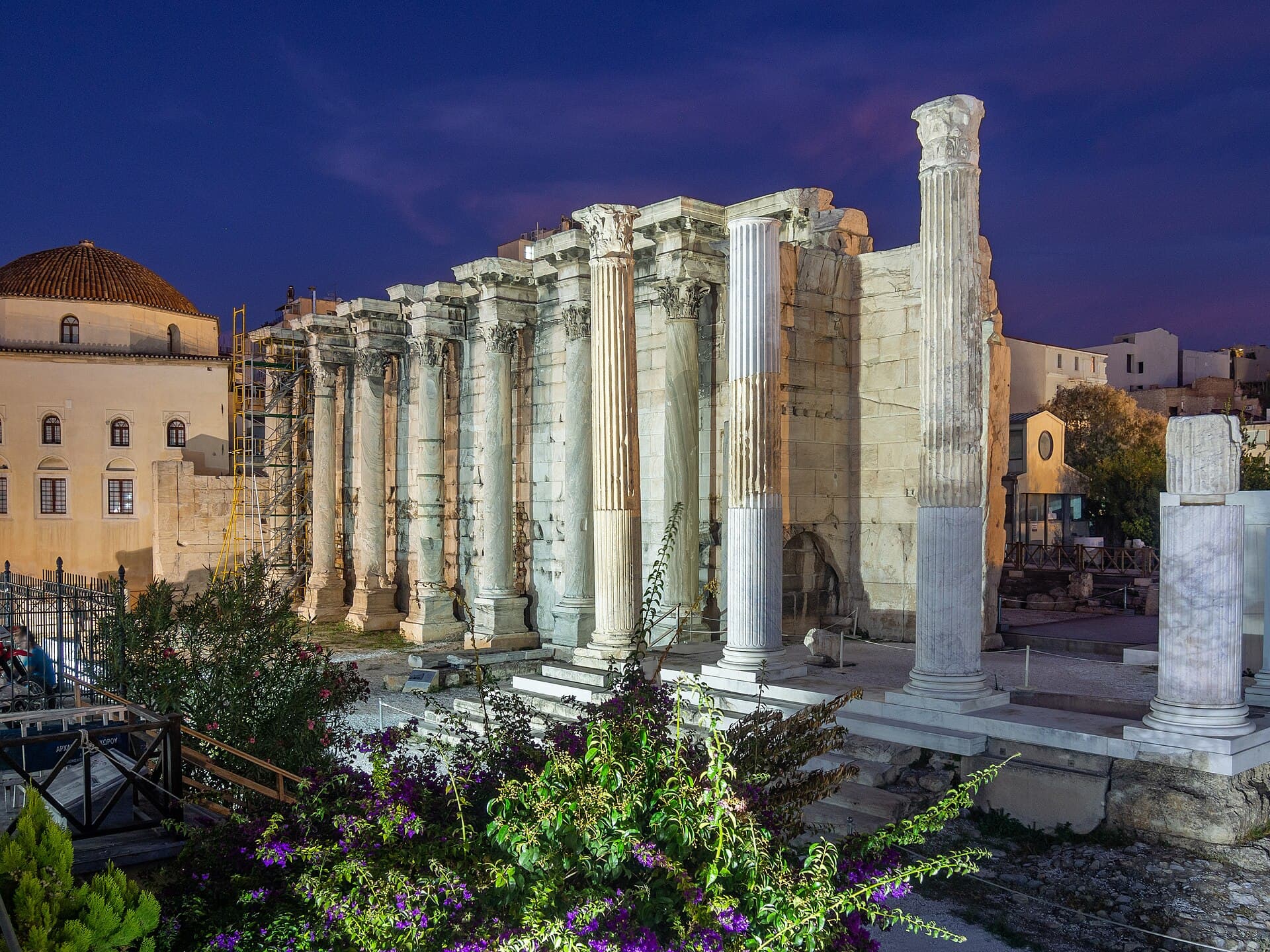 Hadrian's LibraryIn the middle of **Monastiraki**, steps from the metro station and the flea mark1 minute walk4.5
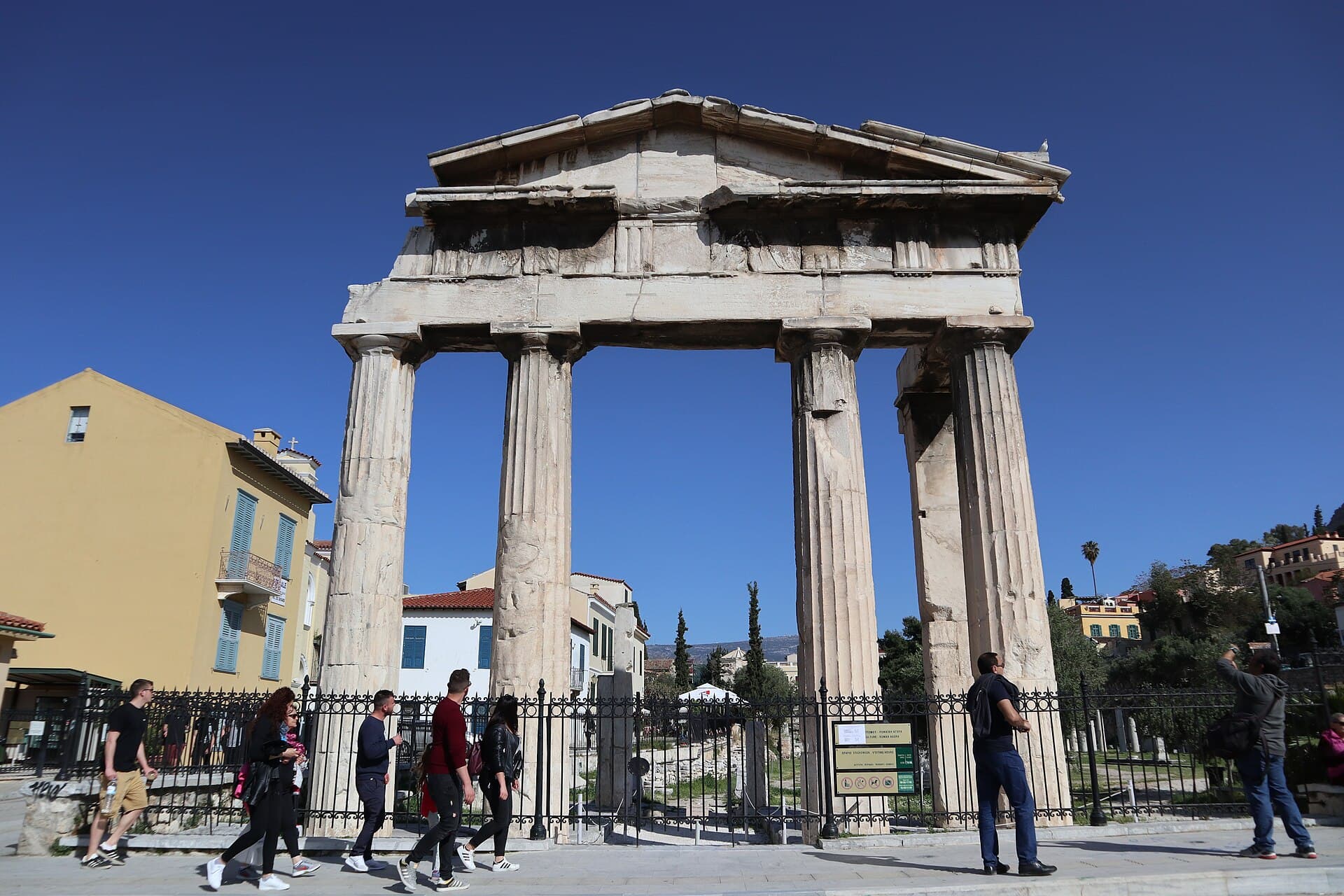 The Gate of Athena ArchegetisA marble gate of four Doric columns at the western entrance to the Roman Agora i2 minutes walk4.8
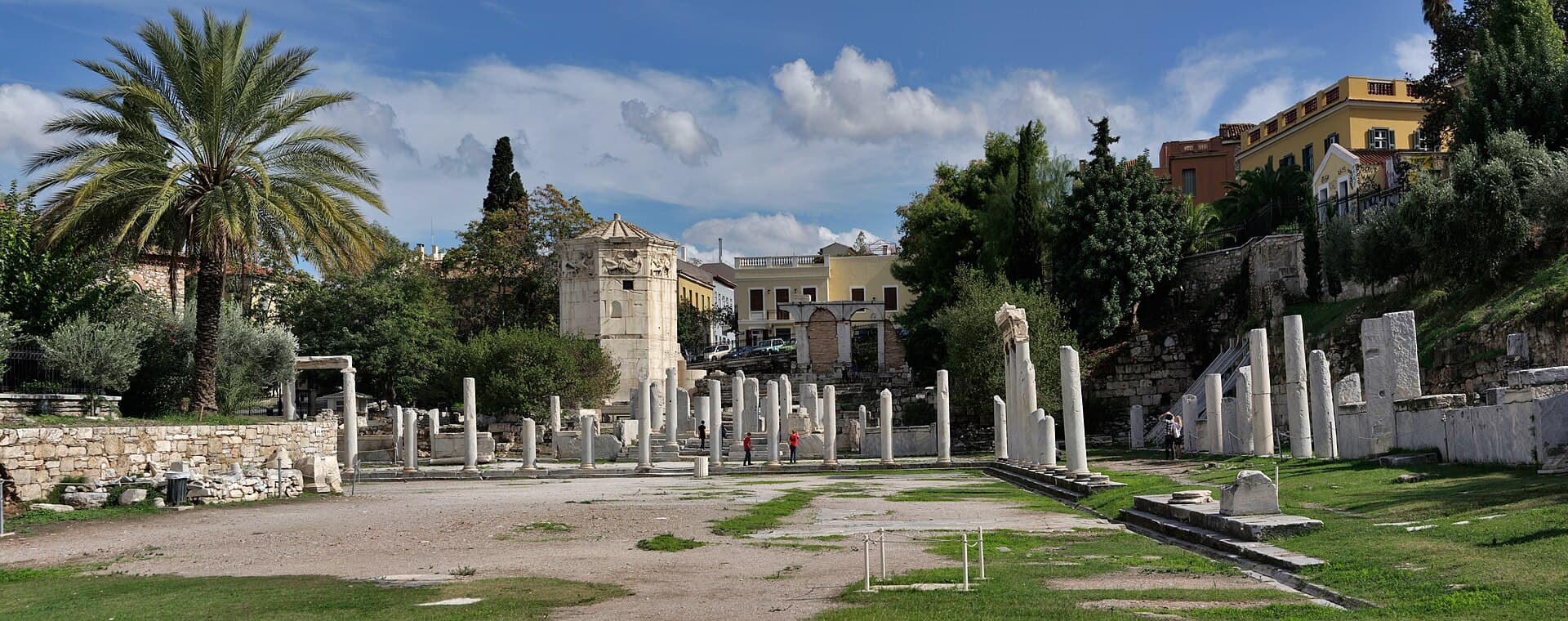 The Roman Agora & Tower of the WindsThe Roman Agora is the market the Caesars built Athens: Socrates' agora grown ol2 minutes walk4.6
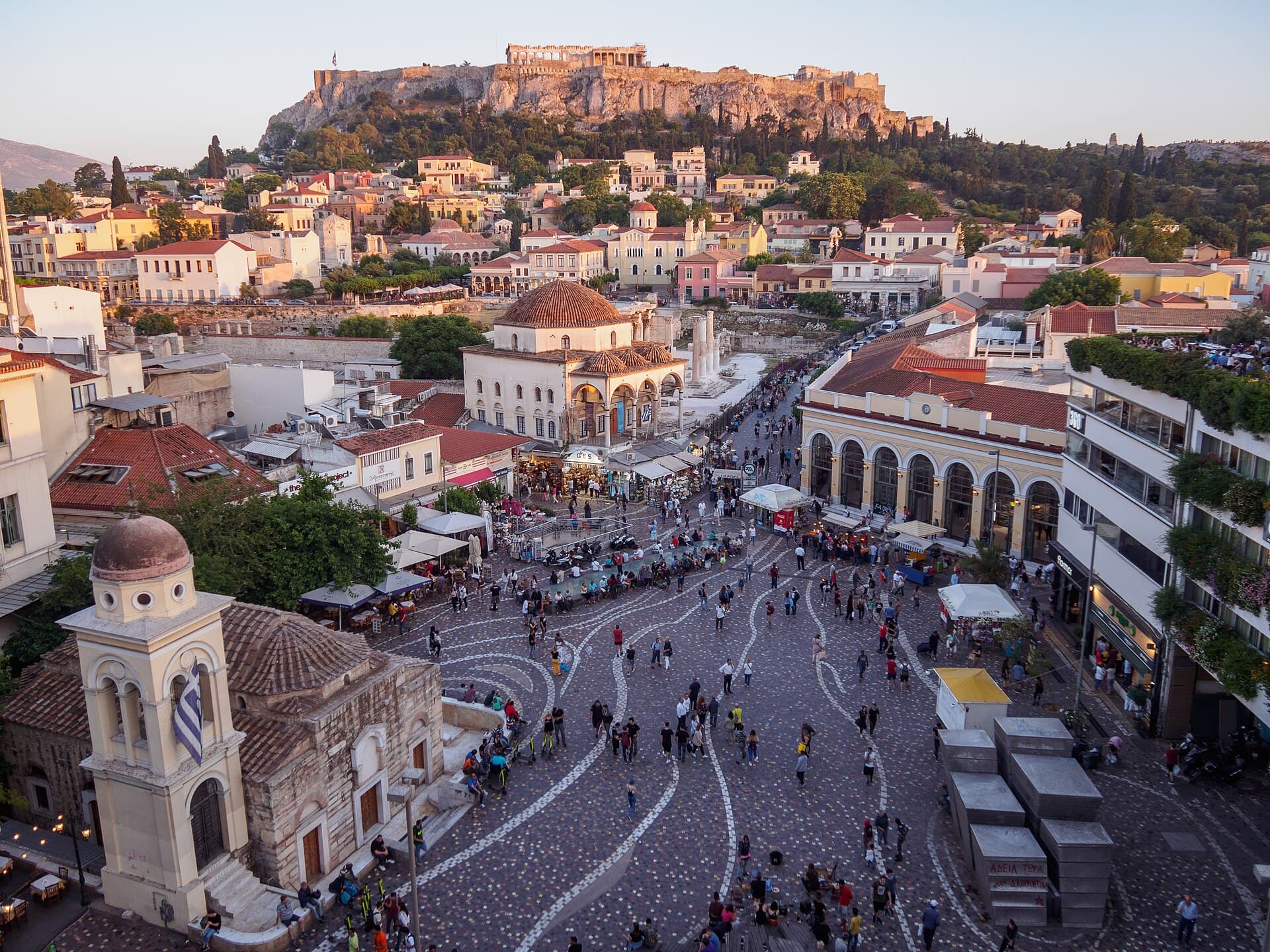 Monastiraki Square & BazaarMonastiraki is people's Athens itself: the square where everything meets — the A3 minutes walk4.4
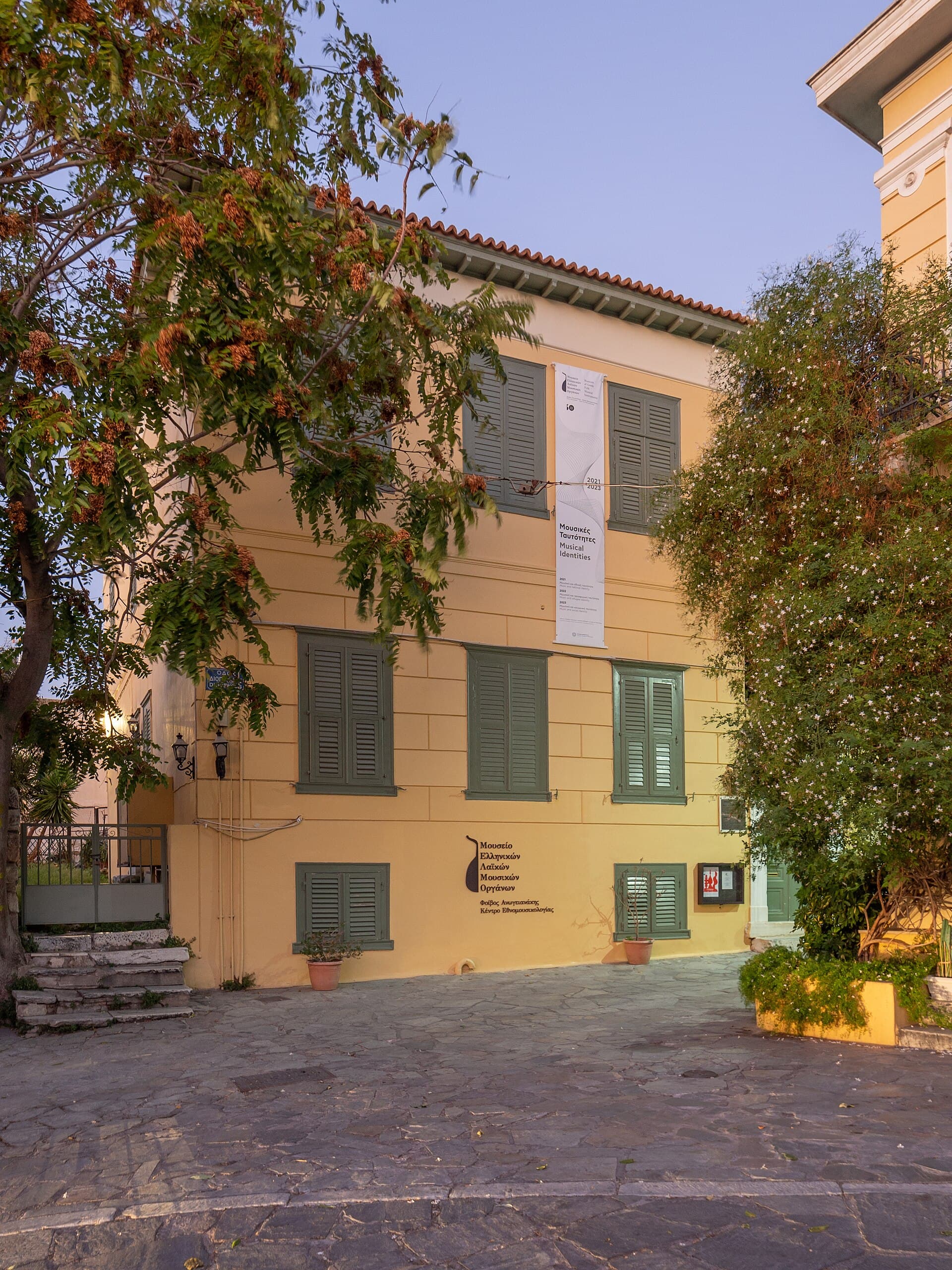 The Museum of Greek Folk Musical InstrumentsA museum in a small nineteenth-century mansion in Plaka showing the collection o3 minutes walk4.5
**No.** The Tzistarakis Mosque has been a **museum** for decades; the old prayer hall is now a gallery of folk ceramics, and no prayers are held there. It lost its minaret after Greek independence. Muslims in Athens today use the **official mosque** opened in recent years in another part of the city, along with informal prayer rooms. If you need somewhere to pray during your visit, look up the current prayer facilities in advance — don't rely on this building.
The survivals are few but real, and mostly in **Monastiraki and Plaka**. Besides this mosque: the **Fethiye Mosque** inside the Roman Agora site, the **gateway of the dervish madrasa** in Plaka, and the **Bathhouse of the Winds** — a restored Ottoman bath you can go into, one of the few left in Greece. Four centuries of rule left a deeper mark on **food, language and music** than on architecture — because after independence Athens deliberately removed much of its Ottoman building.