
Warning of martial law
He gave advance warning of the 1981 plans to crush Solidarity, and was exfiltrated days before.
A museum in Warsaw devoted to the Cold War, named after Colonel Ryszard Kukliński, among the most important spies of the period. Kukliński's story is the museum's way in. He was a senior officer on the Polish general staff involved in drafting Warsaw Pact plans, and from 1972 began passing documents to American intelligence voluntarily and without payment. Over nine years he handed over thousands of pages: Soviet plans for an attack on western Europe, the locations of command centres, weapons specifications. The most consequential thing he passed was advance warning of the plans to impose martial law in Poland in 1981 to crush the Solidarity movement. He was exfiltrated with his family days before it was enacted. Judgement on him remains divided in Poland: he was sentenced to death in absentia as a traitor, the sentence was annulled in 1997 and he was rehabilitated. Some regard him as a national hero who served Poland against a Soviet occupation; others as a traitor who broke his oath. The museum presents both accounts. Practical points: entry is ticketed and the museum is small — allow one to two hours. Hours may be limited, so check before going.
He gave advance warning of the 1981 plans to crush Solidarity, and was exfiltrated days before.
Sentenced to death in absentia then rehabilitated — the division persists.
What he passed included Warsaw Pact plans to strike western Europe.
Central Warsaw
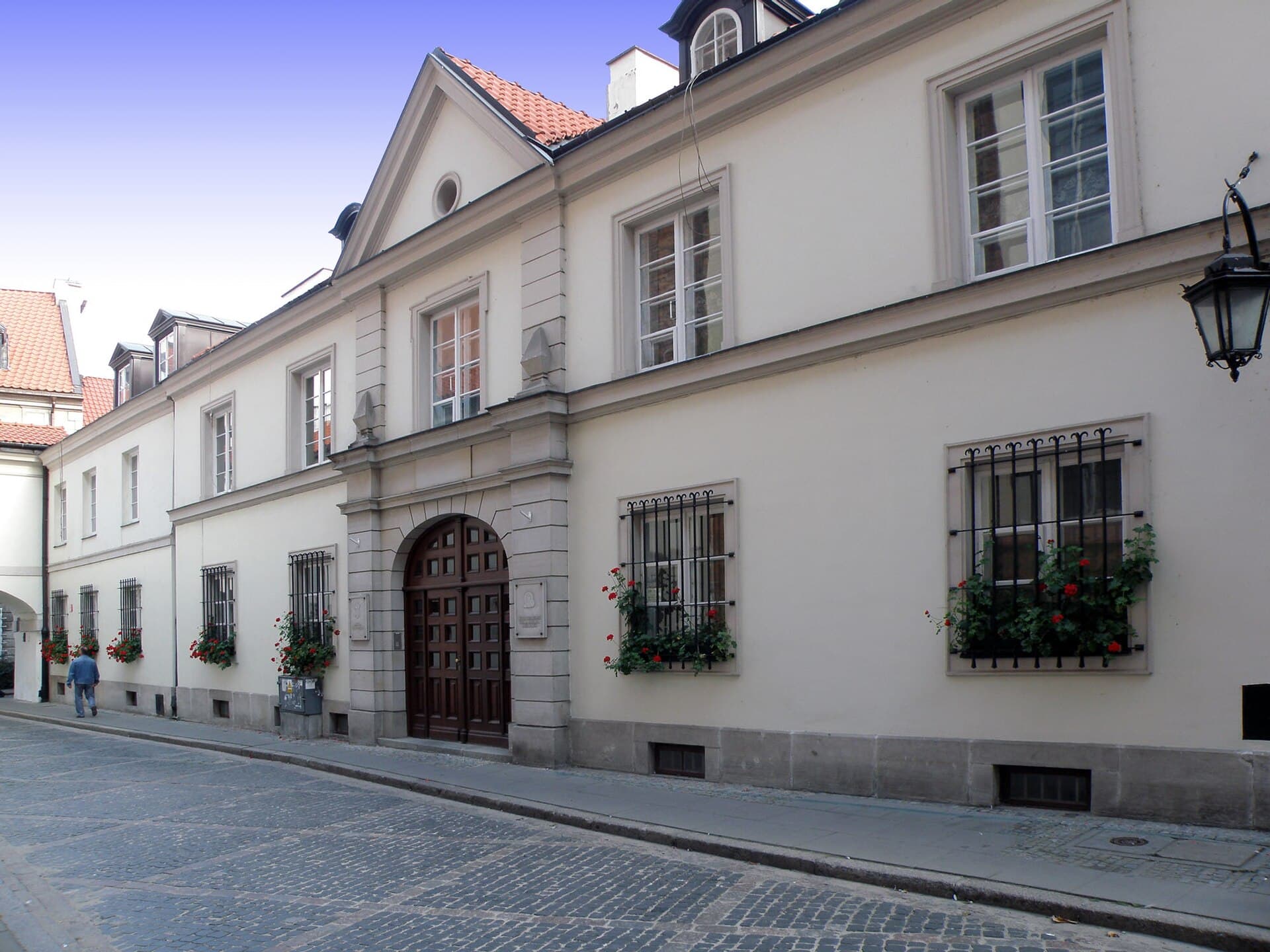 The Museum of the Warsaw ArchdioceseA museum of religious art in Warsaw's Old Town, holding the archdiocese's collec1 minute walk4.5
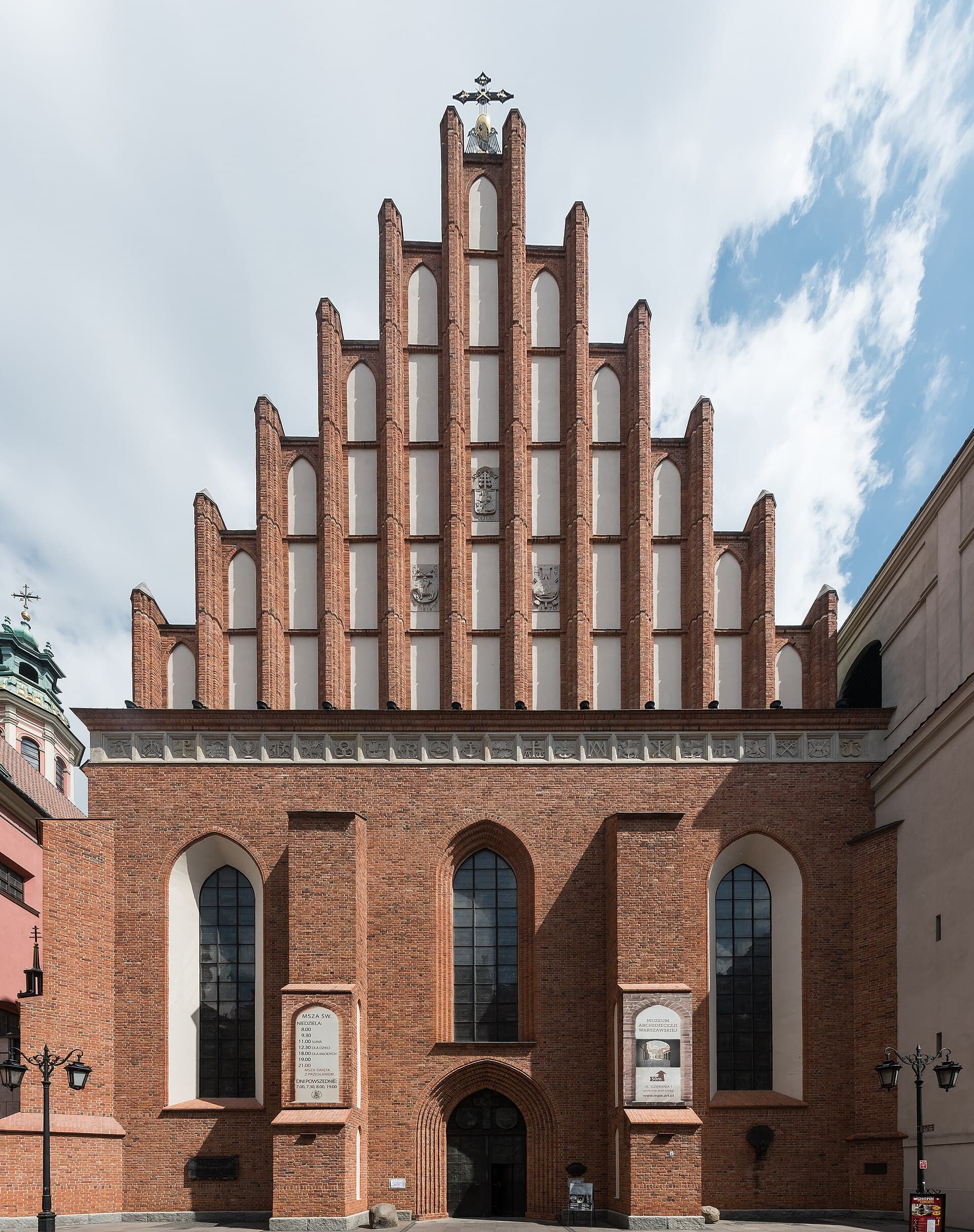 St John's ArchcathedralThe oldest church in Warsaw, dating from the fourteenth century, the city's prin1 minute walk4.6
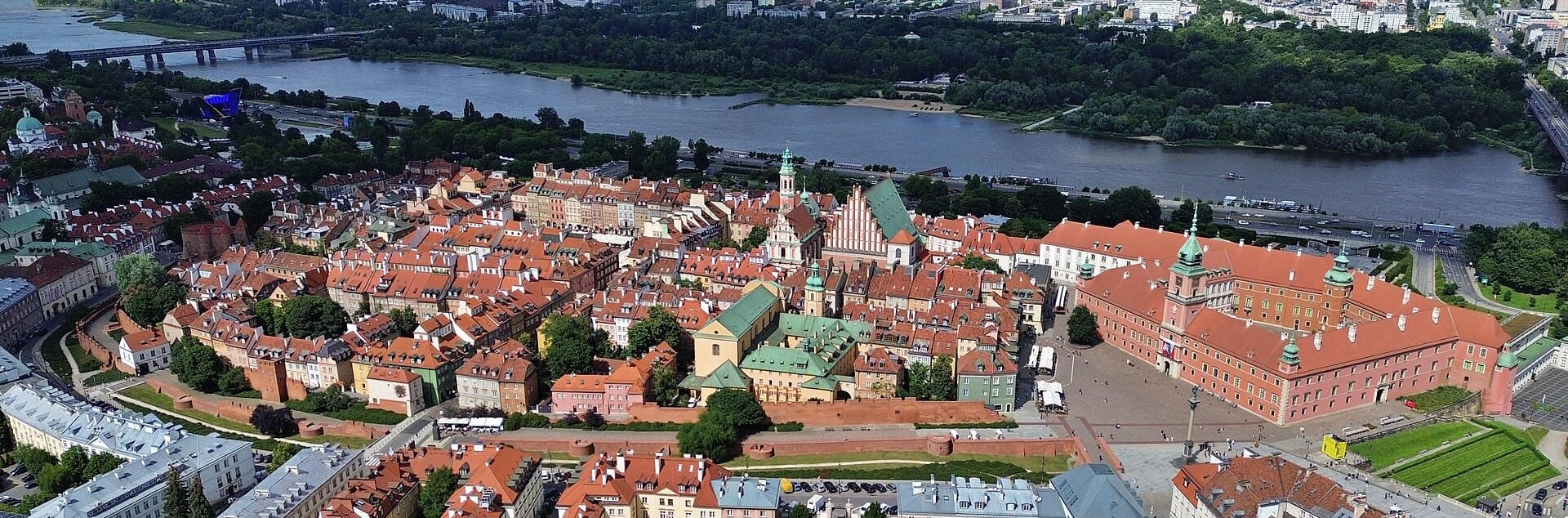 Warsaw Old TownWarsaw's Old Town is history's greatest urban resurrection: the Nazis demolished2 minutes walk
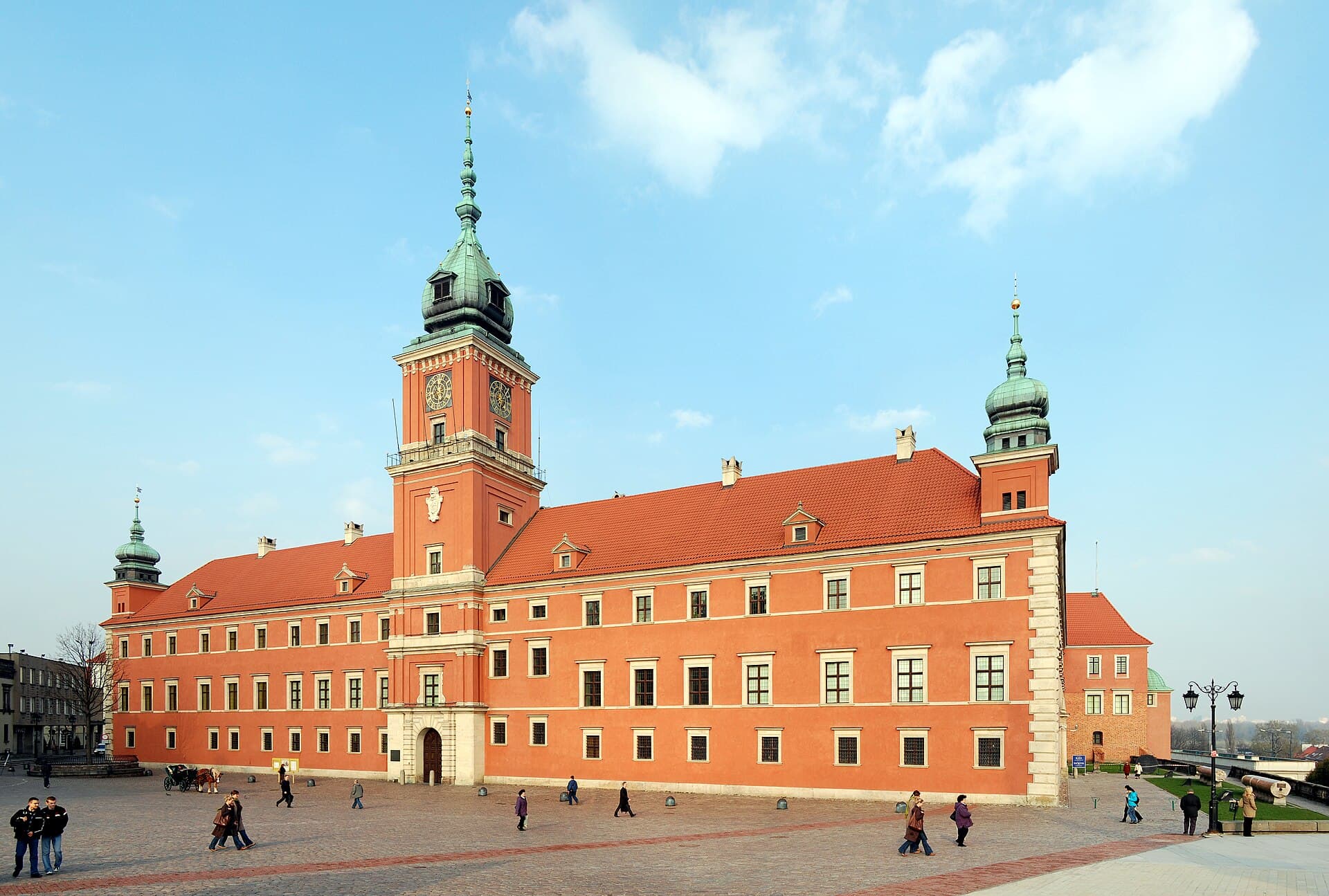 The Royal Castle in WarsawThe Royal Castle is Poland's recovered throne: seat of kings and parliament (her2 minutes walk4.8
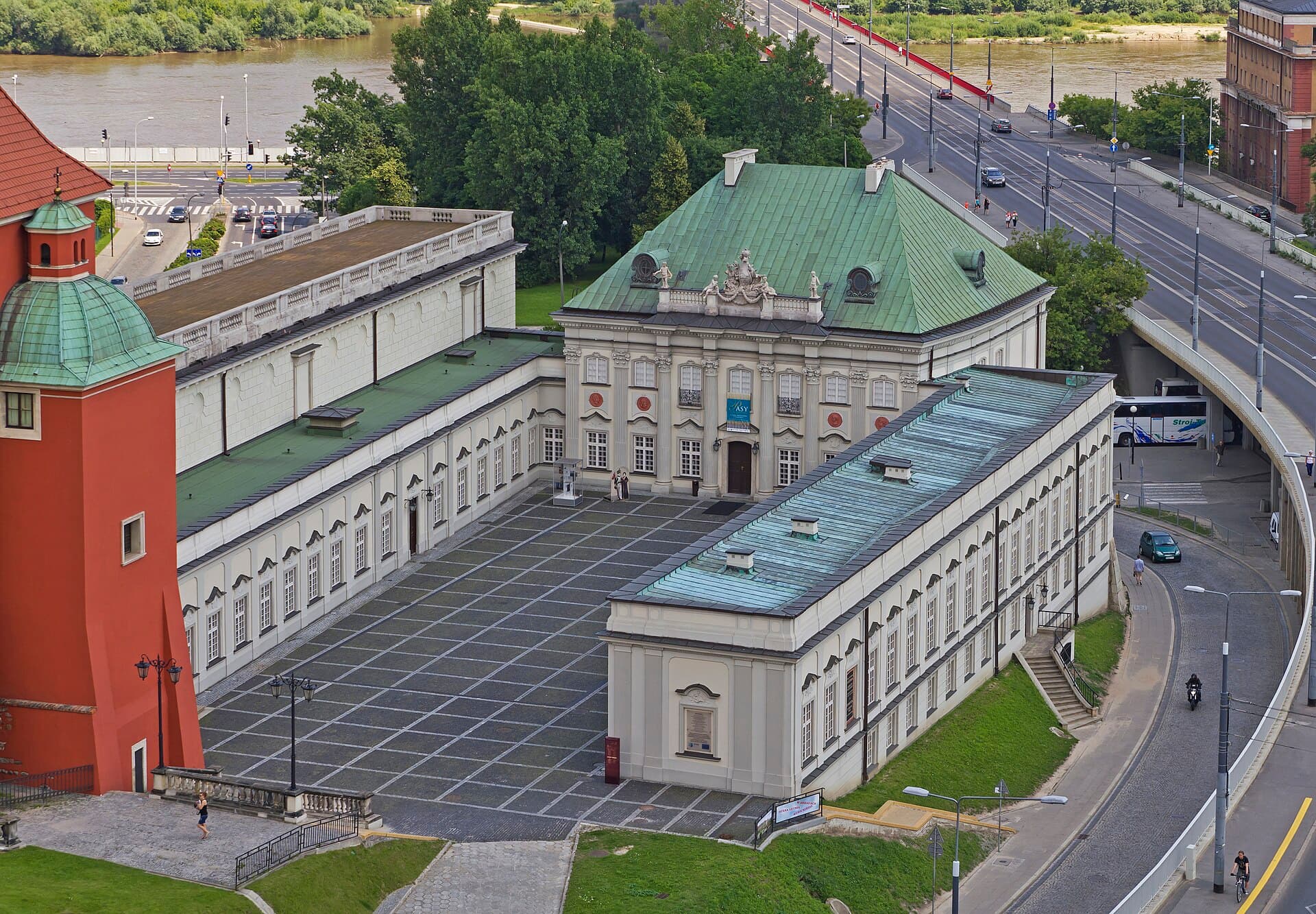 The Tin-Roofed PalaceA palace adjoining Warsaw's Royal Castle, older than it in parts, and run today 4 minutes walk4.6
Because the question is not about facts but about loyalty. Anyone who regards communist Poland as a sovereign state sees an officer who betrayed his army and gave its secrets to a foreign power. Anyone who regards it as a regime imposed by Soviet force sees an officer who served his real country against an occupier. The argument has run for decades through parliamentary debate and court rulings, and is itself part of how Poland handles its communist period.
The Warsaw Rising Museum on 1944, among Europe's most powerful and most crowded. The Museum of Life in the Polish People's Republic shows daily life under communism in a lighter register. And in Gdańsk the European Solidarity Centre is the fullest account of the movement martial law was imposed to crush.