
Survived by individual effort
Pieces hidden in cellars and moved to the countryside before 1944.
Alina Zienowicz Ala z — Public domain · Adrian Grycuk — CC BY-SA 3.0 pl · Stanisław Czajkowski — Public domain · Józef Pieniążek (1888-1953) — Public domain
A museum of religious art in Warsaw's Old Town, holding the archdiocese's collection of icons, sculpture, liturgical vessels and vestments. The collection runs from the Middle Ages to the twentieth century, and includes Gothic wooden sculpture, baroque silver and embroidered textiles. The added value is that many pieces survived the destruction of Warsaw in 1944 because they had been hidden or taken out of the city. Warsaw was destroyed by more than eighty per cent after the uprising, and what survived of its artistic contents survived through individual effort: paintings hidden in cellars and sculpture moved to the countryside. This makes any historic collection in Warsaw a double document: about what it shows, and about how it survived. The museum is small, its hours limited, and it is rarely crowded despite standing in the heart of the Old Town. Check the hours before going.
Pieces hidden in cellars and moved to the countryside before 1944.
About what it shows and about how it survived the city's destruction.
Alongside baroque silver and embroidered textiles.
Dziekania street, the Old Town
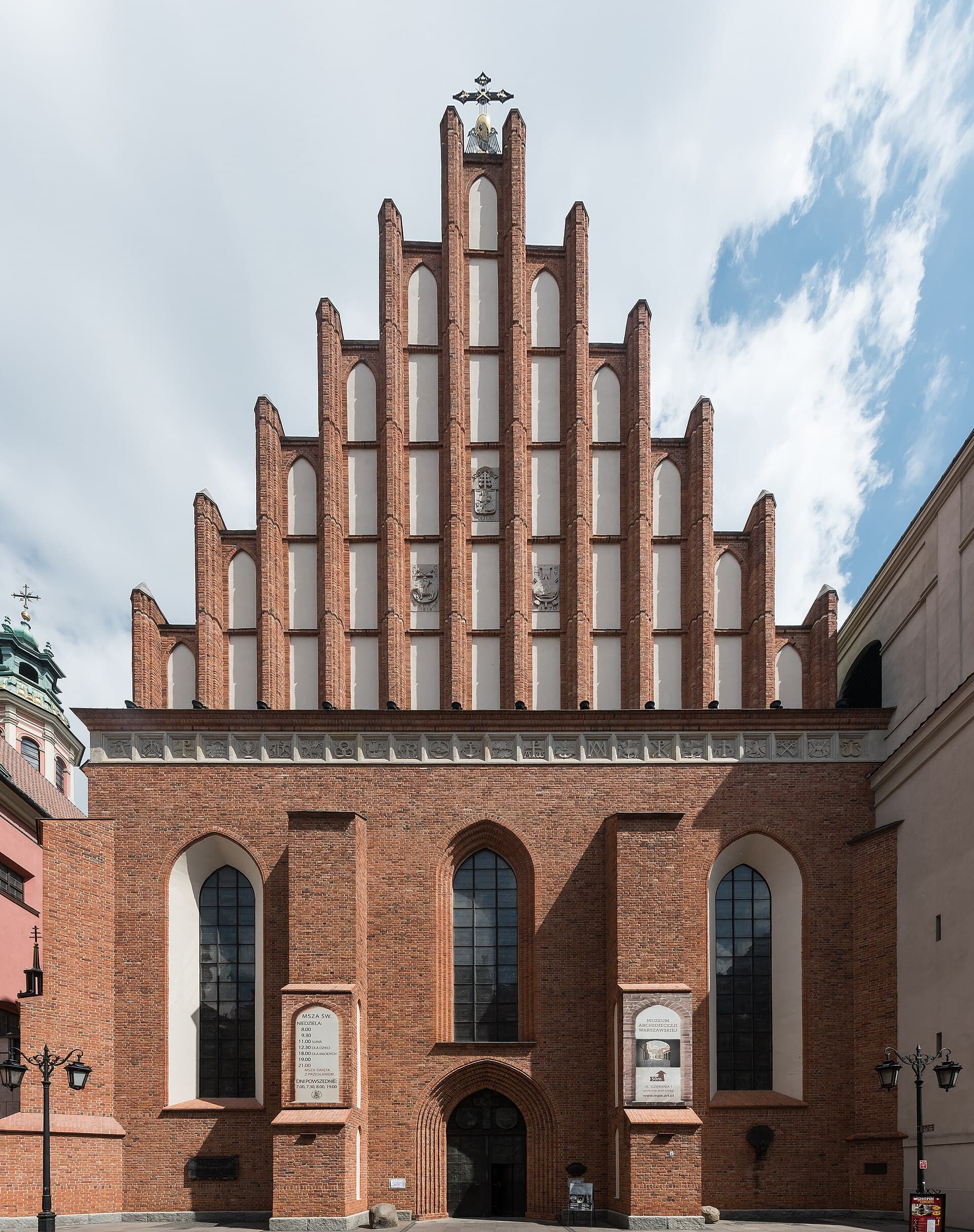 St John's ArchcathedralThe oldest church in Warsaw, dating from the fourteenth century, the city's prin1 minute walk4.6
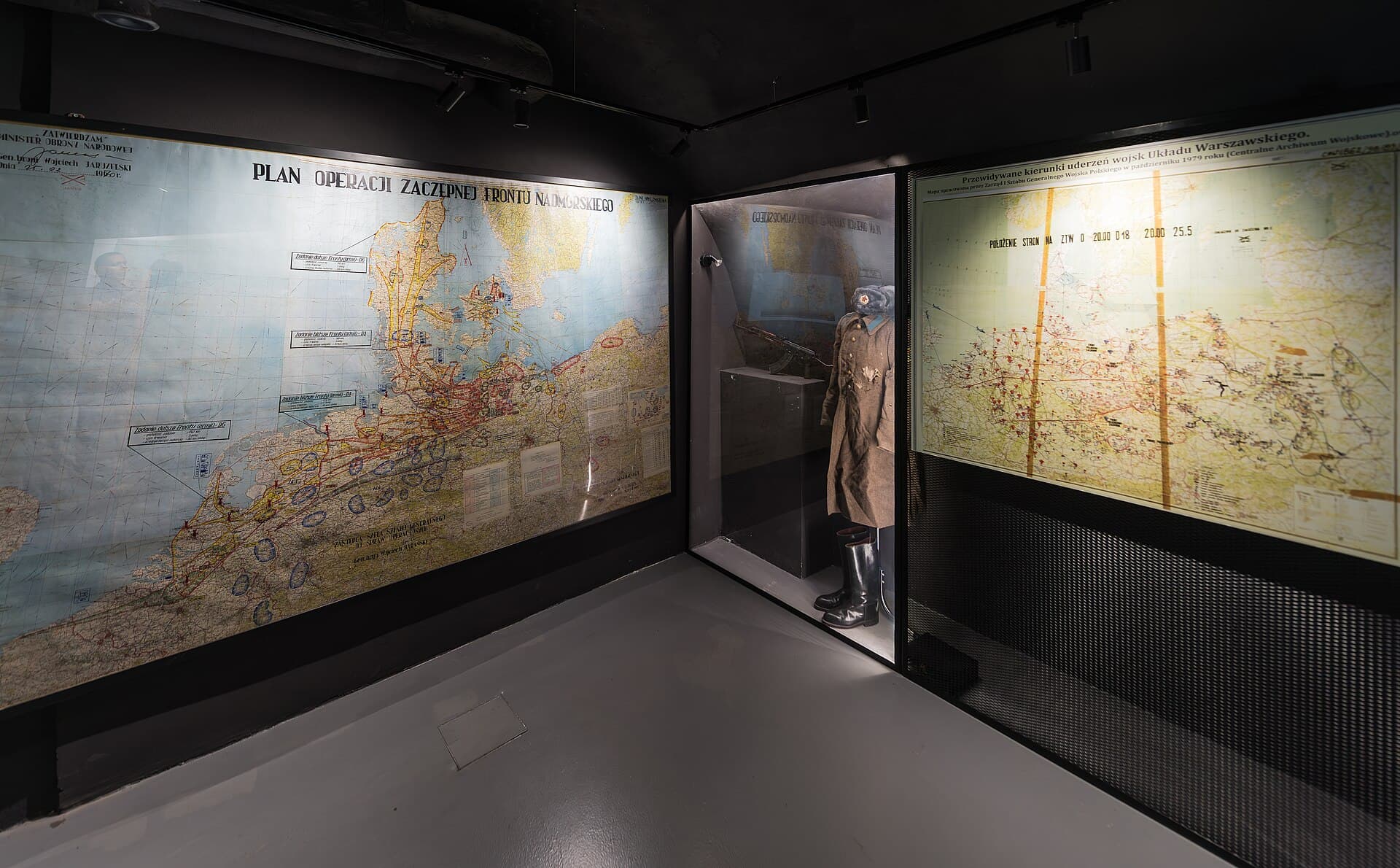 The Cold War MuseumA museum in Warsaw devoted to the Cold War, named after Colonel Ryszard Kuklińsk1 minute walk4.5
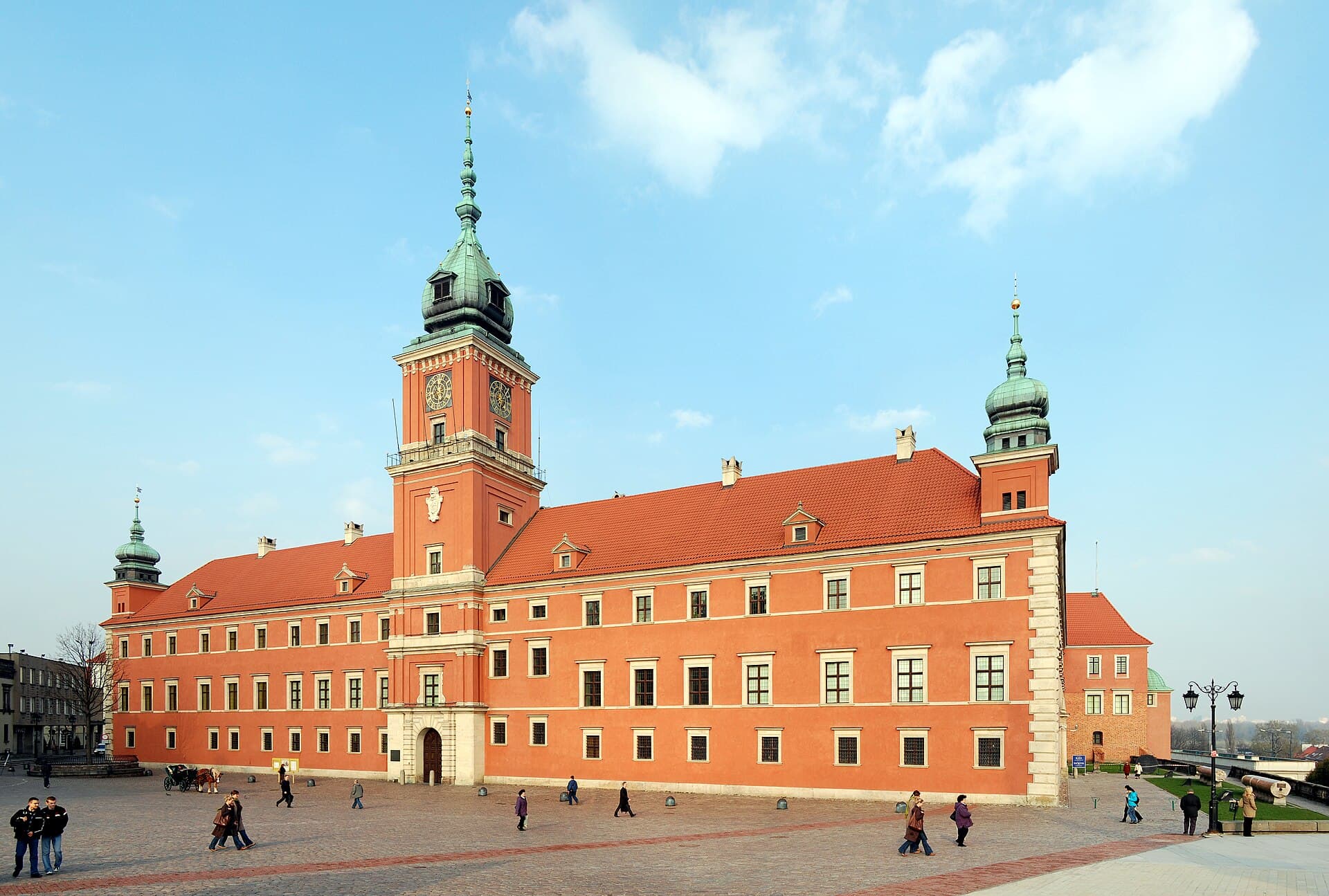 The Royal Castle in WarsawThe Royal Castle is Poland's recovered throne: seat of kings and parliament (her2 minutes walk4.8
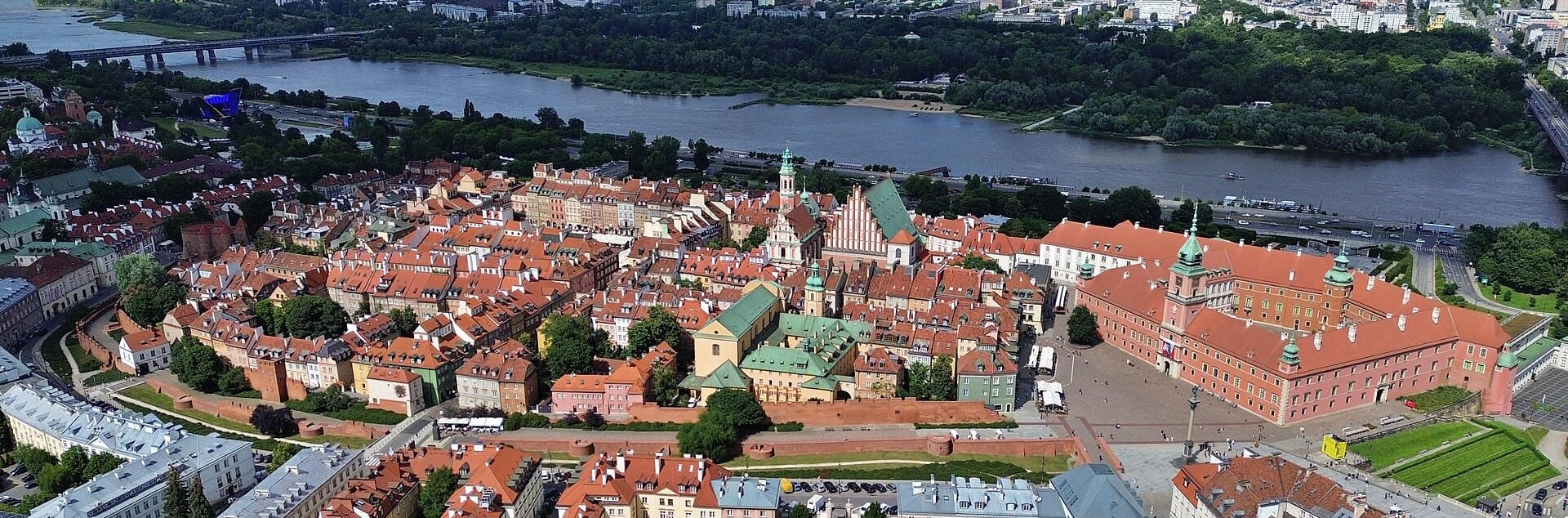 Warsaw Old TownWarsaw's Old Town is history's greatest urban resurrection: the Nazis demolished2 minutes walk
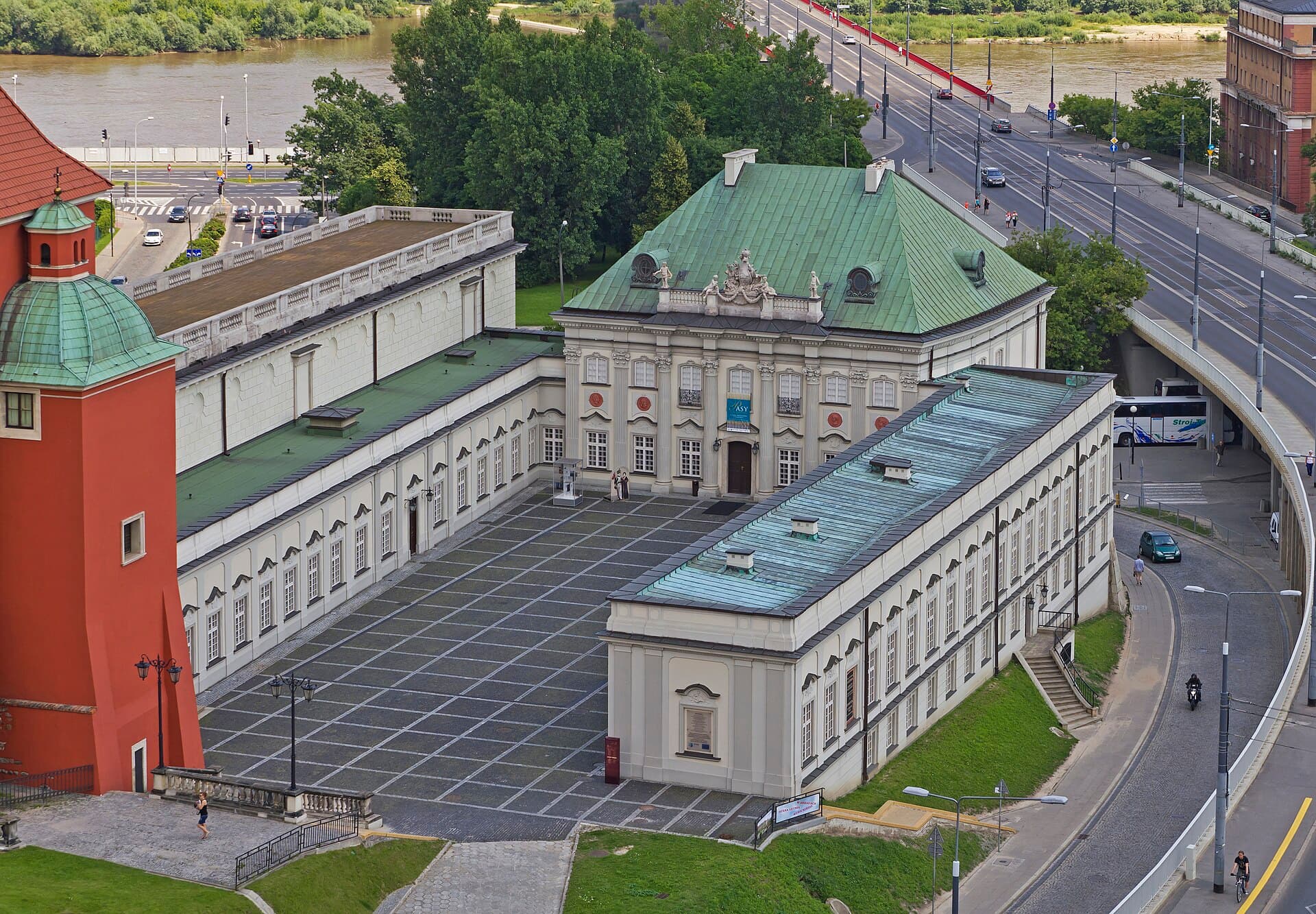 The Tin-Roofed PalaceA palace adjoining Warsaw's Royal Castle, older than it in parts, and run today 3 minutes walk4.6
The city was destroyed deliberately after the 1944 uprising: its people were removed and special German units then dynamited the buildings district by district. After the war the Old Town was rebuilt entirely from nothing using photographs and drawings, most importantly the eighteenth-century paintings of the Italian artist Bernardo Bellotto, which recorded Warsaw with great architectural precision. The rebuilt Old Town was inscribed on the World Heritage list in 1980 — an exceptional inscription, because it is for a reconstruction rather than an original.
The old market square with the Mermaid statue — the city's symbol; the rebuilt Royal Castle with its state rooms; St John's cathedral; and the Barbican and city walls. The whole area is small and walked in two hours. Remember that everything you see was rebuilt after 1945 — and that is itself part of the place's story rather than a deficiency in it.